
Keeping a vehicle running smoothly without spending a fortune might seem tricky, but standard maintenance keeps small problems from becoming massive headaches. Most drivers wait until a bright warning light pops up on the dashboard before visiting a local repair shop, which almost always results in astronomical repair bills. Setting up a consistent care plan keeps your vehicle completely safe on the road while preserving its overall value down the road.
Read Your Manufacturer Owner Manual
Your vehicle came with a guide designed by the very engineers who designed every component under the hood. This manual lays out every exact service interval required to keep the engine operating without any major hiccups. Skipping this initial step means guessing what your car needs, which leads directly to missed checkups and worn parts.
Read through the primary maintenance section to understand basic service intervals and factory recommendations. Pay close attention to differences between regular commute schedules and severe driving conditions, as heavy city traffic demands much more frequent service.
Map Out Your Driving Routine
Every driver places different stresses on their vehicle depending on their daily commute and personal habits. Driving short distances in heavy traffic wears down internal components faster than cruising along smooth highway miles.
Adjusting your baseline timeline based on how and where you drive each week keeps major parts working correctly. Vehicles used for heavy towing or driven in extreme weather conditions require shorter intervals between checkups.
Schedule Consistent Motor Oil Changes
Engine oil lubricates vital moving parts and prevents excessive heat buildup during standard vehicle operation. Fresh oil keeps the motor clean, while old oil breaks down and turns into harmful sludge over time.
Most modern cars require fresh synthetic oil every 5,000 to 7,500 miles to maintain peak engine health. Checking your dipstick once a month helps catch low levels before severe internal friction damages expensive parts.
For drivers looking for complete peace of mind beyond DIY checks, booking a professional logbook service ensures your oil changes, fluid top-ups, and essential inspections are completed to the manufacturer’s specifications. It also helps protect your warranty, maintain an accurate service history, and keep your vehicle performing reliably for years to come.
Monitor Tire Condition and Rotation
Tires serve as your vehicle’s only contact point with the road surface, making their overall condition critical for daily safety. Uneven tread wear drastically reduces traction during wet weather and forces your engine to work much harder to move the car.
When taking your vehicle in for a car log book service to keep records current, asking for a tire rotation ensures balanced wear across all four wheels. Having regular mechanics inspect your vehicle during service keeps safety risks low and extends tire life. Rotating tires every 6,000 to 8,000 miles helps avoid replacing a full set prematurely.
Check Critical Vehicle Fluids
Engine oil is not the only fluid keeping your vehicle running properly while driving around town. Brake fluid, radiator coolant, power steering fluid, and transmission fluid require periodic checks to prevent system failures.
Low coolant leads directly to severe engine overheating, while contaminated brake fluid drastically reduces stopping power in emergency situations. Flushing or topping off these liquids according to factory guidelines preserves complex mechanical systems.
Swap Out Filter Systems
Filters protect your engine and cabin interior from harmful dirt, road debris, and airborne pollen. A clogged engine air filter restricts vital airflow, which quickly drags down your overall fuel efficiency during trips.
Cabin air filters ensure clean air circulates inside the vehicle for you and your passengers. Swapping both filters out at least once a year maintains interior comfort and keeps the engine breathing easily.
Maintain a Detailed Care Log
Keeping physical or digital service records creates clear proof of proper care throughout your ownership. The generic factory schedule offers broad guidelines for a vehicle model, but a personal log tracks specific repairs for your exact car.
Save paper receipts from every mechanic visit inside a dedicated glovebox folder. Log service dates and current odometer readings inside a dedicated notebook. Track exact mileage intervals for wear items like brake pads and rotors. Record part numbers used during previous repairs to simplify future replacements.
A well-documented record set significantly boosts resale value when trading or selling your vehicle down the line. Prospective buyers feel much more confident purchasing used cars that feature complete maintenance histories.
Budget for Routine Care Costs
Car repairs often feel like sudden surprise expenses, but routine upkeep can easily be planned far ahead of time. Maintaining your current vehicle costs about $0.30 per mile, which is far cheaper than paying around $0.80 per mile for a new model.
Setting aside a small fund each month builds a comfortable cushion for upcoming parts and service intervals. This simple habit prevents financial stress when major mileage milestones arrive down the road.
Keep the Exterior Protected
Washing your car regularly removes road salt, dirt, and corrosive grime that slowly destroy outer paint layers. Protecting the exterior helps avoid deep rust formation along the lower frame and undercarriage components.
Waxing your vehicle every six months after a wash shields paint from heavy weather exposure and prevents rust. Keeping the interior clean prevents early cracking and fading across leather seats and vinyl dashboards.
Combine Services to Save Time
Visiting a auto repair shop every few weeks disrupts your busy routine unnecessarily. Grouping small maintenance tasks together lets your vehicle receive complete care in a single convenient visit.
Standard oil change visits typically include comprehensive multipoint inspections to catch hidden mechanical issues early. Combining tire rotations, fluid checks, and filter replacements saves both time and labor fees at the counter.
Stay Ahead of Brake Wear
Brakes wear down gradually over time depending on your typical driving style and local traffic conditions. Loud squealing noises or a soft pedal feel signal that your brake pads need attention right away.
Asking a technician to inspect pads and rotors during regular tire service keeps repair costs reasonable. Replacing worn pads early prevents heavy metal-on-metal contact that ruins expensive brake rotors.
Check Battery Power Levels
Vehicle batteries usually last between three and five years depending on local climate conditions and driving habits. Cold winter weather and extreme summer heat place extra strain on battery cells, reducing their charge capacity over time.
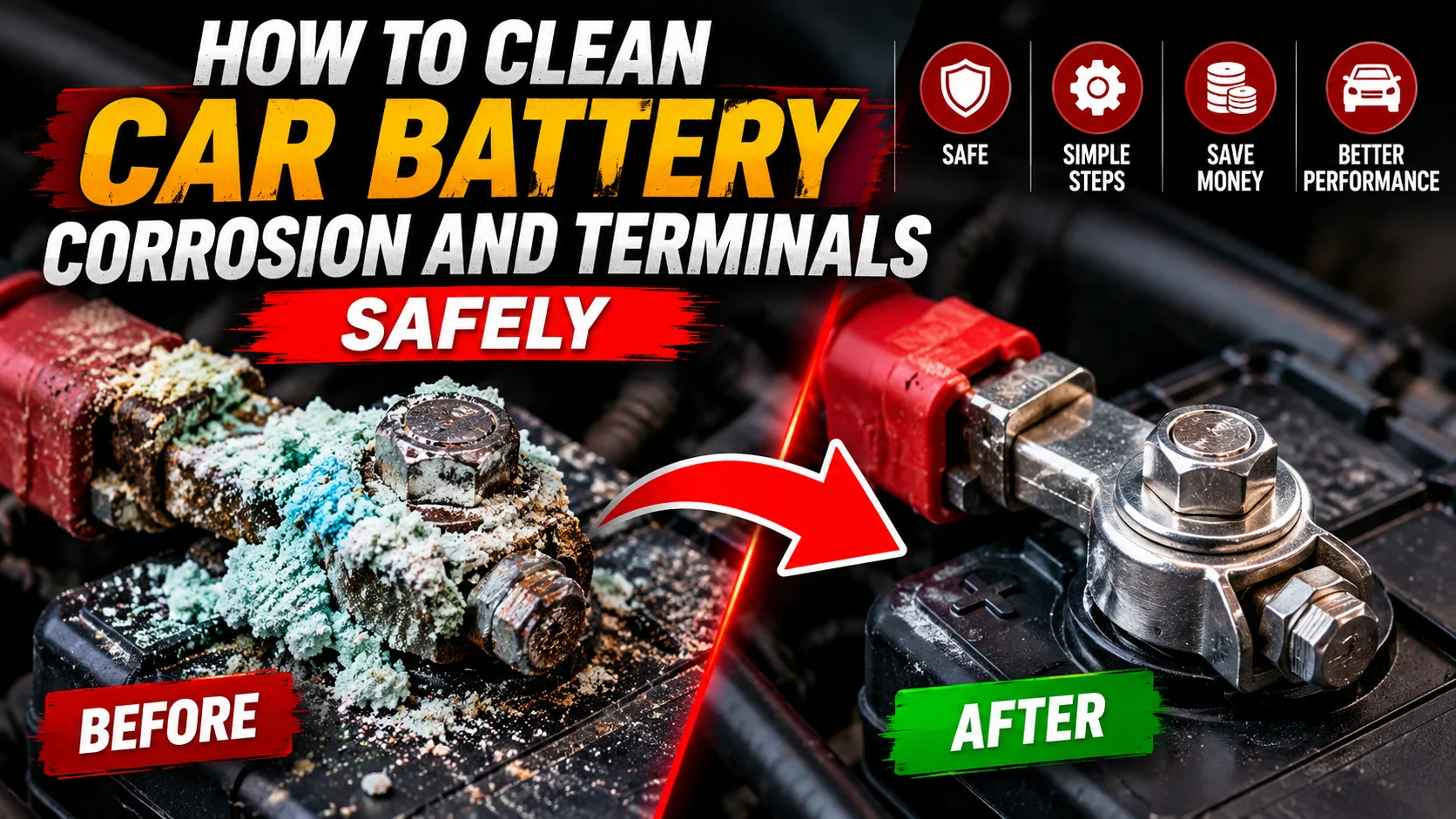
Testing battery voltage during autumn preps your vehicle for harsh winter starts. Cleaning corrosion off the battery terminals prevents electrical faults and keeps your engine starting reliably every morning.
Final Thoughts
Building a personalized maintenance schedule takes a tiny bit of upfront effort, but the long-term rewards are well worth it. Staying consistent with basic checkups, sticking close to factory intervals, and fixing minor issues early protects your wallet. Taking proactive care of your car guarantees reliable transportation every single day. Check out the rest of our articles today!