
Shipping a car across state lines is usually straightforward, but the pricing can be confusing at first. Standard open-carrier shipments may cost a few hundred dollars for a short route and more than $1,500 for a cross-country move. Every quote is an estimate based on distance, vehicle size, route demand, timing, and trailer type.
How interstate car shipping works
Two roles are easy to confuse. A carrier owns the truck and moves your vehicle. A broker matches your shipment with a carrier and manages the booking. Many consumers use brokers because they can contact multiple carriers serving a route. Before booking, confirm which company will transport the vehicle, which company will handle questions, and how claims are managed.
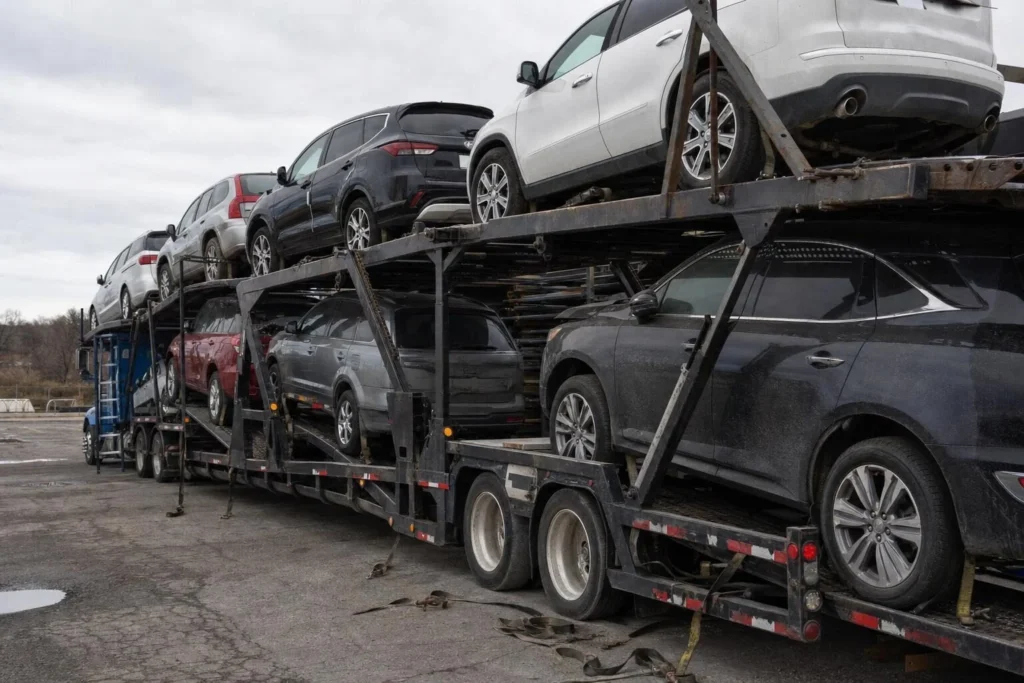
The next choice is trailer type. Open transport uses the multi-car trailers commonly seen on highways. It generally costs less and offers wider availability, although the vehicle remains exposed to weather and road debris. Enclosed transport protects the vehicle inside a covered trailer and is often used for classic, luxury, custom, or low-clearance cars. Enclosed service can cost about 50 percent more than open transport, depending on the route.
You will also need to choose a delivery style. Door-to-door service means the driver gets as close to your address as local access and safety rules allow. Pickup or delivery may occur at a nearby parking lot if the street is narrow or restricted. Terminal-to-terminal service uses regional storage lots. It may reduce the transport price, but limited availability, storage fees, and extra travel can offset the savings.
If you book through a broker, verify the trailer type, estimated pickup window, delivery terms, and payment schedule before accepting the quote.
What car shipping costs in 2026
Published consumer estimates for 2026 vary widely. Short open-carrier moves may start near $500, while cross-country shipments can reach $1,700 or more. Enclosed shipping, oversized vehicles, inoperable cars, rural locations, and urgent pickup requests generally cost more.
The main price factors are total distance, vehicle size and weight, route demand, seasonal demand, date flexibility, and trailer type. A route-specific estimate can provide a current baseline, but compare quotes that use the same vehicle details, dates, locations, and service level.
How long car shipping takes
A rough planning estimate is one day of transit for every 400 to 500 miles after the vehicle is loaded. This is a guide rather than a guaranteed schedule. Carriers usually provide pickup and delivery windows because they coordinate several vehicles on one route. Weather, traffic, road closures, loading delays, access restrictions, and federal driver-hour limits can all affect timing. Build extra time into your plans, especially if you are flying to meet the vehicle.
How to vet a company before booking
- Ask for the USDOT and MC numbers. A registered interstate broker or carrier should provide its identifying information when asked.
- Check registration and operating authority. Use the Federal Motor Carrier Safety Administration’s Licensing & Insurance system to review authority and available insurance filings.
- Review the SAFER Company Snapshot. This free FMCSA record includes identification details, inspection results, out-of-service history, crash information, and an assigned safety rating when available.
- Request proof of coverage. Ask which carrier will transport the car and request evidence of its cargo coverage. Also review exclusions, deductibles, and the claims process.
- Compare terms, not just totals. Check whether the quote includes door-to-door service, fuel surcharges, inoperable-vehicle fees, cancellation terms, and any potential storage costs.
The main price factors are total distance, vehicle size and weight, route demand, seasonal demand, date flexibility and trailer type. A route-specific estimate gives you a current baseline to work from, and Cross Auto Transport returns one from a pickup ZIP, delivery ZIP and vehicle details without requiring a card. Whatever you use, compare quotes built on the same vehicle details, dates, locations and service level.
Alternatives worth considering
Driving the car yourself may appear cheaper, but include fuel, lodging, meals, tolls, travel time, and added mileage when comparing costs. A multi-day solo drive also means packing an emergency car kit and building in rest stops. Hiring a professional driver avoids a transport trailer but still adds wear to the vehicle and requires careful insurance review.
Prepare your car for pickup and possible claims
Wash the car so existing scratches and dents are easy to see. Photograph every side of the vehicle, including the roof, wheels, windshield, and odometer. Take the photos shortly before pickup and retain the original files.
Remove personal belongings unless the company confirms in writing that a limited amount is permitted. Personal items are often excluded from the carrier’s cargo coverage. Leave about a quarter tank of fuel, disable alarms and toll transponders, note modifications or low ground clearance, and provide a working spare key. For an electric vehicle, ask the company about its preferred battery charge level.
Be present at pickup if possible. The driver will prepare a Bill of Lading that includes a vehicle condition report. Inspect the car with the driver and make sure all existing damage is recorded before signing. Repeat the inspection at delivery before accepting the vehicle.
If you find new damage, note it on the Bill of Lading before signing, take clear photographs, and contact the carrier and broker promptly. Keep the quote, inspection records, insurance documents, payment receipts, and written correspondence until the shipment and any claim are complete.
Reasonable ways to save
Offer a three-to-five-day pickup window instead of requiring one date. Ship outside peak moving periods when possible, and use locations near major highways or metro areas if doing so is practical. Open transport is usually the most economical option for an everyday vehicle.
Interstate car shipping rewards preparation. Verify the company through FMCSA records, understand the service you are buying, document the vehicle carefully, and treat quoted prices and dates as estimates unless the contract states otherwise.
FAQ
How does insurance work?
Ask the transporting carrier for evidence of cargo coverage and review its limits, exclusions, and deductible. FMCSA records can help you confirm operating authority and available insurance filings, but they do not replace the carrier’s policy documents. Check your own auto policy for additional protection.
Can I ship a non-running or electric vehicle?
Usually, but disclose the vehicle’s condition before requesting a quote. An inoperable car may require a winch and cost more. For an electric vehicle, ask the company about its preferred battery charge level, a detail that also matters for long-term EV storage.