Finding the lowest shipping price for your car may seem like the best way to save some cash. At times, though, downtickets can make a vehicle difficult to place with a carrier, as they are unusually low and priced lower. Drivers with auto transport companies face a competitive marketplace, in which factors such as fuel expenses, wage requirements, insurance costs, maintenance bills, tolls, equipment expenses, and utility conditions play a major role.
Some carriers may be reluctant to accept the shipment if the quoted prices are not correct. It is particularly relevant when customers are shipping vehicles from remote areas, during peak season, and when the return path is weak.
Understanding why pricing affects carrier availability can help vehicle owners make better decisions, avoid unexpected delays, and set realistic expectations about pickup times. The price given may not be a good one if the car remains idle. Read this blog till end to learn about car shipping quotations:
Why Does the Cheapest Car Shipping Quote Sometimes Take Longer?
A very low shipping price will be less appealing to carriers, since they may receive less than the vehicle is worth to them for the round trip. Fuel consumption, distance, available trailer space, driver time factors, and the potential availability of another vehicle in the vicinity.
The lowest rate quotation may not be the most practicable to pursue because fewer carriers may accept a non-economic book-of-business rate on the same route.
Factors That Influence Carrier Load Selection
Carriers always have many considerations before accepting a vehicle shipment. They think about positioning the vehicle, finding its destination, determining cargo capacity, and whether an alternate load is available nearby. If the carrier must detour to take on a low-paying load or if the load would involve empty miles, the carrier may refuse an offer that would make this situation worse.
For instance, if a vehicle is well away from the main thoroughfare, it will likely need extra driving time before the provider begins service. Fuel, time, and vehicle operation costs must be charged to the carrier. As a result, the most affordable service might not have a long expiration date, with carriers picking up packages that best suit their offerings and routes.
The Hidden Cost of Empty Miles
One of the greatest outflows of economic resources in transport is empty miles. An empty window can travel many miles on the truck while the chassis sits empty. Fuel is consumed, tires and mechanical parts wear out, and the driver incurs operating costs.
Lower-priced shipments might make next to nothing if they take hundreds of extra empty miles because of this. That’s why any shipments need to be located on established transport routes. A “cheap” quote to the customer could not offset the carrier’s extra fees.
Route Demand Affects Pricing
Car shipping costs are heavily affected by supply and demand. Routes between major metropolitan areas tend to be busier due to dealerships, auctions, relocations, car buyers with Internet access, and private transactions. When more shipments are available, shipper-service providers will have more opportunities to fill their trailers. Routes with low demand may require longer journeys between pickups and deliveries.
This can make serving the route more expensive. The carriers may therefore prefer a higher-paying route along a heavily traveled corridor than a lower rate on a challenging route. It doesn’t necessarily have to be the car. It often has to do with the economics of its location.
Rural Pickup Locations Can Create Challenges
Carriers may take longer to match up with a vehicle in a remote location than in a major city. Long-haul carriers may choose routes that avoid railroad depots and interstate highways to pick up multiple vehicles simultaneously. Sometimes there will be a diversion from that route for a rural pickup.
The extra mileage will be a direct operating expense unless the carrier finds another vessel in the area. In rural areas, customers sometimes improve their options by scheduling the pickup in a larger town they can reach or at a convenient commercial site. This is not always required; however, it will provide a smarter shipping experience for the new carrier route.
Vehicle Size Also Influences the Economics
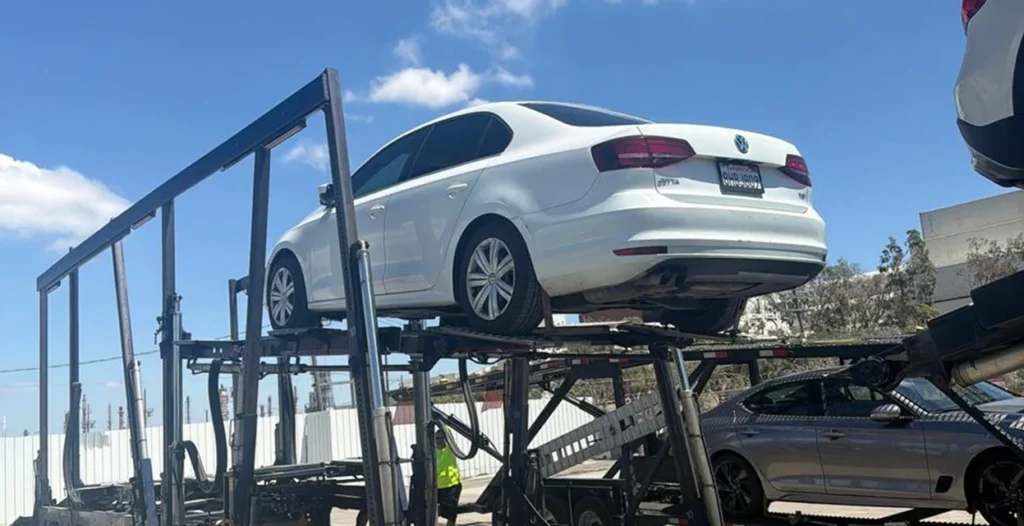
Not all cars take the same amount of truck room. A small car might need much less room than a large SUV, pickup truck, or converted vehicle. Space in the trailer is finite, so each vehicle must be economically viable within those constraints. Oversized or unusually heavy vehicles can create additional planning requirements.
All other cars that don’t drive (including those with a stuck wheel or brake issues) may also require winching or additional loading time. Carriers may not be willing to accept the shipment if the low quote does not cover their costs. Providing accurate details about the vehicle’s condition, size, and modifications is therefore a very significant criterion when requesting a transport quotation.
Seasonal Demand Can Change the Quotation
The demand for car shipping varies during the year. During the warm months of summer, there is greater movement, as families relocate, students transfer between universities, or seasonal residents move from one state to another. There may be comparatively high demand at other times as well, depending on the local circumstances and consumer activity.
The more potential loads that a carrier can choose from, the greater the demand. If this is the case, the low price might make this shipment less appealing, as a carrier may choose another vehicle that offers better compensation. If customers require transport during busy times, they need to plan and set realistic pickup times.
Why a Higher Quote May Be More Practical
An economical quote may make a shipment more appealing to the carriers, and a higher one does not necessarily represent better service. The aim isn’t just to pick the highest priced item. Rather, a customer should seek quotes by considering the route, vehicle type, quote validity period, and the state of the marketplace.
A reasonable rate will help make the vehicle more attractive to carriers to incorporate into their current transportation plans. This may make it possible to reduce the duration the shipment is available for pickup. It isn’t just the price customers need to compare when looking at each sales quote; they also need to know what’s included.
What Customers Should Check Before Choosing a Quote
Before accepting a very low quote, vehicle owners should look closely at the entire offer and the company behind it. Established providers such as Flamingo Auto Transport can serve as a useful reference point when comparing service terms, carrier requirements, and overall transparency. Questions to consider are:
- Does the quote apply to the vehicle’s actual size and condition?
- Is the carrier properly authorized?
- Will there be insurance coverage?
- Is the quote explicit about the costs included?
- Whether the vehicle is on the road or off the road
- Whether the route to the pickup site is isolated or not
- How flexible the pickup window can be
If a quote is transparent, it is easier to see the car’s actual movement cost.
Why Cheap Quotes Can Become Difficult Loads
The economics of auto transport are based on more than mileage. They need to ensure that every one of their journeys is economically viable and factor in issues related to fuel, labor, equipment, capacity, and route efficiency. If the price is too low for the specific situation, it may have difficulty finding a carrier.
This doesn’t necessarily mean that a cheap quote will lead to a delay. Certain routes naturally have high demand and could support competitive pricing. But the customer needs to recognize that if the offer is extremely low for a hard line, the customer may end up paying a higher price than the carriers are willing to accept to make the journey profitable for them.
How to Balance Price and Pickup Speed
The best approach is to consider both cost and practicality. Customers need to consider a realistic market rate and have to be flexible with the pickup date if required. A lower rate might be okay if the timing isn’t as big of a deal to the client and they’re willing to wait for the right carrier.
The key is understanding the trade-off. Car shipping is a logistics service that depends on supply and demand, route density, and operating costs. The best way to assess a quote is not simply by the price, but by how realistic it is to find a carrier.
How Carrier Capacity Affects Pickup Times
Carrier capacity plays a major role in how quickly a vehicle can be assigned for transport. Customers should also verify that the company or carrier handling their vehicle complies with applicable federal requirements.
The Federal Motor Carrier Safety Administration (FMCSA) provides information about motor carriers, safety regulations, and registration requirements. Before choosing a transport provider, customers can use the agency’s resources to learn more about carrier credentials and safety information.
Why Remote Pickup Locations Can Be More Difficult
A vehicle’s location can significantly affect carrier availability. Cars located near major cities, interstate highways, dealerships, and transportation hubs often have more opportunities to connect with existing carrier routes. Remote locations may require a driver to travel additional miles off the main route to collect a single vehicle.
Those additional miles consume fuel, driver time, and equipment resources without necessarily creating another paying load. As a result, carriers may be less interested in a low-priced shipment from an isolated area. Customers can sometimes improve their options by arranging pickup at an accessible location near a major town or highway, when practical.
How Vehicle Size and Condition Influence Carrier Decisions
A vehicle’s size and condition can also affect how attractive a shipment is to a carrier. Standard sedans generally require less trailer space than large SUVs, pickup trucks, lifted vehicles, or modified cars. Non-running vehicles can require additional equipment, such as a winch, and may take longer to load or unload. This can influence how a carrier plans trailer capacity and schedules.
Customers should provide accurate information about the vehicle, including whether it starts, rolls, steers, and brakes. They should also mention modifications or unusual dimensions. If the actual vehicle differs from the original description, the carrier may face unexpected loading challenges or need to reconsider the shipment.
Conclusion
The cheapest car shipping quote is not always the easiest one for a carrier to accept. Route demand, empty miles, vehicle size, pickup location, seasonality, and operating expenses all influence whether a shipment makes economic sense.
For customers, the smartest choice is not necessarily the lowest number on the page. A realistic quote that reflects actual transportation conditions can increase the chances of finding a carrier without unnecessary waiting.
Understanding the economics behind auto transport helps customers make informed decisions. Instead of asking only, “How much will it cost?” it can be equally useful to ask, “Is this price realistic for a carrier to move my vehicle?”
FAQs
1. Can a very cheap car shipping quote cause a delay?
It can. If the price is too low for the route, fewer carriers may be willing to accept the shipment.
2. Why are rural locations sometimes more expensive to ship from?
Rural pickups can require carriers to travel additional empty miles, increasing fuel, time, and operating costs.
3. Does vehicle size affect shipping price?
Yes. Larger or heavier vehicles can use more of the trailer’s capacity and may require additional planning or equipment.
4. Should I always choose the cheapest car shipping company?
Not necessarily. Compare price with licensing, insurance, service terms, route conditions, and expected pickup timing.
5. How can I make my vehicle easier to place with a carrier?
Provide accurate vehicle details, offer a reasonable pickup window, and consider an accessible pickup location when practical.