
he automotive aftermarket has become more competitive than ever. Customers have countless online stores to choose from, often selling similar products at comparable prices. Whether they’re shopping for aftermarket wheels, custom grilles, suspension kits, or LED lighting, buyers expect more than a few product photos and a list of specifications.
That’s why 3D customization for auto parts is becoming a major advantage for online retailers in 2026.
Instead of asking customers to imagine how a part will look on their vehicle, brands can let them configure products in real time. They can switch colors, compare finishes, preview accessories, and instantly see how every change affects the final product.
The result? Greater confidence, fewer abandoned carts, and stronger eCommerce conversion optimization.
Let’s look at how 3D customization is changing the way auto parts are sold online.
Why Traditional Product Pages Are Falling Behind
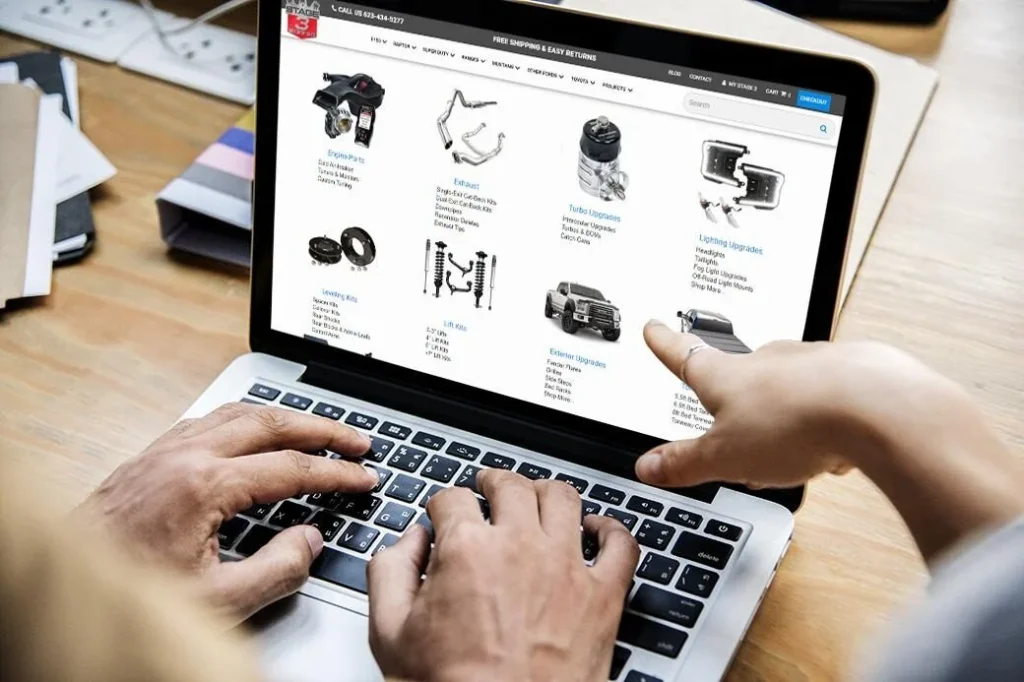
For years, online auto parts stores relied on a simple product page that included:
- Product photos
- Technical specifications
- Vehicle compatibility lists
- Customer reviews
- Installation guides
While these details remain important, they don’t always answer the question buyers care about most:
“Will this actually look good on my vehicle?”
This is especially true for visual upgrades like:
- Alloy wheels
- Body kits
- Spoilers
- Fender flares
- Running boards
- Roof racks
- Performance exhaust tips
When customers can’t picture the final result, many leave the website to search for more photos, watch videos, or compare other retailers. Every extra step increases the chance of losing a sale.
What Is 3D Customization for Auto Parts?
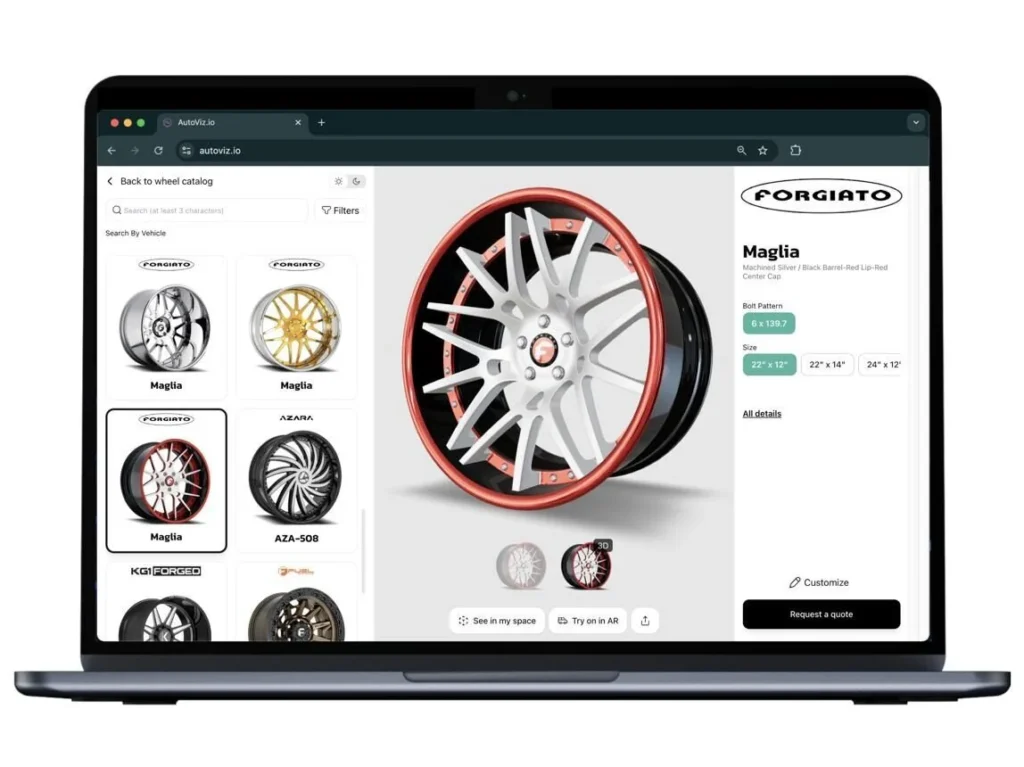
Simply put, 3D customization for auto parts allows shoppers to personalize products before buying them.
Instead of scrolling through dozens of images, customers interact with a realistic 3D model that updates instantly as they make changes.
Depending on the product, shoppers can customize:
- Colors
- Materials
- Finishes
- Sizes
- Accessories
- Performance upgrades
They can rotate the product, zoom in on details, and compare multiple configurations until they’re confident in their selection.
The shopping experience becomes far more engaging than browsing a standard product catalog.
5 Ways 3D Customization Boosts eCommerce Conversions
1. It Builds Buyer Confidence
Buying auto parts online always comes with a certain level of uncertainty.
Customers often ask themselves:
- Will matte black look better than gloss black?
- Is the larger wheel size worth it?
- Does this finish match my vehicle?
- Should I upgrade to the premium option?
Static product photos rarely answer these questions.
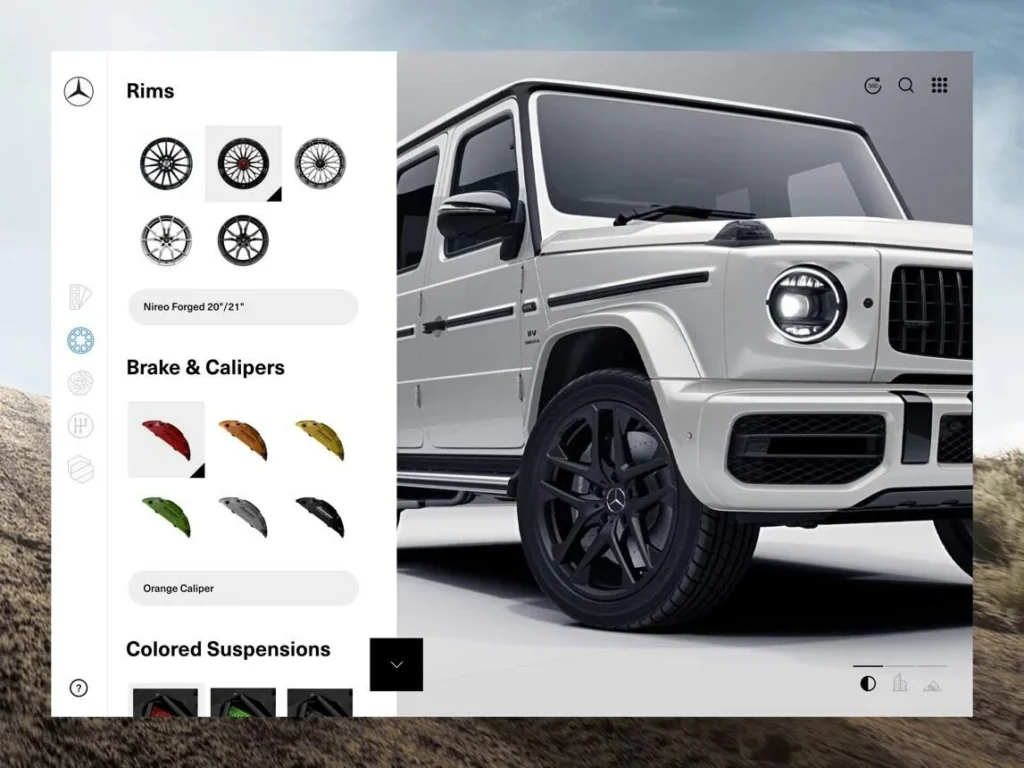
Interactive visualization removes much of that uncertainty. As customers make changes, they immediately see how every option affects the final product.
The more confident buyers feel, the more likely they are to complete their purchase.
2. It Reduces Shopping Cart Abandonment
Many shoppers abandon their carts because they aren’t completely sure they’re making the right decision.
Instead of checking out, they often leave to:
- Search for additional photos
- Watch installation videos
- Compare competing products
- Read forum discussions
Unfortunately, many never return.
A realistic 3D customization for auto parts experience keeps shoppers engaged by providing many of the answers they would otherwise search for elsewhere.
Reducing uncertainty often means reducing abandoned carts as well.
3. It Helps Customers Choose the Right Configuration
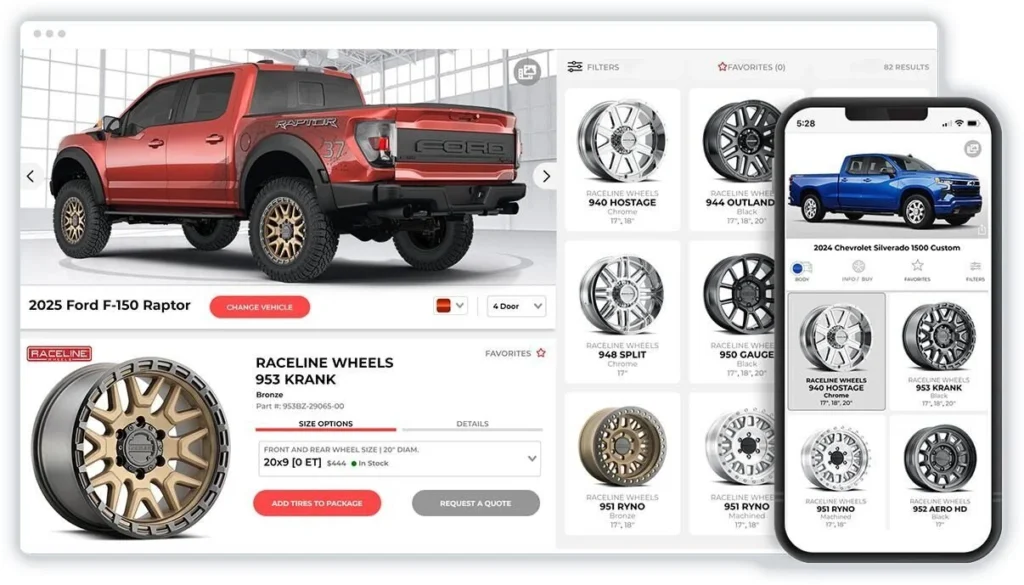
Some aftermarket products come with dozens—or even hundreds—of possible combinations.
Take custom wheels, for example.
Customers may need to select:
- Diameter
- Width
- Offset
- Finish
- Bolt pattern
- Center cap
- Lug nuts
Managing all these choices can feel overwhelming.
A modern 3d configurator simplifies the process by guiding customers through compatible options while displaying every change visually. Instead of guessing, buyers can build exactly what they want with confidence.
4. It Encourages Larger Orders
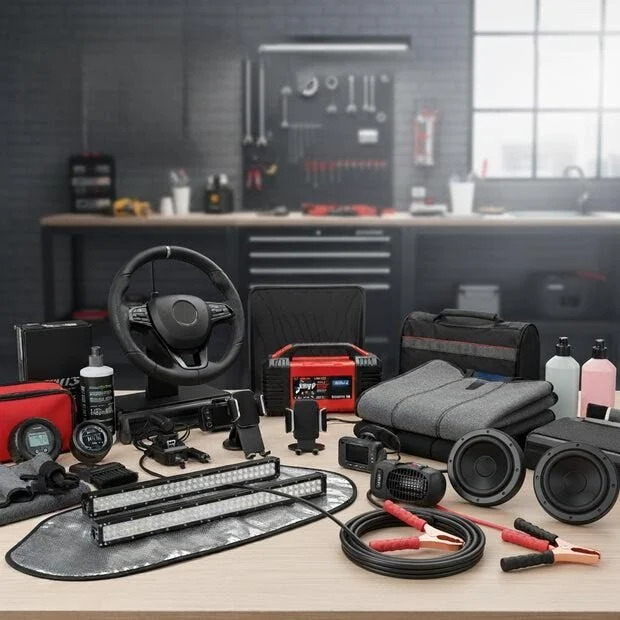
Customization naturally opens the door to additional purchases.
For example, a customer selecting new wheels may also choose to add:
- Performance tires
- TPMS sensors
- Locking lug nuts
- Brake caliper covers
- Wheel spacers
Because these products appear within the customization journey, they feel like helpful recommendations instead of pushy upsells.
This creates a better customer experience while increasing average order value.
5. It Reduces Product Returns
Returns are expensive for every online retailer, especially those selling automotive products.
Many parts are:
- Heavy
- Oversized
- Vehicle-specific
- Costly to ship
Returns often happen because customers expected something different from what they received.
Interactive visualization helps set realistic expectations by showing the exact finish, color, accessories, and configuration before checkout.
When customers know exactly what they’re ordering, they’re less likely to request a return.
How Visual CPQ Makes Automotive Customization Even Better
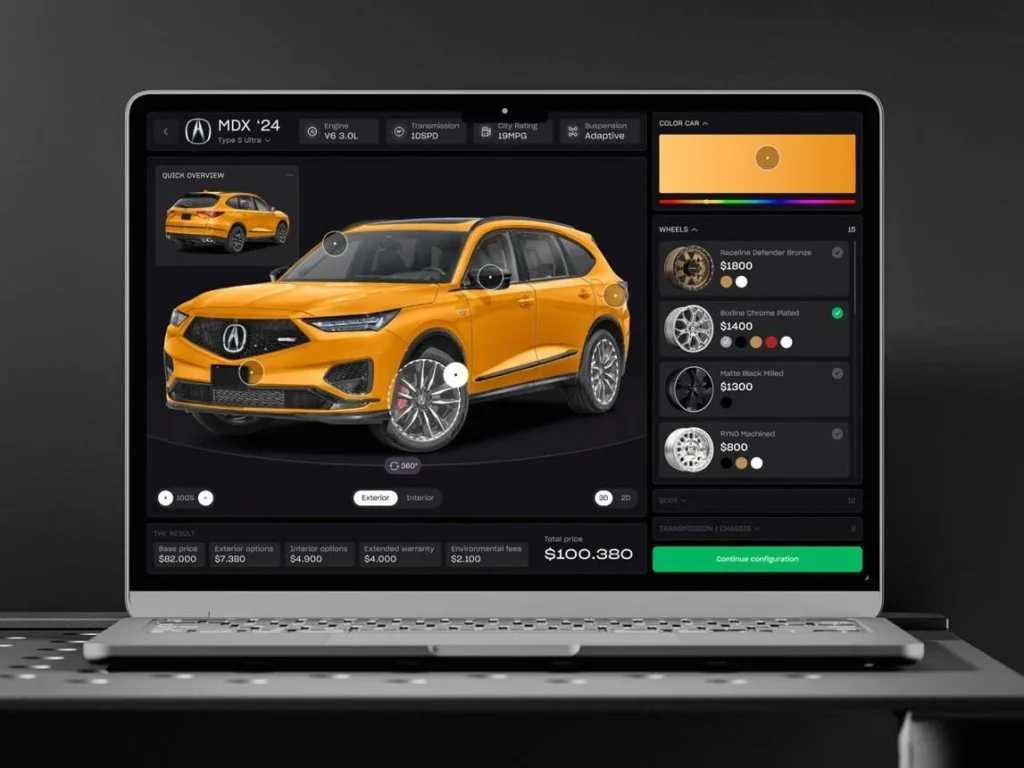
Visualization is only part of the equation.
Many automotive products require complex compatibility rules, pricing calculations, and product validation. That’s where Visual CPQ for automotive comes into play.
Visual Configure, Price, Quote (CPQ) technology combines interactive customization with intelligent product rules. It helps customers:
- Build compatible configurations
- Prevent incorrect product combinations
- View accurate pricing instantly
- Generate quotes automatically
- Simplify complex purchasing decisions
For businesses selling customizable automotive products, integrating a 3d configurator into the buying journey can make the purchasing process smoother while reducing manual work for sales teams.
Is 3D Customization Worth the Investment?
For many auto parts brands, the answer is yes.
Beyond creating a more modern shopping experience, 3D customization can help businesses improve:
- Customer engagement
- Conversion rates
- Average order value
- Buyer confidence
- Sales efficiency
- Return rates
When comparing solutions, it’s worth evaluating 3D Configurator software pricing alongside features such as platform integrations, scalability, dynamic pricing, and rule-based product configuration. Investing in the right solution today can support long-term business growth as customer expectations continue to evolve.
Final Thoughts
The days of relying solely on static product images are quickly fading.
Modern shoppers want personalized experiences that help them make informed purchasing decisions with confidence. By adopting 3D customization, brands can create a more engaging buying journey while reducing uncertainty and improving customer satisfaction.
When paired with Visual CPQ for automotive, interactive product experiences become even more powerful—helping customers configure products accurately, receive instant pricing, and complete purchases with greater confidence.
For automotive brands focused on eCommerce conversion optimization, investing in immersive shopping experiences isn’t just about keeping up with industry trends. It’s about building trust, reducing friction, and giving customers the confidence they need to click “Buy Now.”