Whether you are packing gear for an overland road trip, working remotely from your vehicle, or simply keeping your everyday carry (EDC) kit organized, reliable power is essential. Modern gear setups rely heavily on smart devices—from smartphones and dash cams to action cameras and handheld GPS units.
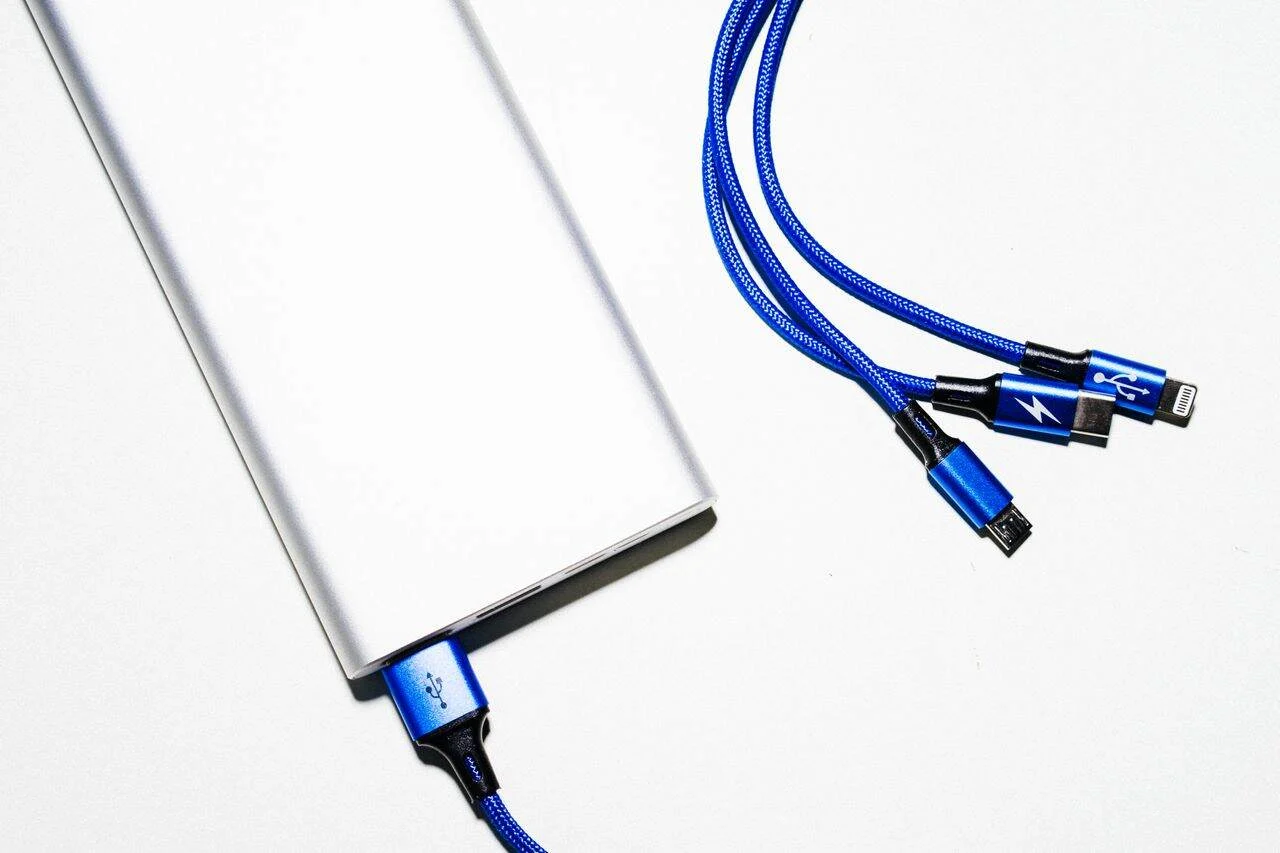
Portable chargers have always been a staple for gearheads and outdoor adventurers. However, traditional power banks have one major flaw: the endless mess of loose cables. Cables get tangled in glove boxes, worn down at the strain relief points, or left behind entirely.
Enter integrated power solutions. But before upgrading your mobile gear setup, let’s explore the pros, cons, and best options for built-in cable power banks.
The Pros: Why Integrated Cables Make Sense for Gearheads
1. Clutter-Free EDC and Vehicle Cab Spaces
In a tight truck cabin, overland setup, or compact gear bag, space management matters. A power bank with built-in charging leads eliminates loose cords cluttering your vehicle’s center console or glove compartment.
2. High Power Output for Heavy-Duty Devices
Modern high-capacity battery packs don’t just charge phones—they can power laptops, drones, and camera gear. Having high-spec built-in USB-C cables ensures you always get maximum fast-charging speeds without relying on cheap third-party cords that restrict wattage.
3. Immediate Grab-and-Go Capability
When you need to step away from your vehicle or campsite for a quick trail run or job-site task, grabbing a single compact unit means you never have to ask, “Did I bring the charging cord?”
The Cons: Things to Keep in Mind
- Cable Durability Concerns: Built-in cables take a lot of twisting and pulling. High-end models solve this by utilizing reinforced TPE armor or braided jackets.
- Reach Limitations: Integrated leads are intentionally kept short to prevent snags and maintain a sleek profile. If you need 6 feet of flexibility while charging, you’ll still want to utilize standard extension ports.
What to Look For in the Best Options
When selecting a power bank for tough environments and power-hungry equipment, consider these essential specs:
- Massive Capacity: Look for high-capacity power banks (such as 27,000mAh) that comply with airline carry-on regulations (under 100Wh) while storing enough juice to charge laptops and multiple smartphones over a long weekend.
- Multi-Port Versatility: Ensure the battery has additional USB-C and USB-A ports so you can power secondary accessories simultaneously.
- Power Delivery (PD): High wattage output (such as 100W PD power bank) is critical if you plan on running power-hungry laptops or fast-charging multiple devices at once.
The Verdict
For gear enthusiasts and mobile workers looking to streamline their loadout, upgrading to a high-capacity built-in cable power bank is a game-changer. Investing in a heavy-duty 27000mAh power bank ensures your essential tech stays fully charged, whether you are on the open road or off the grid.