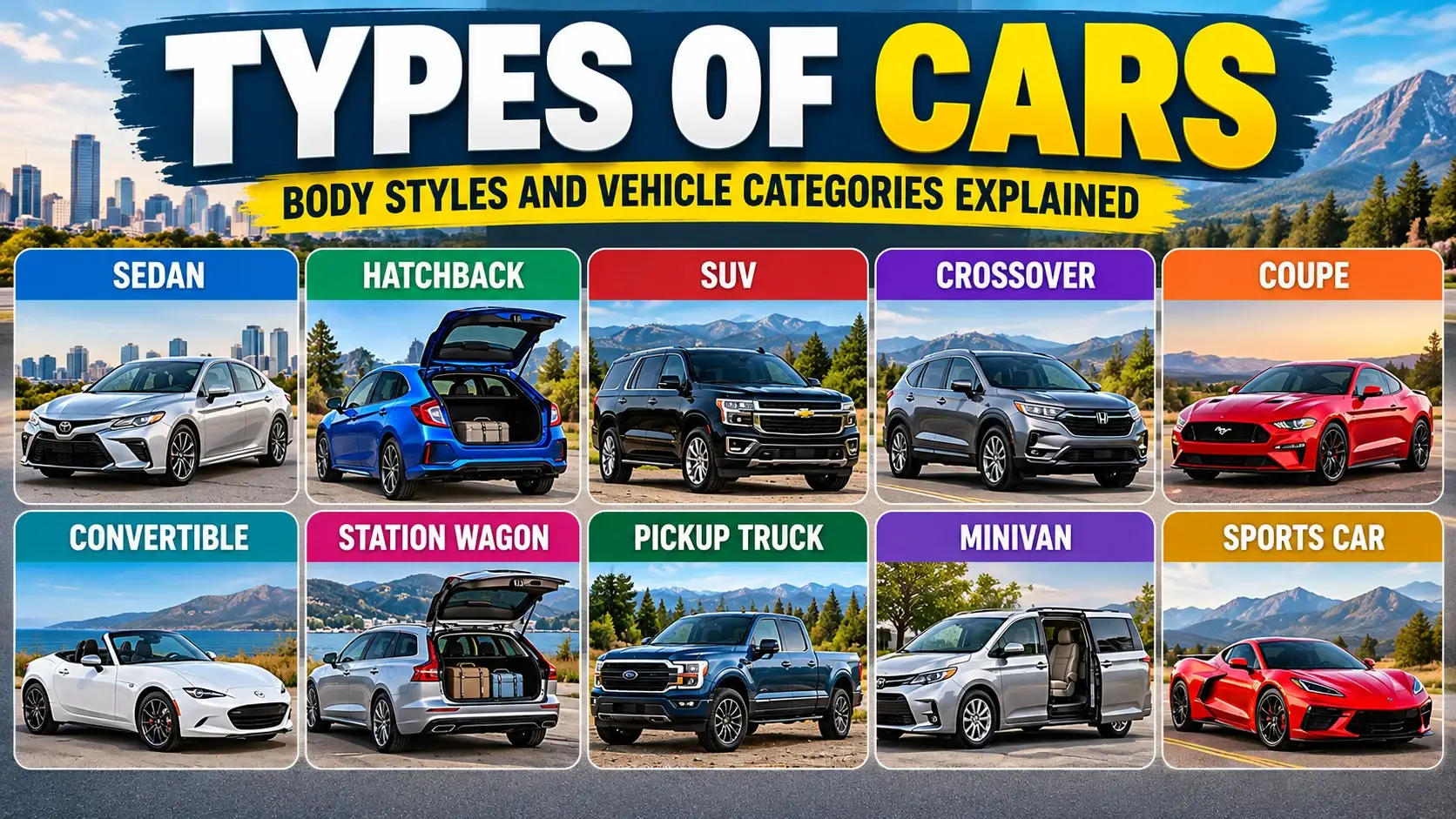
ars come in many forms, from compact hatchbacks and comfortable sedans to family SUVs, pickup trucks, and performance sports cars. Understanding the types of cars makes it easier to compare their shapes, passenger space, cargo access, and practical strengths.
Quick answer: The main body styles are sedan, hatchback, SUV, crossover, coupe, convertible, station wagon, pickup truck, and minivan. Sports car is a performance category that overlaps with body styles. Size, luxury, and electric or hybrid propulsion are separate classifications.
What Are the Different Types of Cars?
A body style describes the vehicle’s exterior form and the arrangement of passenger and cargo areas. Other classifications describe vehicle size, intended use, drivetrain, or powertrain. A vehicle can therefore be both a compact SUV and a hybrid, or both a sports car and a convertible.
Types of Cars With Names and Pictures
1. Sedan: The Traditional Passenger Car
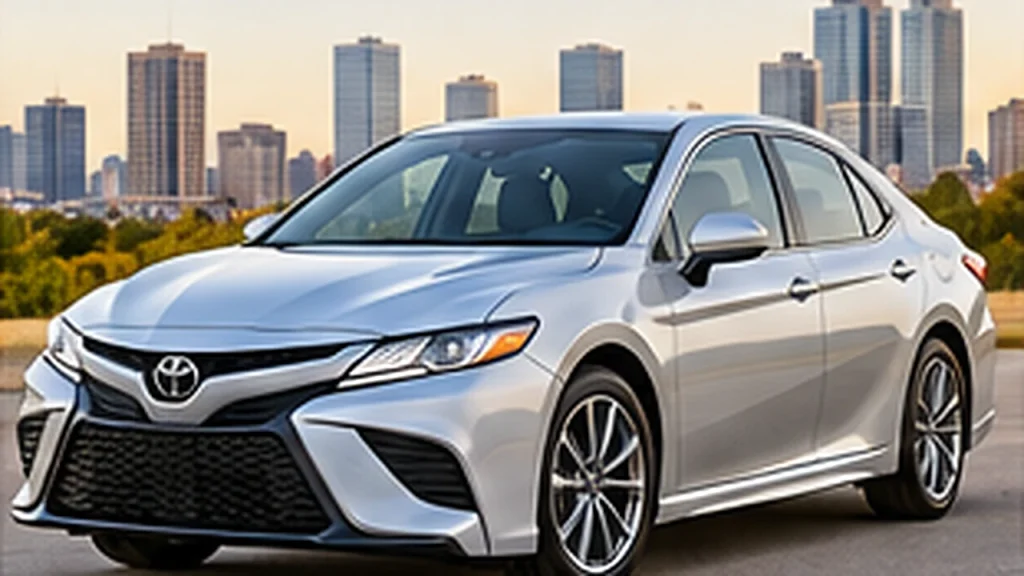
A sedan typically has four doors, a fixed roof, and a separate enclosed trunk. Traditional three-box proportions distinguish the engine compartment, passenger cabin, and cargo space. Sedans are often a sensible option for daily commuting and highway travel.
Examples: Toyota Camry, Honda Accord, Hyundai Elantra, BMW 3 Series.
Best for: Daily commuting, comfortable highway travel, and drivers who prefer a lower seating position.
Potential limitation: A trunk opening can make tall or bulky objects harder to load.
2. Hatchback: Compact and Versatile
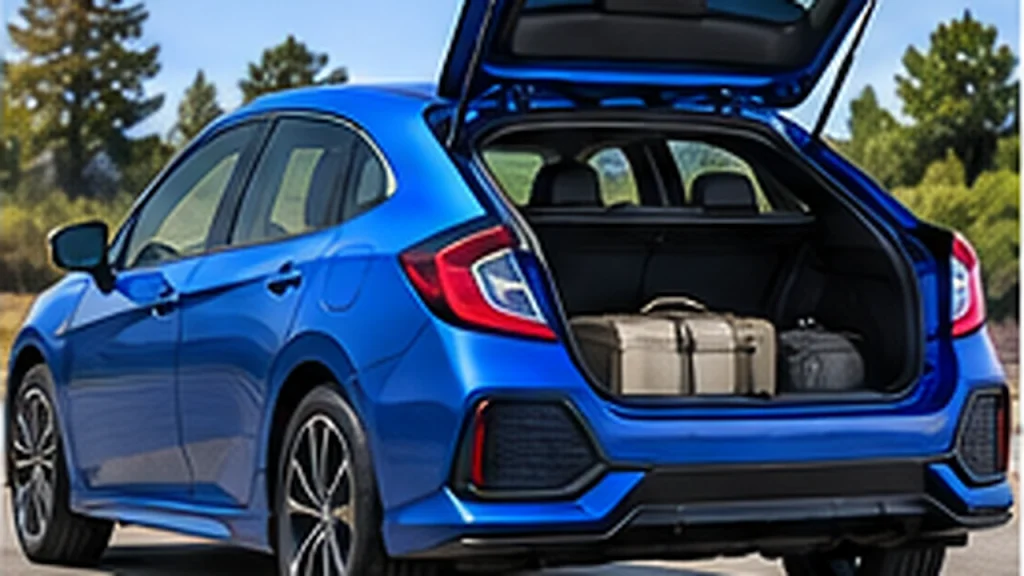
A hatchback uses an upward-opening rear liftgate that provides access to cargo space connected to the passenger compartment. Folding rear seats can give a compact hatchback surprising carrying flexibility.
Examples: Honda Civic Hatchback, Mazda3 Hatchback, Volkswagen Golf GTI, Toyota Prius.
Best for: City driving, parking in tighter spaces, and flexible everyday cargo.
Potential limitation: Compact models may provide less rear-passenger and cargo space than larger vehicles.
3. SUV: Sport Utility Vehicle
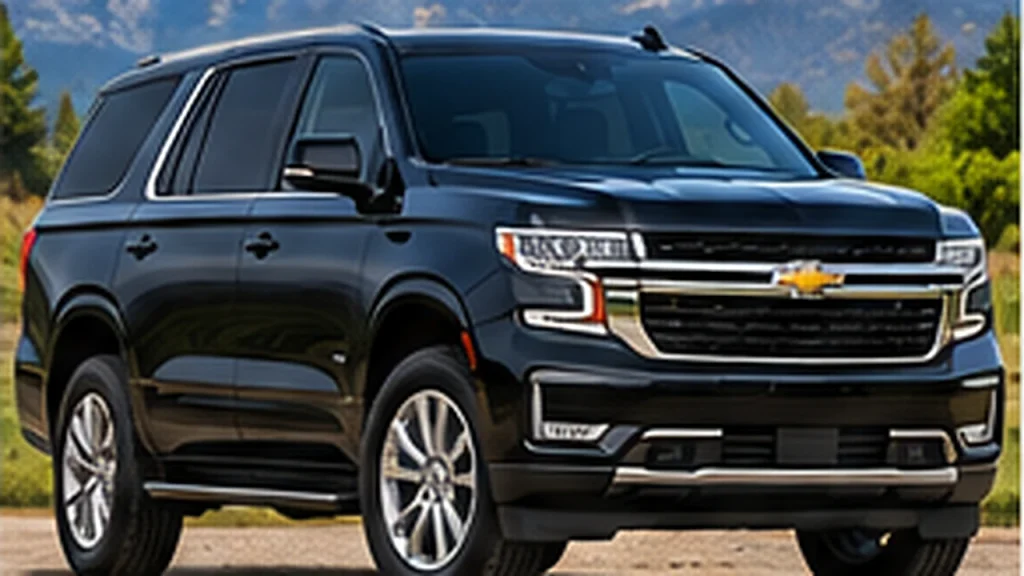
An SUV usually features a tall body and versatile passenger and cargo space. Traditional SUVs often use body-on-frame construction, but many vehicles marketed as SUVs use unibody construction. Capability varies widely by model and equipment.
Examples: Chevrolet Tahoe, Ford Expedition, Toyota 4Runner, Jeep Wrangler.
Best for: Families, recreational travel, and drivers needing a flexible interior or specific towing capability.
Potential limitation: Large SUVs can be harder to park and may use more fuel than smaller alternatives.
4. Crossover: Car-Like SUV Construction
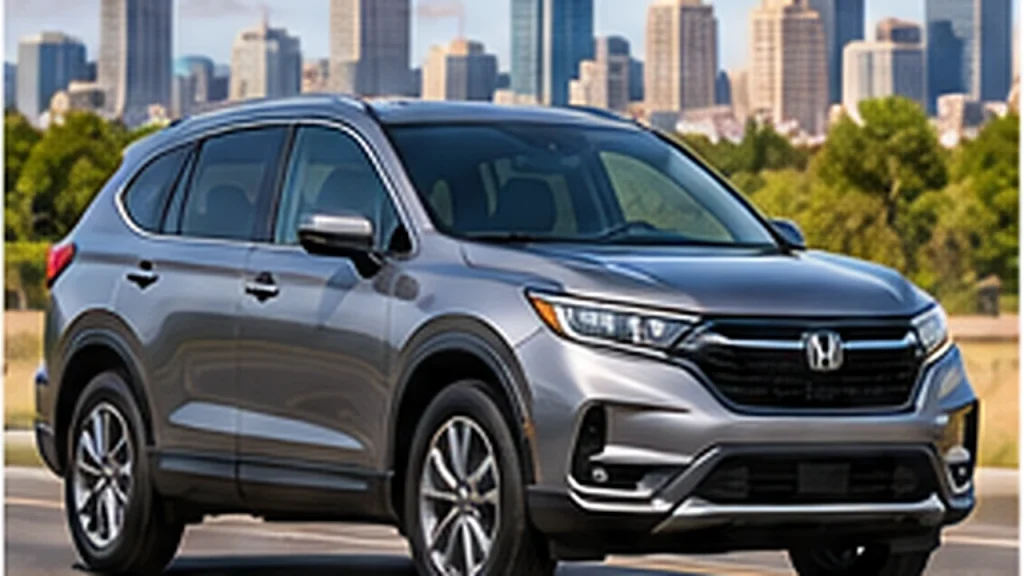
A crossover is generally an SUV-style vehicle built with unibody construction. Many combine a higher seating position and liftgate cargo access with everyday road manners closer to passenger cars. Crossover and SUV terminology often overlaps.
Examples: Honda CR-V, Toyota RAV4, Subaru Forester, Mazda CX-5.
Best for: Daily family transportation, grocery runs, and mixed city and highway driving.
Potential limitation: Many crossovers are not designed for the same demanding towing or off-road work as specialized traditional SUVs.
5. Coupe: Distinctive Two-Door Styling
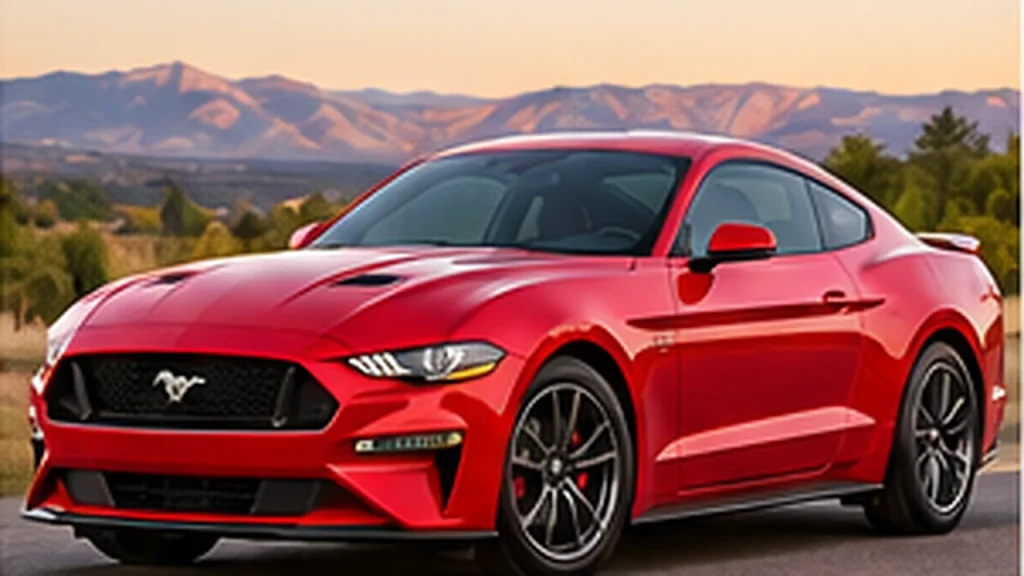
A coupe traditionally has two doors and a fixed roof, often with sportier proportions than a sedan. Some manufacturers also market four-door vehicles with sweeping rooflines as coupes, so the term is not always a strict description of door count.
Examples: Ford Mustang Fastback, Toyota GR86, Subaru BRZ, BMW 2 Series Coupe.
Best for: Drivers who value style and an engaging, personal driving experience.
Potential limitation: Some coupes have limited rear-seat room and more difficult access to the back seats.
6. Convertible: Open-Air Driving
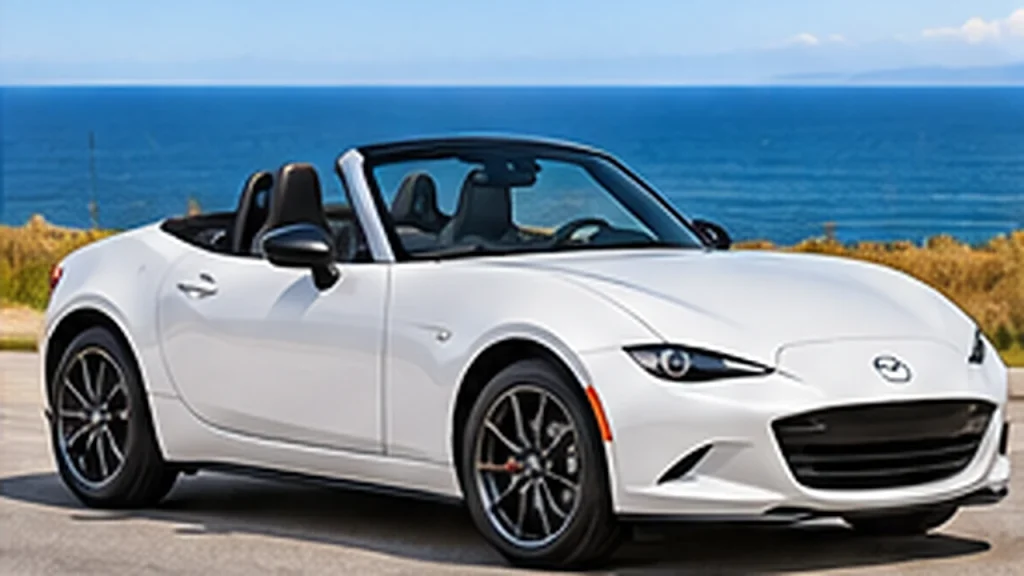
A convertible features a folding, retractable, or removable roof that allows open-air driving. Convertibles include small roadsters and larger grand tourers; roof materials and mechanisms vary.
Examples: Mazda MX-5 Miata, Ford Mustang Convertible, BMW Z4, Porsche 911 Cabriolet.
Best for: Scenic routes, leisure driving, and the open-air experience.
Potential limitation: Roof mechanisms add complexity and some models sacrifice trunk space.
7. Station Wagon: Extended Cargo Space
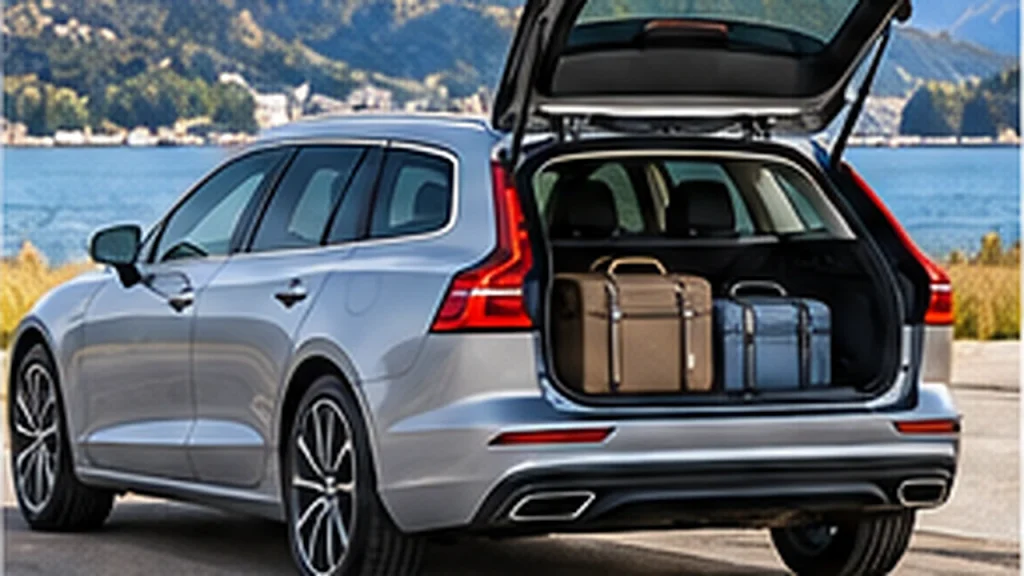
A station wagon typically extends the roof toward the rear of a passenger car to create a longer cargo area reached through a liftgate. It offers useful luggage space without the height of many SUVs.
Examples: Volvo V60, Volvo V90, Audi A6 allroad, Subaru Outback (marketed as a crossover/wagon).
Best for: Road trips and drivers who want car-like handling with useful cargo space.
Potential limitation: Station wagons have a relatively limited selection in the US market.
8. Pickup Truck: Hauling and Utility
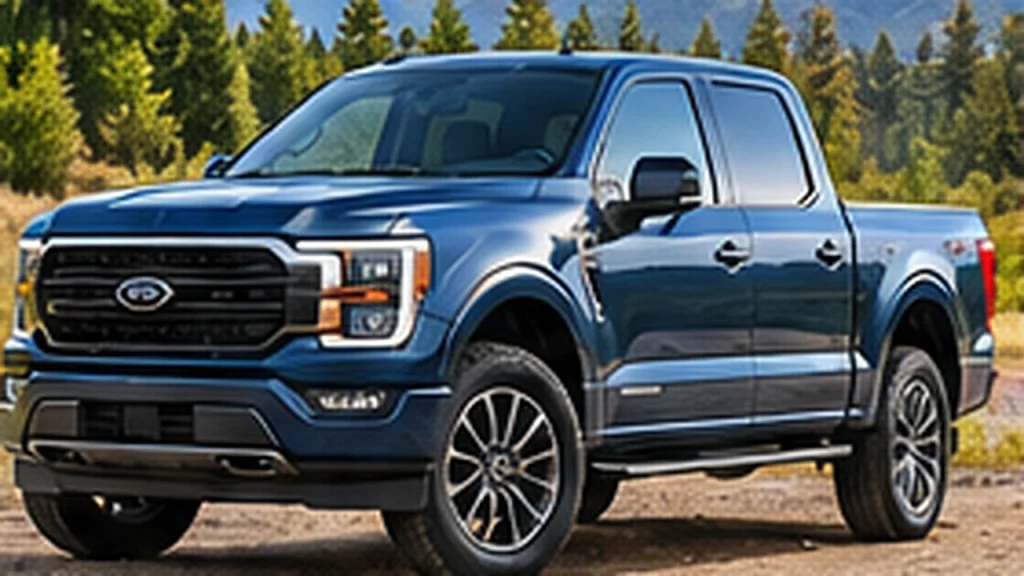
A pickup truck has an enclosed passenger cabin and an open cargo bed. Trucks range from compact to full-size and are used for carrying equipment, towing, recreation, and daily transportation. Payload and towing ratings vary with configuration.
Examples: Ford F-150, Chevrolet Silverado 1500, Toyota Tacoma, Ford Maverick.
Best for: Hauling, outdoor gear, work equipment, and appropriate towing tasks.
Potential limitation: Open beds provide less weather protection, and larger trucks need more parking room.
9. Minivan: Designed for Passenger Convenience
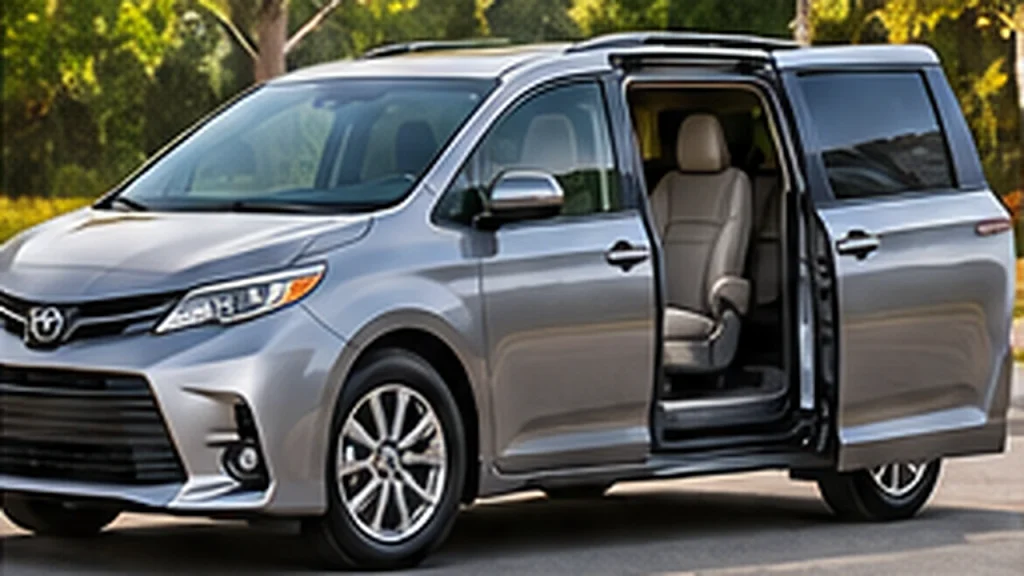
A minivan emphasizes family transportation with a roomy cabin, flexible seating, and commonly sliding side doors. Its lower loading height can make access to rear seats and cargo easier.
Examples: Toyota Sienna, Honda Odyssey, Chrysler Pacifica, Kia Carnival.
Best for: Families with multiple passengers, strollers, luggage, or frequent child-seat use.
Potential limitation: Minivans are fairly large and do not usually prioritize specialized off-road performance.
10. Sports Car: Performance-Focused Driving
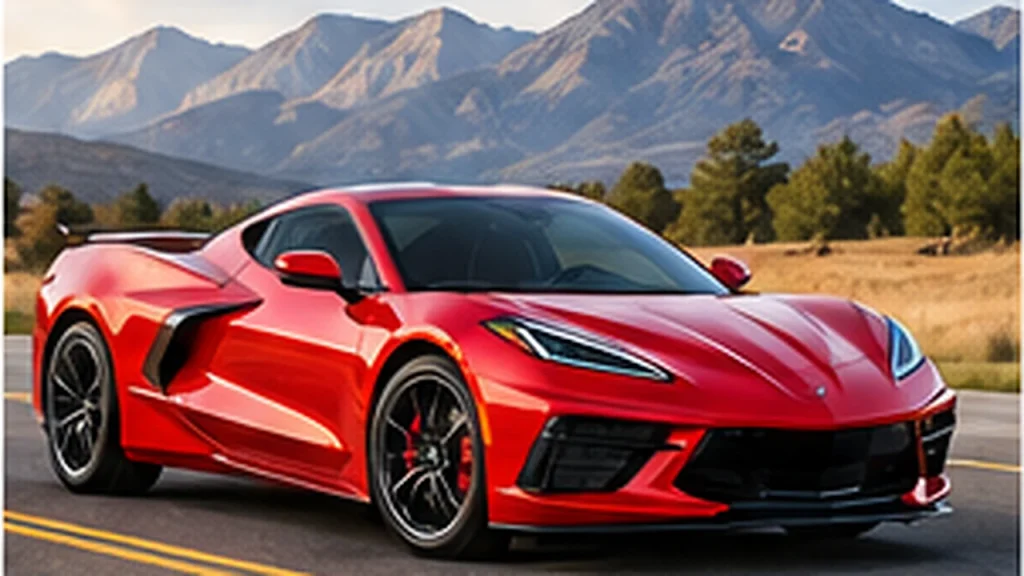
A sports car emphasizes handling, responsiveness, and driving involvement rather than describing a single body shape. Sports cars may also be coupes or convertibles.
Examples: Chevrolet Corvette, Porsche 911, Toyota GR Supra, Mazda MX-5 Miata.
Best for: Enthusiasts seeking steering feel, handling, and driving engagement.
Potential limitation: Many have limited cargo capacity and higher tire, insurance, or maintenance costs.
Car Body Styles Comparison Chart
Use this quick chart as a starting point. Real-world capabilities differ by model, model year, equipment, and configuration.
| Type | Defining characteristic | Typical use |
|---|---|---|
| Sedan | Separate trunk | Daily commute |
| Hatchback | Rear liftgate | City driving and errands |
| SUV | Tall utility body | Versatile family travel |
| Crossover | Unibody SUV-style layout | Mixed everyday driving |
| Coupe | Traditionally two-door fixed roof | Style and personal driving |
| Convertible | Opening roof | Open-air leisure |
| Station Wagon | Extended enclosed cargo area | Travel and luggage |
| Pickup Truck | Open rear cargo bed | Hauling and towing |
| Minivan | Flexible passenger cabin and sliding doors | Family transportation |
| Sports Car | Performance-oriented design | Enthusiast driving |
Other Ways Cars Are Classified
By size: Subcompact, compact, midsize, and full-size describe vehicle dimensions or interior volume; exact definitions depend on the classification system.
By powertrain: Gasoline, diesel, hybrid (HEV), plug-in hybrid (PHEV), and battery electric (BEV) describe how the vehicle is powered, not its body style.
By purpose: Luxury, performance, commercial, off-road, and family-friendly are additional categories that may apply across several body styles.
How to Choose the Right Type of Car
- Start with your driving: City parking, long highway trips, outdoor travel, or work duties call for different strengths.
- Count regular passengers: Check rear-seat space and child-seat access rather than seats on paper alone.
- Bring your cargo: A liftgate opening can matter more than an advertised volume figure.
- Check total cost: Compare insurance, fuel or charging, tires, maintenance, financing, and depreciation.
- Verify safety: Review model-specific crash tests, active-safety features, and visibility.
- Test-drive finalists: Assess parking, comfort, noise, driving position, and road manners on your usual routes.
Which Car Type Is Best for Different Drivers?
Daily commuter
Sedan, hatchback, compact crossover
Large family
Minivan or three-row SUV
Limited parking
Compact hatchback or subcompact
Frequent bulky cargo
Wagon, hatchback, SUV, or van
Hauling or towing
Properly rated pickup or SUV
Driving enthusiast
Sports car or performance coupe
Frequently Asked Questions
How many types of cars are there?
There is no universally agreed single count because body styles and other categories overlap. The most recognizable body styles include sedan, hatchback, coupe, convertible, wagon, SUV, crossover, pickup, and van.
What is the difference between a sedan and a hatchback?
A traditional sedan has a separate trunk. A hatchback has a rear liftgate opening into an interior cargo area, often making bulky items easier to load.
Is a crossover an SUV?
Yes, crossovers are generally considered a subgroup of SUVs. They usually have unibody construction, though marketing labels vary.
Is an electric vehicle a separate body type?
No. Electric describes its powertrain. An electric vehicle can be a sedan, hatchback, SUV, pickup truck, or another body style.
What type of car is best for a family?
Minivans, SUVs, crossovers, and sedans may suit different families. Consider passenger count, child-seat access, luggage, safety ratings, and running costs.
Which car type uses the least fuel?
Fuel consumption depends on the specific engine or hybrid system, vehicle size, tires, driving conditions, and configuration. Compare official ratings for individual models.
Final Thoughts
Knowing the different types of cars helps you separate true body-style differences from marketing terminology. Use body style to narrow your search, then compare individual vehicles for space, real-world usability, safety, energy costs, reliability information, and total ownership expense. There is no single best type for every driver.