Everything you need to know before installing aftermarket wheels — written by certified tire professionals.
What Are Hub Centric Rings?
Hub centric rings are small circular spacers — typically made from plastic or aluminum — that fill the gap between your vehicle’s hub and the center bore of an aftermarket wheel. They create a snug, precise fit that centers the wheel perfectly on the hub.
Most OEM (factory) wheels are designed with a center bore that exactly matches the vehicle’s hub diameter. When you switch to aftermarket wheels, the center bore is often larger to fit multiple vehicles. That’s where hub centric rings come in — they bridge that size difference.

Think of them like an adapter ring: the outer diameter matches your wheel’s center bore, and the inner diameter matches your vehicle’s hub. The result is a vibration-free, perfectly centered wheel.
Why Hub Centric Rings Matter
Without hub centric rings, your aftermarket wheels rely solely on the lug nuts to center themselves. While technically possible, this lug-centric mounting creates several potential issues:
- Eliminates steering wheel vibration caused by wheels being slightly off-center
- Reduces stress on wheel studs and lug nuts by supporting the vehicle’s weight through the hub
- Makes wheel installation faster and easier — the wheel practically guides itself into position
- Prevents premature wear on wheel bearings and brake components
Hub Centric vs Lug Centric Wheels
Understanding the difference between these two mounting systems is key to knowing whether you need hub centric rings.
| Feature | Hub Centric | Lug Centric |
|---|---|---|
| Centering method | Center bore matches hub | Lug nuts center the wheel |
| Vibration risk | Low | Higher |
| Installation ease | Easier — self-centering | Requires careful torquing |
| OEM standard | Yes — most manufacturers | Rare on factory setups |
| Aftermarket wheels | With hub centric rings | Default without rings |
Do You Need Hub Centric Rings?
The short answer: if you have aftermarket wheels and there’s a gap between the wheel’s center bore and your vehicle’s hub, yes — you should use hub centric rings. They’re inexpensive, easy to install, and solve real problems.
Pro Tip: If your aftermarket wheels came with hub centric rings included, always install them. The wheel manufacturer included them for a reason — proper centering and vibration elimination.
The only situation where you don’t need them is if your aftermarket wheels were specifically machined to match your exact hub diameter (hub-centric by design) — which is uncommon unless you ordered custom wheels.
How to Measure the Correct Hub Centric Ring Size
Getting the right size is critical. You need two measurements: your vehicle’s hub diameter (the outer diameter of the ring) and your wheel’s center bore (the inner diameter of the ring).
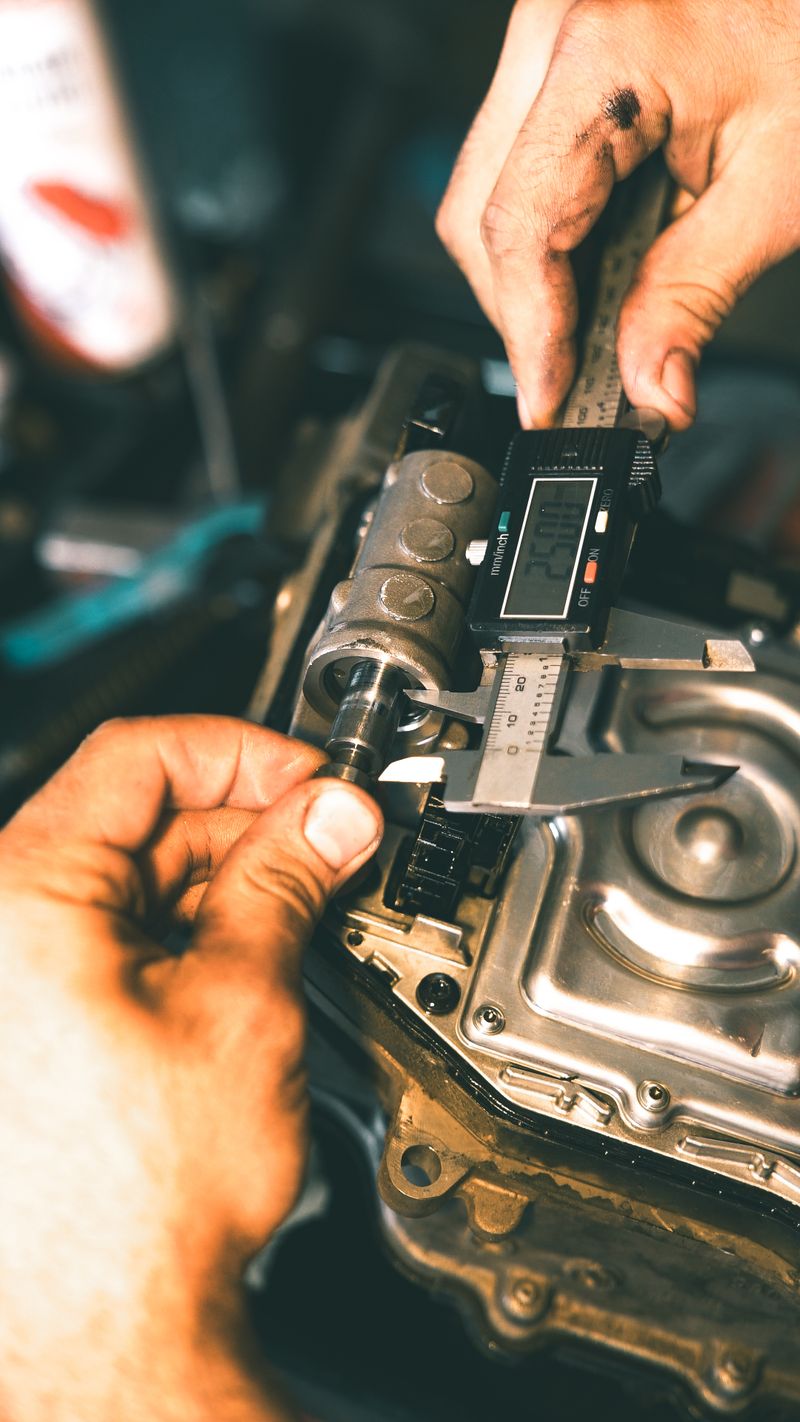
- Measure your vehicle’s hub diameter using a caliper. This is the raised circular lip on the brake rotor or hub assembly. Common sizes: 56.1mm (Honda), 57.1mm (VW/Audi), 73.1mm (many trucks).
- Check your wheel’s center bore. This is usually stamped on the back of the wheel or listed in the manufacturer’s specs. Aftermarket wheels commonly use 73.1mm as a universal bore size.
- Your hub centric ring size is expressed as: Wheel Bore → Hub Diameter. For example: 73.1mm to 56.1mm means the ring’s outer diameter is 73.1mm and inner diameter is 56.1mm.
- Verify the fit. The ring should slide onto the hub snugly (not loose, not forced) and the wheel should slide over the ring smoothly.
When in doubt, consult your wheel manufacturer’s fitment guide or bring your vehicle to a professional tire shop for measurement.
Plastic vs Aluminum Hub Centric Rings
Both materials work well, but they have different strengths depending on your driving conditions and budget.
Polycarbonate (Plastic)
Affordable, lightweight, and resistant to corrosion. Won’t seize onto the hub over time, making wheel removal easy. Ideal for daily drivers and moderate climates. May degrade under extreme heat in heavy-duty or racing applications.
Aluminum (Metal)
More durable and heat-resistant. Better for high-performance vehicles, trucks, or track use. Can corrode over time and may seize — apply anti-seize compound during installation. Higher cost but longer lifespan.
Signs You Need Hub Centric Rings
- Steering wheel vibration at highway speeds (60–80 mph) that wasn’t present with your factory wheels
- A visible gap between the wheel’s center bore and the hub when the wheel is mounted
- Wheels that feel loose or shift slightly during installation before lug nuts are fully tightened
- Vibration persists even after professional wheel balancing
- You recently installed aftermarket wheels and the ride quality has noticeably decreased
How to Install Hub Centric Rings
Installation takes less than a minute per wheel. No special tools required — just clean hands and the correct ring size.

- Remove the wheel from the vehicle. Clean any dirt, rust, or debris from the hub surface.
- Slide the hub centric ring onto the vehicle’s hub. It should fit snugly over the hub lip.
- Place the wheel over the hub and ring. The wheel’s center bore should slide smoothly over the ring.
- Hand-thread the lug nuts in a star pattern to ensure even seating.
- Torque lug nuts to your vehicle manufacturer’s specification using a torque wrench. Never use an impact gun for final torque.
Common Mistakes to Avoid
- Buying the wrong size — always measure both the hub diameter AND wheel center bore before ordering
- Forcing a ring that doesn’t fit — if it requires significant force, the size is wrong
- Skipping anti-seize on aluminum rings — corrosion can make future wheel removal extremely difficult
- Assuming balanced wheels don’t need rings — wheel balance and hub centering are two separate issues
Frequently Asked Questions
Can I drive without hub centric rings?
Technically yes — the lug nuts will hold the wheel in place. However, you may experience vibration, uneven tire wear, and additional stress on wheel studs. For safety and comfort, hub centric rings are strongly recommended whenever there’s a gap between hub and wheel bore.
Are OEM wheels hub centric?
Yes. Factory wheels are machined to match your vehicle’s exact hub diameter, making them hub centric by design. No additional rings are needed for OEM wheels.
Can hub centric rings fall out while driving?
No. Once the wheel is mounted, the ring is trapped between the hub and the wheel’s center bore. It physically cannot fall out while the wheel is bolted on. If a ring falls out during tire changes, simply reinstall it.
Can I reuse hub centric rings?
Yes, as long as they aren’t cracked, warped, or damaged. Plastic rings can become brittle over time, especially in extreme heat. Inspect them during tire rotations and replace if they show signs of wear.
Will hub centric rings fix my wheel vibration?
If the vibration is caused by off-center wheel mounting (common with aftermarket wheels), yes — hub centric rings will likely solve it. However, vibration can also be caused by unbalanced tires, bent wheels, or worn suspension components. If rings don’t fix it, have a professional diagnose the issue.
Final Verdict
Hub centric rings are one of the most affordable and effective upgrades you can make when running aftermarket wheels. For under $20, they eliminate vibration, protect your wheel bearings, and ensure proper wheel centering every time you mount your wheels.
Our recommendation: If you’re running aftermarket wheels, install hub centric rings. They cost almost nothing, take seconds to install, and solve real-world problems. There’s simply no reason to skip them.
Also read wheel fitment and alignment issues