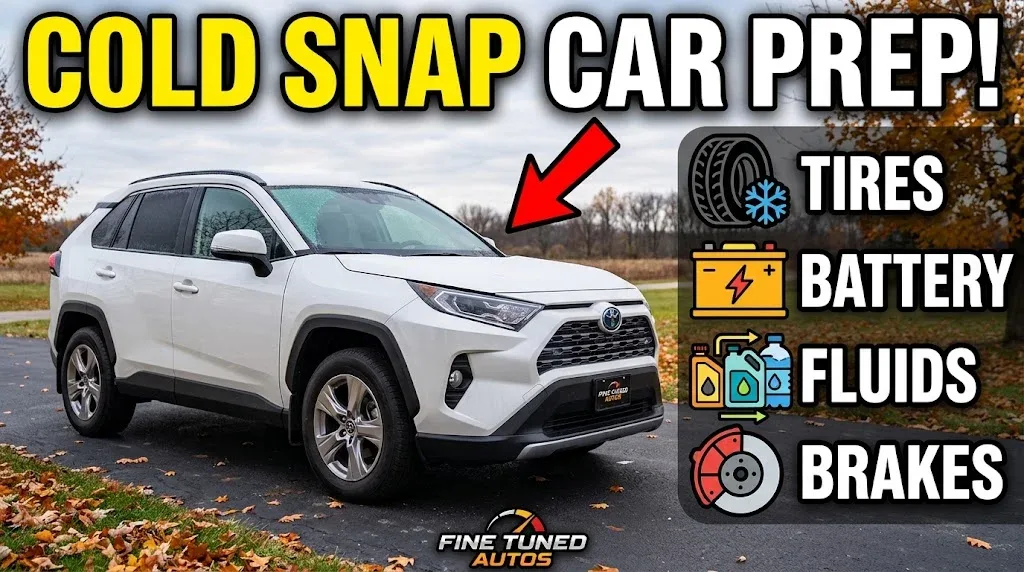
You know that moment on a freezing morning when the car suddenly feels different? The engine drags a bit before it starts; a tire pressure light glows on the dash, or the heater and defroster seem half asleep. It’s never a great time for it. You’re probably rushing to work or an early appointment.
Before the weather gets really cold, use a car maintenance checklist to look for the basics. You may find a weak battery, worn tires, low fluids or a brake problem before it turns into a bigger headache. Good fall car maintenance is really about staying ahead of those problems. What you want is to find the things that might turn into bigger headaches once winter settles in.
For drivers who need professional help, an auto repair shop in Toronto can inspect the vehicle’s key systems and identify issues that may become more serious in freezing conditions. Getting these problems checked early can help you avoid an unexpected repair when you need your vehicle most.
Check Your Tires Before the Roads Turn Icy
Tires deserve first place on the list. They’re the only contact your vehicle has with the road, and if you wait for the first snowfall, you’ll likely end up rushing.
Begin with the tread. Cracks, bulges, bald spots, missing pieces and uneven wear all mean a tire needs a closer look, and if your vehicle carries a spare, look at that one too.
Winter tire preparation begins before the tires are installed. Look for enough tread, cracks and other damage first. Winter tires stay flexible when it’s cold. All-season rubber goes harder as the temperature drops. With four matching winter tires, the handling feels more consistent.
Your winter tire inspection should also include the valves and valve caps. A tire that keeps losing pressure might have a slow leak, a damaged valve or a puncture.
Then there’s pressure itself. Cold air lowers it, which is why you should check tire pressure in cold weather, preferably when the tires haven’t been driven for a while. Go by the manufacturer’s recommended number.
Give the Battery and Starting System Some Attention
A battery can look perfectly healthy one day and then give up on the next very cold morning. Cold weather makes starting harder for any battery, and an ageing one has the toughest time.
When you do a car battery inspection, check the terminals for corrosion, then look at the cables and the case for damage or swelling. Slow cranking, clicking, dim lights or needing repeated boosts? That’s your warning.
How old the battery is helps, sure, but it doesn’t say everything. A proper test is the only way to know if it still has enough starting capacity. Batteries work harder in cold temperatures, and an older battery is more likely to fail.
Car battery winter preparation doesn’t have to mean buying a new one. A battery that tests well, with secure connections, may only need monitoring. If you’re seeing starting symptoms, get the charging system checked as well. An alternator or starter problem can pretend to be a battery problem.
Make Sure the Fluids Are Ready for Lower Temperatures
Check car fluids before winter arrives and make sure the engine oil, coolant, brake fluid and windshield washer fluid are all at the right levels. Each one helps protect important components while temperatures change.
Your oil and fluid checks should include levels, and leaks too. If your vehicle keeps losing fluid, topping it up again and again only covers up the real problem.
Consider a winter oil change when the vehicle is due for service, or when the manufacturer recommends a specific oil grade for colder conditions. If you’re looking for an oil change service in Toronto, a technician can also check the oil level, condition and look for signs of leaks while servicing the vehicle. Still, don’t buy oil because the word “winter” is on the container. The right viscosity and specification come from your vehicle and the manufacturer’s requirements.
Coolant is the fluid to watch most when it gets very cold. See how much is in there and what condition it’s in, then confirm the mixture meets the manufacturer’s requirements. Washer fluid should be rated for freezing conditions.
If you can’t tell which fluids you need, the owner’s manual is the place to look.
Do Not Ignore Brake Noise or Changes in Pedal Feel
Brakes matter in every season. Winter just makes any weakness easier to notice, since snow, ice and slush reduce traction and the whole braking system has to do its job.
So listen. Squealing, grinding, vibration or the car pulling to one side are all worth noticing. So is a pedal that feels unusually soft. If the pedal doesn’t feel like it normally does, don’t ignore it.
Pads are only one piece. Rotors, calipers, brake fluid and other components also affect how well you stop, and looking through the wheel quickly won’t reveal if the entire system is in good condition.
A brake inspection before winter helps most when you’ve already noticed noise, vibration or a change in stopping performance. A brake inspection is important when you notice a change in the brake feel or hear squealing or grinding.
Check the Electrical System, Lights and Winter Essentials
Modern vehicles use their electrical systems for far more than starting up. Lights, sensors, controls, and plenty of other equipment depend on electrical power.
Flickering lights, warning messages that keep returning, or starting problems are good reasons for a car electrical system inspection. Take the chance to check the headlights, brake lights, turn signals and hazard lights too.
Test the heater and defroster before you really need them. Make sure the heater blows warm air and the defroster can clear the windshield properly. You need a clear view when driving in winter.
Wipers count as well. When they streak or don’t make good contact, snow, salt and spray on the windshield make things worse. Keep suitable washer fluid in the reservoir.
If several electrical symptoms appear together, professional diagnostics can help. A battery, alternator, starter, wiring fault or something else can cause similar symptoms, and guessing at the cause may waste time and money.
Give the Underside and Body Some Protection
Winter grime doesn’t stay on the body. Salt, slush and moisture gather around the wheel wells and underside, and being exposed like that can contribute to corrosion.
Road salt protection begins with keeping the vehicle reasonably clean while roads are heavily salted. Washing it regularly, including the underside and wheel wells, helps clear away salt and road grime before they sit on exposed surfaces.
Watch for chips, scratches and any place where metal may be showing. The areas behind and underneath the wheels need the most attention. Road salt car protection is simpler when you catch buildup early.
Know What You Can Check Yourself and What Needs a Technician
You don’t have to take everything to a repair shop for a pre-winter vehicle inspection. Lots of basic checks take just minutes.
There are several things you can check yourself, including tire pressure, visible tire damage, exterior lights, washer fluid, wipers, engine oil, leaks, warning lights, and the heater and defroster.
For other things, get professional help. That means battery health and starting problems, brake condition, charging-system concerns, electrical faults and coolant condition. Suspension or steering issues, unusual noises and repeated warning lights should go on that list as well.
Cold weather car preparation gets easier when you know where a basic check stops and a proper diagnosis starts.
Do Not Put Off Small Problems Until the Weather Gets Worse
Some maintenance issues don’t call for a major repair. They need monitoring or routine service. And some issues are better fixed before you have to depend on your car in freezing temperatures.
Say the battery has begun cranking slowly, the brakes grind, a tire keeps losing pressure, there’s a significant fluid leak, or a warning light keeps coming back. Any one of those deserves attention. A small symptom that gets ignored doesn’t necessarily go away.
Winter car care often comes down to timing. If something already feels different, have it checked before an unexpected cold morning turns it into a breakdown.
Winter driving preparation covers a few items for the vehicle too. An ice scraper, snow brush, gloves, flashlight and other useful emergency items should stay in the car.
Your Car Should Be Ready Before You Actually Need It
One last run through before the first serious cold snap. Start with the tires and their pressure, then test the battery. Oil and coolant come next, along with any fluid leaks. Pay attention to brake noise or pedal changes, and test the lights, heater and defroster. Wipers and washer fluid are next, followed by a look for salt buildup, rust or exposed paint damage. Warning lights or unusual symptoms need dealing with, and if something seems wrong, arrange a professional check.
Car maintenance before winter doesn’t have to cost a lot at once. Practical winter car maintenance means catching problems early, following the manufacturer’s schedule and making sure the vehicle is ready for the expected conditions.
Get Your Vehicle Checked Before Winter Makes the Decision for You
Some car problems do not seem serious until the weather turns cold. A weak battery, worn tires, low coolant, worn-out wipers or brake trouble can cause much more trouble once temperatures start falling.
Doing a bit of preparation now makes daily driving easier later. And if a noise, a warning light, a starting issue or any other change in how your vehicle feels has you unsure, a professional assessment can give you a clearer answer than guesswork.
Fine Tuned Autos offers services covering oil changes, brakes, tires, batteries, electrical diagnosis and other vehicle maintenance needs, for drivers who want experienced help with seasonal checks, repairs and diagnostics.