
A plain-English guide to the 8-cylinder engine: how its two banks work, where the power comes from, and whether the trade-offs make sense for your next vehicle.
A V8 engine is an 8-cylinder internal-combustion engine with two banks of four cylinders arranged around a shared crankshaft, usually forming a V shape.
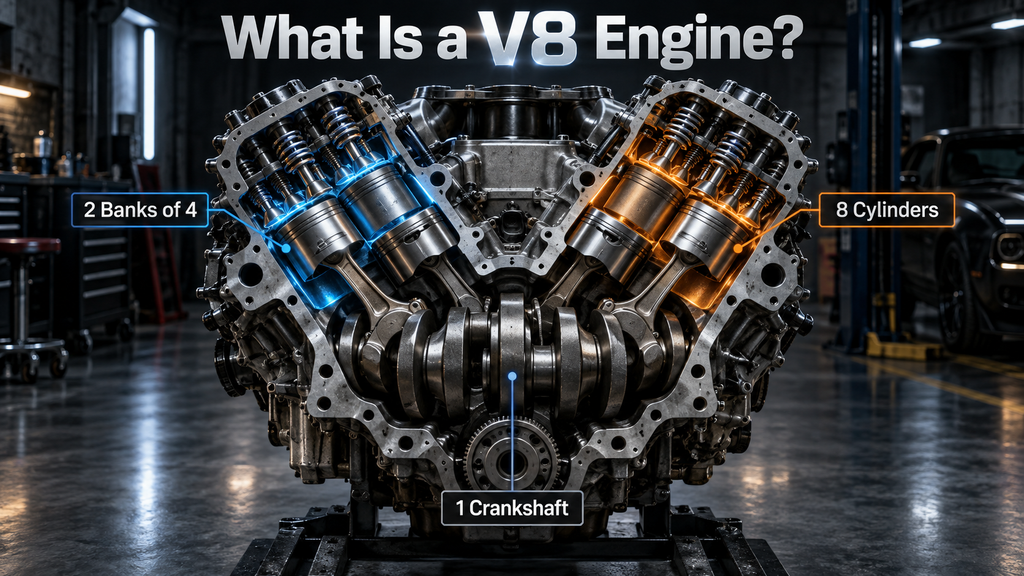
V8 engines are widely associated with muscle cars, luxury vehicles, performance sedans, pickups and large SUVs. Their reputation comes from a useful combination: they can be engineered for strong low- and mid-range torque, substantial horsepower, and a distinctive character that smaller engines often do not replicate.
But a V8 is not automatically faster, tougher or better for every driver. Displacement, turbocharging, vehicle weight, gearing, calibration and intended use all matter. A modern turbocharged four- or six-cylinder can outperform a particular V8, while a carefully matched V8 can still be an excellent choice for heavy loads or sustained performance.
How a V8 engine is laid out
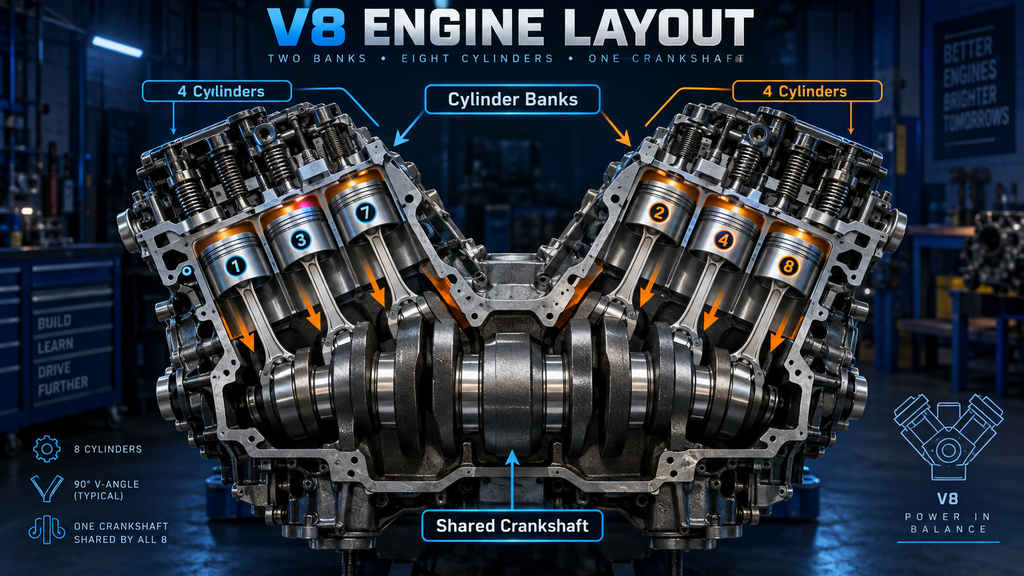
The “V” describes the arrangement of the cylinders, not a performance rating. Instead of placing all eight cylinders in one straight line, a V8 groups them into two cylinder banks. Each bank normally has four cylinders, and both banks connect to one crankshaft at the bottom of the engine.
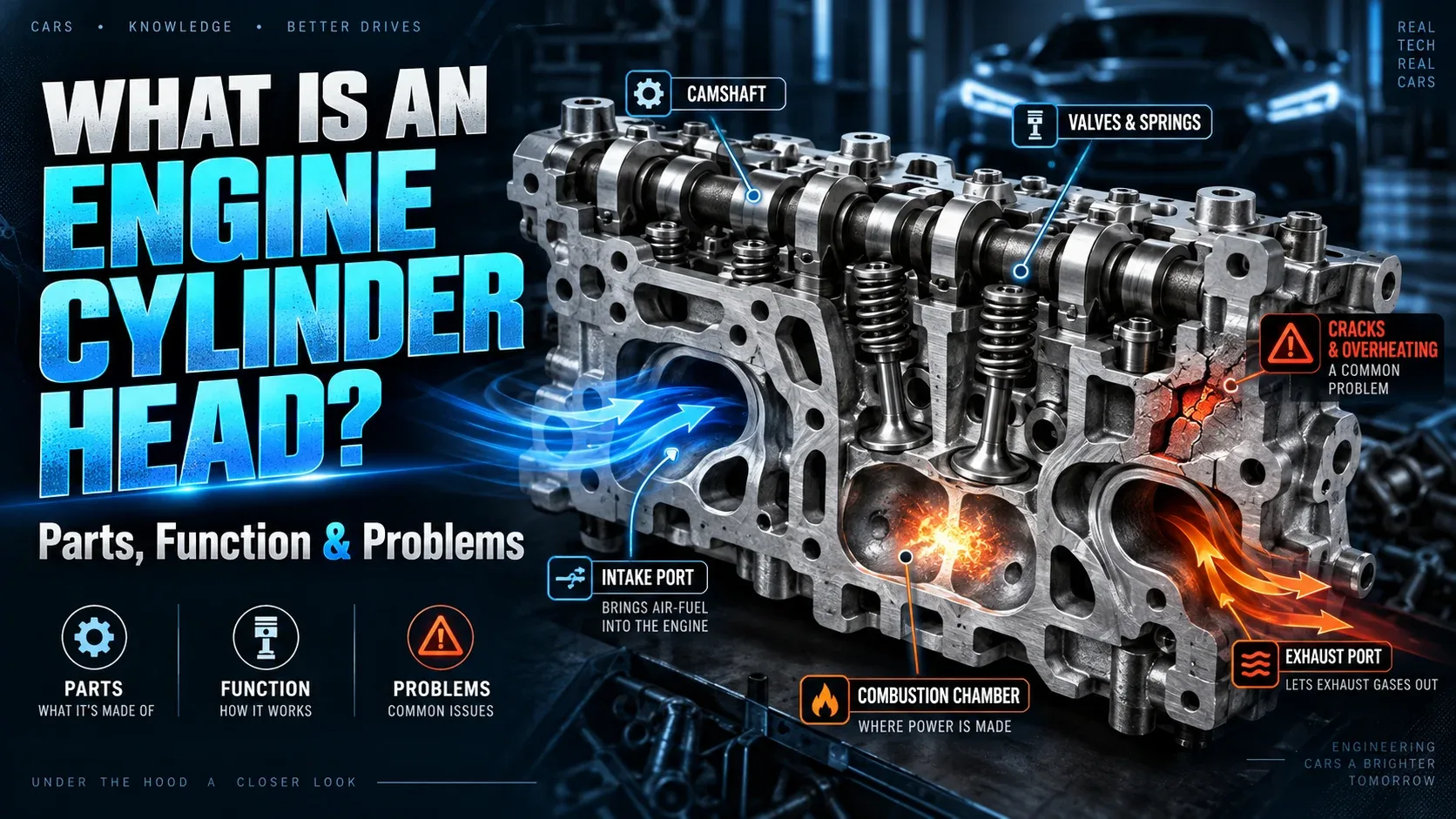
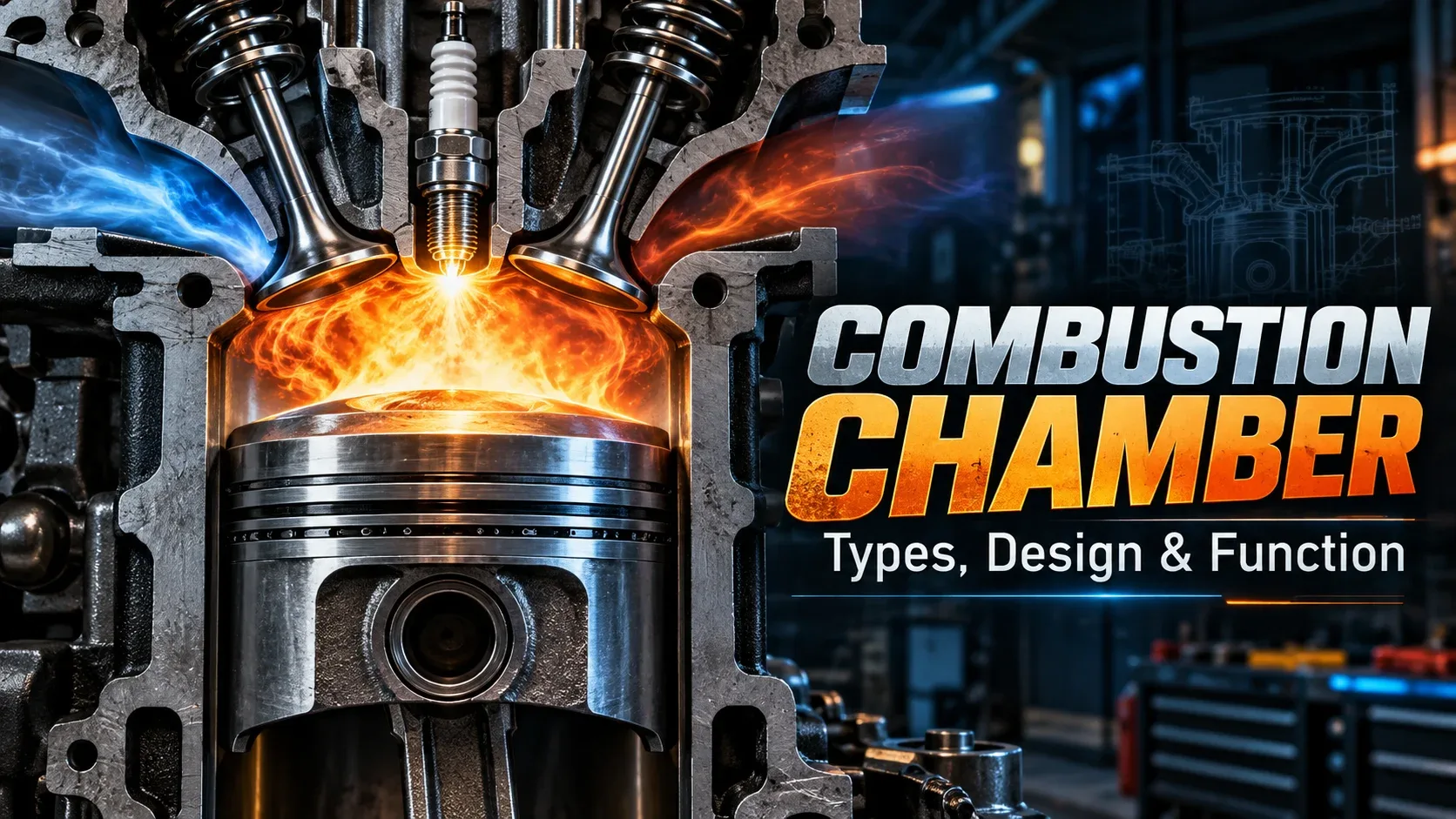
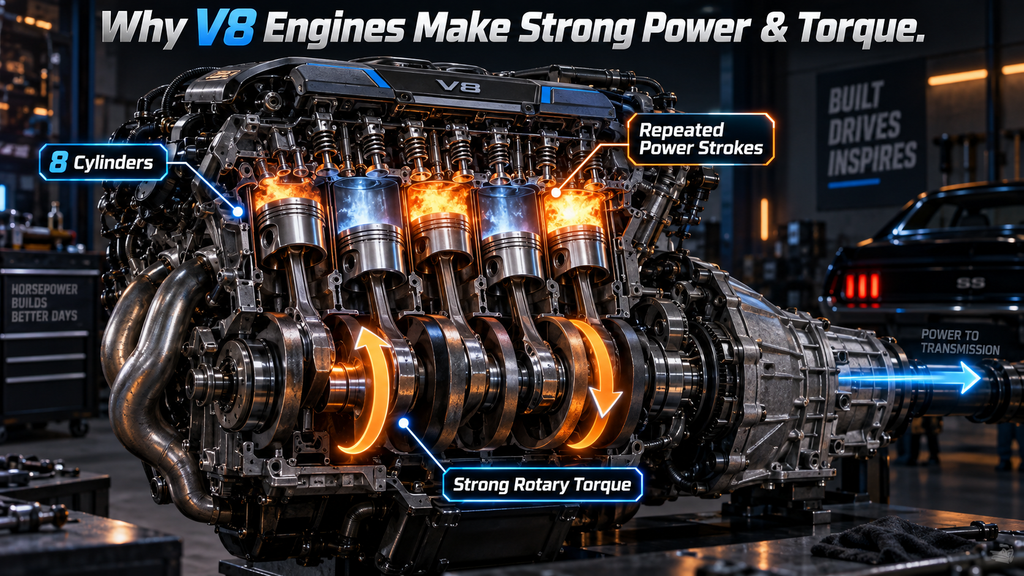
Inside each cylinder, a piston moves up and down through intake, compression, power and exhaust strokes. Timed combustion events push the pistons, and the crankshaft converts that reciprocating motion into rotation that can ultimately drive the wheels through the transmission.
Why V8 engines are known for power and torque
Eight cylinders give engineers more combustion events per engine cycle than a four-cylinder engine. In many V8 applications, the layout is paired with generous displacement, which can help produce strong torque without requiring very high engine speeds. That is useful in vehicles that need confident acceleration, heavy-load capability or relaxed highway performance.
Sound and smoothness: why one V8 can feel unlike another
A V8’s character depends heavily on its crankshaft design and exhaust tuning. Many road-going V8s use a cross-plane crankshaft, which is associated with a deep, uneven exhaust cadence and good everyday refinement. Some high-performance V8s use a flat-plane crankshaft, which can allow a different firing rhythm and a higher-revving feel, often with different vibration and packaging compromises.
Technical note:
Naturally aspirated, turbocharged and supercharged V8s can all deliver very different results. Cylinder count alone cannot tell you how much power an engine makes or how it will respond on the road.
V8 engine benefits and drawbacks
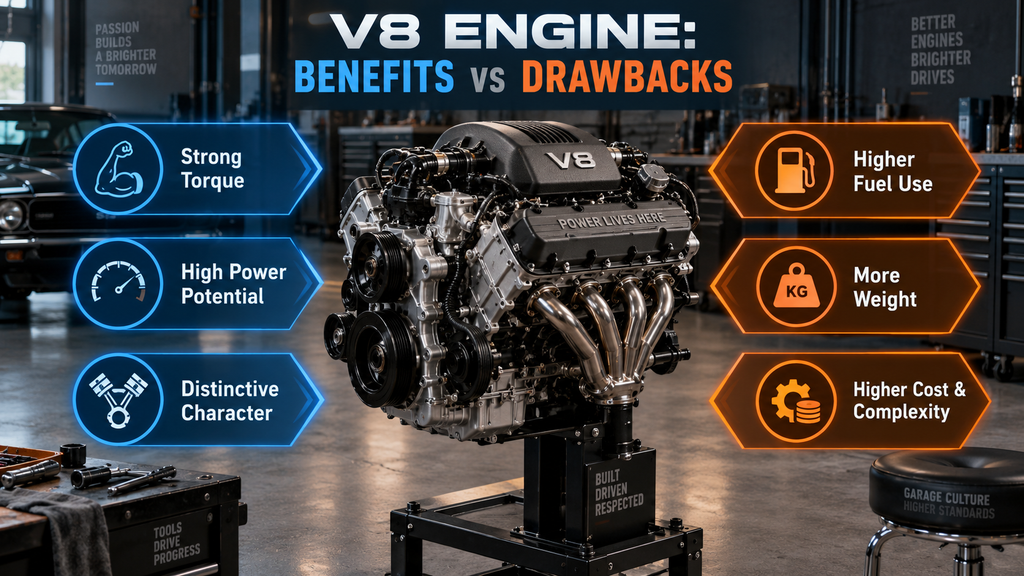
The appeal of a V8 is practical as well as emotional. However, it is best judged in the complete vehicle rather than by its badge alone.
Potential advantages
- Strong torque potential for acceleration, towing and carrying heavy loads.
- High power potential, particularly when paired with large displacement or forced induction.
- A smooth, distinctive driving character that many buyers value.
Potential advantages
- Strong torque potential for acceleration, towing and carrying heavy loads.
- High power potential, particularly when paired with large displacement or forced induction.
- A smooth, distinctive driving character that many buyers value.
Real-world fuel economy, towing ratings and service requirements must be checked against the manufacturer’s specifications for the exact vehicle, model year and configuration you are considering.
V8 vs V6: what changes in real driving?
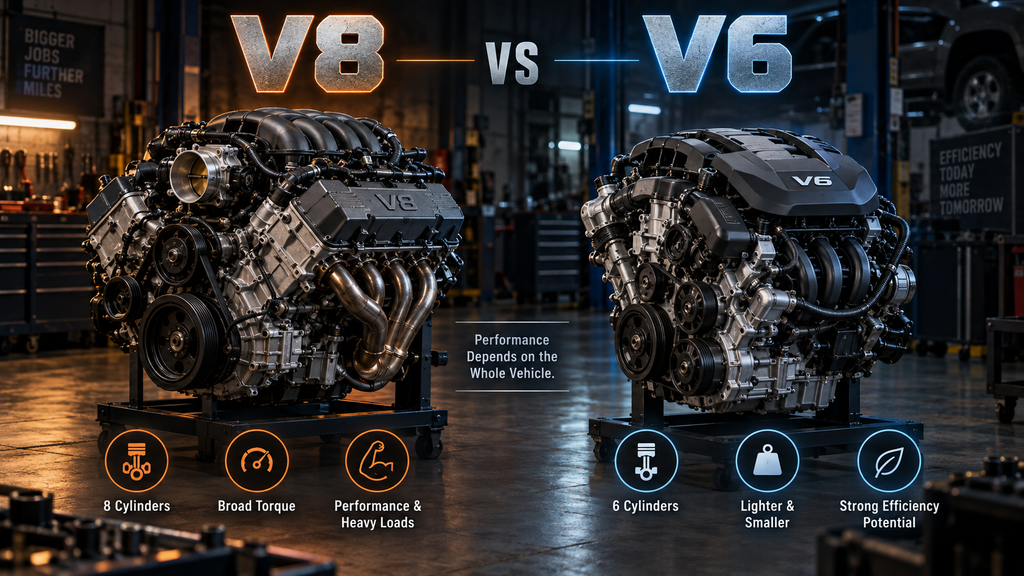
A V6 is not simply a lesser V8. It may be lighter, smaller and more efficient, and modern turbocharged V6 engines can make substantial power. The right choice depends on the task, the vehicle and the way you drive.
Typical V8 strengths
Often selected for broad torque, high-output applications and the character buyers expect in certain trucks, SUVs and performance cars. The trade-off can be greater fuel use and weight.
Typical V6 strengths
Often easier to package and potentially more efficient. Turbocharging can provide strong low-end torque, though response, sound and long-term operating costs vary by design.
Is a V8 engine right for you?
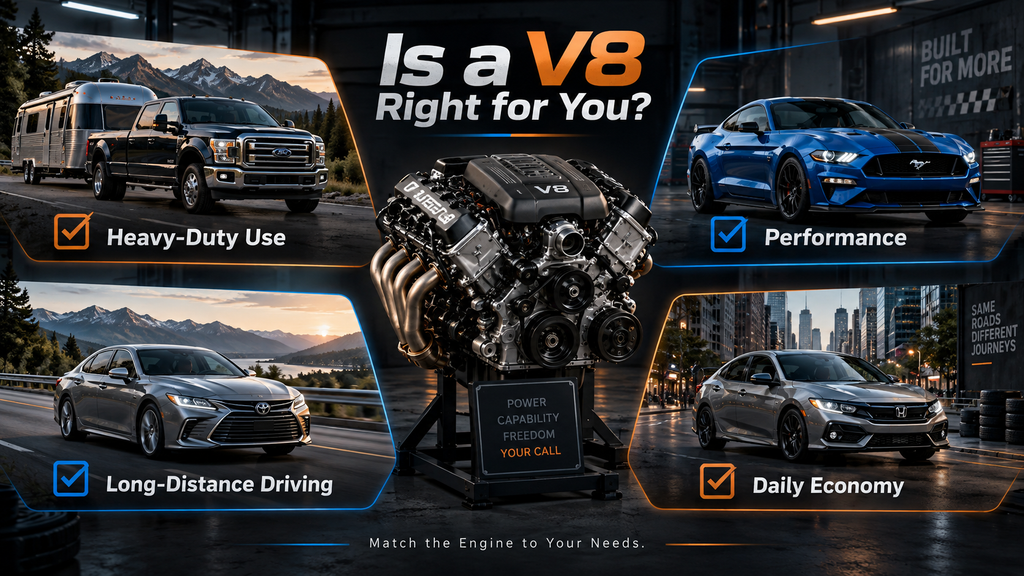
A V8 may be a strong fit if you value naturally aspirated response, frequent heavy-duty use, a particular performance feel or the sound and character of an 8-cylinder engine. It can also make sense when a vehicle’s towing or payload requirements call for the capability offered by a specific V8-equipped configuration.
For commuting, long-distance economy or a lower purchase and running cost, a smaller engine may be the better match. Compare official fuel-economy figures, towing ratings, warranty terms and maintenance schedules for the actual vehicles on your shortlist—not just their engine layouts.
Common V8 engine questions
Is a V8 engine always faster than a V6?
No. Power depends on far more than cylinder count, including displacement, turbocharging or supercharging, tuning, gearing, traction and vehicle weight. A turbocharged V6 can make more power than some V8 engines.
Does an 8-cylinder engine use more fuel?
Often, but not in every situation. A V8 can use more fuel than a comparable smaller engine because of its size and output potential. Actual consumption is affected by the vehicle, gearing, load, road conditions, driving style and technologies such as cylinder deactivation.
Why do some V8 engines sound so different?
Crankshaft design, firing order, intake design and exhaust system tuning all influence the sound. Cross-plane and flat-plane V8s, for example, have different firing characteristics and can create very different exhaust notes.