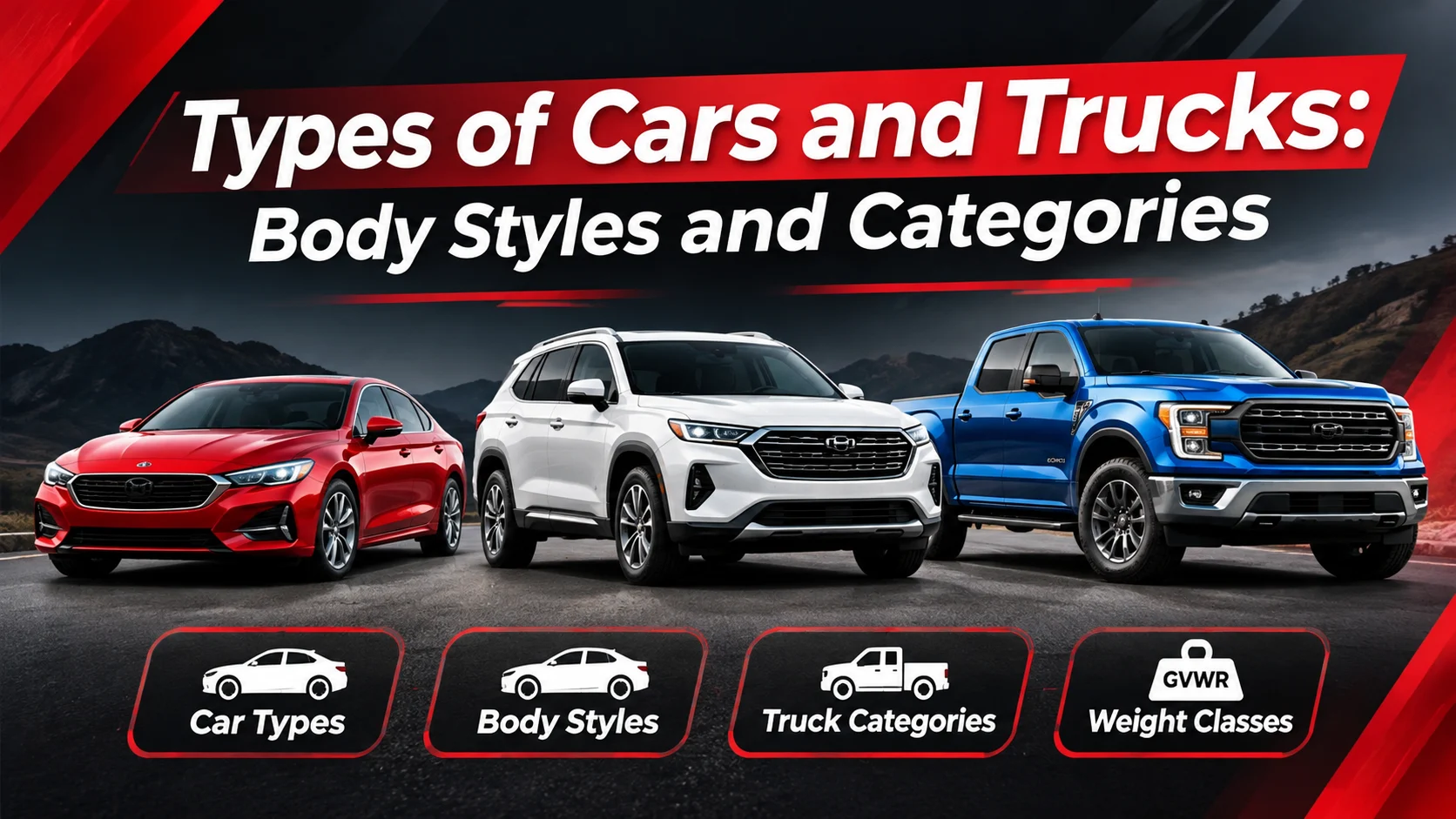
From compact sedans to powerful pickup trucks, vehicles come in different shapes, sizes, and configurations. Understanding the types of cars and trucks makes it easier to compare their features and choose the right vehicle for your daily needs.
Some vehicles are designed for comfortable commuting, while others focus on carrying passengers, transporting cargo, or handling demanding work. This guide explains popular car types, common body styles, and major truck categories with practical examples.
Quick Answer
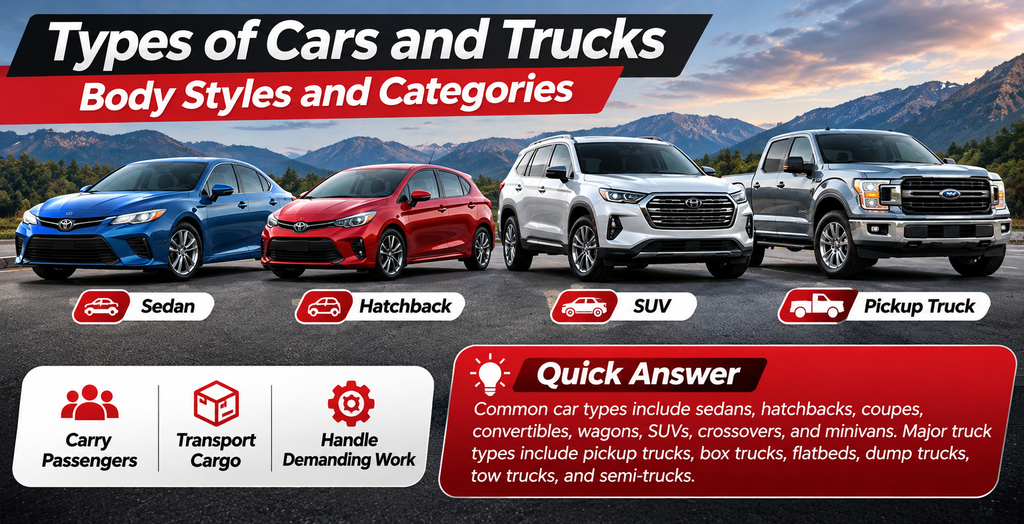
Common types of cars include sedans, hatchbacks, coupes, convertibles, wagons, SUVs, crossovers, and minivans. Major truck types include pickup trucks, box trucks, flatbeds, dump trucks, tow trucks, and semi-trucks. Vehicles can also be classified by size, weight, powertrain, and intended use.
What Are the Different Types of Cars and Trucks?
Cars and trucks are commonly grouped according to their body style, physical size, construction, purpose, and weight rating.
A body style describes the general shape and layout of a vehicle. For example, sedans usually have a separate trunk, hatchbacks have a rear liftgate, and pickup trucks feature an open cargo bed.
Vehicle categories can overlap. An electric car can also be a sedan, SUV, or hatchback. Similarly, a luxury vehicle may use almost any body style.
Important: Body style, vehicle size, drivetrain, and engine technology are different ways of describing a vehicle. They should not be confused with one another.
8 Common Types of Automobile Cars
The following car types are among the most familiar body styles on American roads. Each offers a different combination of passenger space, cargo access, driving characteristics, and practicality.
1. Sedan
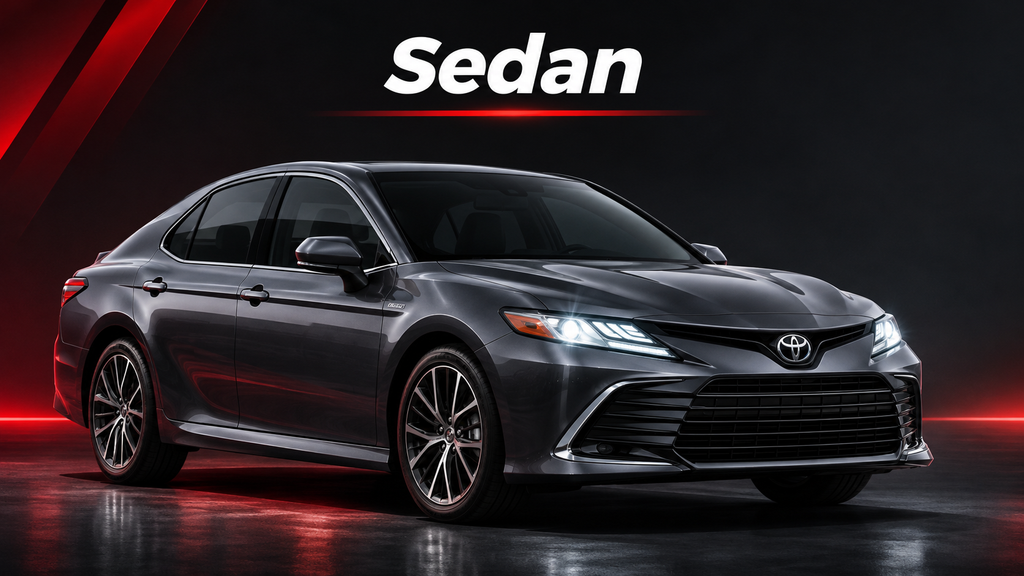
A sedan typically has four side doors, a fixed roof, and a separate trunk. Many sedans provide comfortable seating for five people.
Examples: Toyota Camry and Honda Civic Sedan.Best for: Daily commuting and road trips
2. SUV
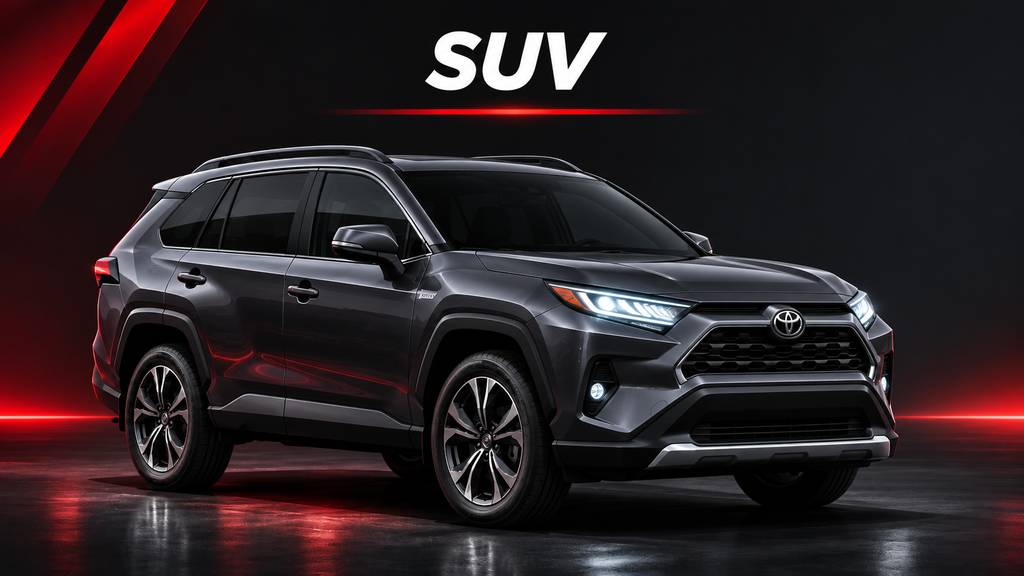
A sport utility vehicle generally has a taller body, versatile cargo space, and available family seating. SUVs vary from small models to large body-on-frame vehicles.
Examples: Chevrolet Tahoe and Toyota 4Runner.Best for: Families and versatile transportation
3. Convertible
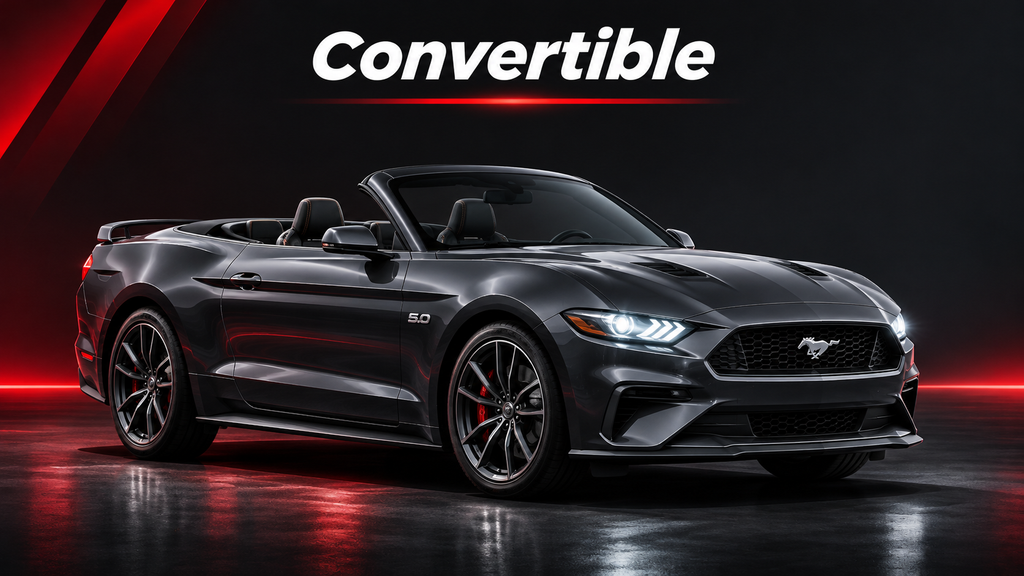
Convertibles feature a roof that can be folded or retracted. They provide open-air driving but may have less luggage space or rear-seat room.
Example: Mazda MX-5 Miata.Best for: Recreational and open-air driving
4. Hatchback
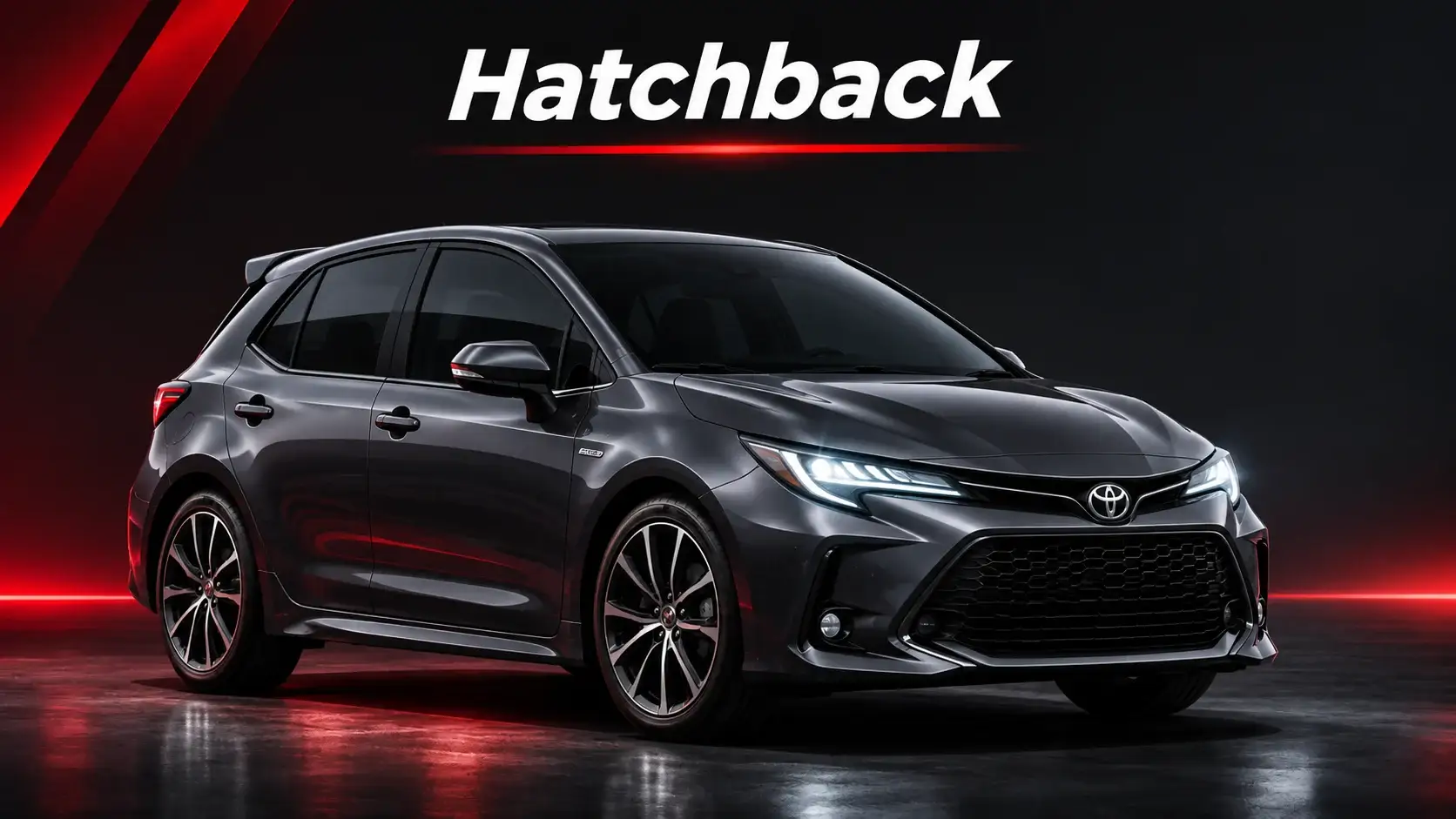
Hatchbacks have a rear door that opens upward, giving access to a cargo area connected to the passenger cabin. Folding rear seats often increase usable storage space.
Example: Honda Civic Hatchback.Best for: City driving and flexible storage
5. Crossover
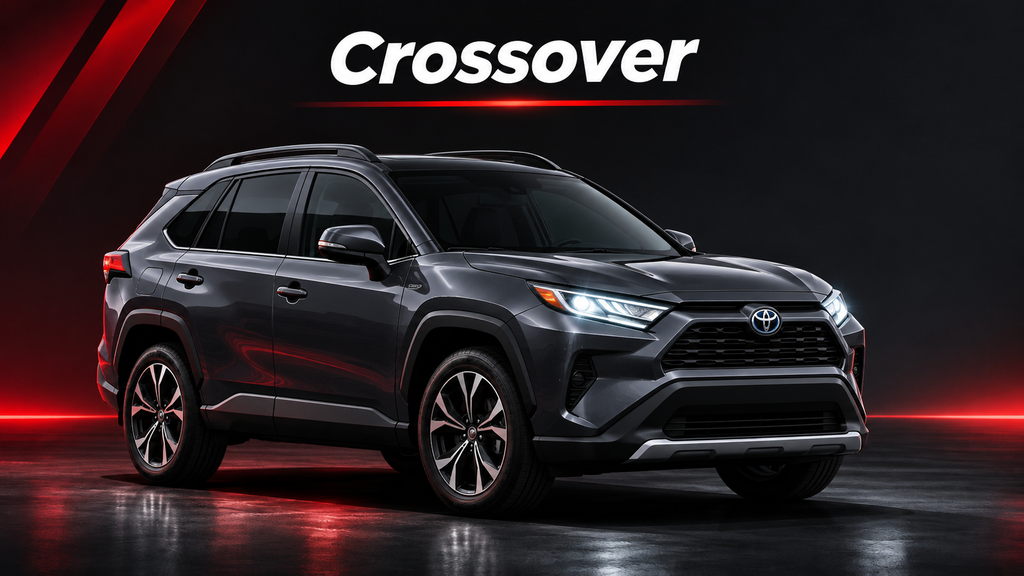
Crossovers combine SUV-like styling with car-like unibody construction. They often emphasize passenger comfort, everyday handling, and practical storage.
Examples: Toyota RAV4 and Honda CR-V.Best for: Everyday family and commuter use
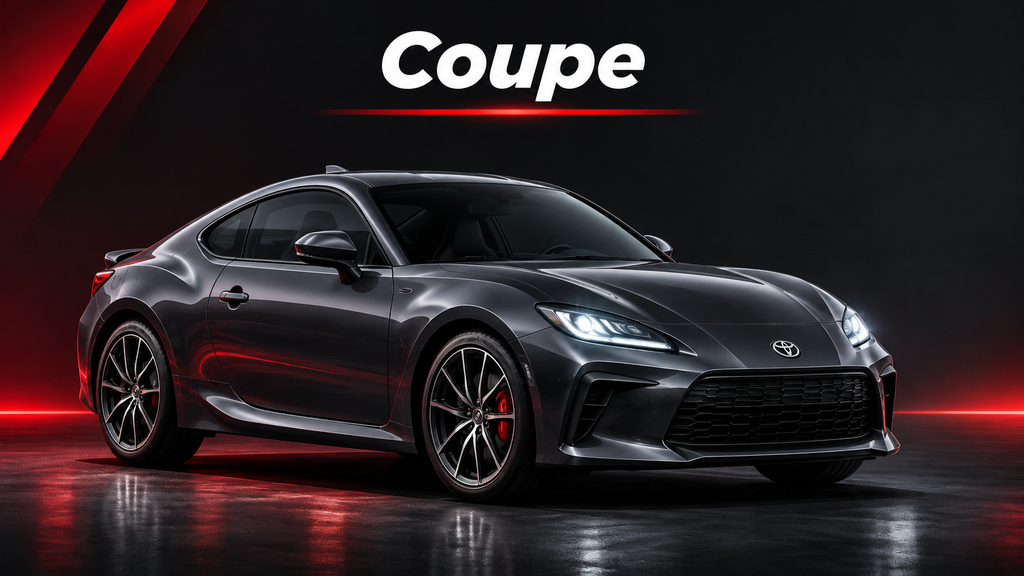
6. Coupe
A traditional coupe has two side doors and a fixed roof, often with a sportier profile than a sedan. Some manufacturers also market four-door vehicles as coupes.
Example: Ford Mustang Fastback.Best for: Sporty styling and personal driving
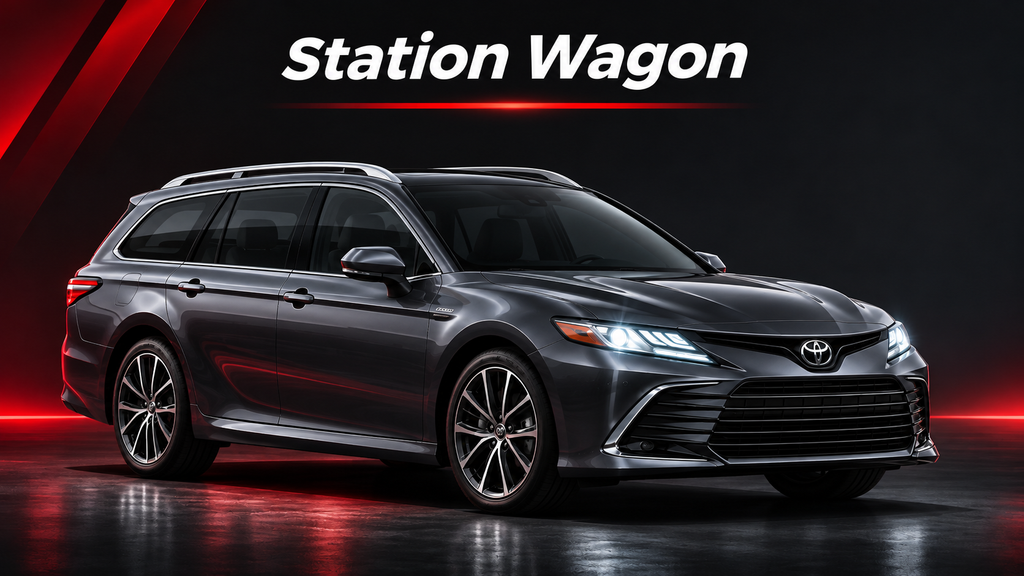
7. Station Wagon
A station wagon has an extended roof and a rear liftgate, offering generous cargo room while maintaining a relatively low passenger-car profile.
Example: Subaru Outback.Best for: Road trips and carrying luggage
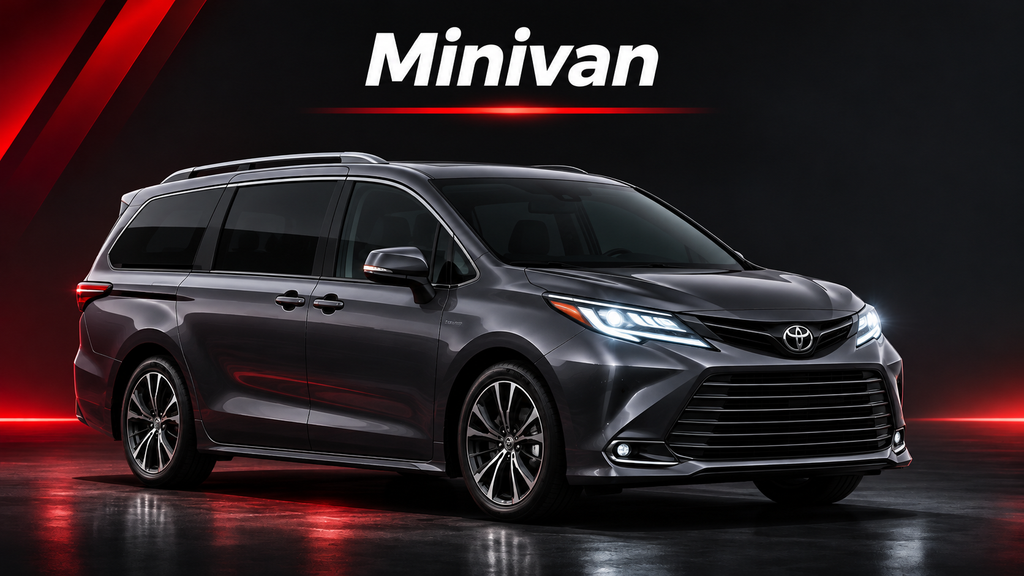
8. Minivan
Minivans are designed to make carrying passengers and luggage convenient. Sliding doors, three-row seating, and flexible interiors are common.
Examples: Honda Odyssey and Toyota Sienna.Best for: Families needing spacious seating
These body styles do not have strictly identical dimensions or equipment. Two vehicles in the same category can differ significantly in seating capacity, cargo space, fuel economy, and driving performance.
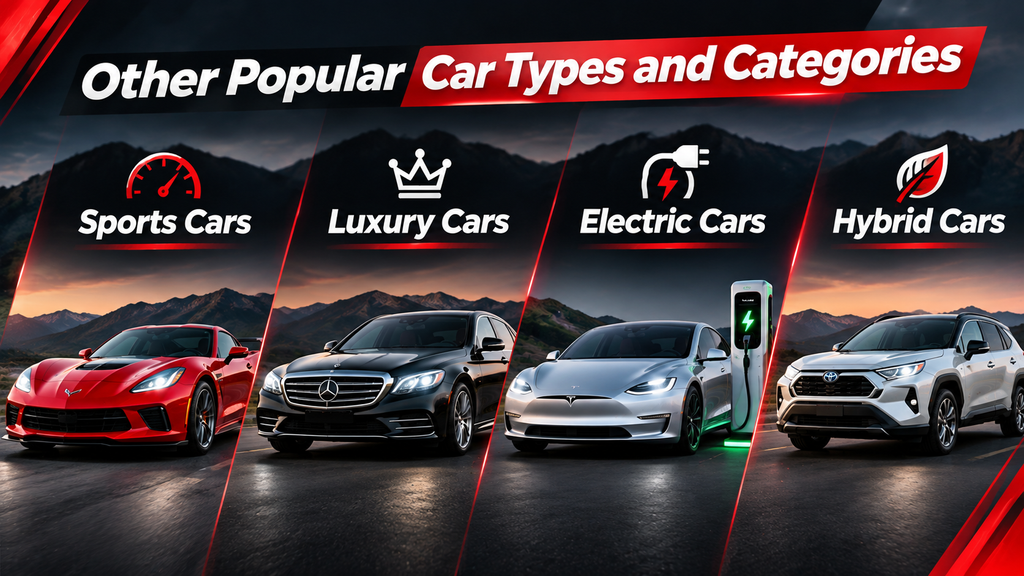
Other Popular Car Types and Categories
Beyond body styles, many vehicles are described according to their performance, equipment, or powertrain technology.
Sports Cars
Sports cars prioritize responsive handling, acceleration, and driver engagement. They may be coupes or convertibles. The Chevrolet Corvette is a familiar example.
Luxury Cars
Luxury vehicles generally emphasize premium materials, comfort features, advanced technology, and refinement. They can be sedans, SUVs, coupes, or other body styles.
Electric Cars
Battery-electric vehicles use electric motors powered by rechargeable battery packs rather than gasoline engines. They are available in several body styles, including sedans, crossovers, and pickup trucks.
Hybrid Cars
Hybrid vehicles combine an internal-combustion engine with an electric drive system. Some hybrids recharge their batteries while driving, while plug-in hybrids can also charge from an external power source.
What Are the Main Categories of Trucks?
Trucks are built for tasks ranging from personal transportation to commercial deliveries, construction, and long-distance freight movement.
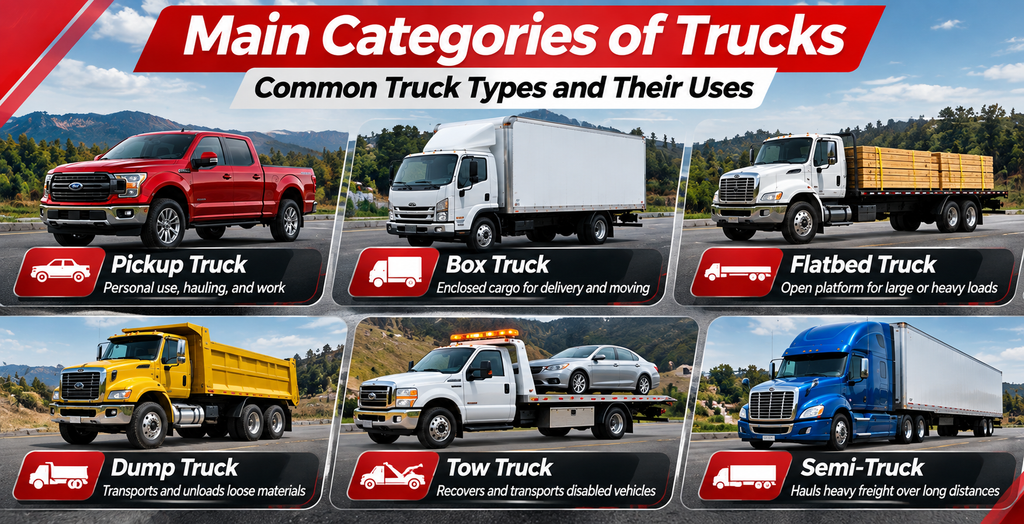
A category of trucks can describe body configuration, intended use, or vehicle weight rating. Below are six common truck types.
1. Pickup Trucks
Pickup trucks feature an enclosed passenger cab and an open cargo bed. They are popular for personal transportation, landscaping, construction, and recreational hauling.
Examples: Ford F-150, Chevrolet Silverado, and Ram 1500. Pickup trucks are offered with different cab sizes, bed lengths, and equipment packages.
2. Box Trucks
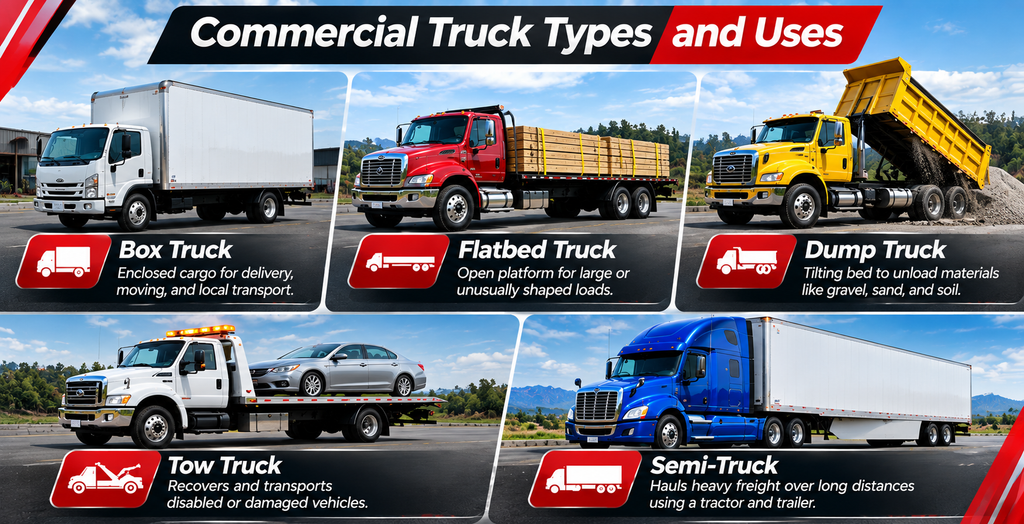
Box trucks have an enclosed rectangular cargo body behind the cab. They are commonly used for furniture delivery, moving services, and local freight transportation.
3. Flatbed Trucks
Flatbed trucks have an open cargo platform that makes loading large or unusually shaped items easier. They frequently transport construction materials and equipment.
4. Dump Trucks
Dump trucks use a cargo bed that can tilt to unload materials such as gravel, sand, soil, and demolition debris. They are common on construction sites.
5. Tow Trucks
Tow trucks are built to recover or transport vehicles. Common designs include wheel-lift trucks and flatbed carriers. Different configurations suit different recovery needs.
6. Semi-Trucks
Semi-trucks, also called tractor-trailers when coupled to a semitrailer, transport heavy freight over long distances. The tractor provides the power and supports part of the trailer’s weight.
Remember: A truck’s body type does not determine its exact towing capacity or payload rating. Always check the specific vehicle’s manufacturer specifications.
Light-Duty, Medium-Duty, and Heavy-Duty Trucks
In the United States, vehicles are often grouped into eight weight classes based on Gross Vehicle Weight Rating (GVWR). This is the maximum operating weight specified by the manufacturer, including the vehicle, occupants, fuel, and cargo.
| Class | GVWR | Typical Applications |
|---|---|---|
| 1 | 6,000 lb or less | Passenger vehicles and smaller light trucks |
| 2 | 6,001–10,000 lb | Full-size pickups and vans |
| 3 | 10,001–14,000 lb | Heavy-duty pickups and work trucks |
| 4–6 | 14,001–26,000 lb | Medium-duty delivery and vocational trucks |
| 7–8 | Over 26,000 lb | Large commercial trucks and freight tractors |
Under a commonly used weight-class grouping, Classes 1–2 are light-duty, Classes 3–6 are medium-duty, and Classes 7–8 are heavy-duty. Other regulatory systems may use different groupings or terminology.
Weight classes are different from the Federal Highway Administration’s traffic-counting vehicle categories, which also consider axle arrangements and vehicle configurations.
Car vs. SUV vs. Pickup Truck: Key Differences
Sedans, SUVs, and pickup trucks are popular choices, but their strengths depend on the specific model and how the vehicle will be used.
| Feature | Sedan | SUV | Pickup Truck |
|---|---|---|---|
| Body Design | Passenger cabin with trunk | Tall cabin with rear cargo space | Cab with open cargo bed |
| Passenger Seating | Usually 4–5 | Often 5–8 | Typically 2–6 |
| Cargo Storage | Enclosed trunk | Enclosed flexible cargo area | Open bed |
| Common Use | Commuting | Families and travel | Hauling and work |
| Towing Ability | Often limited | Varies widely | Often higher on properly equipped models |
These are general characteristics, not guaranteed specifications. Always compare actual seating, dimensions, cargo capacity, and manufacturer ratings before buying.
How to Choose the Right Type of Car or Truck
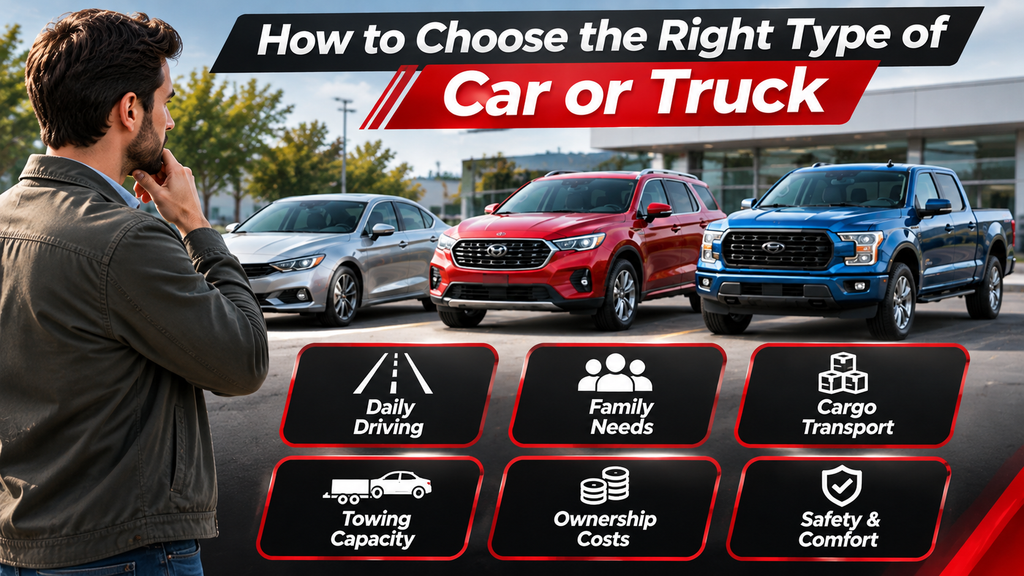
Choosing the best vehicle starts with understanding how you will use it. Instead of focusing only on appearance, consider these practical factors.
- Daily driving: A sedan, hatchback, or compact crossover may suit commuting and regular errands.
- Family needs: Compare SUVs and minivans for seating, child-seat access, and luggage capacity.
- Cargo transport: Choose between enclosed cargo space and an open truck bed based on what you carry.
- Towing: Check the specific model’s towing capacity, payload, hitch rating, and equipment requirements.
- Ownership costs: Consider purchase price, insurance, fuel or electricity, tires, maintenance, and repairs.
- Safety and comfort: Compare crash-test information, visibility, driver-assistance features, and seating comfort.
Buying Tip: Test-drive vehicles you are considering and review their actual specifications. A larger body style does not automatically mean better safety, comfort, or performance.
Frequently Asked Questions
What are the main types of automobile cars?
Common passenger-vehicle body styles include sedans, hatchbacks, coupes, convertibles, station wagons, SUVs, crossovers, and minivans.
How many different car types are there?
There is no single universal number. Vehicle categories vary depending on body style, size, construction, purpose, and powertrain.
What is the difference between an SUV and a crossover?
A crossover typically uses unibody construction, while some traditional SUVs use body-on-frame construction. However, manufacturers frequently use both terms interchangeably.
What are the main categories of trucks?
Common truck types include pickup trucks, box trucks, flatbeds, dump trucks, tow trucks, and semi-trucks. Trucks can also be grouped by weight class.
What is the difference between light-duty and heavy-duty trucks?
Light-duty trucks generally have lower GVWR classifications, while heavy-duty trucks are built for more demanding commercial applications. Exact classifications and terminology can vary.
Which vehicle type is best for daily driving?
Sedans, hatchbacks, and compact crossovers are often practical daily drivers. The best choice depends on passenger needs, parking conditions, budget, and personal preference.
Final Thoughts
Understanding the different types of cars and trucks helps you make better comparisons. Sedans and hatchbacks offer everyday practicality, SUVs and minivans provide flexible passenger space, and trucks serve a wide range of hauling and commercial purposes. Before choosing a vehicle, compare its body style, actual specifications, safety information, and ownership costs.