Buying industrial equipment is rarely an impulse decision. Whether you’re opening a new facility, expanding production, or replacing aging machinery, the equipment you choose will influence your business for years to come. The right investment can improve productivity, lower operating costs, and help employees work more efficiently. The wrong one can lead to frequent repairs, unexpected downtime, and expenses that quickly outweigh the initial savings.
With so many options available, it’s easy to focus on price alone. However, experienced business owners know that selecting equipment requires looking beyond the price tag. Performance, durability, maintenance requirements, and long-term value all play an important role.
If you’re planning to invest in new equipment, here are the key factors worth considering before making a purchase.
Define Your Operational Requirements First
Before comparing products, take time to evaluate how the equipment will actually be used.
Think about your day-to-day operations and ask questions such as:
- How many hours will the equipment operate each day?
- What materials or products will it handle?
- Will demand increase over the next few years?
- Does it need to work indoors, outdoors, or both?
Having clear answers helps narrow your options and prevents purchasing equipment that is either too small for your workload or far more powerful than necessary.
The goal is to find equipment that supports your current needs while allowing room for future growth.
Focus on Long-Term Value Instead of Initial Cost
A lower purchase price may seem attractive, but it doesn’t always result in lower operating costs.
Less expensive equipment can require more maintenance, experience shorter service life, or consume more energy over time. Those additional costs often exceed the savings made during the initial purchase.
Reliable industrial equipment is designed to operate consistently under demanding conditions. While the upfront investment may be higher, quality equipment often provides better performance, fewer repairs, and a longer working life.
When comparing options, calculate the total cost of ownership rather than looking only at the purchase price.
Consider Equipment Quality and Construction
Industrial environments place significant stress on machinery every day. Equipment should be built using durable materials capable of handling continuous operation.
Before buying, pay attention to details such as:
- Steel frame construction
- Corrosion-resistant finishes
- Heavy-duty hydraulic or mechanical components
- Load capacity
- Manufacturing quality
Well-built equipment generally requires fewer repairs and delivers more reliable performance over its lifespan.
Think About Maintenance and Service Support
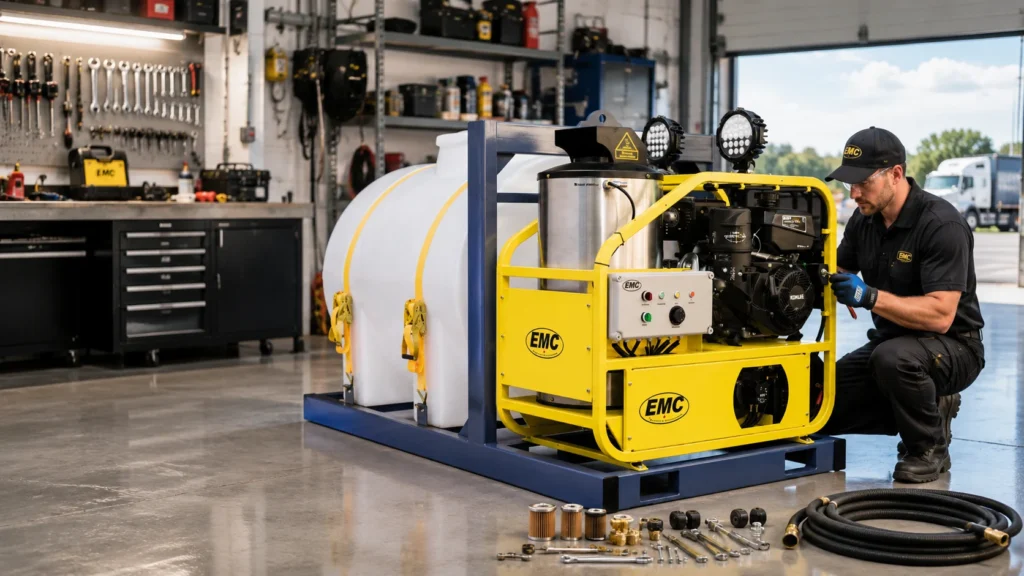
Even the most dependable machines require routine maintenance.
Before making a purchase, ask questions such as:
- Are replacement parts readily available?
- Is technical support accessible?
- How often does the equipment require servicing?
- Is there a warranty?
- Are maintenance instructions easy to follow?
Easy access to parts and service can significantly reduce downtime if repairs become necessary.
Choosing equipment supported by a reputable supplier often provides peace of mind long after the purchase is complete.
Safety Features Should Never Be an Afterthought
Safety isn’t just about meeting regulations, it protects employees and helps keep operations running smoothly.
Modern equipment often includes valuable safety features such as:
- Emergency stop buttons
- Protective guards
- Anti-slip operator platforms
- Load protection systems
- Warning indicators
- Improved operator visibility
While these features may seem like small details, they can significantly reduce workplace risks and improve employee confidence.
Proper operator training is equally important to ensure equipment is used safely and efficiently.
Evaluate Energy Efficiency
Energy costs can represent a substantial portion of operating expenses, particularly in facilities that run equipment throughout the day.
Many newer machines are designed with improved motors, hydraulic systems, and controls that reduce power consumption without sacrificing performance.
Although energy-efficient equipment may require a larger initial investment, lower utility costs often help offset that expense over time.
Businesses planning for long-term growth should consider operating costs alongside purchase price when comparing equipment.
Choose Equipment That Can Grow with Your Business
Many companies purchase equipment based only on current production levels.
However, business growth often happens faster than expected.
If your workload increases next year, will the equipment still meet demand?
Selecting machinery with additional capacity can eliminate the need for early replacement while providing flexibility for future expansion.
Scalable solutions often deliver better long-term value than equipment that immediately operates at its maximum capacity.
Work with a Trusted Equipment Supplier
The supplier you choose can be just as important as the equipment itself.
A knowledgeable supplier should understand different industries and recommend solutions based on operational needs rather than simply offering the most expensive option.
Look for suppliers that provide:
- A broad product selection
- Product knowledge and technical guidance
- Reliable customer support
- Replacement parts
- Warranty assistance
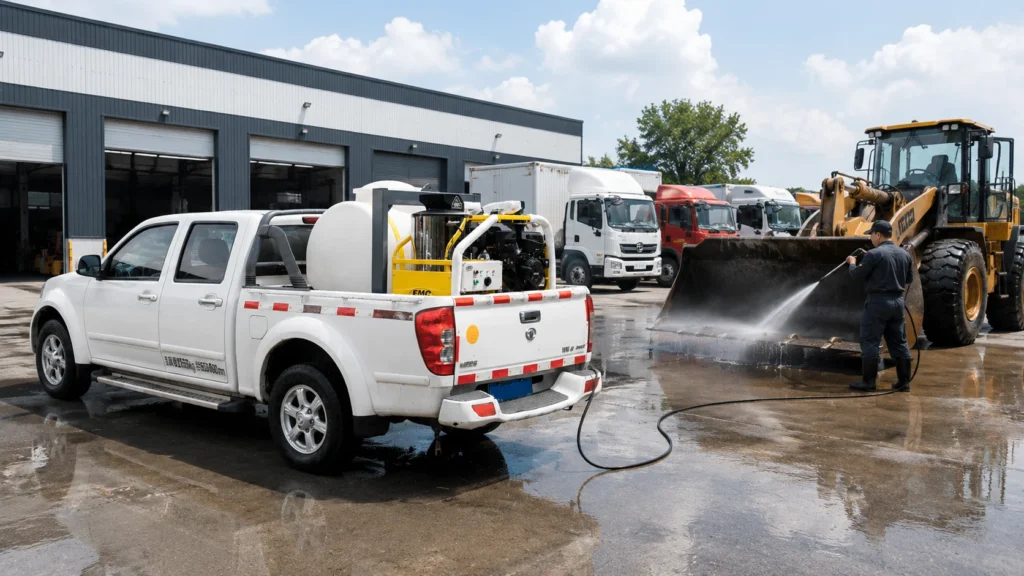
Businesses looking for dependable industrial machinery should work with suppliers that offer equipment designed for demanding commercial and industrial applications while providing ongoing support after the sale.
A strong supplier relationship often makes future upgrades and equipment purchases much easier.
Compare More Than Product Specifications
Product specifications are important, but they don’t tell the whole story.
When comparing different equipment options, also consider:
- Expected lifespan
- Ease of operation
- Maintenance requirements
- Availability of spare parts
- Manufacturer reputation
- Customer support
- Overall reliability
These factors often have a greater impact on long-term satisfaction than a small difference in purchase price.
Don’t Rush the Decision
Industrial equipment is a long-term investment that affects productivity, safety, and operating costs for years.
Taking the time to research available options, compare specifications, and consult experienced suppliers can help prevent expensive purchasing mistakes.
A thoughtful buying process almost always leads to better equipment decisions and stronger long-term returns.
Final Thoughts
Purchasing industrial equipment involves much more than choosing the lowest price or the most powerful machine. The best investment is one that aligns with your operational goals, supports employee safety, and continues delivering reliable performance as your business grows.
By carefully evaluating construction quality, maintenance requirements, energy efficiency, and long-term value, businesses can make purchasing decisions with greater confidence. Investing in dependable industrial equipment and working with a trusted supplier of industrial machinery helps create a stronger foundation for productivity, efficiency, and sustainable business growth.