
Handling insurance after a car accident can seem simple when the vehicles have only a few scratches, and nobody appears to be seriously hurt. However, even a low-speed collision can lead to repair costs, insurance disputes, or injuries that become noticeable later, so the way you handle the claim from the beginning matters.
Knowing what to do after a minor car accident can make the insurance process easier and help prevent avoidable problems. Drivers should document the scene, exchange information, notify their insurer, and avoid making statements that could unnecessarily affect how fault is determined.
In this article, we will discuss how to smoothly handle insurance after a car accident, even when the accident is minor.
Document the Accident Thoroughly
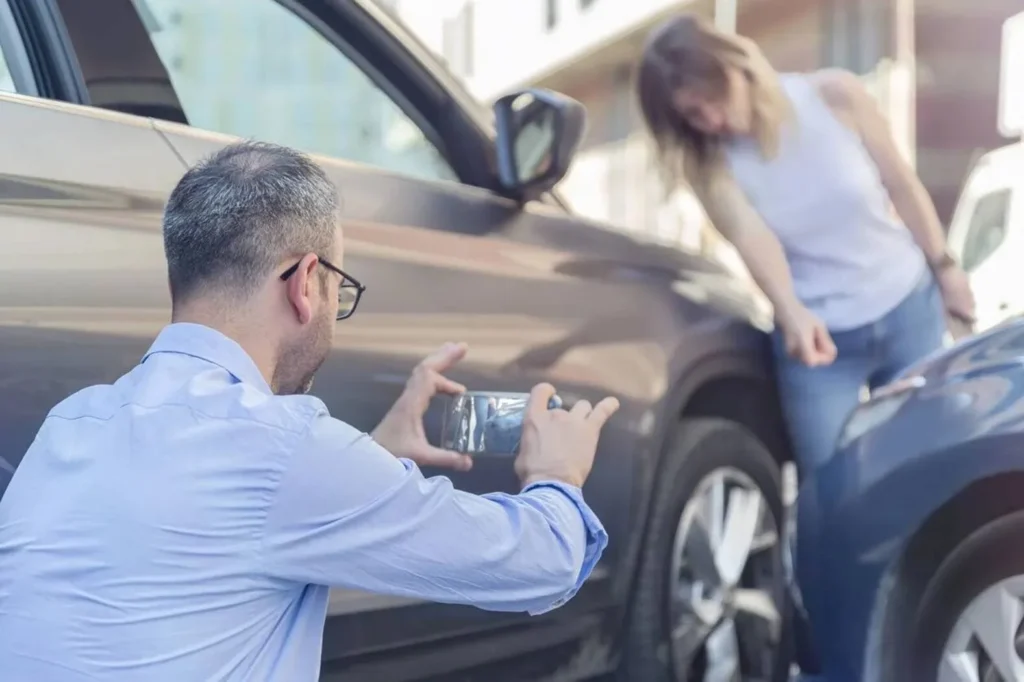
Before leaving the scene, collect as much information as possible, provided it is safe to do so.
Take photographs of:
- Damage to both vehicles.
- The surrounding road and traffic conditions.
- Skid marks, debris, or other visible evidence.
- Traffic signs and signals.
- Any property damage.
Photos can provide a useful record of the collision and may help when an insurer reviews the claim.
Damage that looks minor at the scene may also turn out to be more serious after a professional inspection. Exchange names, phone numbers, driver’s license information, license plate numbers, and insurance details with the other driver.
Notify Your Insurance Provider Promptly
Contact your insurance company as soon as reasonably possible after the accident. Insurance policies commonly contain requirements concerning when and how accidents should be reported. When speaking with the insurer, provide accurate facts about what happened.
Avoid guessing about the other driver’s speed, intentions, or actions if you did not actually observe them. The insurer may request photographs, a police report, repair estimates, witness information, or other documentation during its investigation of the claim.
Understand When a Police Report Is Necessary
Whether a police report is required after a minor collision depends on the circumstances and applicable state law. Even when reporting is not mandatory, a report can provide an independent record of the accident.
A police report may contain information about the drivers, vehicles, witnesses, road conditions, and statements made at the scene. That information can become useful if the insurance companies later disagree about what happened.
If someone appears injured, property damage is significant, or the other driver refuses to provide information, contacting law enforcement may be particularly important.
Avoid Unnecessary Admissions of Fault
Drivers often feel pressured to apologize immediately after a collision. While being polite is appropriate, you should avoid making statements that go beyond what you actually know. Instead of saying, “The accident was completely my fault,” explain what happened as accurately as possible.
Determining legal responsibility is generally based on the available evidence rather than a quick statement made at the scene. Photographs, vehicle damage, witness accounts, police reports, and other evidence may all be considered during an insurance investigation.
Evaluate the Insurance Settlement Carefully
An insurer may offer payment for vehicle repairs or other covered losses after reviewing the claim. Before accepting an offer, make sure you understand exactly what the payment includes.
Consider whether the amount accounts for:
- Vehicle repair expenses.
- Towing or storage costs.
- Rental transportation.
- Medical expenses.
- Other documented accident-related losses.
A vehicle can sometimes have hidden damage that is not immediately visible. Getting a proper inspection before accepting a final repair settlement can help you avoid unexpected expenses later.
Maintain Complete Accident Documentation
Keeping organized records can make the insurance process much easier.
Save copies of:
- Insurance correspondence.
- Police reports.
- Accident photographs.
- Repair estimates.
- Medical records and bills.
- Rental vehicle receipts.
- Witness contact information.
Keep emails, letters, and messages from the insurance company as well. A complete record allows you to track the claim and identify discrepancies if questions arise later.
Recognize When Legal Assistance May Be Necessary
A genuinely minor accident with clear liability and limited damage may not require an attorney. However, legal guidance may become useful if the other driver disputes responsibility, the insurer denies the claim, the settlement offer appears inadequate, or injuries become more serious than initially expected.
An attorney can review the circumstances, examine available evidence, communicate with the insurer, and explain the legal options available.
Key Takeaways
- Document the accident and vehicle damage before leaving when it is safe.
- Exchange insurance and contact information with the other driver.
- Notify your insurance provider promptly.
- Avoid admitting fault or making assumptions about what caused the collision.
- Review settlement offers carefully before accepting them.