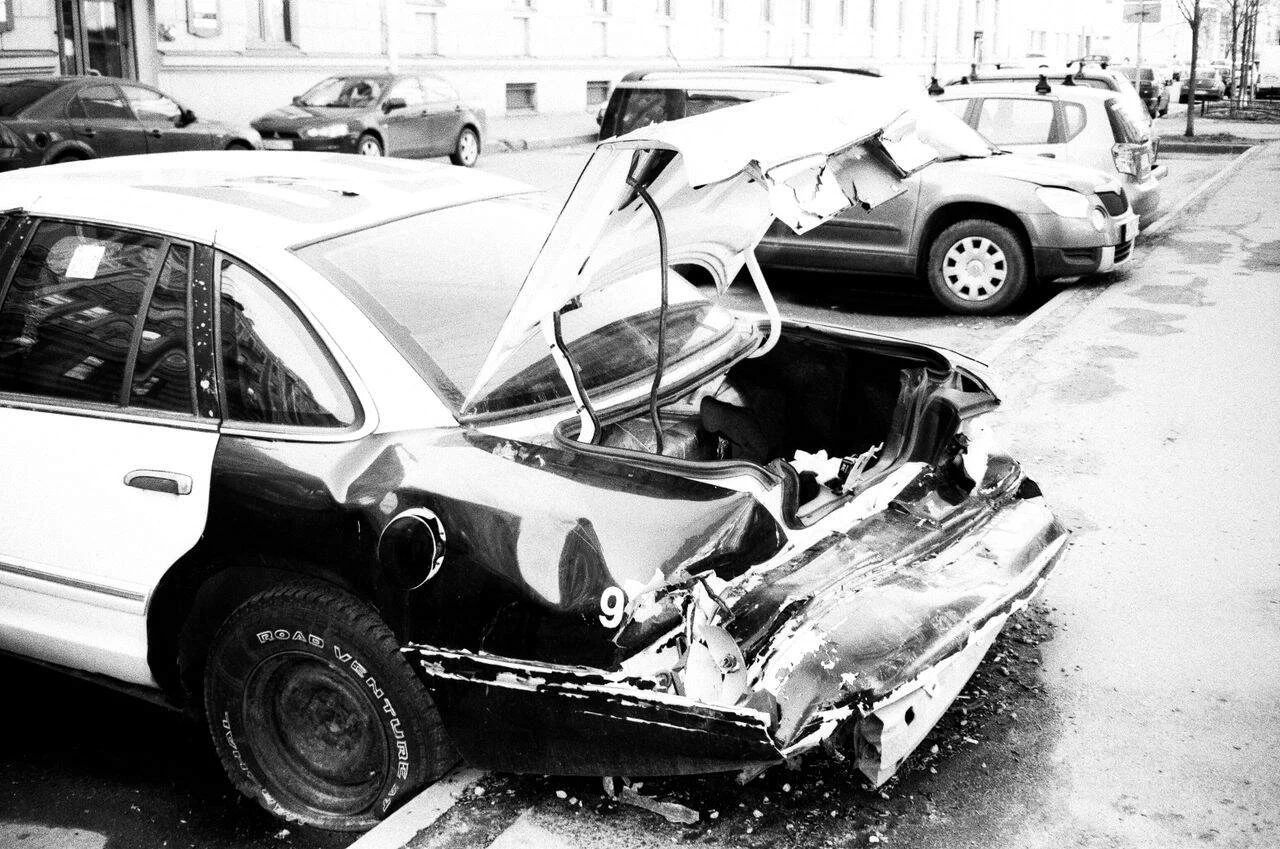
A car that looks fine after a crash can still have serious hidden damage. Bent frames, misaligned wheels, damaged sensors, and cracked suspension parts often go unnoticed until they cause a breakdown or a second accident. If you were in a collision around Charlotte, North Carolina, a full inspection protects both your safety and any insurance claim you make.
Why Does Hidden Damage Happen in Minor Crashes?
Hidden damage happens because modern cars are built to absorb crash energy. Bumpers, crumple zones, and mounting brackets compress and bend to protect the people inside. That design saves lives, but it also means the damage often ends up behind the bumper cover, under the car, or inside the electronics, where you cannot see it.
Even a low-speed rear-end collision can push a bumper reinforcement bar back into the radiator support or shift a radar sensor out of position. Plastic bumper covers often pop back into shape, hiding the damage underneath. A quick walk-around in a parking lot rarely tells the full story.
What Are the Most Common Types of Hidden Car Damage?
The most common types of hidden car damage after an accident are frame or unibody damage, suspension and alignment problems, damaged safety sensors, cooling system damage, and electrical faults. Each one can affect how your car drives and how safe it is on the road.
Frame and Unibody Damage
The frame or unibody is the structural skeleton of your car. If it bends, even slightly, the car may not protect you as well in a future crash. Signs include doors or the trunk that do not close evenly, uneven gaps between body panels, and tires that wear on one edge. A body shop can measure the frame against factory specifications.
Suspension and Alignment Problems
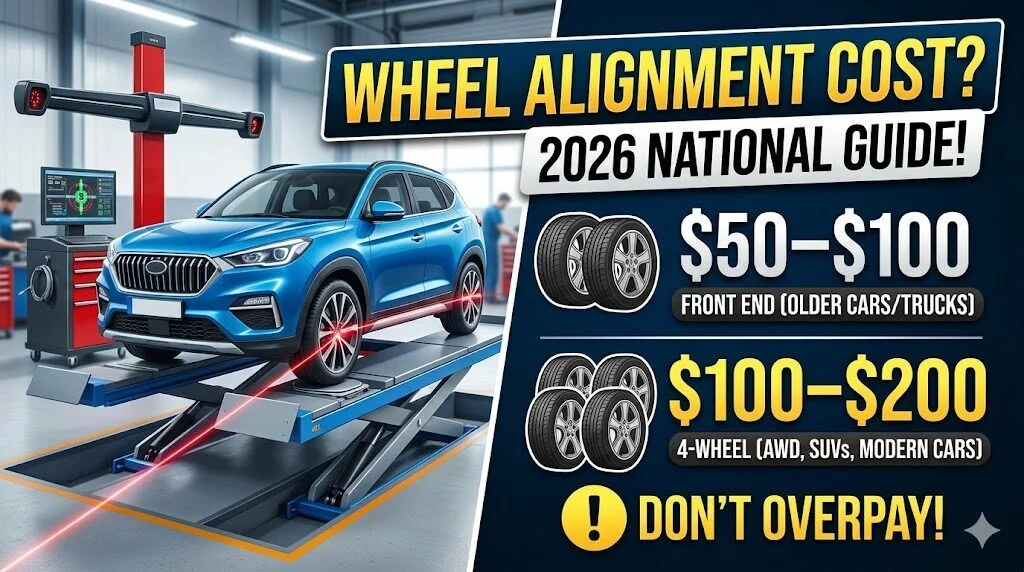
A hit to a wheel or a curb can bend tie rods, control arms, or struts. Watch for the steering wheel sitting off-center, the car pulling to one side, or new clunking noises over bumps. An alignment check after any crash that involved a wheel is a smart, low-cost step.
Damaged Safety Sensors and Cameras
Many newer cars use advanced driver assistance systems, often called ADAS. These include automatic emergency braking, lane keeping, blind spot monitoring, and adaptive cruise control. The radar units and cameras that run these systems sit in bumpers, mirrors, and windshields. After a crash, they often need to be recalibrated, even if they look undamaged. A misaligned sensor can brake at the wrong time or fail to warn you about a car in your blind spot.
Cooling System and Fluid Leaks
Front-end collisions can crack the radiator, the condenser for your air conditioning, or coolant hoses. Look for puddles under the car, a sweet smell from coolant, or a temperature gauge that climbs higher than normal. Driving with a coolant leak can overheat and damage the engine.
Electrical and Airbag System Faults
Crashes can damage wiring harnesses and connectors. A warning light on the dashboard after an accident, especially an airbag or SRS light, means the system needs attention. If your airbags deployed, the airbag modules and often the crash sensors must be replaced by a qualified shop.
How Should You Inspect Your Car After a Crash?
You should inspect your car after a crash by starting with a careful visual check, then having a qualified shop perform a full inspection before you assume the car is safe to drive long term. Your own check helps you spot obvious problems and document the damage for your insurance company.
Use this checklist in the days after an accident:
- Photograph every side of the car, the undercarriage if you can safely see it, and any dashboard warning lights.
- Open and close every door, the hood, and the trunk to check for sticking or uneven gaps.
- Look under the car for fresh drips or puddles.
- Check tire sidewalls for cuts or bulges and look for uneven tread wear over the following weeks.
- Take a short, slow test drive and note any pulling, vibration, or new noises.
- Ask the repair shop for a written estimate and a pre-repair scan of the car’s computer systems.
North Carolina law lets you choose the repair shop that fixes your car, even if the insurance company recommends one of its preferred shops. Choosing a shop that follows the manufacturer’s repair procedures can make a real difference, especially for ADAS recalibration.
Why Does Hidden Damage Matter for Your Insurance Claim?
Hidden damage matters for your insurance claim because the first estimate is often too low. Adjusters usually write an initial estimate based on what they can see. When the shop takes the bumper off and finds more damage, it files what is called a supplement, which is a request for additional repair costs.
Keep copies of every estimate, supplement, invoice, and photo. If another driver caused the crash, their insurance company is generally responsible for the full cost of repairs, a rental car while yours is in the shop, and in some cases the loss in your car’s resale value after the accident. This loss is often called diminished value.
Hidden damage to the car can also point to hidden injuries. A collision forceful enough to bend structural parts can strain your neck, back, and joints. Symptoms of whiplash and concussions sometimes appear a day or more after the crash, so see a doctor even if you feel fine at first.
When Should You Get Legal Help After a Car Accident in Charlotte?
You should get legal help after a car accident in Charlotte when someone was hurt, the insurance company disputes fault, or the repair and medical costs are higher than the settlement offer. North Carolina follows a strict contributory negligence rule, which means an insurer may deny your claim entirely if it can argue you were even slightly at fault.
Because of that rule, the details matter. Photos of the damage, repair records, and the police report can all help show how the crash happened. If you are dealing with injuries or a denied claim, a car accident attorney in Charlotte can review your evidence and explain your options. The Watson Law Office, PLLC is a personal injury firm in Charlotte that helps drivers and passengers hurt in crashes across the area.
Frequently Asked Questions
Is it safe to drive my car after a minor accident?
A car may be safe to drive after a minor accident if no warning lights are on, nothing is leaking, and it steers and brakes normally. Even so, hidden damage to the frame, suspension, or sensors can affect safety. Have a qualified shop inspect the car before relying on it for daily driving or highway trips.
Do ADAS sensors always need recalibration after a crash?
ADAS sensors do not always need recalibration, but many manufacturers require it after a collision, a bumper replacement, a windshield replacement, or an alignment. A sensor can be knocked slightly out of position without visible damage. The repair shop should follow the automaker’s repair procedures and give you documentation that the calibration was completed.
What if the shop finds more damage after the first estimate?
If a repair shop finds more damage after the first estimate, it will usually send a supplement to the insurance company for approval. This is a normal part of the repair process. Keep copies of every supplement and invoice, because they show the true cost of the crash if there is a dispute later.
Can I claim diminished value in North Carolina?
In North Carolina, you can generally seek diminished value from the at-fault driver’s insurance company when another driver caused the crash. Diminished value is the drop in your car’s market value because it now has an accident history. Supporting the claim with a written appraisal from a qualified professional usually strengthens it.
Protect Your Car and Your Claim
A crash can leave damage you cannot see, and that damage can affect your safety, your repair bill, and your insurance claim. Take photos, get a full inspection, insist on proper repairs and sensor calibration, and keep every record. If you were injured, see a doctor promptly and learn your rights under North Carolina law before you accept a settlement. This article provides general information only and is not legal advice.