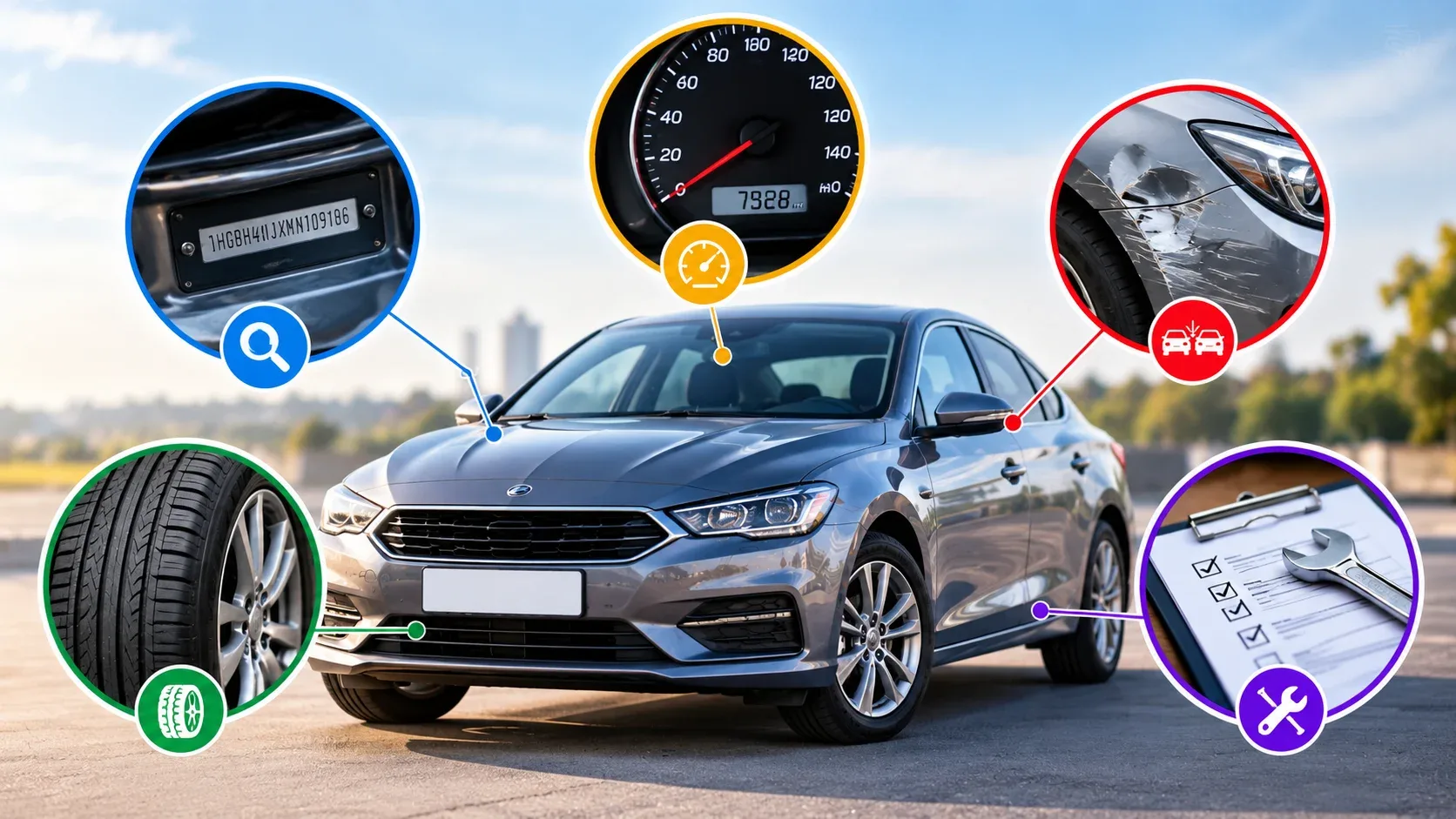

Your car can start every morning and still have an underinflated tire, a small leak, or a service that is overdue. This simple car maintenance checklist shows what to inspect before driving, what to review each month, and how to plan services as the miles add up.

Think of maintenance as three layers: a quick look before your drive, a more thorough monthly inspection, and scheduled work based on time, mileage, and your owner’s manual. You do not need to become a mechanic to build a dependable routine.
Complete Car Maintenance Checklist at a Glance
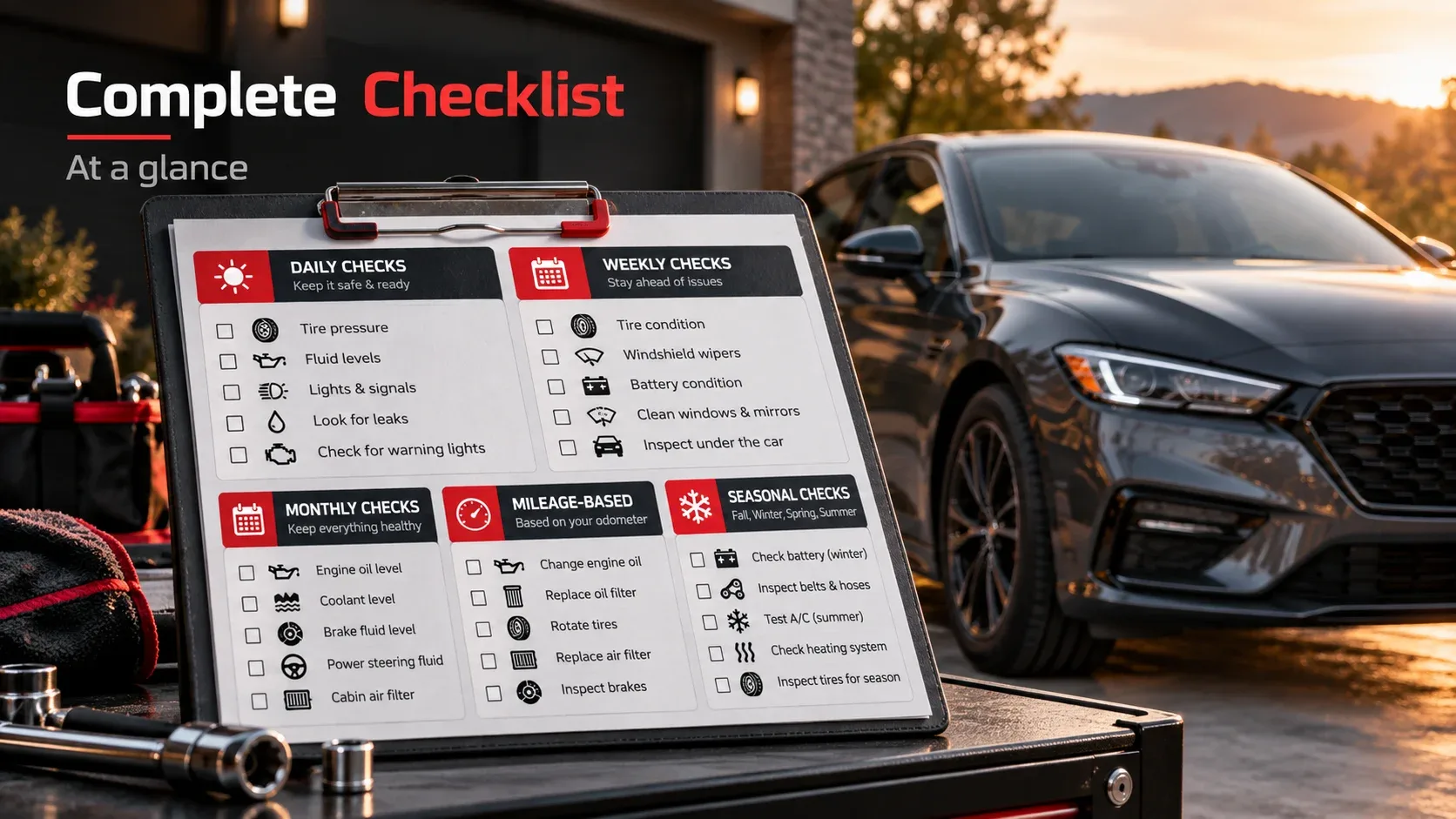
Use this as your quick reference. The detailed instructions below explain what each check involves and when to ask a professional for help.
| When | What to check | Why it matters |
|---|---|---|
| Before driving | Obvious tire damage, fresh leaks, warning lights, unusual noises and handling | Find immediate safety problems before the trip. |
| Weekly | Headlights, brake lights, turn signals, wipers, windshield and washer fluid | Improve visibility and communication with other drivers. |
| Monthly | Cold tire pressure and tread, accessible fluid levels, battery condition, visible hoses and leaks | Catch gradual changes that are easy to miss. |
| 5K–10K mi* | Review oil-life/service reminder, tire rotation requirements and routine inspections | Keep frequently scheduled tasks on your radar. |
| 30K–60K mi* | Review specified filters, brakes, fluids, belts and other manufacturer service items | Plan larger service milestones only when applicable. |
| 100K+ mi* | Check service records for age/mileage-specific components and wear items | Avoid missing major scheduled services. |
*Important: Mileage ranges are illustrative check-in points, not instructions to replace all listed parts at those intervals. An electric vehicle, older car, hybrid, and modern gasoline vehicle may have very different maintenance requirements.
Daily Car Maintenance Checklist: What to Check Before Driving

Imagine leaving for work and noticing that your front tire looks slightly lower than yesterday. That small observation is worth investigating. A quick walkaround is often enough to spot something that should not be ignored.
Tires and the ground
Look for a visibly flat tire, sidewall bulge, serious damage, or a fresh puddle under the vehicle. A normal-looking tire can still be low—confirm pressure with a gauge.
Windows and visibility
Ensure the windshield, mirrors and windows allow a clear view. Remove frost, dirt or obstructions before moving.
Dashboard warnings
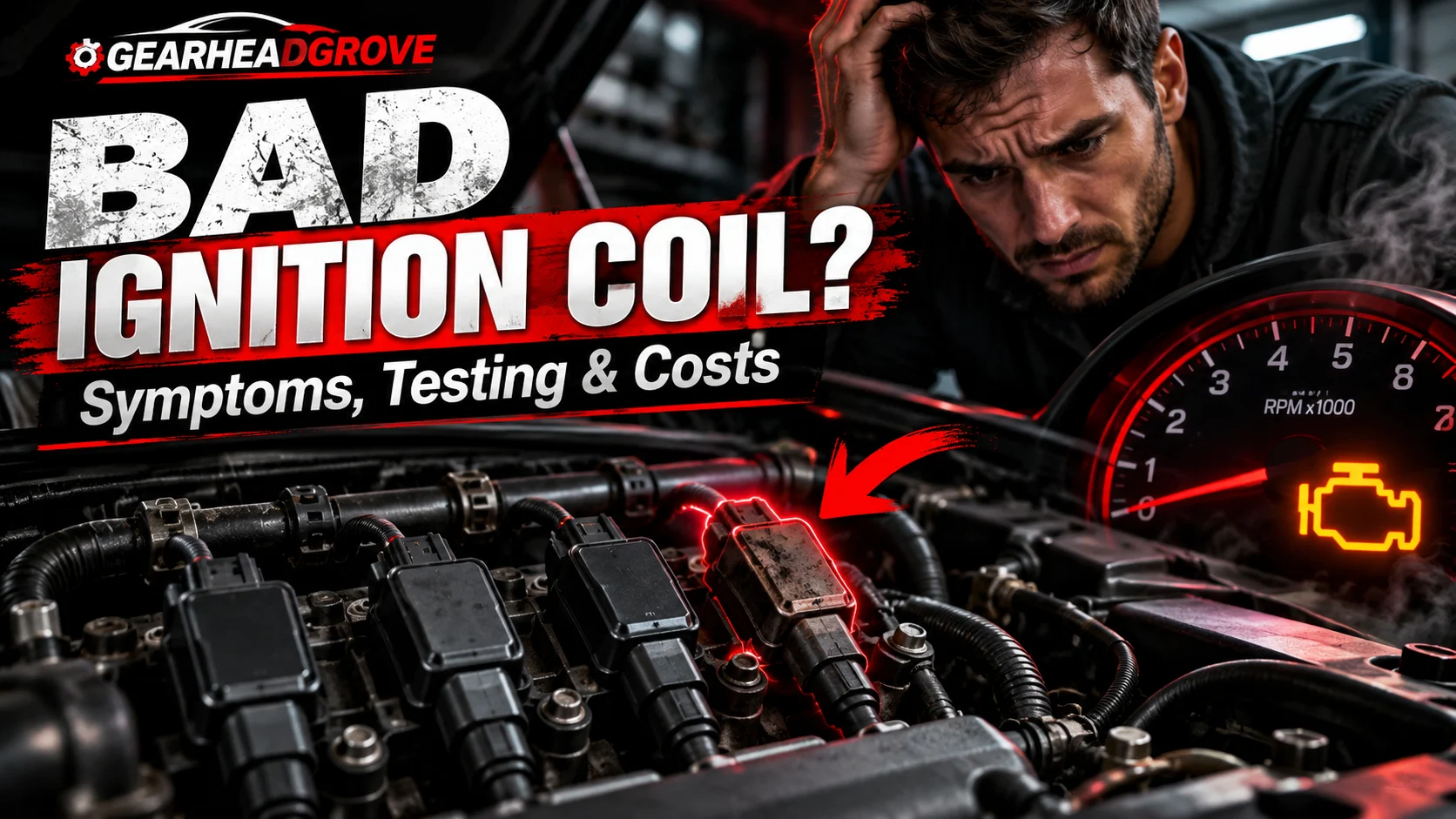
Check whether warning lights go out as expected after startup. An oil-pressure, brake or overheating warning needs appropriate attention.
Unusual behavior
Notice new grinding, severe vibration, weak braking, steering changes or abnormal smells. Do not dismiss a sudden change as “probably nothing.”
Weekly Car Maintenance Checklist
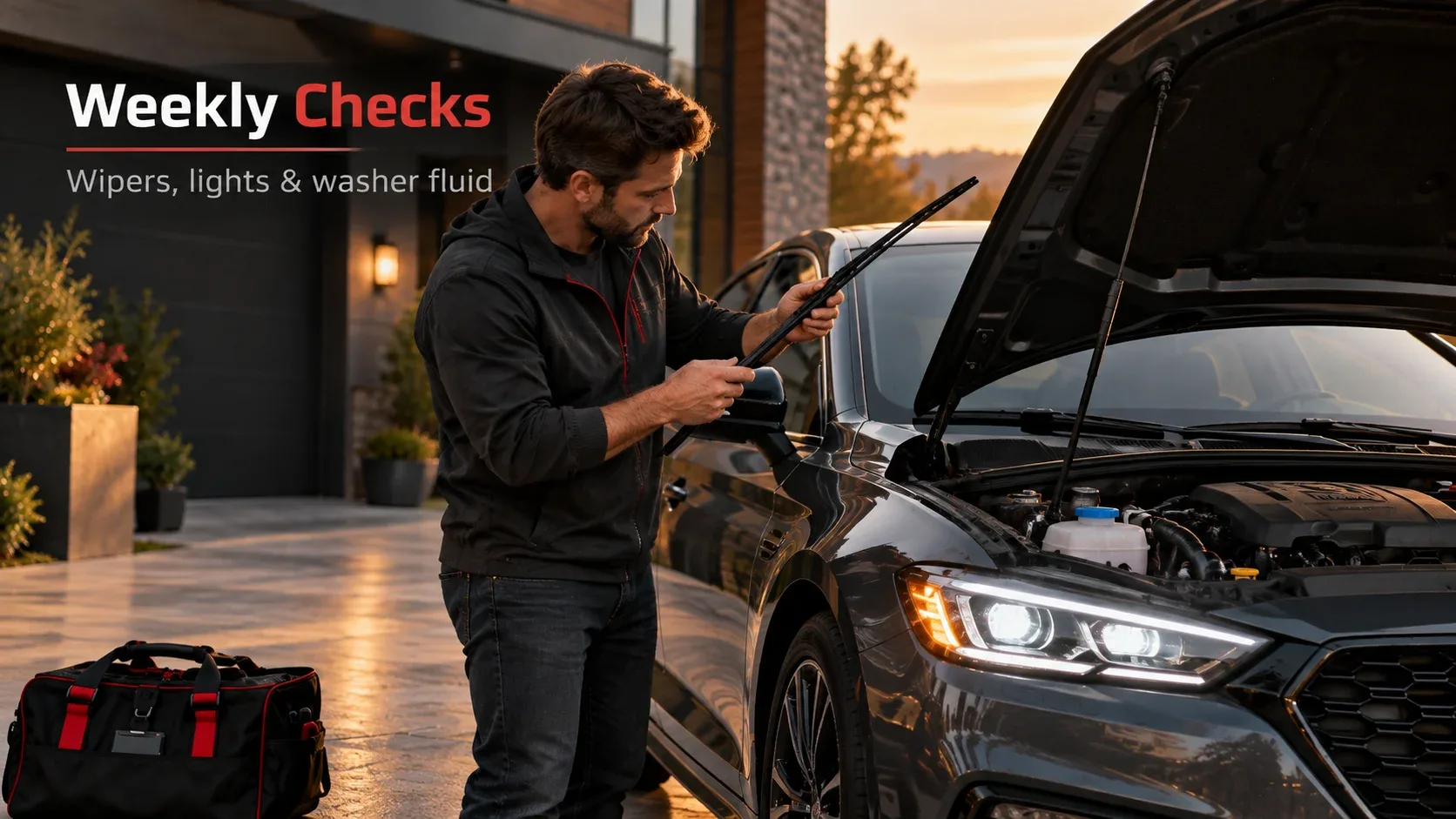
Choose one consistent day—perhaps Sunday morning—to check the equipment you depend on in rain, darkness, or heavy traffic.
| Item | Simple check | Next step if needed |
|---|---|---|
| Exterior lights | Check headlights, indicators, taillights and brake lights; ask someone to help with brake lights. | Replace or repair nonworking lamps promptly. |
| Wipers | Look for cracked rubber, streaking, skipping or incomplete clearing. | Clean or replace blades as appropriate. |
| Washer fluid | Check fluid level and spray performance. | Refill with suitable washer fluid. |
| Windshield | Look for chips, cracks or objects blocking the view. | Arrange glass inspection or repair if needed. |
Monthly Car Maintenance Checklist: Tires, Fluids, Battery and More
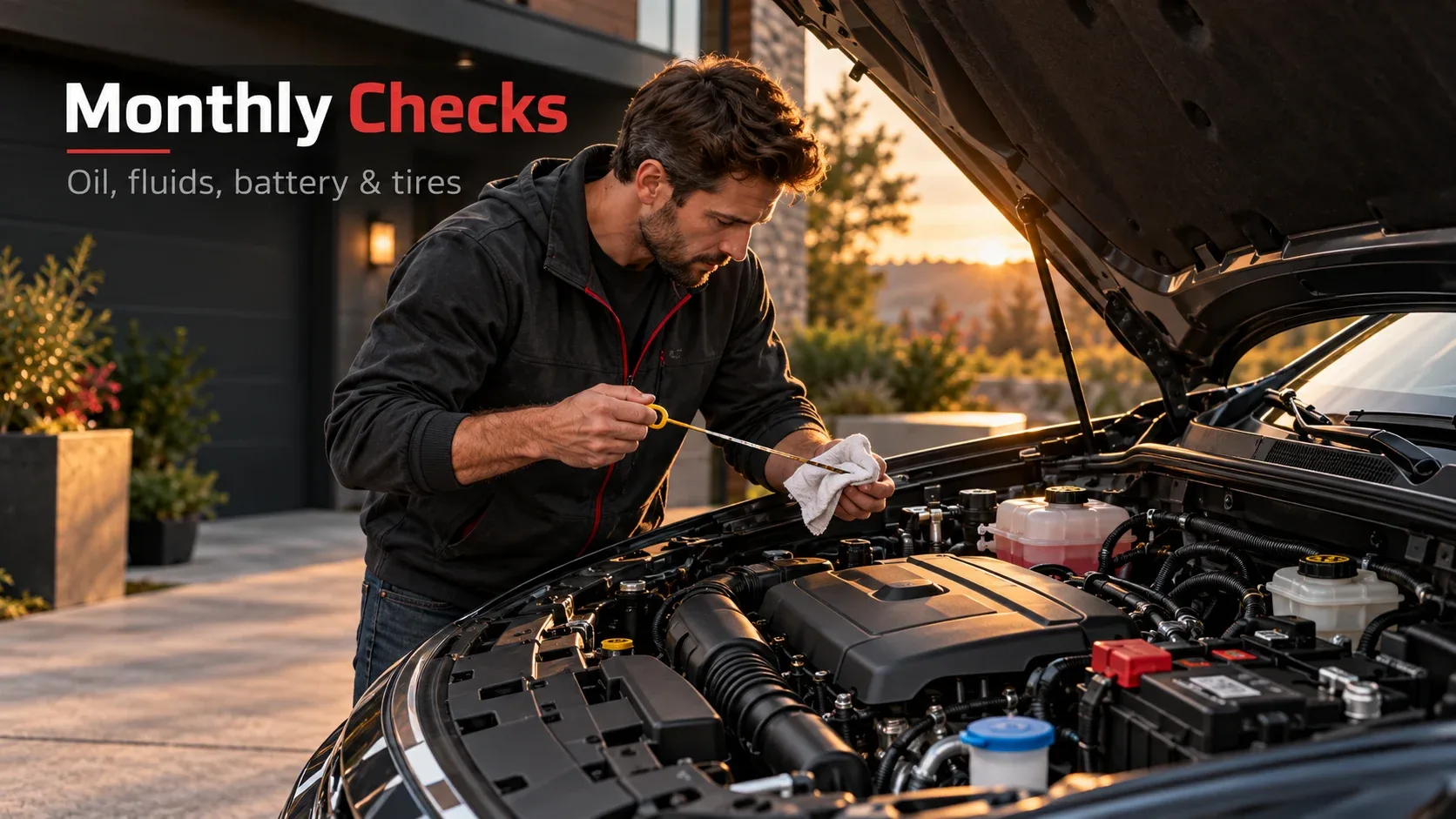
Set a reminder for the first weekend of each month. These checks are especially useful because many problems develop gradually. If a procedure isn’t described in your owner’s manual or you cannot access a component safely, ask a technician.
Measure cold tire pressure
Use a reliable gauge when tires are cold—typically after the car has been parked at least three hours. Compare with the driver’s-door placard or manual, not the maximum PSI molded into the tire. Check the spare if equipped, and inspect tread and sidewalls.
Watch for: repeated air loss, uneven wear, cuts, bulges or tread at the wear indicators.
Check the level correctly
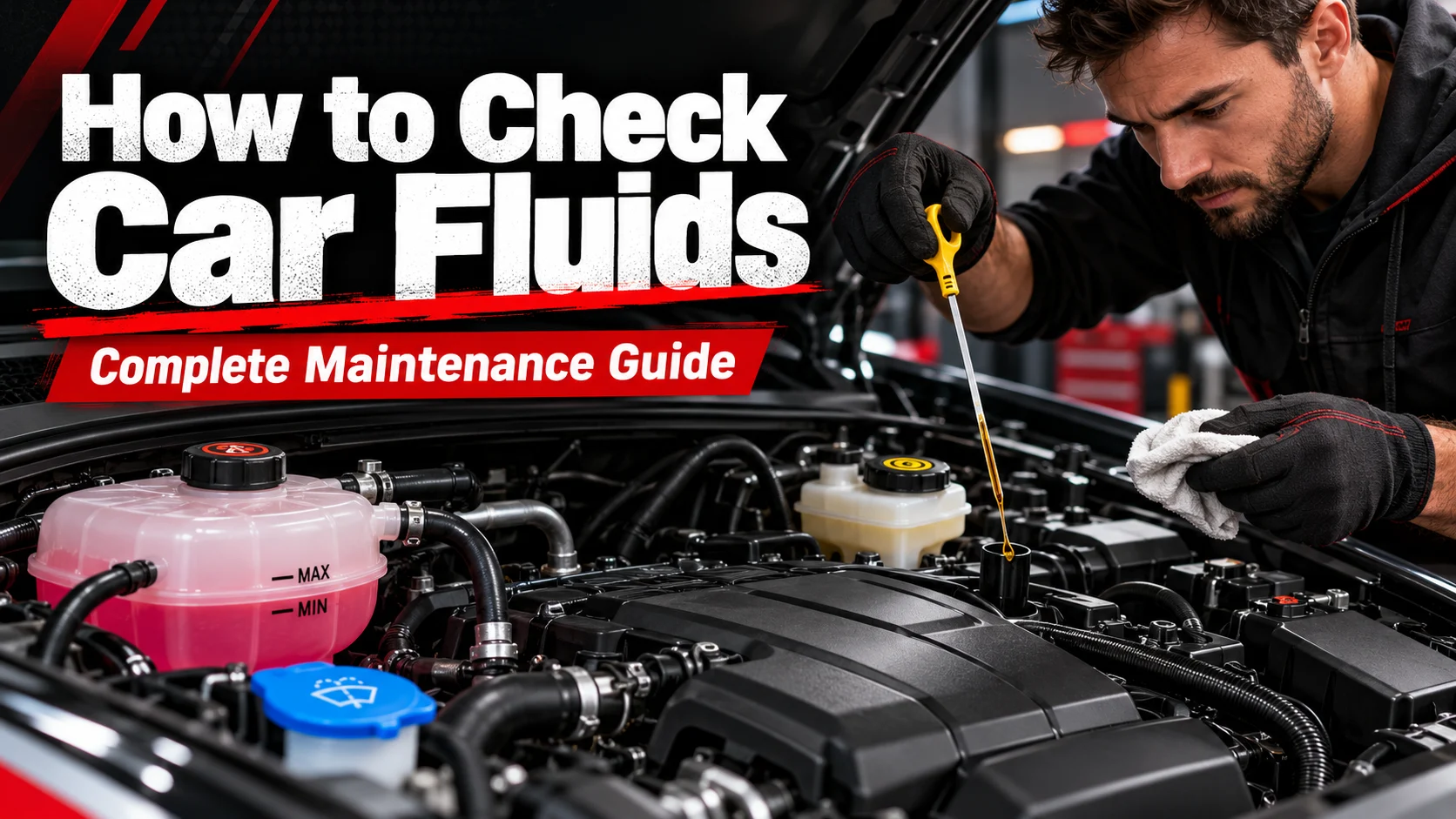
For vehicles with a physical dipstick, park level and follow the manufacturer’s instructions regarding engine temperature and wait time. Remove, wipe, reinsert and read the dipstick as directed. Some cars use an electronic oil-level display instead.
Watch for: a level outside the specified range or recurring loss.
Inspect accessible reservoirs
With the engine cool, visually check the coolant reservoir marks. Review other accessible fluid reservoirs only as directed by the owner’s manual; some systems are sealed and must not be topped up casually.
Watch for: visible leaks or unexpectedly low levels.
Look for visible problems
Where safely visible, inspect for a loose hold-down, damaged case or corrosion. Do not touch exposed wiring or high-voltage components, and do not attempt electrical service without appropriate training.
Watch for: slow starting or recurring battery warnings.
Check what you can see
With the engine off and cool, look for obvious cracks, fraying, wet spots or damaged hoses in accessible areas. Keep hands away from fans, moving parts and hot surfaces.
Watch for: leaks, damaged rubber or unfamiliar noises.
Notice gradual changes
Pay attention to brake noise, pedal feel, pulling, vibration and visible leaks. Schedule a professional brake inspection if anything changes; brake work is not a beginner inspection task.
Watch for: grinding, weak braking or a brake-system warning.
Useful habit: Record anything that changes month to month. If the same tire keeps losing air or a fluid reservoir keeps dropping, arrange diagnosis rather than repeatedly refilling it without finding the cause.
Car Maintenance Checklist by Mileage
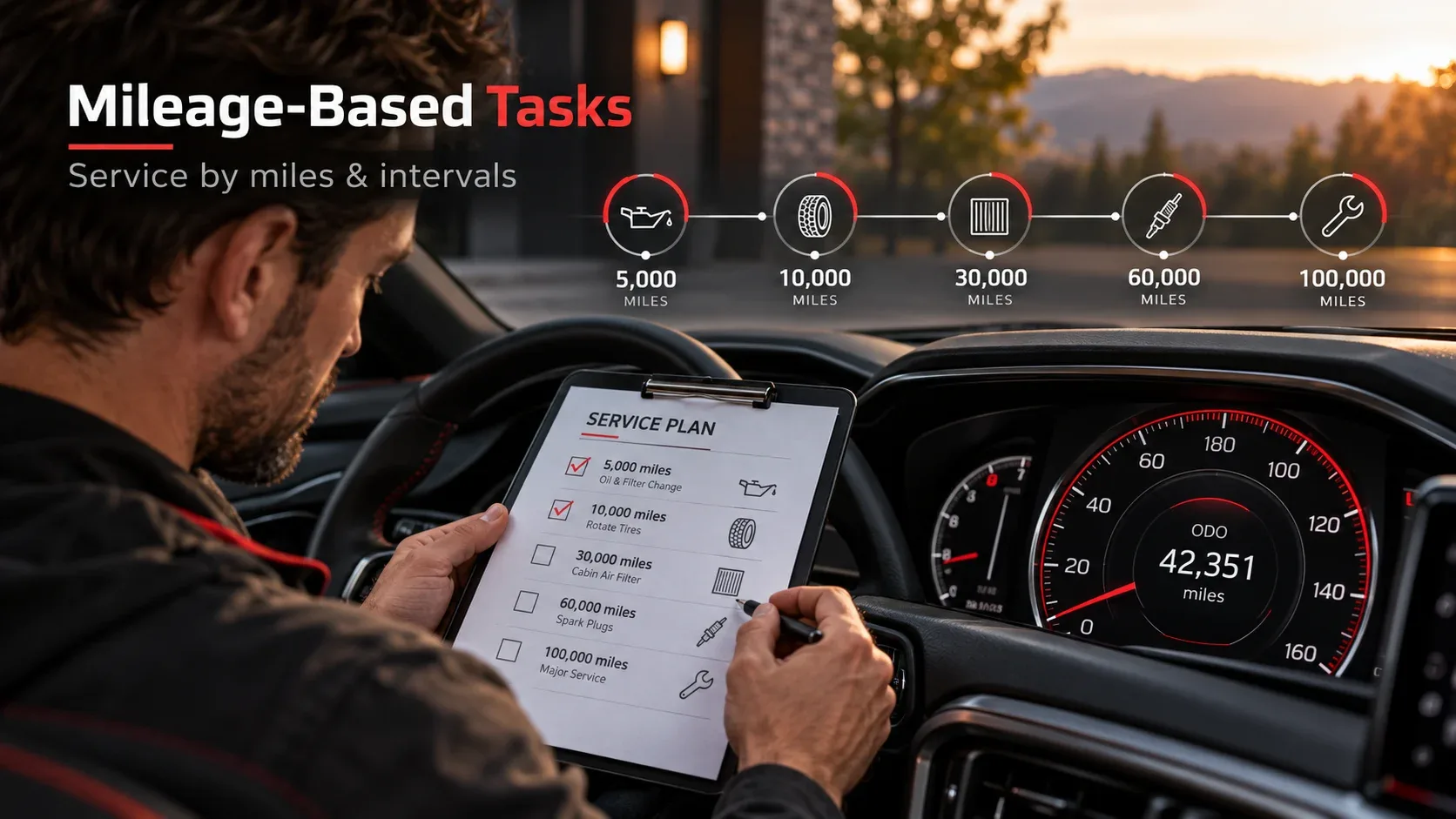
Modern maintenance schedules are rarely one-size-fits-all. Use the checkpoints below to review what is due in your manual or vehicle maintenance monitor. The actual service may be earlier, later, time-based, or not applicable to your model.
| Planning checkpoint | Items to review with your manual/service history | Important caveat |
|---|---|---|
| 5,000–10,000 miles | Engine oil and filter, tire rotation, brake and tire inspection. | Oil-life monitoring and rotation patterns vary; some vehicles require different intervals. |
| 15,000–30,000 miles | Engine air filter, cabin filter, brakes, fluids and routine inspections. | Replace filters according to the schedule, condition and operating environment. |
| 30,000–60,000 miles | Manufacturer-specified transmission or differential fluid, cooling system and other service items. | Some fluids have much longer intervals; do not order an unnecessary flush. |
| 60,000–100,000 miles | Spark plugs, belts, coolant, drivetrain items and manufacturer-specified major services. | Timing belts apply only to certain engines and have model-specific intervals. |
| 100,000+ miles | Review overdue services, age-related hoses, suspension, leaks and wear components. | Condition and documented history matter more than odometer number alone. |
Seasonal Car Maintenance Checklist: Summer and Winter

A vehicle driven through Phoenix heat needs different preparation from one facing icy Midwest roads. Match these checks to your local climate and driving conditions.
☀️ Before hot weather
- Inspect tire pressure and visible tire condition.
- Check the cooling system for visible leaks, with the engine cool.
- Test air-conditioning performance.
- Inspect wipers, washer fluid and sun-damaged rubber.
- Keep drinking water and basic emergency supplies for long trips.
❄️ Before cold weather
- Check tire condition and use winter tires if conditions warrant.
- Have battery performance tested if starting is weak or the battery is aging.
- Check wipers, defroster, heater and appropriate washer fluid.
- Confirm the correct coolant mixture through qualified service if necessary.
- Carry suitable emergency and visibility supplies.
Before a road trip: Check tire pressure while cold, inspect the spare or tire-inflation kit, check lights and fluids, and verify that routine service will not become overdue during the trip.
Which Car Maintenance Tasks Can You Do Yourself?
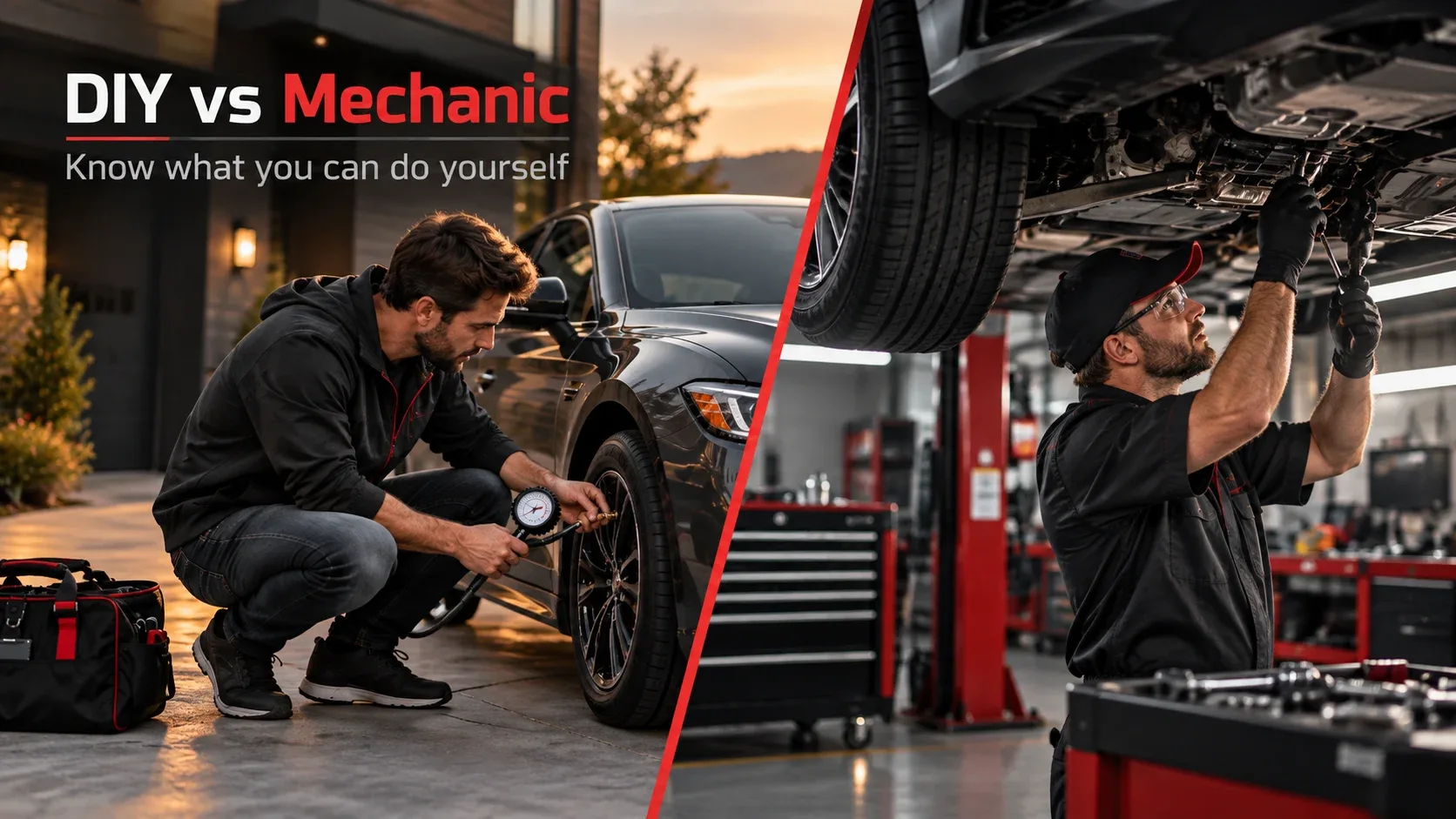
Responsible ownership does not mean rebuilding an engine. It means knowing which inspections are safe and when the vehicle needs a trained professional.
Good starting points for owners
- Measure cold tire pressure and inspect tread.
- Check and refill washer fluid.
- Inspect wiper blades and visible lights.
- Check accessible oil levels by the specified procedure.
- Keep maintenance and repair records.
Best handled by qualified technicians
- Brake hydraulic or mechanical repairs.
- Transmission diagnosis and internal repair.
- Suspension and steering component repairs.
- Timing-system work and major engine repairs.
- Hybrid/EV high-voltage system servicing.
Warning Signs That Need Immediate Attention
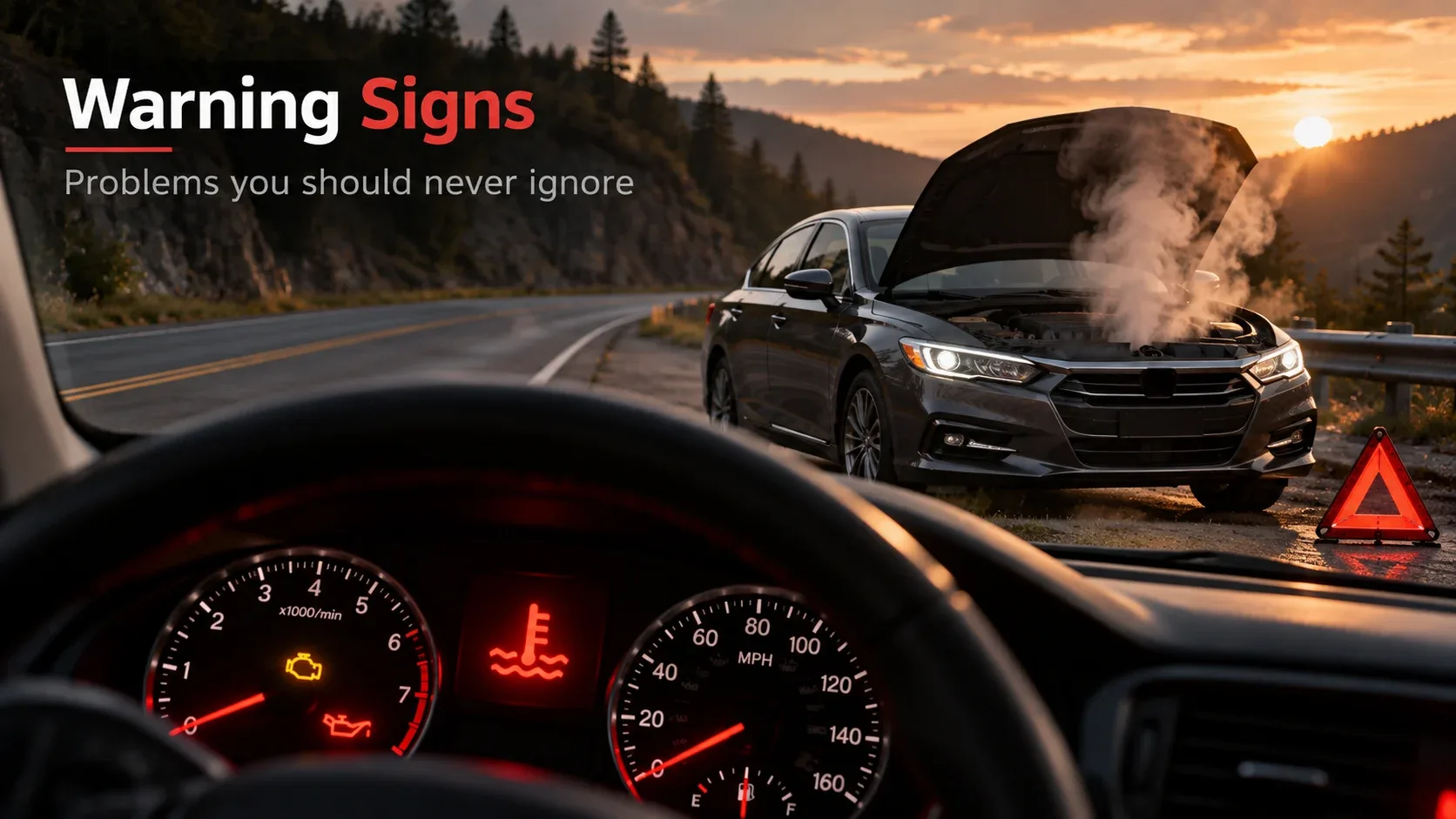
A maintenance calendar is useful only when the car is operating normally. A new safety-critical symptom takes priority over the next planned inspection.
| Symptom | What to do |
|---|---|
| Red oil-pressure warning while running | Pull over safely, shut off the engine, and consult the manual or roadside assistance. Do not keep driving. |
| Overheating warning, rising temperature or steam | Stop safely, switch off as appropriate, let the engine cool and arrange help. Never open a hot cooling system. |
| Severely reduced braking, grinding or brake warning | Stop in a safe place. Avoid further driving if braking is compromised; arrange professional assistance. |
| Sudden tire damage, rapid pressure loss or strong vibration | Slow down carefully, stop safely and inspect from a safe location. Arrange roadside help when necessary. |
| Smoke, burning smell or strong fuel odor | Stop safely, shut down the vehicle and move away if there is any fire risk. Request emergency help if appropriate. |
Printable Car Maintenance Checklist & Service Log
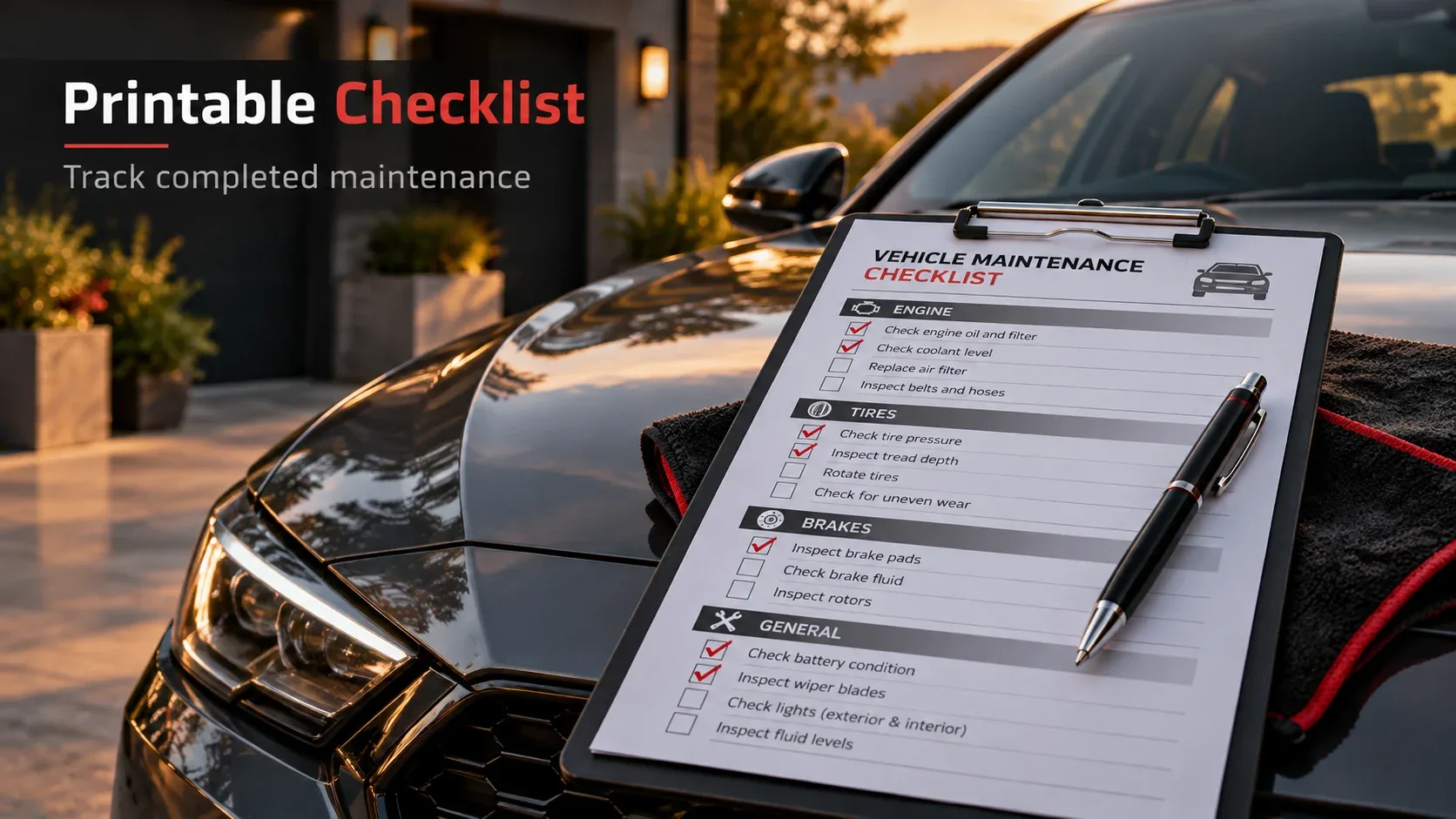
Use this tracker while checking your vehicle. Tick completed items, write the date and mileage, then print the page or save it as a PDF from your browser. The checklist stays general—add any vehicle-specific tasks from your manual.
My Vehicle Maintenance Log
Vehicle-specific maintenance takes priority. Keep this checklist with your service records.
Before driving
Weekly
Monthly
Scheduled / seasonal
Note: Checklist selections are temporary and are not uploaded or saved to a server. Print or save your completed record before leaving the page.
Common Car Maintenance Mistakes to Avoid
Judging tire pressure by appearance
Radial tires can look normal when pressure is low. Check with a gauge at least monthly.
Treating every car like it has the same schedule
Use your make, model, year and driving conditions to determine required service—not a generic mileage chart.
Ignoring time-based maintenance
A car driven only a few thousand miles per year may still need service because months or years have elapsed.
Forgetting service records
Keep dates, mileage, receipts and the next due service. This prevents confusion and helps future diagnosis.
Car Maintenance Checklist FAQs
What is included in a basic car maintenance checklist?
Inspect tires, lights, wipers, fluid levels where accessible, visible leaks and dashboard warnings. Also keep track of manufacturer-specified servicing for oil, brakes, filters, fluids and other components.
How often should I check my car?
Do a quick visual check before driving, review lights and visibility equipment regularly, measure cold tire pressure at least monthly, and follow the owner’s manual for scheduled maintenance.
What car maintenance should be done every month?
At minimum, check cold tire pressure, tread and tire damage; also inspect accessible fluids, visible battery condition, leaks and vehicle lights as appropriate for your model.
Does every car need an oil change every 5,000 miles?
No. Oil-change intervals differ by vehicle, engine, oil specification, usage and maintenance-monitor system. Follow the manufacturer’s requirements for both mileage and elapsed time.
What should I check around 30,000 miles?
Review your manual for any filters, brakes, fluids or inspection items due at that mileage. A 30,000-mile service package is not automatically necessary for every model.
What can a beginner check without a mechanic?
Many owners can check tire pressure, visible tire condition, wipers, lights, washer fluid and maintenance records. Only inspect oil and other fluids using the procedure specified for that vehicle.
Is the same checklist suitable for electric vehicles?
General tasks like tires, lights, wipers and brakes still apply, but EV powertrain and battery-service requirements differ significantly. Follow the EV manufacturer’s maintenance schedule and never work on high-voltage components without training.
A Small Routine Can Make Car Ownership Easier
Start with a short walkaround before driving, reserve a few minutes for regular inspections, and use your owner’s manual to schedule bigger services. The goal isn’t to replace professional maintenance—it is to spot changes sooner, keep better records, and make informed decisions.
Sources and Safety References
For further guidance, refer to these organizations and your vehicle manufacturer’s maintenance schedule:
- NHTSA — Tire Safety and Maintenance (monthly cold tire-pressure and tread checks).
- NHTSA — Summer Driving and Road Trip Tips.
- AAA — Time-Stamped Car Maintenance Checklist.
- Your vehicle owner’s manual: Source of truth for exact fluids, maintenance intervals, procedures, warning indicators and vehicle-specific cautions.