From the naturally aspirated M62 to the twin-turbo N63 and S63, BMW V8 engines offer very different ownership experiences. This guide explains the engine families, their common concerns, and the V8 BMWs worth researching.
BMW has used V8 engines in luxury sedans, SUVs, grand tourers and M cars for decades. The useful distinction is not simply whether a BMW has a V8, but which V8 it uses. Older engines such as the M62 and N62 deliver classic naturally aspirated character, while the N63 and S63 bring much stronger torque and substantially greater thermal complexity. For a used buyer, the engine family is the starting point—not the final verdict.
BMW V8 engines at a glance
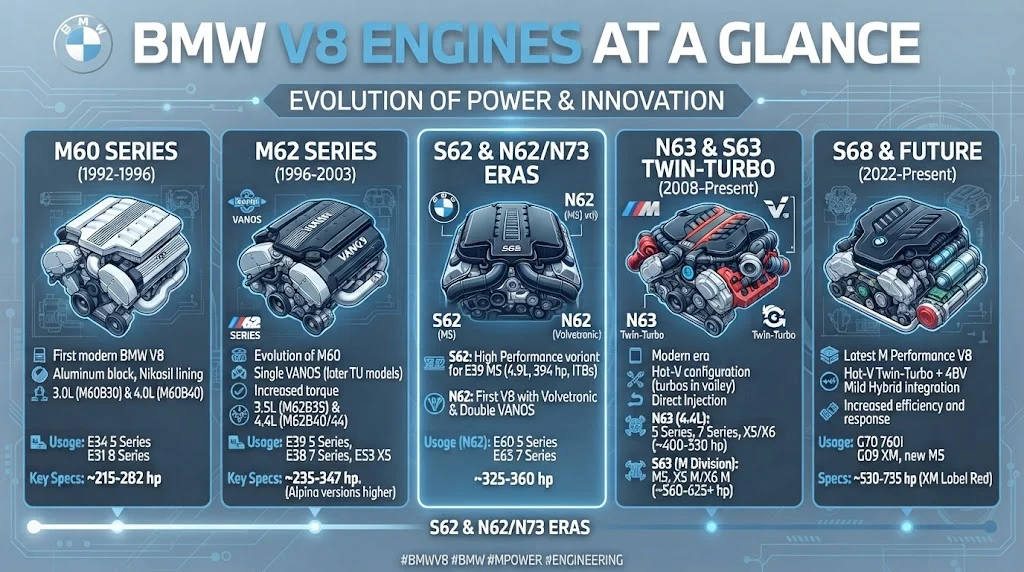
| Engine family | Type and era | Known for |
|---|---|---|
| M60 | Naturally aspirated, 1990s | BMW’s modern V8 return; now primarily an age-and-condition purchase. |
| M62 | Naturally aspirated, 1990s–2000s | Smooth, traditional V8 character with timing-guide and cooling-system attention needed. |
| N62 | Naturally aspirated, 2000s | Advanced Valvetronic design used in luxury applications; labor can drive repair cost. |
| N63 | Twin-turbo, 2008 onward | High torque and broad model use; revision and documented maintenance are crucial. |
| S63 | Twin-turbo BMW M engine | Performance-focused V8 for M cars, with correspondingly demanding ownership needs. |
A brief history of BMW V8 engines
BMW’s modern V8 story moves from the M60 and M62 era of relatively conventional naturally aspirated engines, through the more technically ambitious N62, to the turbocharged N63 architecture. The S63 developed alongside that modern era for BMW M applications. Each step increased output and technology, but also changed how buyers should think about access, heat management and service costs.
BMW M60 V8
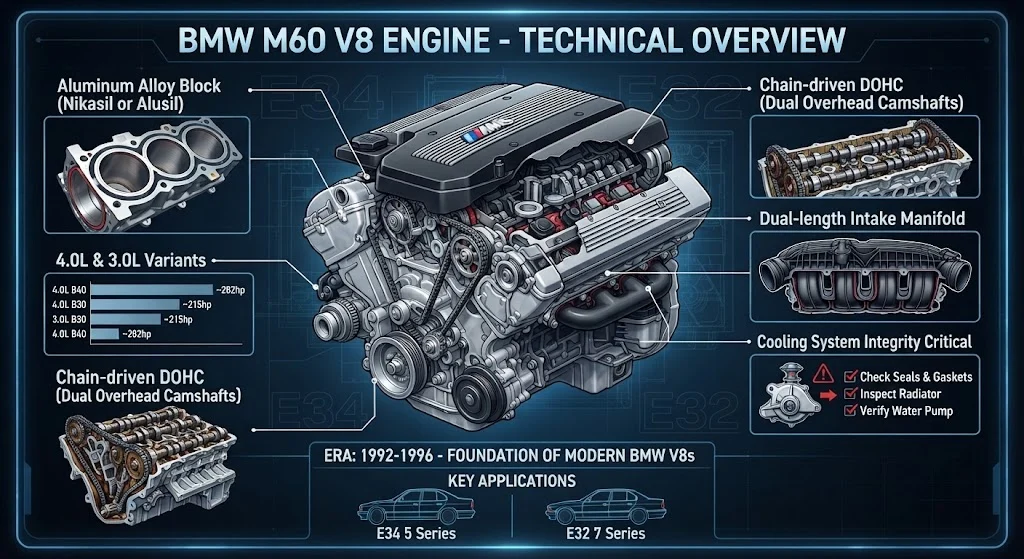
The M60 was BMW’s 1990s return to modern V8 production, appearing in models including the E34 5 Series and E32 7 Series. It is valued for its simple, period-correct feel, but any M60 purchase now depends heavily on cooling-system condition, seals, prior repairs and the overall age of the car rather than mileage alone.
BMW M62 V8
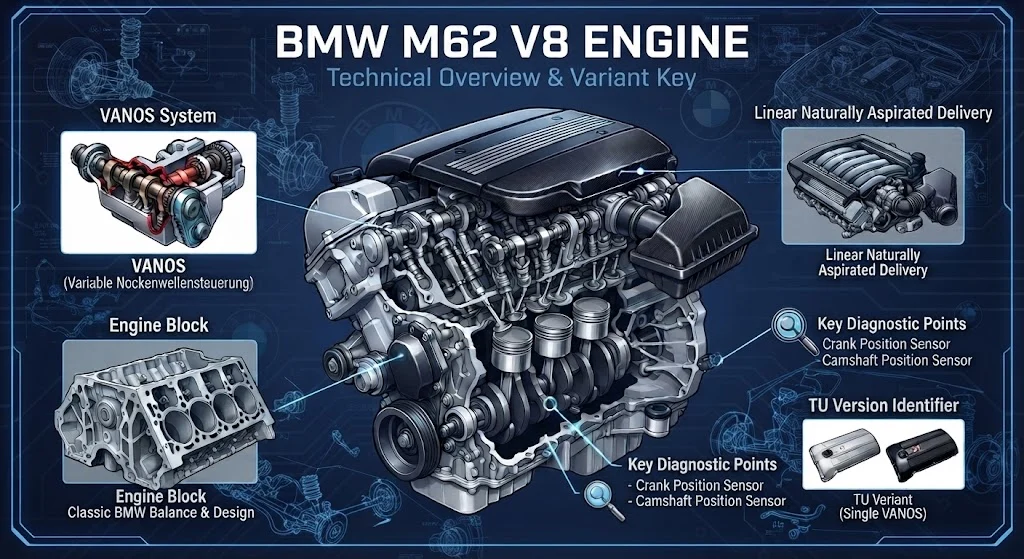
The M62 is one of the best-known BMW V8 engines, notably used in the E39 540i, E38 740i and early X5 4.4i. Its appeal is a linear naturally aspirated delivery and classic BMW balance. Later TU versions added VANOS, so the exact variant matters when assessing condition, parts and diagnostic history.
M62 buying focus
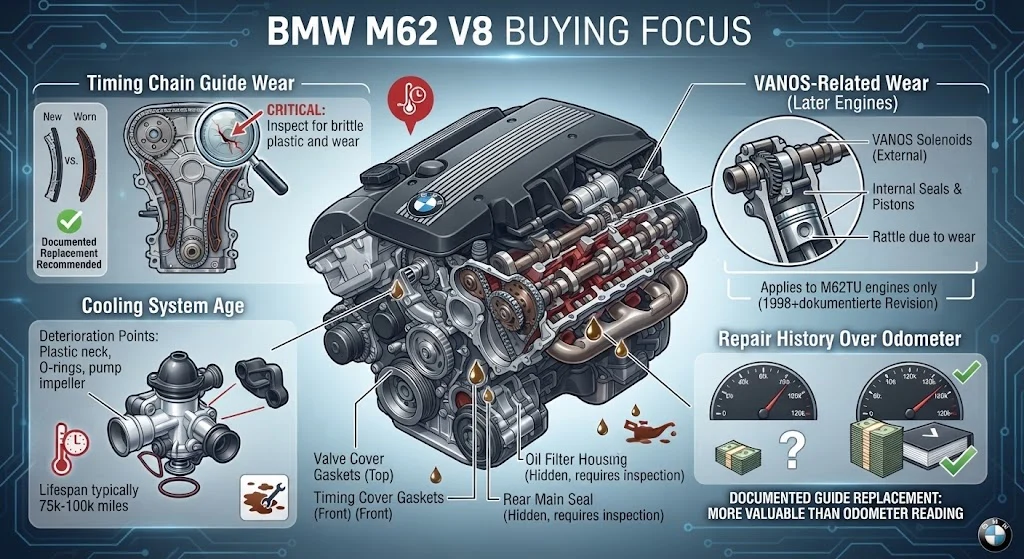
Timing-chain guide wear, cooling-system age, oil leaks and, on later engines, VANOS-related wear are recurring ownership topics. A documented guide replacement can be more meaningful than a low odometer reading with little repair history.
BMW N62 V8
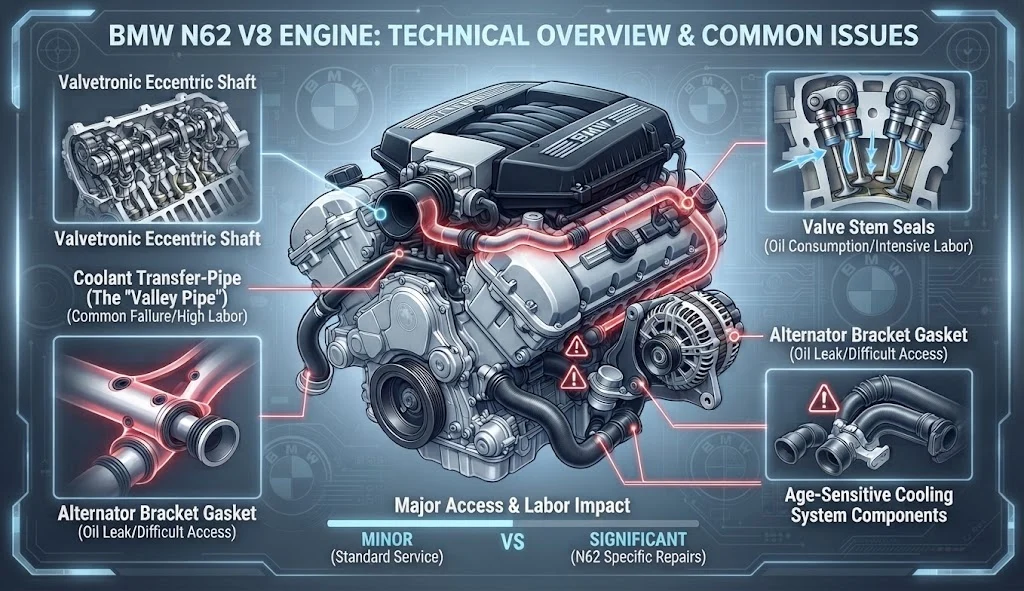
The N62 brought Valvetronic and additional complexity to BMW’s naturally aspirated V8 range. It powered many 545i, 550i, 645i, 650i, 745i, 750i and X5 applications. Common discussions include valve stem seals, coolant transfer-pipe repairs, alternator bracket gasket leaks and other age-sensitive cooling components. These are not minor concerns because access and labor time can be significant.
BMW N63 V8: understand the revision before judging the engine
The N63 is BMW’s twin-turbo non-M V8 architecture, used across 50i, 50i xDrive and later M Performance applications. Its hot-V layout places turbochargers between the cylinder banks, improving packaging and response but concentrating heat around surrounding hardware. Early N63 variants earned a difficult reputation for oil consumption, heat-related degradation and timing-related concerns. BMW introduced technical updates over time, so it is inaccurate to treat every N63-powered BMW as identical. Identify the exact version, production year, service records and completed repair work.
BMW S63 V8
The S63 is BMW M’s high-performance twin-turbo V8 family, used in vehicles such as the M5, M6, X5 M, X6 M and M8. It is related in broad architecture to the N63 but is developed for M-car performance requirements with application-specific hardware, calibration and cooling. It has enormous tuning potential, but the buyer should budget for premium fluids, tires, brakes, cooling-system upkeep and specialist diagnostics—not only engine repairs.
N63 vs. S63: the practical difference
| Feature | N63 | S63 |
|---|---|---|
| Primary purpose | Luxury and high-output non-M BMWs. | BMW M performance models. |
| Character | Strong low-end torque and refined everyday performance. | Higher-output, more track-capable performance emphasis. |
| Ownership focus | Complex luxury-car ownership; maintenance history is decisive. | Usually higher consumable, service and repair exposure. |
Which BMW models have V8 engines?
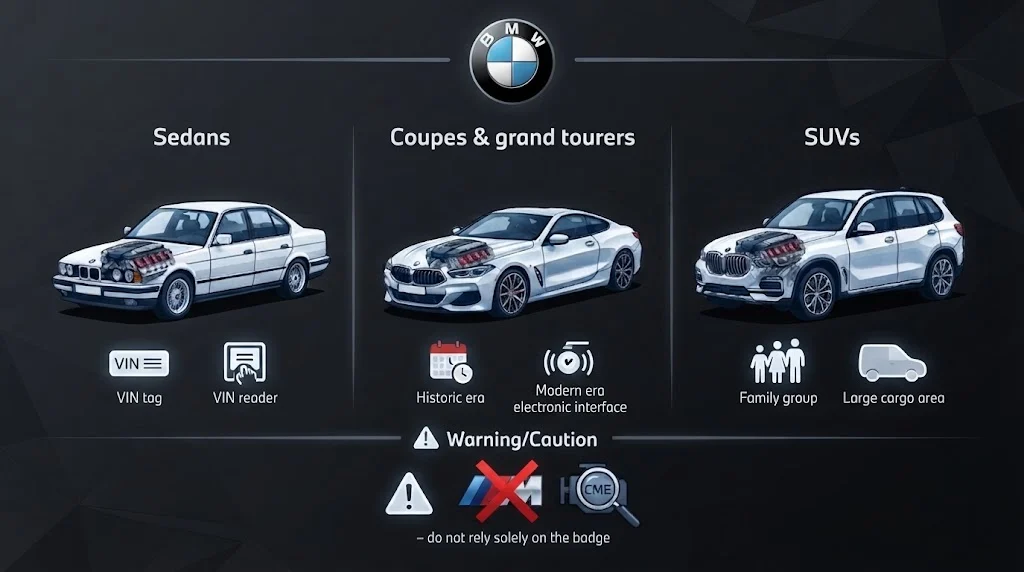
BMW V8 applications vary by market and generation. A badge alone can be misleading: a 540i or 750i from one era may use a V8, while the same naming convention in another era may not. Confirm the VIN, engine code and original specification for the individual car you are considering.
Sedans
Historic 540i and 740i models, many 550i and 750i variants, plus M5 generations have used BMW V8 power.
Coupes & grand tourers
Examples include 645i, 650i, M6, 850i or M850i variants and the M8, depending on generation.
SUVs
X5 and X6 V8 variants, X5 M, X6 M and selected X7 M60i configurations are major V8 BMW SUV choices.
Are BMW V8 engines reliable?
BMW V8 reliability depends on engine family, production revision, maintenance history and prior repair quality. Older naturally aspirated engines are mechanically simpler but face age-related problems. Newer turbocharged engines make far more power but add heat, turbo hardware and compact packaging. A carefully maintained example can be a sensible enthusiast purchase; a neglected one can become expensive quickly.
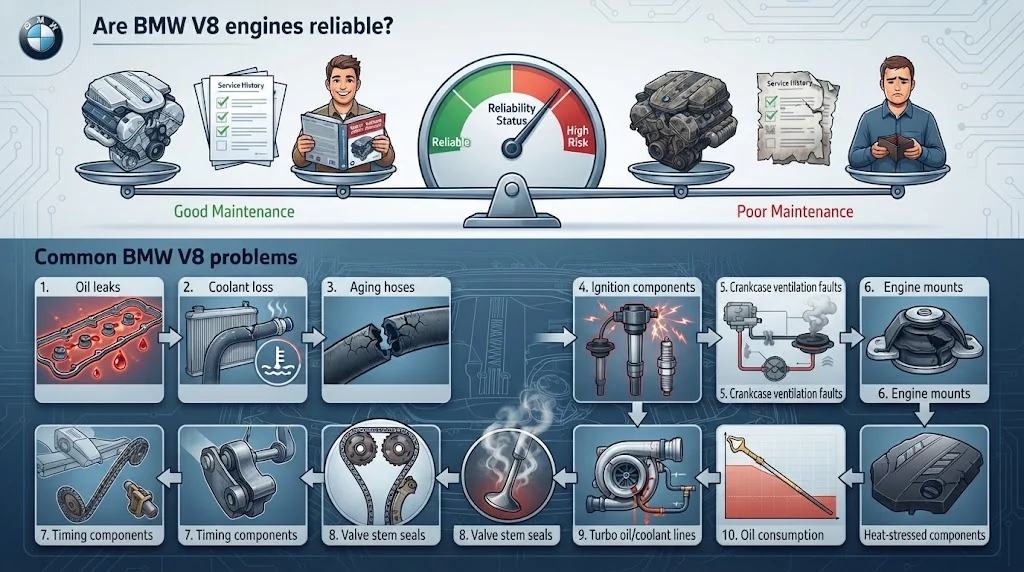
Common BMW V8 problems
Oil leaks, coolant loss, aging hoses, ignition components, crankcase ventilation faults and engine mounts can arise across multiple generations. Timing components are especially important on certain older engines. Valve stem seals, turbo oil or coolant lines, oil consumption and heat-stressed components are more relevant to particular N62, N63 and S63 applications. Not every issue applies to every BMW V8.
| Engine | Main ownership concern |
|---|---|
| M60 / M62 | Timing guides, cooling components, oil leaks and age-related seals. |
| N62 | Valve stem seals, coolant transfer-pipe work and labor-intensive oil leaks. |
| Early N63 | Oil consumption, thermal stress, timing-related concerns and turbo-system service history. |
| Later N63 / S63 | Improved revisions still require disciplined maintenance and a realistic repair reserve. |
Why BMW V8 engines can be expensive to maintain
The issue is often access as much as parts. V8s fill the engine bay, and turbocharged hot-V designs package many heat-sensitive components tightly together. A repair that sounds small can involve substantial disassembly. Ownership budgeting should include preventative cooling work, high-quality oil service, diagnostics and an independent BMW specialist—not merely the purchase price.
Best V8 BMWs to consider
There is no universal best V8 BMW. The right choice depends on whether you value old-school feel, modern long-distance performance, family utility or maximum M-car pace. These are useful starting points for research rather than automatic purchase recommendations.
Best classic V8: E39 540i BMW
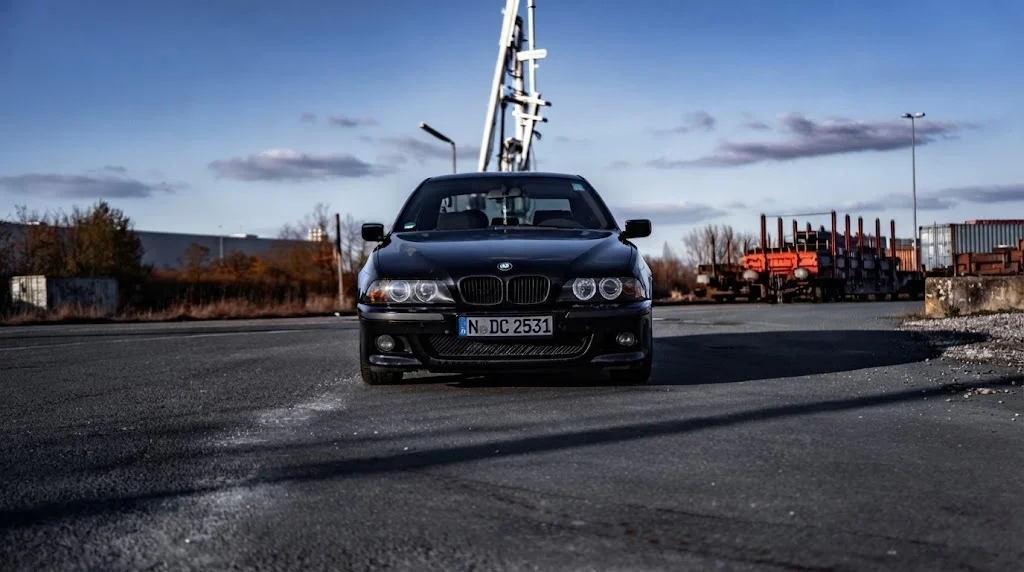
A well-kept M62-powered E39 540i remains a compelling mix of V8 sound, rear-drive balance and usable size. Prioritize evidence of timing-guide and cooling work.
Best performance V8: M5 or M8
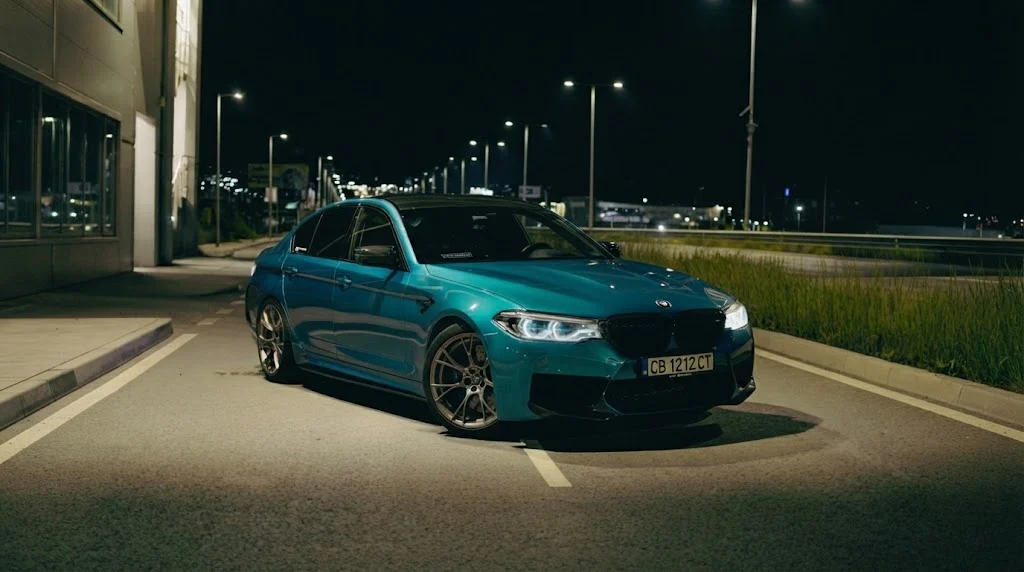
S63-powered BMW M cars pair extraordinary pace with practical luxury. Buy on condition and specialist history, with an ownership budget that matches the performance.
Best V8 SUV: X5 M or X7 M60i
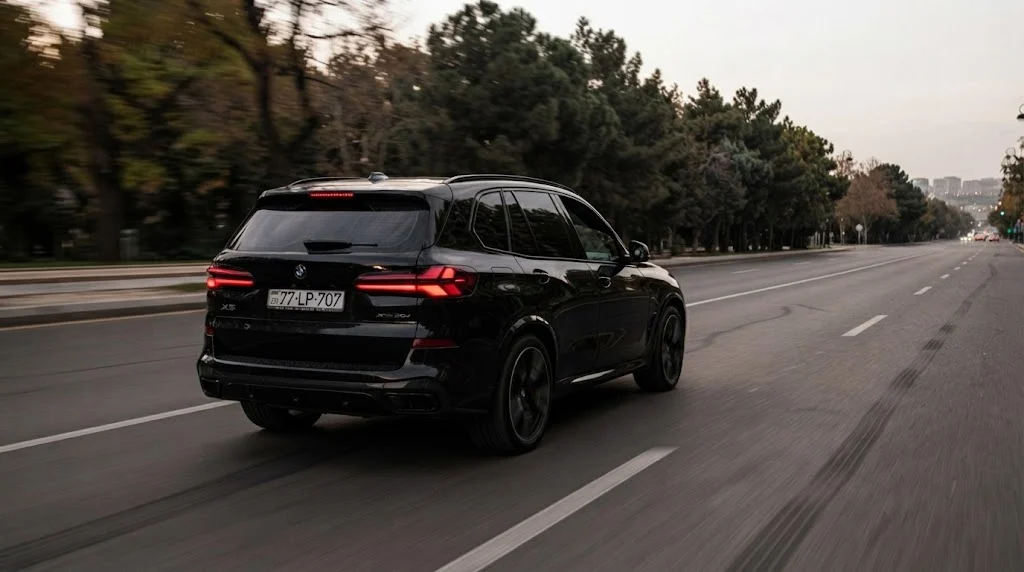
The X5 M prioritizes dramatic performance; an X7 M60i better suits buyers looking for refined three-row V8 comfort. Verify model-year equipment and engine specification.
Naturally aspirated vs. turbocharged BMW V8
| Factor | Naturally aspirated V8 | Turbocharged V8 |
|---|---|---|
| Driving character | Linear response, traditional V8 feel and less peak torque. | Much stronger low-rpm torque and effortless acceleration. |
| Complexity | Lower forced-induction complexity, but age remains a major factor. | More heat, plumbing, sensors and expensive components. |
| Buyer fit | Enthusiasts comfortable with older-car maintenance. | Buyers wanting modern power with a healthy repair reserve. |
BMW V8 vs. BMW inline-six
A BMW V8 offers a distinct sound, effortless torque and prestige, but it generally uses more fuel and costs more to service than a comparable inline-six. For buyers who prioritize predictable running costs, a turbocharged or naturally aspirated BMW inline-six may be the smarter choice. A V8 makes sense when its character and performance are central to the ownership experience.
Frequently asked questions
What is the most reliable BMW V8?
There is no single answer without considering age and service history. Well-maintained naturally aspirated M62 engines appeal for relative simplicity, but they are now old enough that timing guides, cooling parts and seals matter greatly. Later N63 versions deserve more consideration than early examples, but remain complex turbocharged engines.
Is the BMW N63 reliable?
Early N63 variants developed a poor reputation, while later technical updates addressed several known concerns. The responsible approach is to identify the exact engine version, verify maintenance and repair history, check for current faults and avoid judging all N63 cars as identical.
Is the M62 a good engine?
The M62 is admired for its smoothness and traditional BMW V8 character. It can be rewarding when properly maintained, but it should not be treated as maintenance-free. Timing-chain guides, cooling-system health and oil leaks are central inspection points.
Are BMW V8 engines expensive to maintain?
They can be. Parts, labor access, cooling systems, turbocharger hardware and M-car consumables can all raise costs. The best way to reduce surprises is to buy a documented example, have it inspected by a BMW specialist and retain a realistic maintenance reserve.