Anyone who maintains their own car knows the difference between a vehicle that is legal and a vehicle that is right. The inspection sticker is a floor, not a standard, and plenty of cars pass with tires that will not do what the driver assumes they will do in November.
That gap stops being a garage conversation the moment there is a collision, because the condition of your car becomes part of the legal record whether you raise it or not.
Maintenance Is a Statutory Duty, Not Just Good Practice
The equipment rule says maintained, not merely present
Massachusetts does not simply require that a car have brakes. Under the state’s vehicle equipment statute, every motor vehicle operated on a way must have brakes adequate to control its movement, conforming to the registrar’s regulations, and those brakes must at all times be maintained in good working order. Maintained is doing real work in that sentence.
Inspection is periodic, and that is the weakness
The registrar establishes rules for periodic inspection of motor vehicles. A sticker certifies a condition on one day. Tread wears continuously, and a tire that passed in April can be marginal by the first freeze.
What Adjusters Actually Look At
Tread depth first
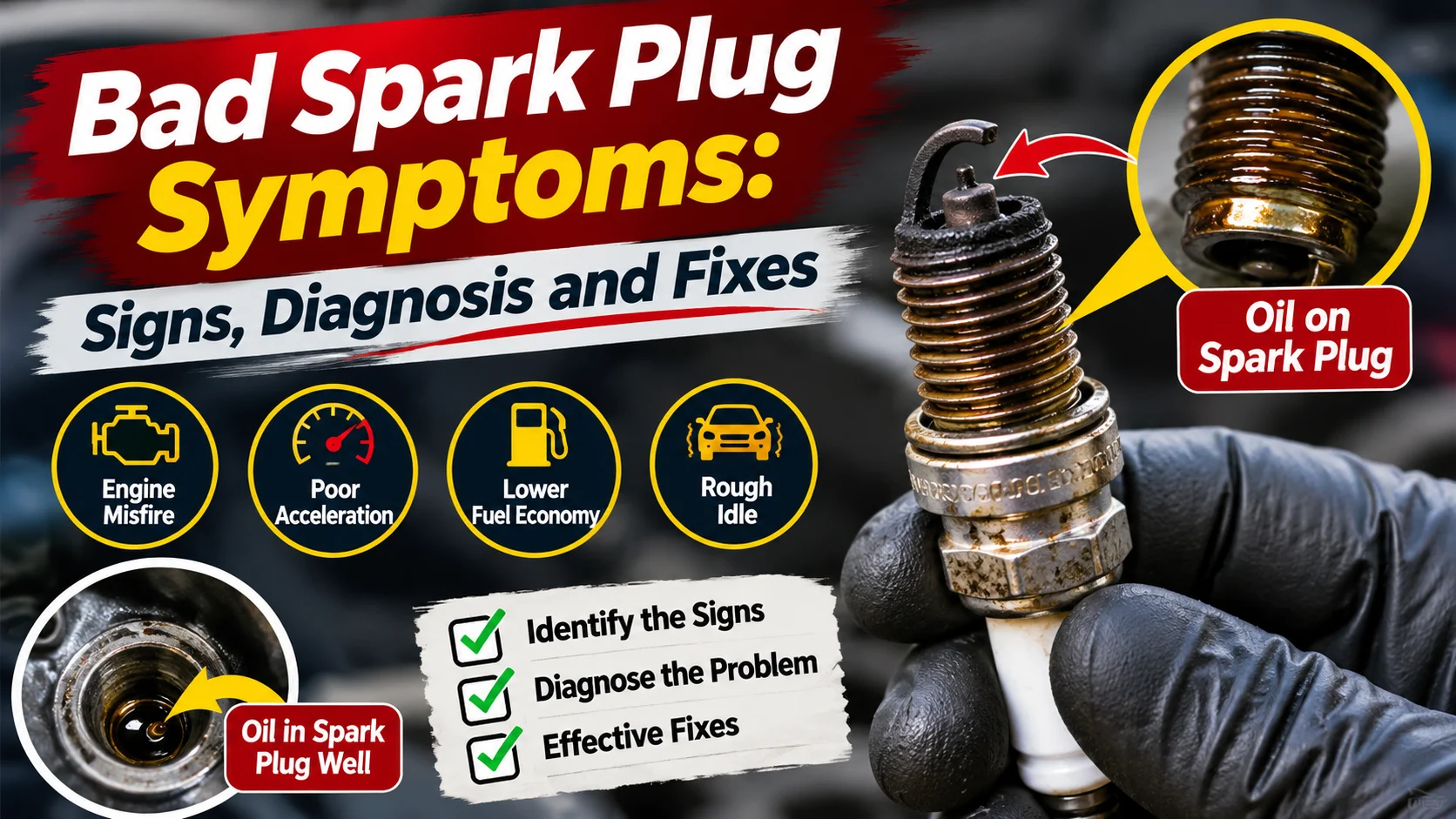
Federal standards for new pneumatic radial tires for light vehicles govern what gets sold, and the wear bars molded into the grooves mark two thirty-seconds of an inch, the point at which a tire is finished. Stopping distance on a wet or snow-covered surface degrades long before that line is reached, which is the practical problem.
Uneven wear tells a longer story
This is the detail enthusiasts understand and adjusters exploit. Feathering, inner-edge wear or cupping is not a snapshot. It is evidence of a condition that developed over thousands of miles, which means it was present and discoverable well before the crash.
Mismatched tires and the wrong tire for the season
Two new tires on one axle and two worn ones on the other, or summer compound in January, are choices rather than oversights. An insurer will characterize them that way.
How This Changes the Claim
A maintenance defect rarely decides who caused a collision. What it does is shift the percentage of responsibility, and in Massachusetts, a percentage assigned to you comes directly off the recovery.
According to personal injury lawyer Nicholas R. Thompson, Principal and Managing Partner at RTRLAW, the condition of the claimant’s own vehicle is one of the first things a carrier examines in a rear-end or loss-of-control case, because worn tires give the carrier a concrete, photographable argument that does not depend on disputing anyone’s account of the collision. Drivers in that position are generally better served talking to a Massachusetts legal support before the vehicle is repaired or released to a salvage yard.
The vehicle is evidence, and it leaves quickly
Once a car is repaired, totaled or sold for parts, the tires are gone and so is any ability to rebut a claim about them. Photograph all four tires, the tread, the sticker and the odometer before anything happens to the vehicle, and keep the right to inspect it if the carrier takes possession.
Service records cut both ways
A documented history of rotations, alignments and replacements is the straightforward answer to an argument that the car was neglected. The absence of records does not prove neglect, but it leaves the question open, and open questions get resolved by whoever has the better exhibit.
Where Maintenance Shifts Responsibility to Somebody Else
The shop that did the work
An alignment performed badly, a wheel not torqued, a brake job that fails early, these are not the driver’s negligence. They belong to the business that performed the service, and the invoice establishes exactly who touched what and when.
The seller of a recently purchased used car
A vehicle sold with a condition that should have been disclosed raises questions separate from the crash itself, and the purchase paperwork is where that begins.
The party that maintained a fleet or leased vehicle
Where the car is leased, owned by an employer or managed under a service contract, the maintenance duty sits with whoever held that obligation rather than with the person behind the wheel. The contract says who was responsible for tires and intervals, and that document is usually more decisive than anything the driver can recall.
Defect rather than wear
A tire that fails structurally while within its service life is a different matter from one worn past its usefulness. Preserving the failed tire rather than letting it go to the dumpster is the entire difference between a theory and a claim.
What Is Worth Doing Before Winter
Check tread with a gauge rather than by eye, across the width of each tire and not just the center. Look for wear patterns that suggest alignment rather than age. Keep receipts in the glovebox or a folder rather than the bin. None of this is new advice to anyone who works on their own car. The part that is new is that each of those receipts is a document that answers an argument a carrier is going to make.