
What is an engine head?
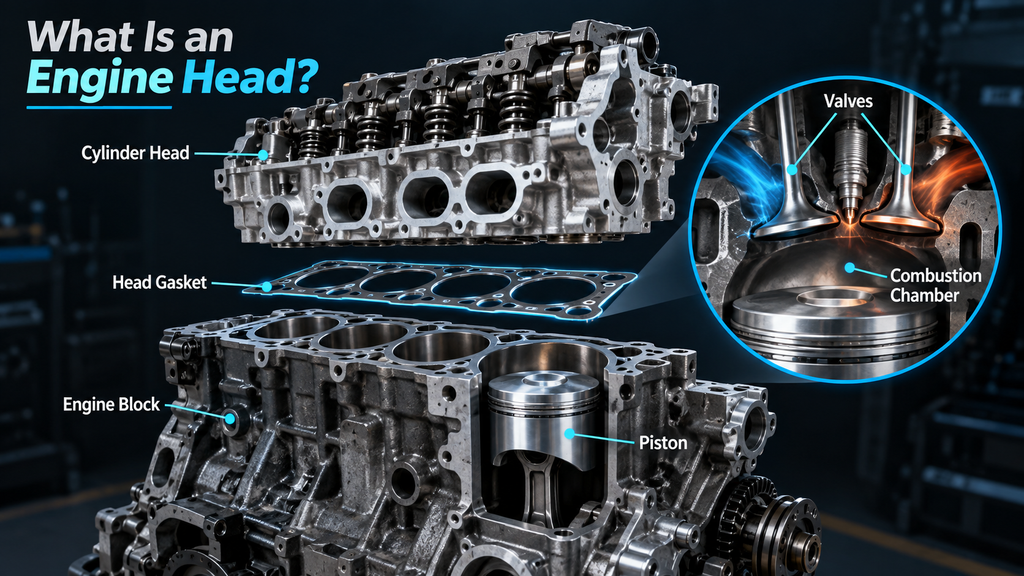
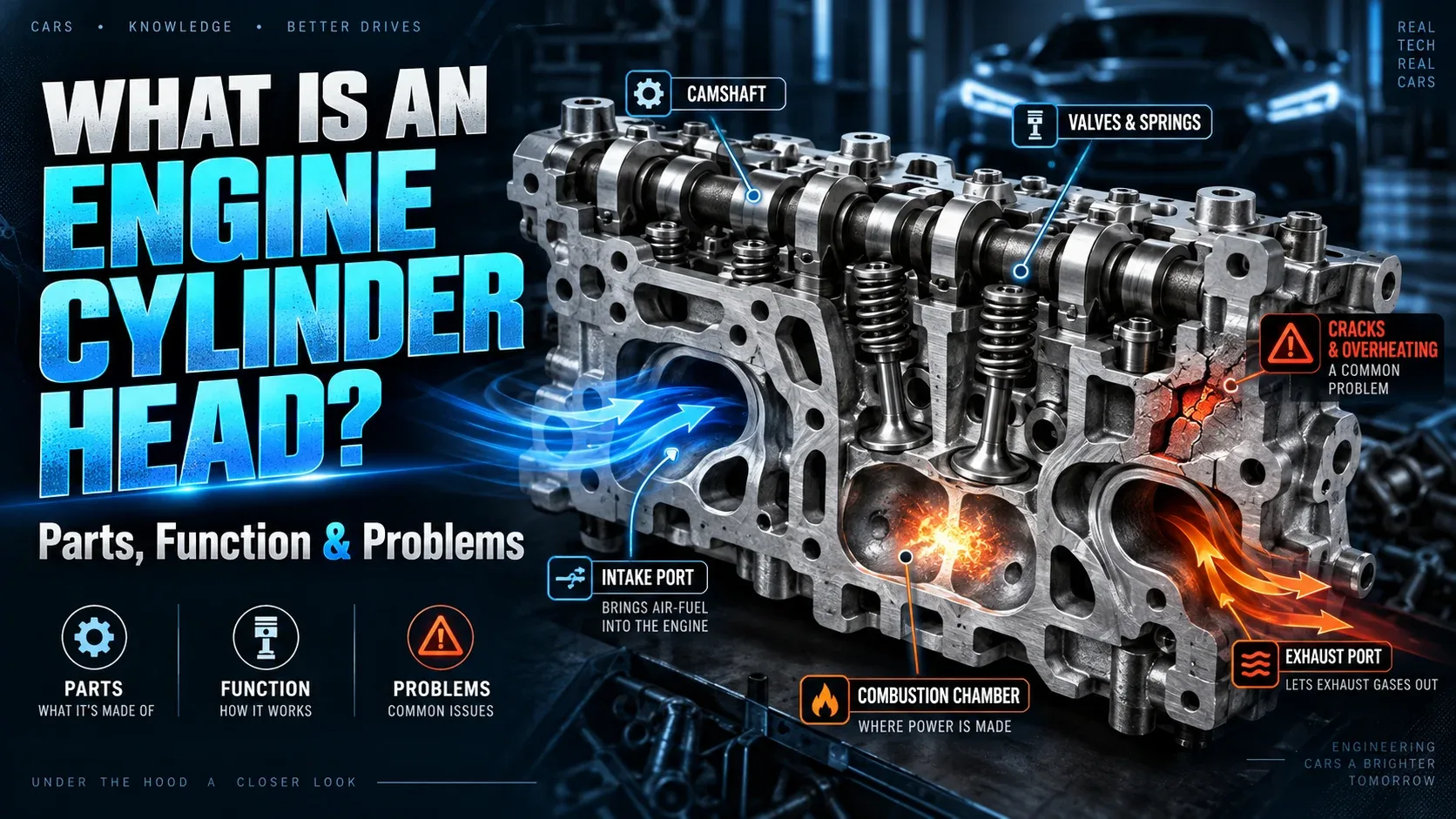
An engine head usually means the cylinder head, the upper section of an engine that sits above the engine block. It helps form the combustion chambers, controls the movement of air and fuel, and provides mounting points for important parts such as valves, camshafts, spark plugs, or injectors.
In simple terms, the engine head helps an engine breathe, burn fuel, and release exhaust. It is a precisely machined component, not just a removable lid. Its design varies widely between gasoline, diesel, hybrid, pushrod, overhead-cam, and multi-cylinder engines.
Quick answer:
The cylinder head sits above the engine block and works with the head gasket to seal each cylinder. Together, the head, block, piston, valves, and gasket create a controlled space where combustion can take place.
Where is the cylinder head located?
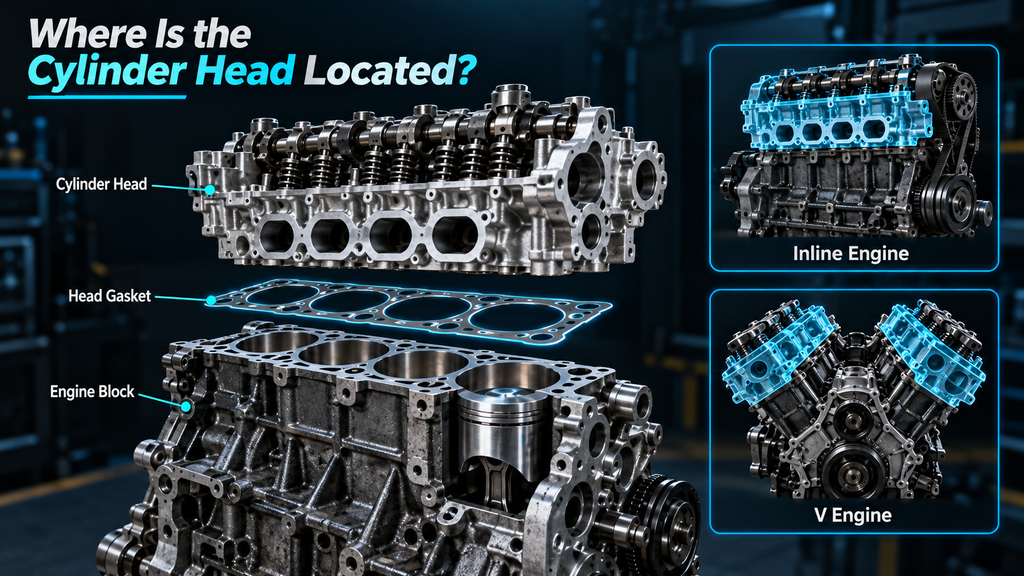
The cylinder head is bolted to the top of the engine block. Between them is the head gasket, which seals combustion pressure while keeping engine oil and coolant in their correct passages. Long bolts or special fasteners clamp the head and block together with a specified tightening sequence and torque.
On a multi-cylinder engine, one head may cover several cylinders. Some engines use separate heads for different banks of cylinders. Access may be from the top of the engine, beneath a valve cover or other components, but the exact arrangement depends on the vehicle and engine design.
How the engine head works through the four strokes
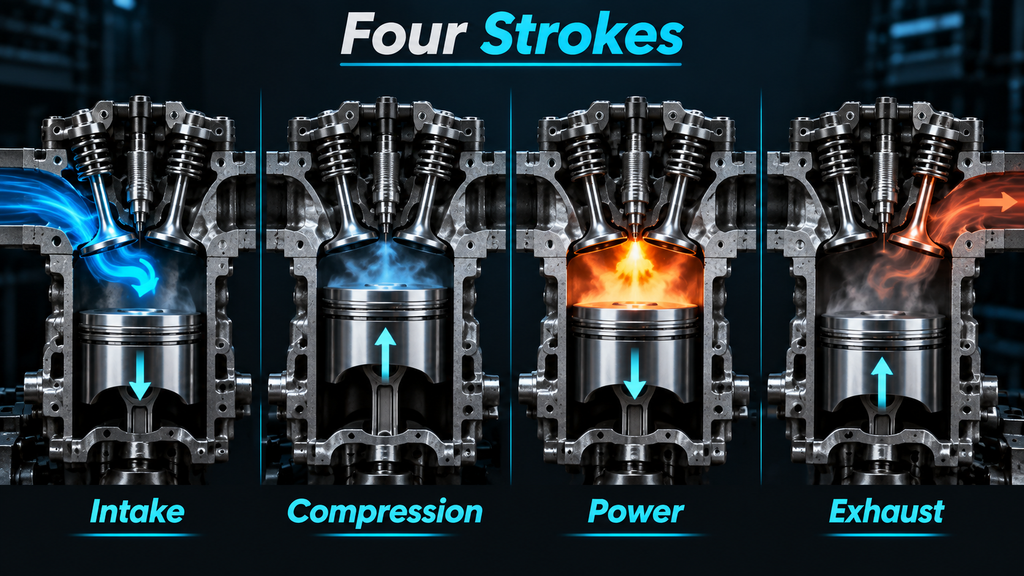
During intake, an intake valve opens so the piston can draw in an air and fuel mixture, or air alone on some diesel engines. During compression, the valves close and the piston compresses the contents of the cylinder.
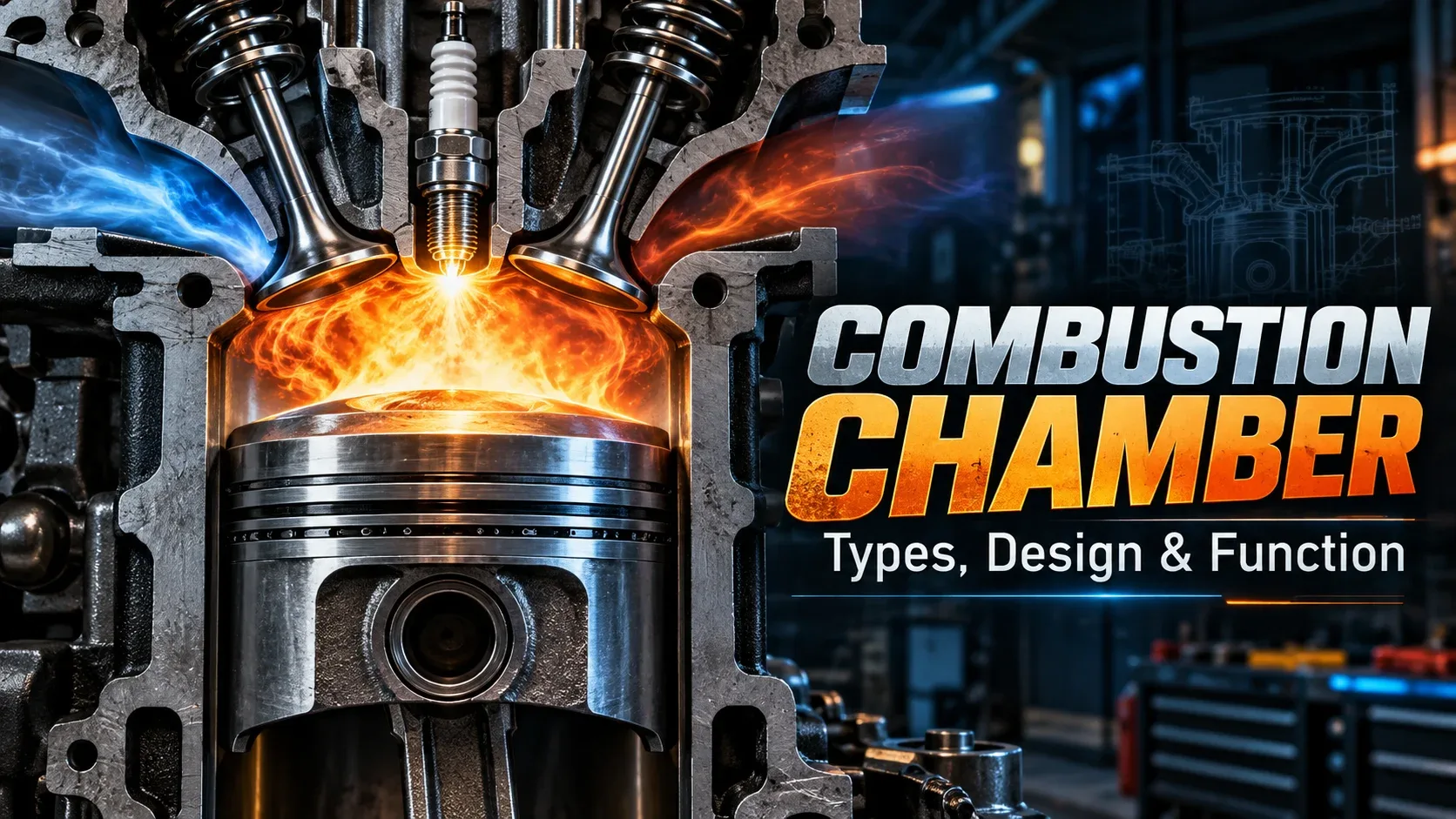
During combustion, a spark plug ignites the mixture in a gasoline engine, or fuel is injected into highly compressed hot air in a diesel engine. Expanding gases push the piston down. During exhaust, the exhaust valve opens and the piston pushes burned gases into the exhaust port.
The cylinder head provides the passages, valve seats, sealing surfaces, and chamber shape that make these events possible. Small changes in head condition can affect compression, airflow, cooling, oil control, emissions, and power.
Cylinder head parts: what is inside the head?
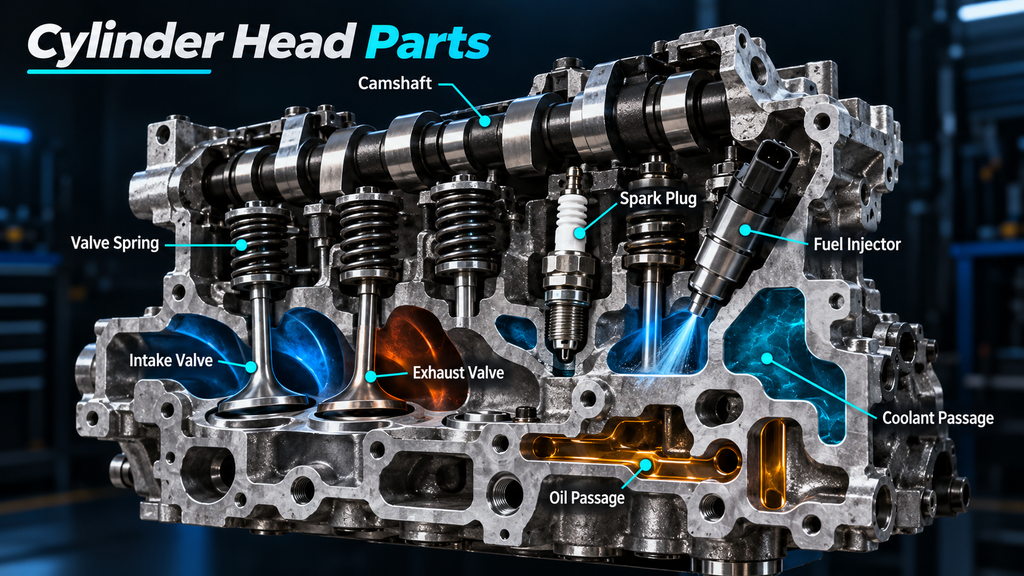
The exact cylinder head parts differ by engine, but the major components commonly include:
- Combustion chambers shape the space above the piston where combustion begins. Their size and shape influence compression and airflow.
- Intake and exhaust ports carry incoming air or air-fuel mixture into the cylinder and move burned gases out. Port shape affects flow and efficiency.
- Intake and exhaust valves open and close the ports. They must seal tightly when closed to maintain compression.
- Valve springs, retainers, and seals keep valves controlled, hold their components in position, and help limit oil entering the combustion area.
- Camshafts or rocker arms operate the valves, depending on whether the engine uses overhead camshafts, a pushrod system, or another design.
- Spark plugs are mounted in gasoline-engine heads. Diesel engines may instead have injector openings and, on some designs, glow plugs.
- Fuel injectors or injector mounting areas deliver fuel directly into the intake area or combustion chamber, depending on the engine. Some gasoline and diesel layouts place injectors in different locations.
- Coolant passages carry coolant around hot areas. Oil passages supply lubrication to parts such as camshafts and valve-train components.
How the head works with the rest of the engine
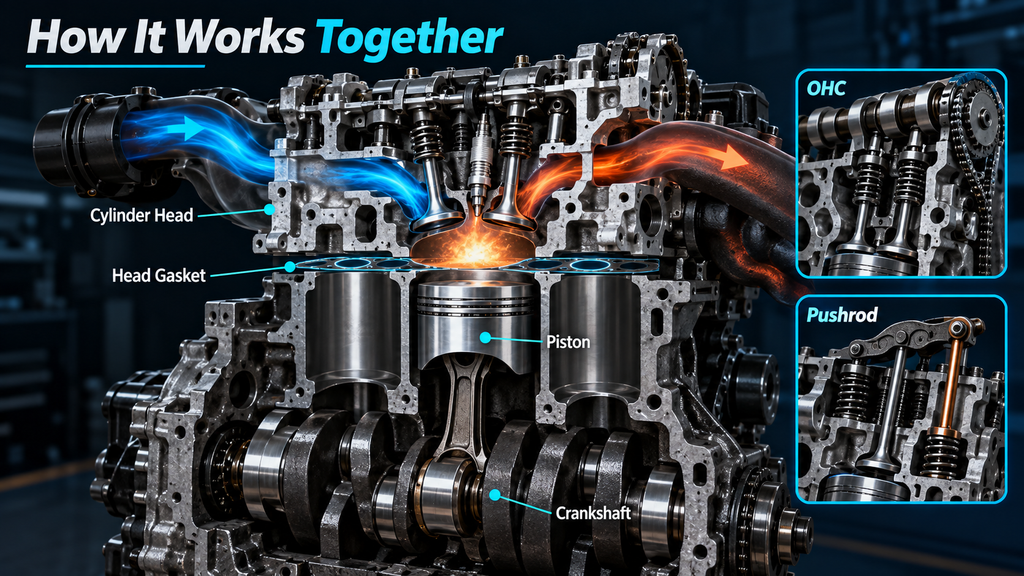
The piston moves inside the engine block, while the cylinder head closes the top of the cylinder. The head gasket seals the joint. The camshaft, rocker arms, or other valve-train parts open the valves at the correct time. Spark plugs or injectors provide the ignition or fuel delivery required by the engine design.
An overhead-cam engine may place one or more camshafts in the head. A pushrod engine may keep the camshaft lower in the block and use lifters, pushrods, and rocker arms to operate the valves. Hybrid vehicles can still use conventional gasoline or diesel cylinder heads, although the vehicle also has electric drive components. There is no single layout that applies to every engine.
Engine head, cylinder head, head gasket, and valve cover
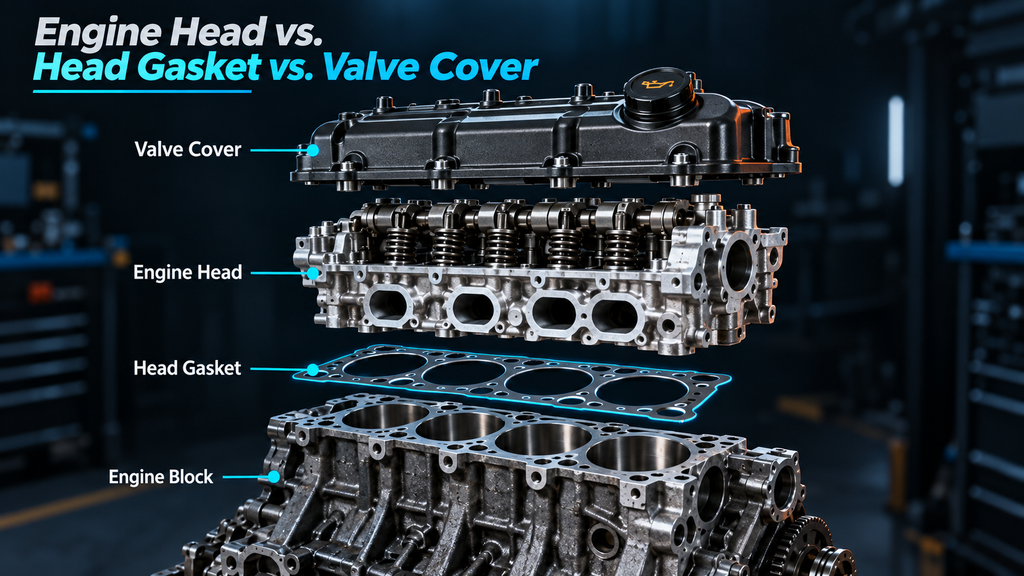
| Component | What it is | Primary role |
| Engine head or cylinder head | The machined upper engine casting | Forms chambers and houses or supports valves, ports, and related parts |
| Head gasket | A sealing layer between head and block | Separates combustion pressure, coolant, and oil passages |
| Valve cover | A removable cover over the upper head area | Helps contain oil and protect valve-train components |
Bad cylinder head symptoms
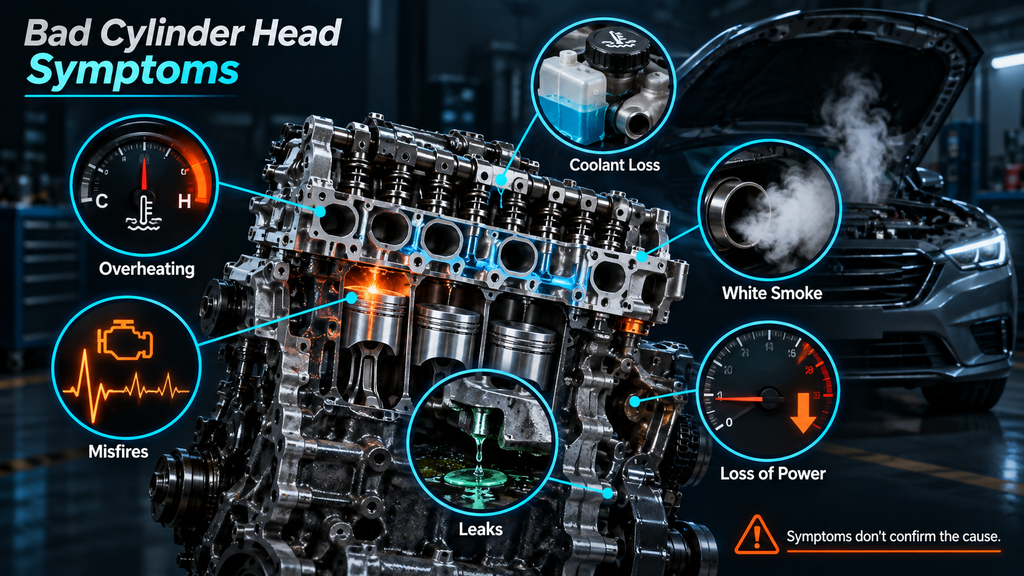
Possible symptoms of a cylinder-head or head-gasket problem include overheating, unexplained coolant loss, white exhaust smoke or steam, rough running, misfires, low compression, hard starting, coolant mixed with oil, oil mixed with coolant, bubbles or combustion gases in the cooling system, external leaks, and loss of power.
These signs are not proof of a bad cylinder head. For example, overheating can result from a cooling fan, thermostat, radiator, water pump, hose, or other fault. Rough running can come from ignition, fuel, sensor, or compression problems. White exhaust can have more than one explanation. Testing is needed to distinguish a possible cause from a confirmed finding.
Head gasket vs cracked or warped cylinder head
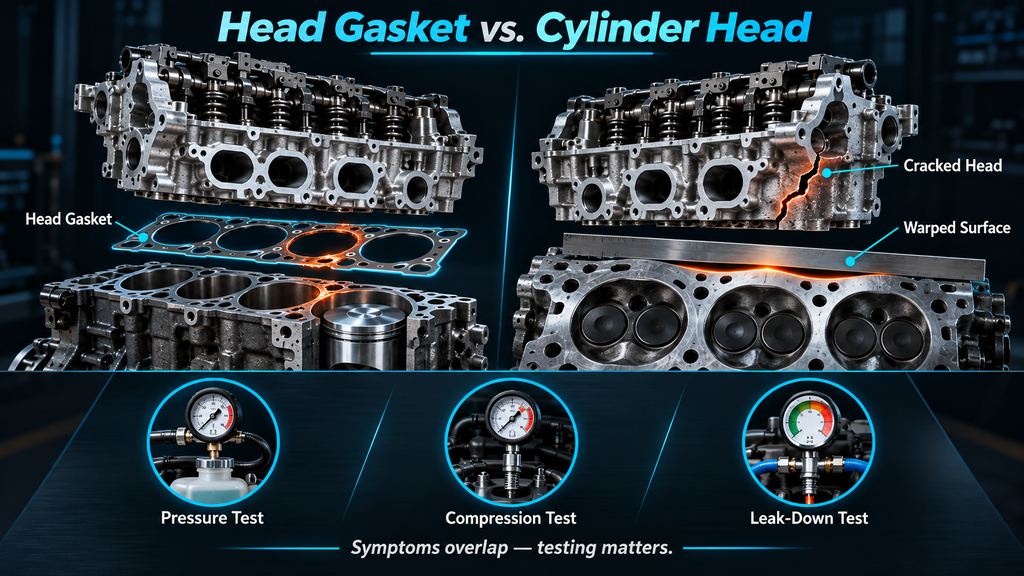
| Question | Head gasket | Cracked or warped cylinder head |
| What is it? | A sealing layer between the head and block | The metal or alloy component above the block |
| How can it fail? | It can burn through, leak, or lose clamping seal | It can crack or distort after heat, stress, impact, corrosion, or other damage |
| Possible overlap | Coolant loss, overheating, misfires, contamination, and combustion gases in coolant | The same symptoms can occur if the damage affects sealing or internal passages |
| Why testing matters | Pressure, gas, compression, and leak-down tests can identify evidence of leakage | Disassembly, measurement, pressure testing, and crack inspection may be needed to confirm the casting condition |
Frequently asked questions
Is an engine head the same as a cylinder head?
Usually, yes. “Engine head” is an informal term commonly used for the cylinder head, the upper engine component above the block. Terminology can vary, so confirm the part name in the vehicle’s service information or repair estimate.
Can a cracked cylinder head be repaired?
Sometimes. Repair depends on the material, crack location, size, accessibility, machine-shop process, and manufacturer limits. Some cracks are repairable, while others make replacement the more reliable or economical choice.
Can overheating warp a cylinder head?
Yes. Severe or uneven overheating can distort the head sealing surface. Measurement is required to determine whether it is within the manufacturer’s limit and whether machining is permitted.
Can a bad head gasket damage the cylinder head?
Yes. A failed gasket can allow combustion gases or coolant to create additional heat, erosion, or corrosion. The head may also have been damaged by the overheating event that caused the gasket failure. Inspection is needed to separate these findings.
How serious is driving with a cylinder-head problem?
It can be very serious, especially if the engine is overheating, losing coolant, misfiring severely, or contaminating its oil. Stop safely and seek professional advice rather than relying on one symptom or continuing to drive until the engine fails.