Every car reaches the end of its road eventually. Whether through age, accumulated problems, a major mechanical failure, or damage that costs more to fix than the car is worth, there comes a point where repairing a vehicle no longer makes sense. When a car reaches this stage, many owners are unsure what to do with it. It cannot easily be sold to someone who wants to drive it, it takes up space, and it may not even run. Understanding the options for a car that is not worth repairing helps an owner deal with it sensibly, clearing the vehicle and often getting some value from it rather than letting it sit indefinitely. Here is what to consider when a car reaches the end of the road.
Recognizing When a Car Is Not Worth Repairing
The first step is recognizing when a car has genuinely reached the end of its useful life, which is not always obvious. The general principle is that a car is not worth repairing when the cost of the necessary repairs exceeds the car’s value, or represents so large a fraction of it that the repair makes no economic sense. A major mechanical failure in an older, low-value car is a classic example, as is significant damage to a vehicle that was not worth much to begin with.
Other signs include a car that needs frequent, escalating repairs, where continuing to fix it becomes an ongoing drain, and a vehicle so old or deteriorated that repairs would not restore it to reliable use. When repair costs approach or exceed what the car is worth, or when the car has become unreliable despite repairs, it has effectively reached the end of the road. Recognizing this honestly, rather than continuing to pour money into a car that cannot justify it, is the key to deciding it is time to move on. Once that decision is clear, the question becomes what to do with the vehicle.
The Problem With Just Letting It Sit
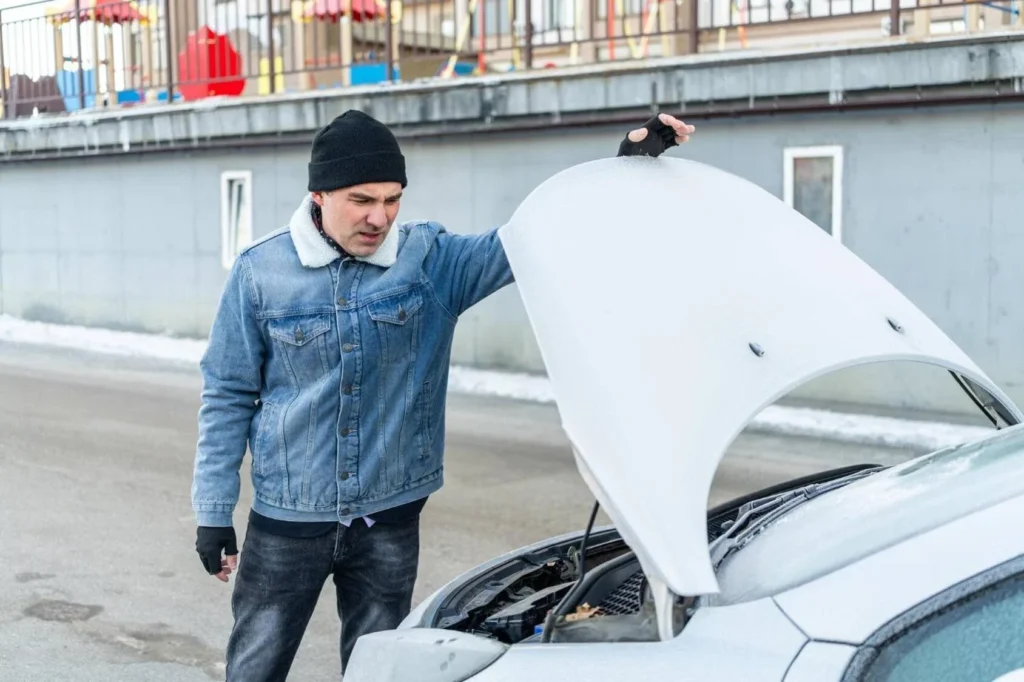
A common response to a car that is not worth repairing is to do nothing, leaving it parked in a driveway, yard, or garage. This is understandable, since dealing with a dead car seems like a hassle, but letting it sit creates its own problems. The car takes up valuable space that could be used for something else, and an unused vehicle deteriorates further over time, becoming increasingly worthless and potentially an eyesore or nuisance.
There can be other downsides too, from the car becoming a home for pests to potential issues with local regulations about inoperable vehicles, depending on the area. And a car left to sit only loses whatever residual value it might have had, since even a non-running car has some worth that diminishes as it deteriorates. Rather than letting an end-of-the-road car become a lingering problem, dealing with it promptly clears the space, avoids the downsides of a deteriorating vehicle, and captures whatever value the car still holds. Taking action is better than indefinite inaction.
Junk Car Removal as a Solution
For a car that is no longer worth repairing, selling it through specialist Vehicle Buyers can provide a straightforward way to move on from the problem. These services typically purchase older, damaged, non-running, or end-of-life vehicles directly from owners, often arranging collection as part of the process.
This option is especially useful when a conventional private sale is unlikely to attract much interest. A car with serious mechanical problems, accident damage, extensive wear, or a failed inspection may still have value to a specialist buyer even if it is no longer practical to keep on the road.
For the owner, that can simplify what might otherwise become a time-consuming process. Instead of advertising the vehicle, arranging viewings, and negotiating with individual buyers, the transaction can often be handled in a much more direct way. Collection removes the burden of transporting a non-running car, while the sale itself can still return some value from a vehicle that may have seemed difficult to dispose of.
For cars that have reached the end of their useful life, working with specialist Vehicle Buyers offers a practical route to clearing space, avoiding further repair costs, and turning an unwanted vehicle into a manageable transaction.
Getting Value From an End-of-the-Road Car
Owners are often surprised that a car not worth repairing still has value, but it does, and understanding why helps. Even a non-running or damaged vehicle contains materials and parts with worth. The metal in a car has scrap value, and usable parts can be salvaged, which is why services purchase end-of-the-road vehicles rather than simply hauling them away for free. This residual value is what an owner can capture by dealing with the car properly.
There is an environmental dimension too. Industry guidance from the Recycled Materials Association, which represents the scrap recycling industry, notes that recycling metals conserves resources and keeps usable materials in productive use, and end-of-life vehicles are among the most extensively recycled products. Handling a junk car through proper removal means its materials are typically recycled and its usable parts salvaged, which is better environmentally than letting it rot. For the owner, this means dealing with an end-of-the-road car is not just convenient but responsible, capturing the car’s residual value while ensuring its materials are handled properly. Getting value from a car that seemed worthless is a genuine benefit of dealing with it correctly.
Clearing the Road Ahead
When a car reaches the end of its road, no longer worth repairing and unable to be sold conventionally, dealing with it sensibly is far better than letting it sit and deteriorate. Recognizing when a car is genuinely not worth repairing, understanding the downsides of leaving it to sit, and using junk car removal to clear it are the steps to handling an end-of-the-road vehicle well.
Junk car removal offers a convenient, practical solution that deals with the car regardless of condition, removing it from the owner’s hands, freeing the space it occupied, and often providing some payment while ensuring the vehicle’s materials are recycled responsibly. Rather than letting a worthless-seeming car become a lingering problem, an owner can clear it away and capture its residual value in a single straightforward step. When a car reaches the end of the road, dealing with it properly clears the way, literally and figuratively, for whatever comes next.