Classic cars have a way of capturing attention that modern vehicles often cannot.
Whether it’s the unmistakable rumble of a vintage V8, the elegant curves of a classic European coupe, or the nostalgia of a restored pickup truck, these vehicles offer an experience that goes far beyond transportation.
For many enthusiasts, owning a classic car isn’t about making money or building a collection. It’s about enjoying the drive, preserving automotive history, and creating memories behind the wheel.
The Appeal of Classic Cars
Every classic vehicle tells a story.
Unlike many modern cars that prioritize technology and efficiency, older vehicles showcase unique styling, handcrafted details, and mechanical simplicity that many enthusiasts appreciate.
Driving a classic car often feels more connected. You hear the engine, feel the steering, and become more involved in every mile of the journey.
That experience is what draws so many people into the hobby.
Classic Car Ownership Comes with Responsibility
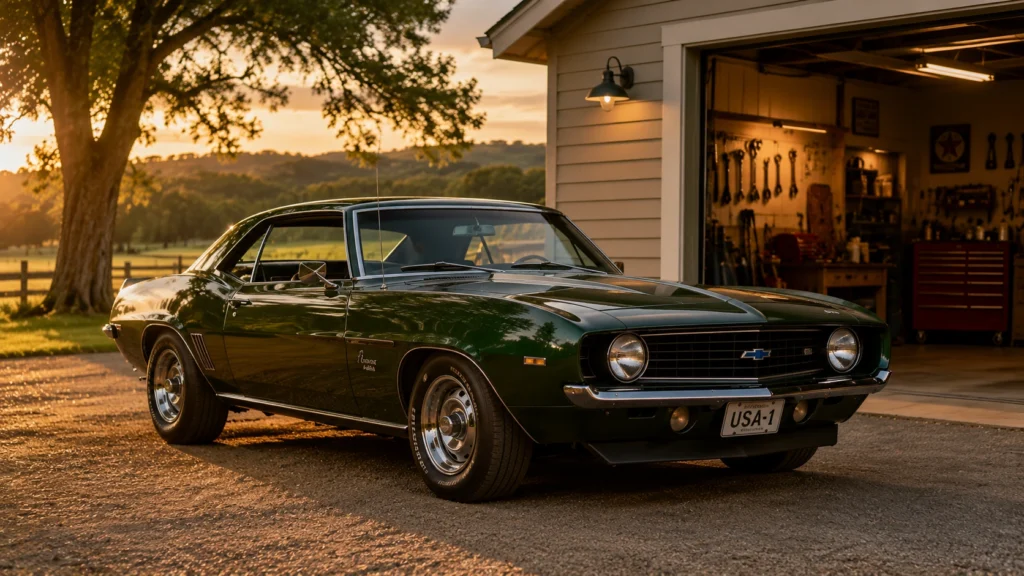
Owning a classic vehicle can be incredibly rewarding, but it also requires commitment.
Unlike newer cars, older vehicles often need:
- Regular maintenance
- Preventive inspections
- Proper lubrication
- Rust protection
- Careful storage
- Periodic replacement of aging components
Rubber seals dry out over time.
Electrical systems may require occasional attention.
Suspension components, cooling systems, and fuel lines can wear simply because of age.
These aren’t necessarily signs of poor reliability—they’re simply part of caring for an older automobile.
Storage Matters More Than Many People Realize
Where a classic car spends most of its time is almost as important as how often it’s driven.
A dry, enclosed garage helps protect:
- Paint
- Chrome trim
- Leather interiors
- Rubber weather seals
- Electrical components
Long-term exposure to sunlight, moisture, or fluctuating temperatures can accelerate wear.
Many owners also use battery maintainers and breathable car covers when storing vehicles for extended periods.
Regular Driving Is Actually Beneficial
One common misconception is that classic cars should rarely be driven.
In reality, many vintage vehicles perform better when exercised regularly.
Occasional drives help:
- Circulate fluids
- Prevent seals from drying out
- Keep batteries charged
- Reduce flat spots on tires
- Identify small mechanical issues before they become expensive repairs
Even a short weekend drive can contribute to a vehicle’s long-term health.
Maintenance Is Part of the Experience
Classic car ownership is different from owning a modern commuter vehicle.
Maintenance becomes part of the hobby.
Some owners enjoy:
- Learning basic repairs
- Researching original parts
- Restoring trim pieces
- Keeping maintenance records
- Improving reliability while preserving originality
For many enthusiasts, spending an afternoon in the garage is just as satisfying as taking the car on the road.
Not Every Classic Needs to Be Perfect
Many first-time buyers assume every classic car must become a concours-quality restoration.
That isn’t always the goal.
Some of the most enjoyable classics are honest drivers—vehicles with a few imperfections that are regularly used and appreciated.
Small paint chips, minor wear, and signs of age often become part of the vehicle’s character.
Rather than worrying about preserving perfection, many enthusiasts focus on preserving enjoyment.
Choosing the Right Classic Car
Before purchasing a classic vehicle, it’s worth considering how you plan to use it. Some enthusiasts even explore a classic car lease before committing to ownership, simply to experience a vintage model and better understand whether it suits their lifestyle. Regardless of the path you choose, taking time to evaluate your needs can help you make a more informed decision.
Ask yourself:
- Will you drive it regularly or only occasionally?
- Do you have secure storage?
- Are replacement parts readily available?
- Can local mechanics service this model?
- Does it fit your lifestyle and driving habits?
Buying a car that matches your expectations usually leads to a much more enjoyable ownership experience.
Learn Before You Buy
Research can save both money and frustration.
Before choosing a classic vehicle:
- Read owner forums.
- Learn common mechanical issues.
- Review maintenance schedules.
- Understand parts availability.
- Check for rust and previous repairs.
- Arrange a professional inspection whenever possible.
A thorough inspection often reveals issues that photographs cannot.
The Community Is Part of the Fun
One of the biggest rewards of classic car ownership is the community.
Owners frequently attend:
- Cars and coffee events
- Local cruise nights
- Vintage car shows
- Charity drives
- Automotive festivals
These gatherings provide opportunities to meet fellow enthusiasts, exchange maintenance tips, and appreciate a wide variety of vehicles.
Many lifelong friendships begin with a shared passion for classic automobiles.
Enjoy the Journey
Classic cars aren’t just about reaching a destination.
They’re about slowing down and appreciating the drive.
The sound of the engine, the feel of the steering, and the attention these vehicles receive create an experience that’s difficult to replicate with modern transportation.
Every drive becomes an opportunity to connect with automotive history.
Final Thoughts
Owning a classic car is about much more than possessing a unique vehicle.
It involves regular maintenance, thoughtful storage, ongoing learning, and a genuine appreciation for automotive craftsmanship.
Whether you’re considering your first vintage car or adding another vehicle to your garage, understanding the responsibilities of ownership helps ensure the experience remains enjoyable for years to come.
For enthusiasts who value history, craftsmanship, and memorable drives, classic cars continue to offer an experience that few modern vehicles can match.