Resale value gets discussed as though it’s a property of the badge on the bonnet. Some of it is, and considerably more of it comes down to six mechanical realities that determine whether a car costs you a little or a lot across the years you own it. Two identical models can diverge by thousands depending on how these fall.
None of them are visible in a listing photograph, and all of them are checkable before you buy. Buyers comparing options around Perth are frequently weighing purchase price against a total cost they haven’t calculated.
Here’s exactly what to check: the six mechanical details that actually predict how a car will hold up long after the sale is done.
Timing Belt Versus Timing Chain
This single design choice separates a car with a large scheduled expense from one without. Timing belts require replacement at defined intervals and are typically expensive because the labor is substantial, and failure to replace one on schedule can destroy the engine entirely.
Timing chains are generally designed to last the life of the engine, though some designs have known stretching problems that are equally expensive. Establishing what your prospective car has and when a belt was last changed, if applicable, is one of the higher-value checks available. A belt due within six months is a negotiating point worth thousands.
Transmission Type and Its Service Requirements
Transmissions vary enormously in longevity and repair cost, and the differences don’t correlate neatly with price or brand.
- Conventional automatics: generally the most repairable and familiar to most mechanics
- Dual-clutch units: can need clutch pack service at intervals owners often don’t anticipate
- Continuously variable transmissions (CVTs): some designs are effectively unrepairable and require full replacement
- Fluid condition as a warning sign: dark or burnt-smelling transmission fluid indicates wear that’s expensive to address regardless of transmission type
Checking fluid condition takes only a moment, but it’s one of the clearest signals available for how well a transmission has actually been maintained.
Turbocharging Adds Performance and Maintenance
Turbocharged engines have become standard across mainstream models, and they carry service demands that naturally aspirated engines don’t. Turbos depend on oil quality and cooling, which makes service history considerably more consequential.
A turbo engine with irregular oil changes is a genuine risk rather than a theoretical one, since bearing failure is expensive and frequently arrives without much warning. Buyers browsing cars for sale perth should weigh oil change history more heavily on turbocharged models than on naturally aspirated equivalents.
Parts Availability and Local Support
A mechanically sound car can still be expensive to own if parts are difficult to source. This affects less common imports and models withdrawn from the local market, where components arrive slowly and at a premium. Dealers, including Carmart Perth, list vehicle history alongside their stock, which is worth reviewing since a car’s supply situation is part of what determines running costs.
It’s also worth running a PPSR check through the government register, which for a small fee confirms whether a vehicle is recorded as free from debt and generally shows whether it’s been reported stolen or written off. A written-off history affects both what you’ll pay and what you’ll recover later, which makes it a value question rather than only a safety one.
Suspension Design and Component Cost
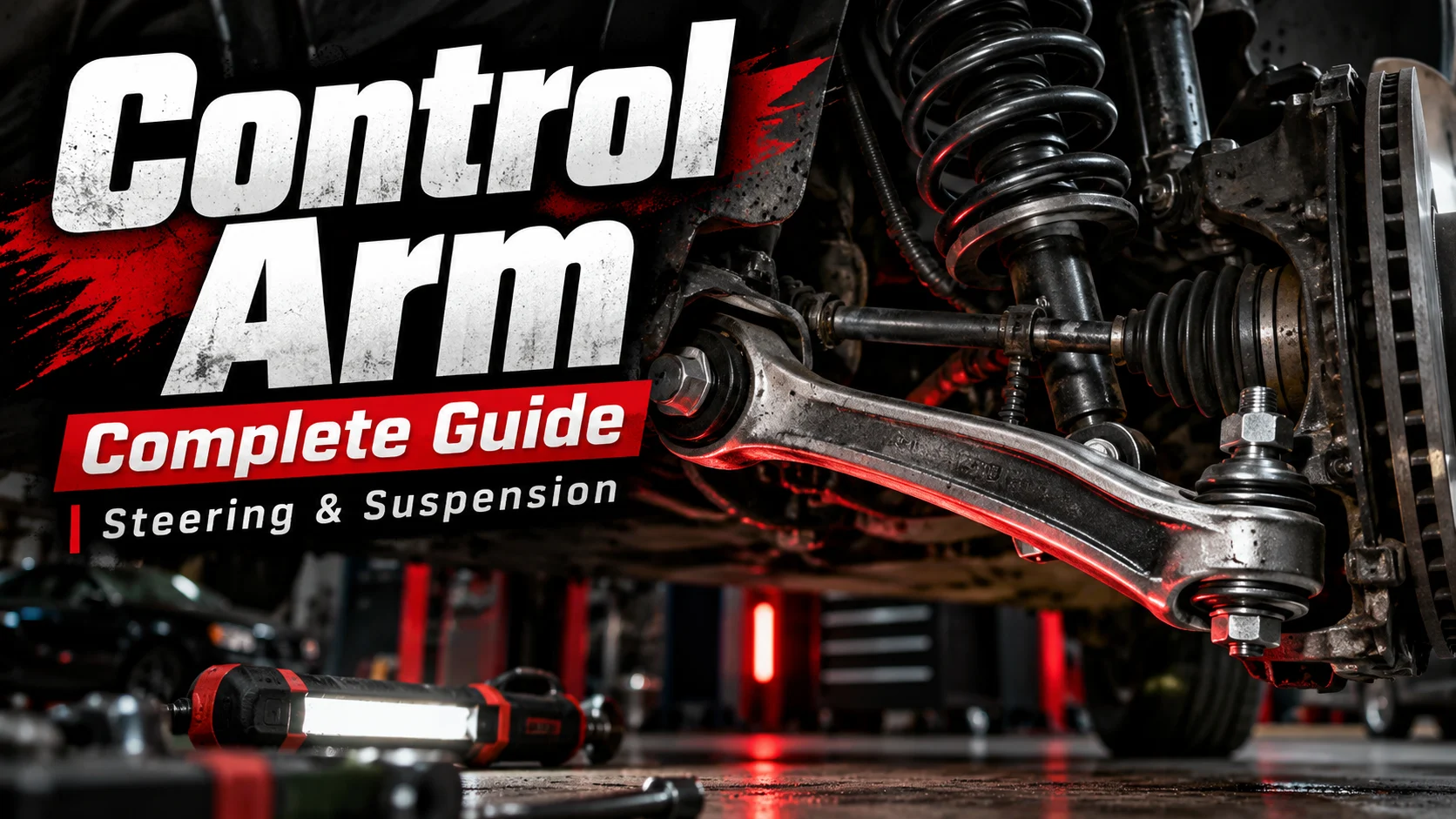
Suspension is the system most affected by road conditions and the one owners most often defer. Bushings, control arms, and shock absorbers all wear predictably, and replacement cost varies enormously by design.
Air suspension is the clearest example, offering excellent ride quality and carrying replacement costs that can exceed the value of an older car. Multi-link arrangements have more components than simpler setups and correspondingly more that eventually need replacing. Checking tire wear patterns is the quickest indicator, since uneven wear points to suspension or alignment problems already underway.
Electronic Complexity and Diagnostic Cost
Modern vehicles carry control modules governing nearly everything, and these fail in ways that are expensive to diagnose before they’re expensive to fix. Diagnostic labour alone can run into hundreds before any repair begins.
The practical test is working through every electrical function systematically rather than sampling. Warning lights that don’t illuminate at ignition are as significant as ones that stay on, since a removed bulb hides a fault. Multiple electrical faults together suggest a wiring or module problem considerably worse than the sum of the individual symptoms.
The Bottom Line
Long-term value comes down to what a car costs you across ownership rather than what it costs on the day. Establish whether there’s a timing belt and when it was last done. Find out what transmission it uses and how that type fails. Treat service history as more consequential on turbocharged engines.
Check parts availability and run the register search. Look at tire wear for suspension clues, and test every electrical function. None of this requires expertise, and all of it is easier before you buy than afterward. What none of it replaces is an independent inspection by a qualified mechanic, which remains the single best money you can spend on a used car.