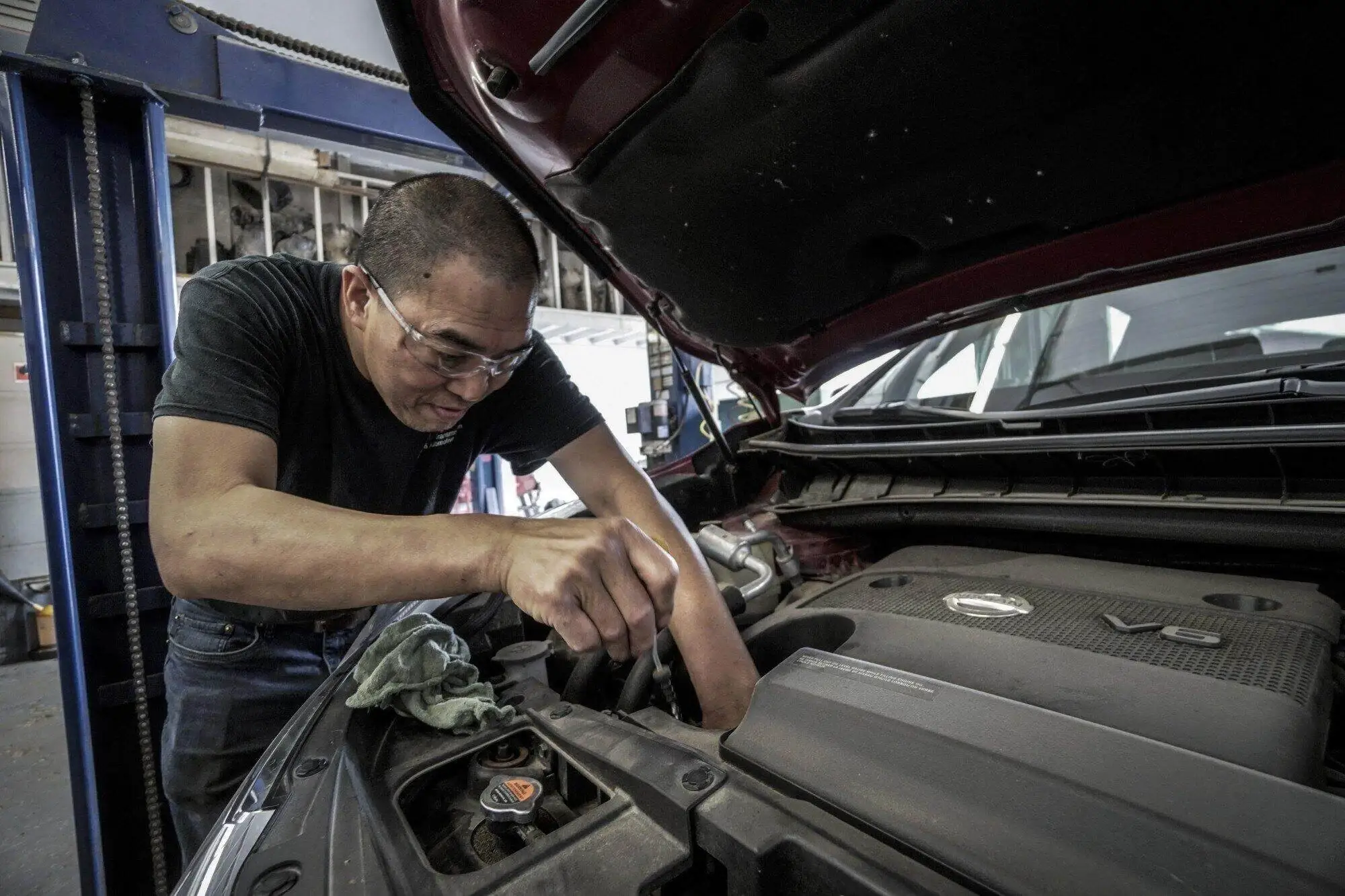
How do you keep a hard-working truck ready when the weather can change in a day? Each season brings new demands, from icy roads and cold starts to hot days that strain tires, fluids, and engines. Truck maintenance helps prevent small issues from becoming costly repairs and keeps drivers safer.
A plan helps owners spot wear early. With timely checks, you can protect your truck and learn which care tasks matter most, how to prepare for changing road conditions, and when to seek professional help to keep your vehicle running well throughout the entire year.
Build a Seasonal Truck Maintenance Plan
A plan makes truck care easier all year. Set dates for seasonal checks, then record what needs repair. This supports preventive truck maintenance and helps you spot changes early, before they affect performance or cause unexpected problems during busy workdays.
The schedule depends on travel distance, loads, and work conditions. Trucks on snowy, dusty, or steep roads may need more checks than local trucks. Follow the service guide, and ask a technician to adjust the plan for your truck based on its age, engine type, mileage, and daily workload.
Prepare Fluids for Changing Weather
Fluids help key parts work in all weather. Check oil, coolant, brake, steering, and transmission fluids as the owner’s guide directs. Look for low levels, leaks, odd smells, or color changes, and fix concerns before a trip to prevent damage and keep important systems working properly.
Cold weather can thicken fluids and slow flow at start-up. Use the oil grade and coolant mix listed for your truck. In hot weather, check coolant often and watch for leaks that may lead to engine damage, especially when hauling heavy loads or driving long distances.
Check Tires Before Every Season
Tires face new risks as temperatures change. Cold air lowers pressure, while hot roads add heat and wear. Check cool tires at the pressure listed by the maker, and look for cuts, cracks, bulges, or uneven tread that could affect safe handling.
Do not rely on looks, since a tire may be low even when firm. Check tread depth and remove stones from the grooves. Clear objects between dual tires, and check all tires before heavy loads, since proper pressure helps improve grip, fuel use, and tire life.
Protect the Engine in Cold Conditions
Winter starts strain a diesel engine and its battery. Check battery charge, cables, and terminals for wear or loose links. Test the block heater, if fitted, and use fuel and oil suited to local cold weather to help the engine start and run more smoothly.
Warm the engine as the guide advises, but avoid needless long idling. Watch for hard starts, rough running, smoke, or warning lights. Diesel truck maintenance includes checking fuel filters and water separators, as water can freeze and block flow, leaving the truck unable to run as expected.
Keep Cooling Systems Ready for Summer
Heat strains the radiator, hoses, belts, and fan. Check coolant only when the engine is cool; never open a hot radiator cap. Look for cracked hoses, loose clamps, worn belts, and leaks near the radiator or water pump before they cause trouble on the road.
Clean dirt and bugs from the radiator so air can flow. Check the fan and watch the temperature gauge while driving. If it overheats, pull over safely and shut it down as the manual directs, since continued driving can cause serious engine damage and costly repairs.
Look After Brakes, Lights, and Wipers
Check the parts that help you see and stop safely. Check brake pads, drums, lines, and air parts for wear or leaks. Changes in pedal feel, stopping distance, or air warnings need prompt service from a qualified truck technician before the vehicle returns to work.
Test all lights before each season. Replace weak bulbs and clean lenses for clear signals in bad weather. Fit sound wiper blades, fill the washer tank, and clear leaves or ice from the windshield to help maintain a clear view during rain, snow, and fog.
Keep the Cab and Body in Good Shape
A clean cab helps drivers stay alert. Check seat belts, mirrors, steps, door seals, and climate controls. Clear the floor and keep safety gear close, making sure that drivers can reach important items without moving around while the truck is in motion.
Look for rust, loose panels, damaged mud flaps, and water entry. Wash off road salt after winter trips to slow rust. In warm months, clean vents and seals, and check for leaks after rain to protect the cab and keep the inside comfortable.
Use Service Records to Guide Repairs
Records show what your truck needs and when service is due. Record service dates, fluid changes, tire checks, repairs, and warning signs. These notes help mechanics spot changes during commercial truck service and make it easier to plan future work before a small issue becomes a major repair.
For engine work, use repair details that match your model. Online Detroit diesel repair manuals offer model-specific details to review with a qualified technician. Choose the right manual, and leave complex work to trained staff, especially when special tools, safety steps, or advanced engine checks are required.
Make Fleet Checks Part of Daily Work
A shared routine helps fleets avoid missed checks. Ask drivers to report warning lights, leaks, tire damage, or changes at each shift’s end. Simple fleet maintenance tips and quick follow-up help managers act before faults delay a delivery or affect the safety of other road users.
Review records to spot repeat fleet problems. If several trucks share an issue, review routes, loads, and service timing. Plan repairs around work, but never delay a safety repair, since a truck with a serious fault can put the driver and other road users at risk.
Keep Your Truck Ready in Every Season
Seasonal truck maintenance protects the engine, tires, brakes, and other parts that keep every trip safe. Check fluids and tire pressure as weather changes, and spot wear early so you can deal with problems before they lead to breakdowns. Keep records, follow the guide, and ask a technician about problems.
Timely steps can lower repair costs and delays. Make seasonal checks routine so your truck stays ready for the work ahead, supports reliable daily service, and remains safer to drive in changing weather.
Did this guide help you? Browse the rest of this section for more advice on a variety of topics.