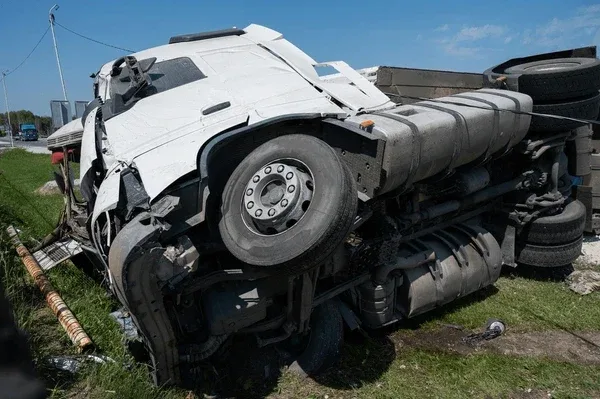
Chicago, Illinois, is one of the busiest transportation hubs in the country, and its highways reflects it. Interstates 90, 94, and 55 are major Chicago highways used by trucks every day. Moving trucks, delivery vehicles, and rental trucks share these roads with regular commuters, increasing the risk of accidents involving large vehicles.
When one of these trucks is involved in a crash, the situation becomes more complicated if the vehicle was rented or leased. Ownership, operation, insurance, and maintenance may involve different parties, making it harder to determine who is responsible. Speaking with a Chicago truck accident attorney can help injured victims understand their legal options and take steps to secure compensation.
Liability may involve several parties rather than just one. The driver is often the first person held accountable, but the rental or leasing company, a loading crew, or a parts manufacturer may also be responsible, depending on the cause of the crash. Insurance coverage depends largely on who rented the truck and what protection they opted for.
Who Can Be Held Liable?
The Driver or Renter. The driver may be held responsible if the accident happened because of speeding, distracted driving, driving under the influence, or losing control of the truck. Rental trucks are larger and harder to stop than regular cars. Drivers who are unfamiliar with these vehicles may struggle to handle them safely.
The Rental or Leasing Company. Under federal law, including the Graves Amendment, a rental or leasing company is generally not liable for an accident simply because it owns the truck. However, the company may be held responsible if its own negligence contributed to the crash. For example, this may happen if the company:
- Rents a truck to an unqualified driver despite knowing the driver is not fit to operate it.
- Fails to inspect or maintain the truck properly, such as by ignoring worn tires or faulty brakes.
- Fails to provide necessary warnings or instructions about the truck’s weight limits or proper loading.
Third-Party Loading Crews. A moving company or loading crew may share liability if it loads the truck incorrectly or exceeds its weight limit. Improperly loaded cargo can shift during transit, make the truck difficult to control, or cause it to tip over.
Parts Manufacturers. A manufacturer may be held responsible if a defective truck part causes or contributes to the accident. For example, a faulty brake line may cause the brakes to fail. In such cases, liability may fall on the manufacturer rather than the party responsible for maintaining the truck.
How Insurance Works
Insurance is often where rental truck cases become most confusing. Many standard personal auto policies do not cover large rental or moving trucks, particularly those above a certain weight class, so renters should never assume they are protected.
If the renter purchased supplemental insurance or a collision damage waiver through the rental company, such as those offered by U-Haul or Penske, those policies may cover certain damages.. When the truck was leased by a business or driven by a professional company driver, the business’s commercial auto and umbrella policies typically apply instead.
Key Steps to Take After the Crash
The steps you take after a truck accident can affect your ability to file a claim and recover compensation. Taking the following actions can help protect your rights and preserve important evidence.
- Report the accident. Call emergency services if anyone is injured or immediate medical care is needed. Report the crash to the police and notify the rental company as required by your rental agreement.
- Preserve evidence. Take photos of the accident scene, vehicle damage, and road conditions. Collect contact information from witnesses. If possible, preserve relevant evidence, such as maintenance records, GPS data, and dashcam footage, before it is lost or deleted.
- Avoid admitting fault. Do not accept blame or speculate about who caused the accident. The driver, rental company, insurers, and other parties may need to investigate what happened. Statements made at the scene could be used during the claims process.
Key Takeaways
- Who Is Liable: The driver, rental company, loading crew, or parts manufacturer may be responsible for a rental truck accident.
- Rental Company Liability: A rental or leasing company may be liable if its own negligence contributed to the crash.
- Insurance Coverage: Coverage depends on the renter’s insurance policy, rental protection, and whether the truck was used for business.
- Evidence Preservation: Photos, witness details, and vehicle records can help support an accident claim.
- Steps After the Crash: Reporting the accident and avoiding admissions of fault can help protect your legal options.