
Hospital bills may be one of the most difficult expenses to predict after an accident. If injuries keep a driver from working, income can drop while repair bills for the vehicle come due. In these kinds of situations, knowing the legal rules on liability helps a claimant file for compensation correctly.
Motor vehicle crashes claim tens of thousands of lives in the United States each year. According to the National Highway Traffic Safety Administration, an estimated 17,140 people died in crashes during the first half of 2025, down 8.2 percent from 18,680 in the same period of 2024.
The fatality rate of 1.06 per 100 million vehicle miles traveled was the lowest mid-year rate since 2014. The NHTSA approximates 2.42 million persons to have sustained injuries from motor vehicle crashes during the year 2024. There were also 6.18 million crashes reported to police nationwide.
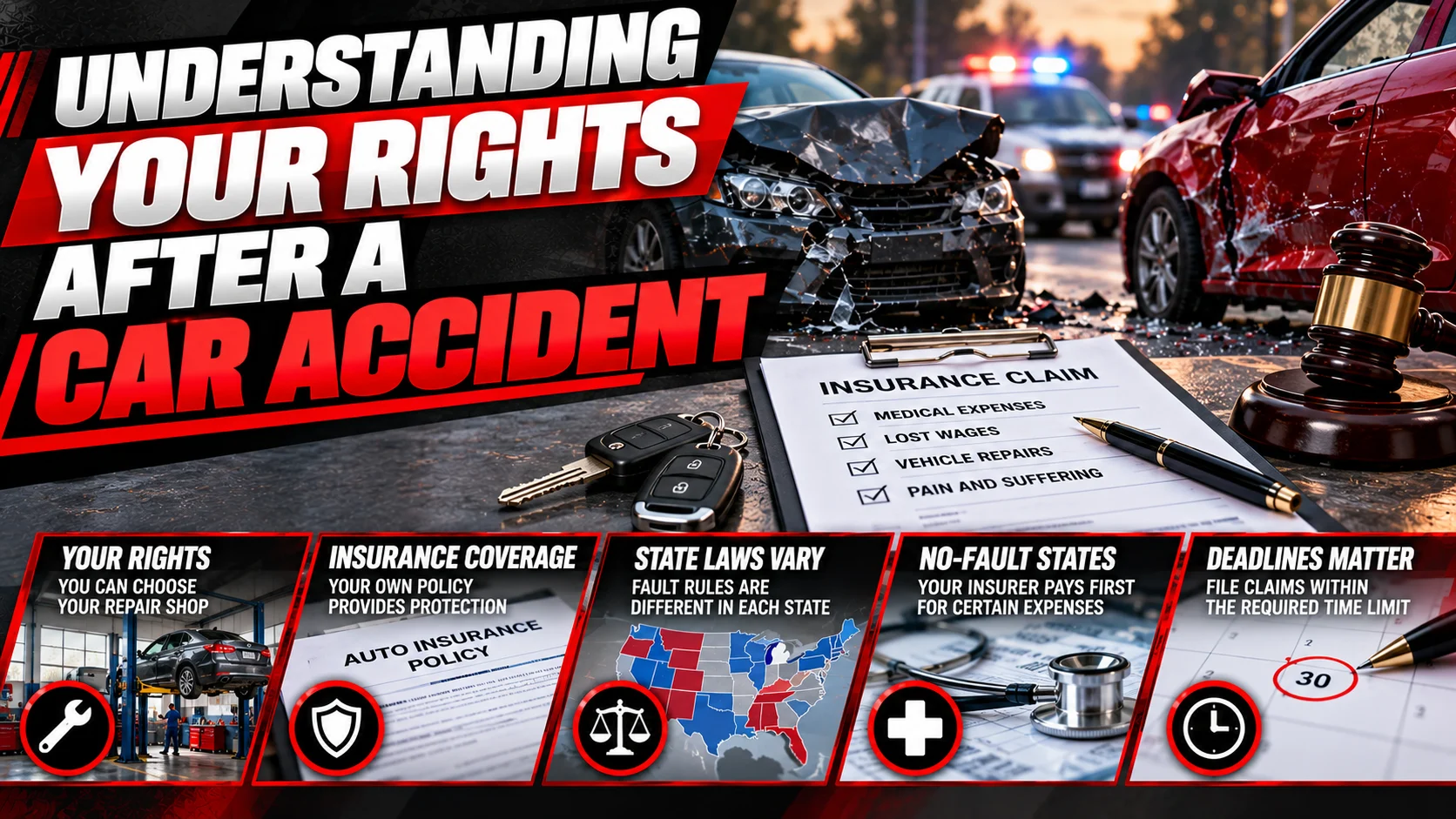
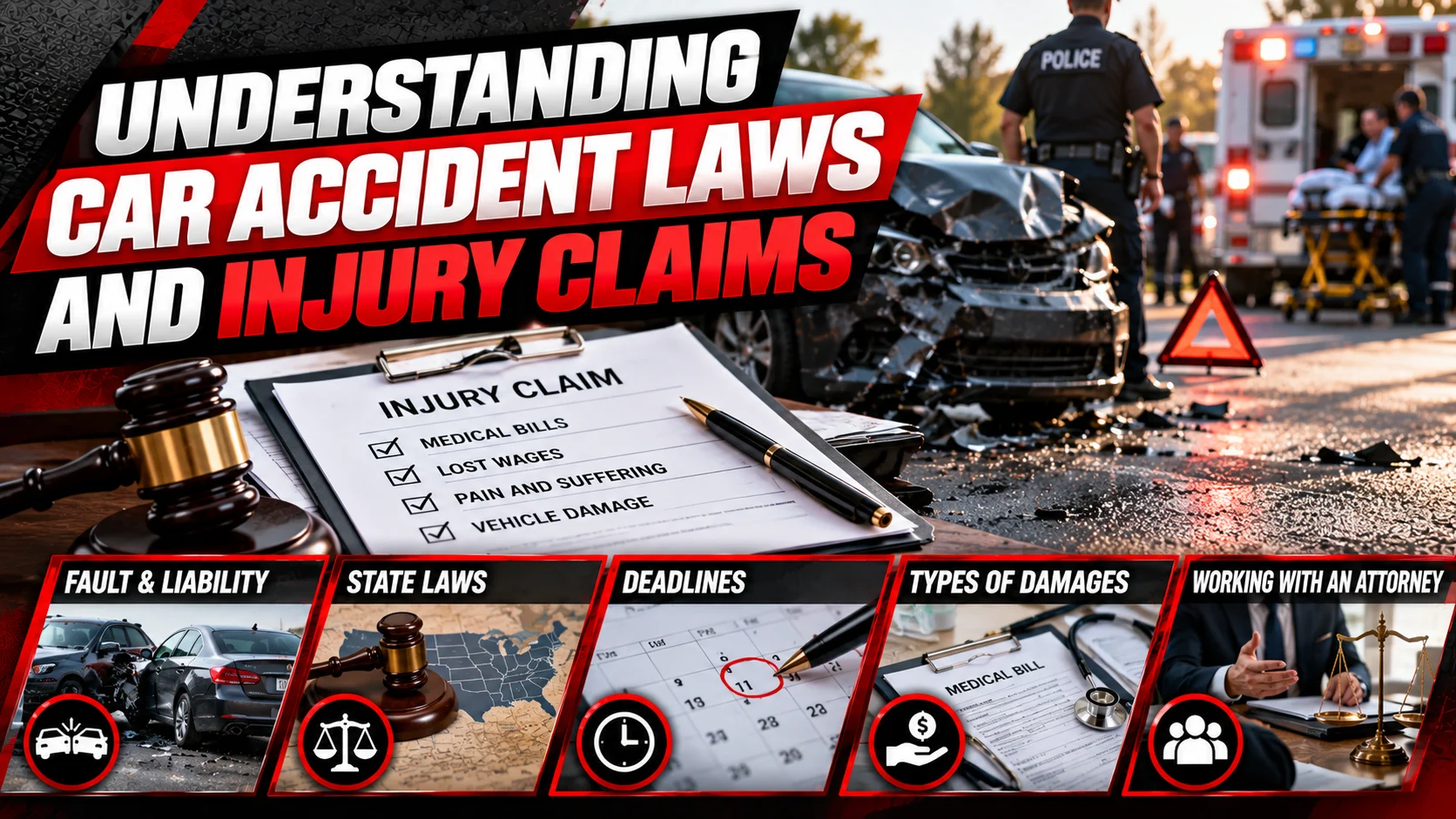
After a crash, an injury claim may involve medical treatment, lost wages, vehicle damage, insurance coverage, and evidence showing who was at fault.
According to Tampa personal injury lawyer Ronald Bone, people who believe they were injured by the misconduct or negligence of others should hire an experienced attorney to seek accountability.
Different states have varying requirements for liability and for how much time claimants have to file. This means it is necessary to know the rules of the state where the claim will be filed.
The Four Things a Claim Has to Prove
Negligence must be proven to hold a driver responsible for damages in an accident. A plaintiff has to show four parts. The defendant owed a duty of care, the defendant breached that duty, the breach caused the accident, and the accident caused damages. In states that have no-fault systems, injury costs up to a specified limit are covered by the injured person’s insurer. Typically, injuries can only be claimed as damages against other drivers when they meet the state’s minimum medical cost and/or injury severity thresholds. Then, injury claimants can only file a lawsuit if they can prove that the other driver was at fault for the injuries.
Because police arrive after a crash has already happened, a witness’s memory and the integrity of physical evidence can become less reliable over time. Evidence can be moved, lost, or misplaced. And, as often occurs, video footage is lost due to automatic overwriting in several days or a few weeks.
Where the Crash Happened Decides Much of the Rest
Fault rules differ by state. California applies pure comparative fault, so a driver found 80 percent responsible can still collect 20 percent of the damages. Florida changed its rule in 2023. Under the civil remedies bill the Legislature passed that March, a party more than 50 percent at fault for their own harm recovers nothing.
A few states still follow contributory negligence, where any share of the blame at all ends the claim. Most states fall between the two extremes and cut recovery off somewhere near an even split.
In a modified comparative fault state, a dispute over 10% of the blame can decide whether a claim pays anything at all.
Deadlines That Close Before the Facts Are Clear
That same 2023 Florida bill cut the filing window for general negligence from four years to two for claims arising after it took effect. California provides an injured person a lawsuit window of two years in most situations. Claims against government entities, including cities, counties, and state agencies, often have much shorter deadlines. In California, for example, a written claim for personal injury must usually be presented to the entity within six months of the incident. A lawsuit can follow only after the entity denies the claim.
Two years can seem like enough time, but the deadline usually keeps running during medical treatment and conversations with an insurer. Insurers can take months to respond to a demand, and a doctor may need a year or more to determine whether an injury is permanent. According to the Pomona personal injury law firm website https://www.amendtlaw.com/, medical needs come first after a crash, while money problems, missed work, and mounting bills follow and make it harder for an injured person to plan a recovery.
What a Claim Actually Covers
The monetary losses related to crashes include medical treatments like emergency care, surgery, medication, and rehabilitation, along with any missed wages and a reduction in a claimant’s ability to earn wages. These are referred to as economic damages. Pain, emotional distress, and inability to engage in activity are referred to as non-economic damages.
An adjuster who reviews a claim a few weeks after a crash may base an offer on the medical bills submitted so far. Neither the doctor nor the adjuster can yet say whether a spinal disc injury will heal with physical therapy or need surgery, so a claim settled early can end up lower than the full cost of treatment.
The Adjuster Works for Someone Else
Insurance adjusters have a reputation for professionalism and polite interactions, but they still serve their employer’s bottom line. A recorded statement given soon after a crash, while a claimant is on pain medication or estimating distances from memory, can later be used by a defense lawyer to challenge the claimant’s account.
Traffic fatalities and the fatality rate have declined recently. While the process for making an injury claim hasn’t changed, those who succeed see the period shortly after an accident as one where proof either survives or fades away.