Driving demands complete attention, but weather conditions make every trip unpredictable. Rain, ice, fog, and intense sun alter road traction and visibility. Motorists who adjust their habits based on the forecast stay safer and protect others on the road. Understanding how specific weather elements impact vehicle performance helps drivers react before a dangerous situation occurs.
Wet Roads and Rain Hazards
Rain creates slick asphalt surfaces within seconds of the first drops falling. Oil residues rise to the top, making simple stops hazardous. High speeds on wet pavement reduce tire grip and lengthen stopping distances.
Drivers facing sudden crashes in heavy storms search for answers regarding fault. Anyone injured during a storm can consult a Bethlehem based PI attorney to review the details of their accident claim. Seeking legal clarity early helps injured parties navigate complex insurance negotiations.
Heavy downpours reduce visibility for surrounding drivers. Switching on headlights helps other motorists spot your vehicle through thick spray.
Heavy Rain and Statistical Road Impacts
Water pooling on highways creates hydroplaning dangers, forcing tires to lose contact with the asphalt. According to national highway safety data, roughly 12 percent of annual traffic crashes, totaling nearly 745,000 incidents, stem directly from bad weather. Slowing down gives tire treads time to channel water away effectively.
Steering smoothly prevents sudden loss of control on slippery curves. Sudden jerks on the wheel can cause vehicles to skid across lanes. Maintaining calm, gradual movements keeps control firmly in your hands.
Increasing distance behind other vehicles provides extra reaction room during sudden slowdowns. A four-second buffer allows adequate time to brake safely without tailgating.
Navigating Low Visibility and Thick Fog
Fog creates deceptive visual conditions that obscure distance perception and lane lines. Official transport statistics reveal that more than 38,700 vehicle crashes happen in heavy fog every year. Using low-beam headlights prevents blinding reflection and keeps your vehicle visible to surrounding drivers.
High beams reflect off dense fog particles and blind oncoming traffic. Low beams illuminate the pavement directly in front of the bumper. Fog lights mounted lower on the bumper assist even further.
Keeping extra space between cars becomes necessary when sightlines drop. Gentle braking discourages chain-reaction collisions behind you. Driver patience avoids expensive mistakes in low-visibility zones.
Summer Heat and High Sun Exposure
Summer heat affects mechanical parts and driver concentration just as severely as winter cold. High temperatures cause tire blowout risks and engine overheating on long highway stretches. Bright glare during sunrise or sunset blinds drivers temporarily.
- Clean windshields inside and out to minimize blinding glare reflections
- Check tire pressure regularly since heat expands air inside rubber tires
- Keep polarized sunglasses accessible in your glove compartment
- Monitor engine temperature gauges closely during slow traffic jams
Extreme heat degrades battery efficiency faster than many motorists realize. Heat causes internal fluids to evaporate, leading to unexpected roadside breakdowns. Regular battery checks keep vehicles reliable throughout peak summer months.
Snow and Ice Control Strategies
Winter storms transform ordinary roads into unpredictable, slick surfaces. Federal transportation studies note that 24 percent of weather-related collisions happen on snowy, slushy, or icy pavement, with another 15 percent occurring directly during active snowfall or sleet. Smooth steering inputs keep tires locked into available traction.
Black ice poses a hidden threat on bridges and shaded road segments. Slowing down long before approaching turns minimizes sliding risks. Applying brakes gently prevents wheels from locking up unexpectedly.
Accelerating slowly allows tires to gain grip without spinning uselessly. Soft pedal pressure keeps power transfer predictable on snow-covered roads.
High Winds and Large Vehicle Safety
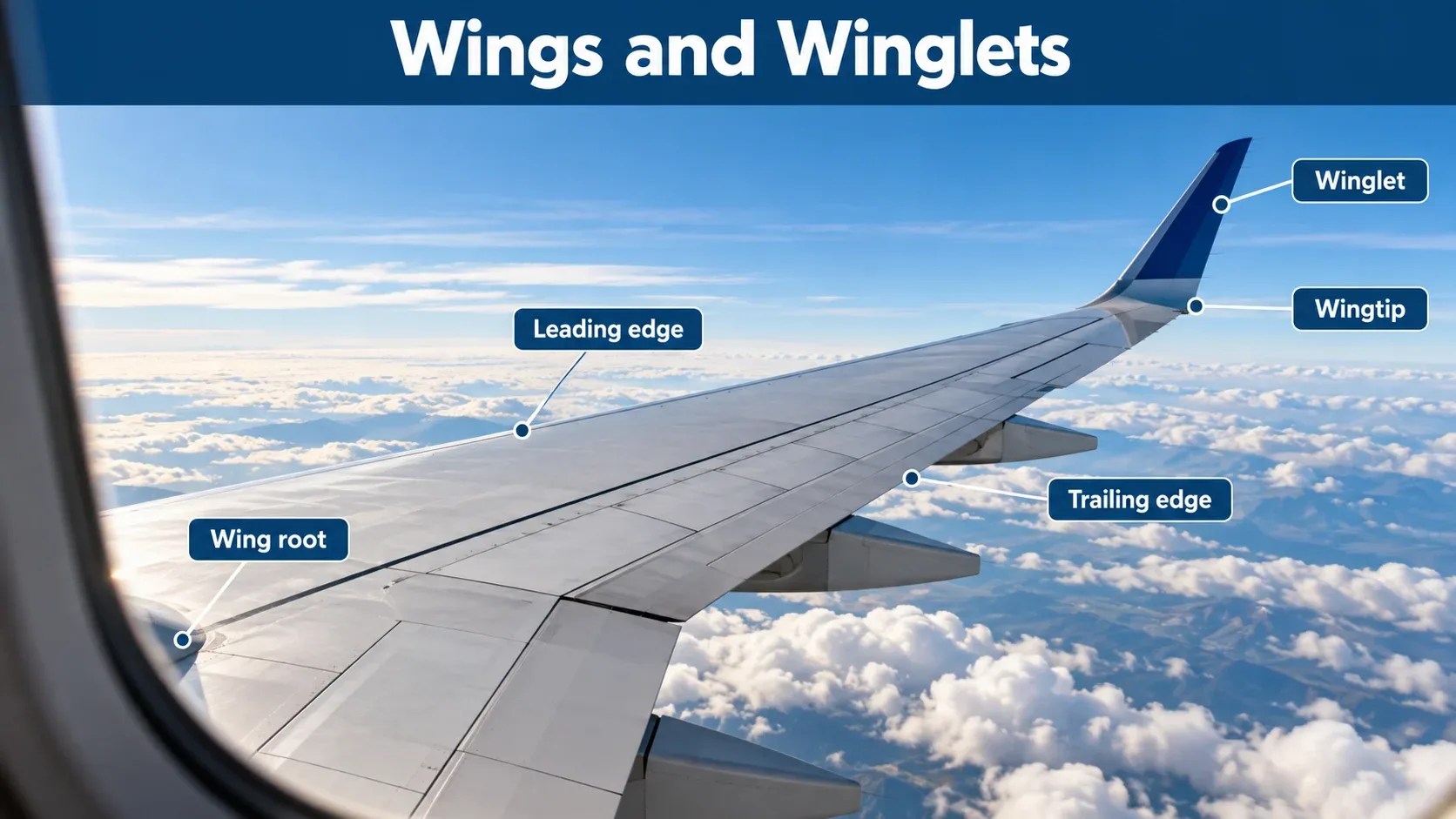
Strong gusts push light vehicles and high-profile trucks out of their lanes unexpectedly. Open bridges, highway overpasses, and mountain passes experience severe wind drafts. Holding the steering wheel with both hands offers immediate resistance against sudden side gusts.
Give large tractor-trailers extra space during windy conditions. Gusts can sway heavy trailers into adjacent lanes without warning. Passing large rigs quickly minimizes time spent in wind turbulence zones.
Reducing speed lessens the aerodynamic impact of severe side winds. Slower travel speeds give drivers time to correct steering drift smoothly.
Vehicle Upkeep for All Seasons
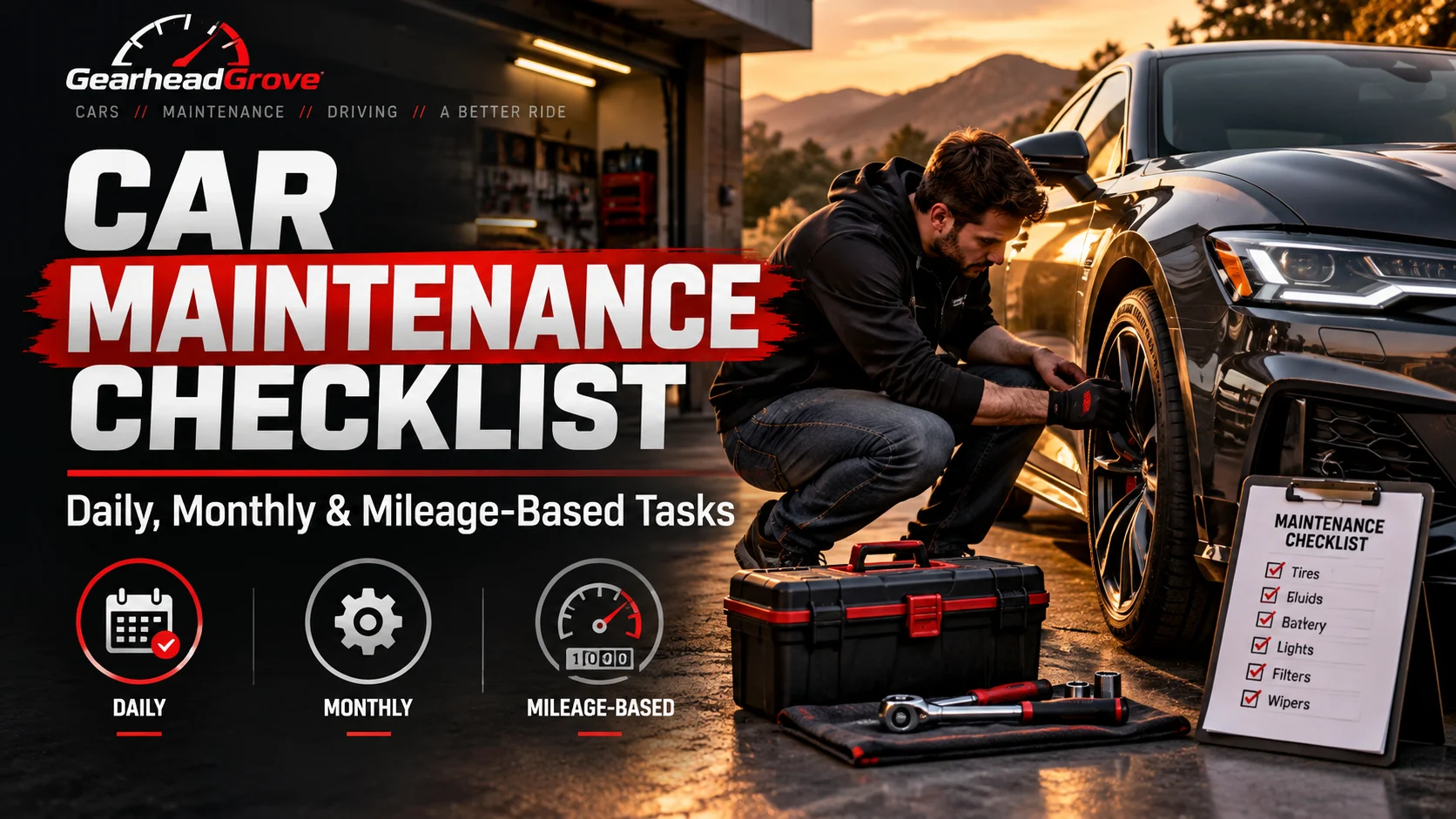
Proper vehicle upkeep supports safety long before stormy conditions arise. Worn windshield wipers leave streaks that ruin visibility during sudden downpours. Maintaining deep tire tread depth allows proper grip across wet or slushy roads.
Regular maintenance checks catch failing brakes, weak batteries, and burnt-out bulbs early. Prepared vehicles handle extreme weather changes with greater stability. Safe mechanical components give drivers confidence in challenging weather.
Proper tire alignment prevents uneven wear and maximizes road contact. Balanced tires maintain predictable handling when swerving around obstacles or puddle hazards.

Adjusting driving habits to match weather conditions protects everyone sharing the road. Conscious drivers monitor forecasts, check vehicle readiness, and modify speed whenever storms, fog, or ice hit. Proactive choices reduce risks and keep journeys safe during difficult weather.