The triangle with an exclamation point is your car’s Master Warning Light. Don’t panic — it usually just means you need to check your digital display for a specific message, like low washer fluid or an open door. Keep reading to find out exactly what yours means and whether it’s safe to drive.
What Is the Triangle with Exclamation Point?
The triangle with an exclamation mark (⚠️) is officially called the Master Warning Light. Unlike dedicated icons for oil, battery, or temperature, this catch-all symbol alerts you that something needs attention — but it relies on a secondary message to tell you exactly what.
Think of it as your car saying: “Hey, look at your screen — I have more details for you.” The severity depends entirely on the color of the triangle and the accompanying message.
🟡 Yellow/Amber Triangle — Non-Critical Warning
Safe to drive to your destination — but address the issue soon.
A yellow or amber triangle typically indicates a non-urgent maintenance or informational alert. Common causes include:
- Low tire pressure (most common cause)
- Low windshield washer fluid
- Scheduled maintenance reminder (oil change, service due)
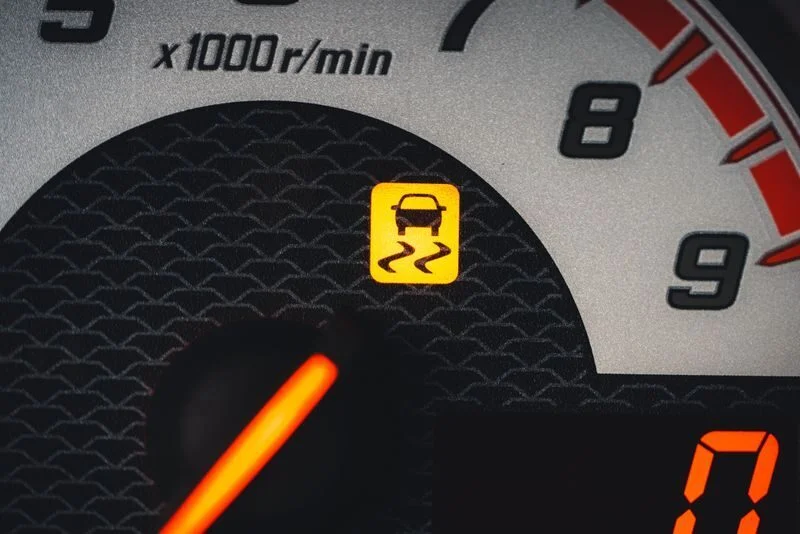
- Traction control system deactivated
- Lane departure or driver-assist system disabled
🔴 Red Triangle — Pull Over Immediately
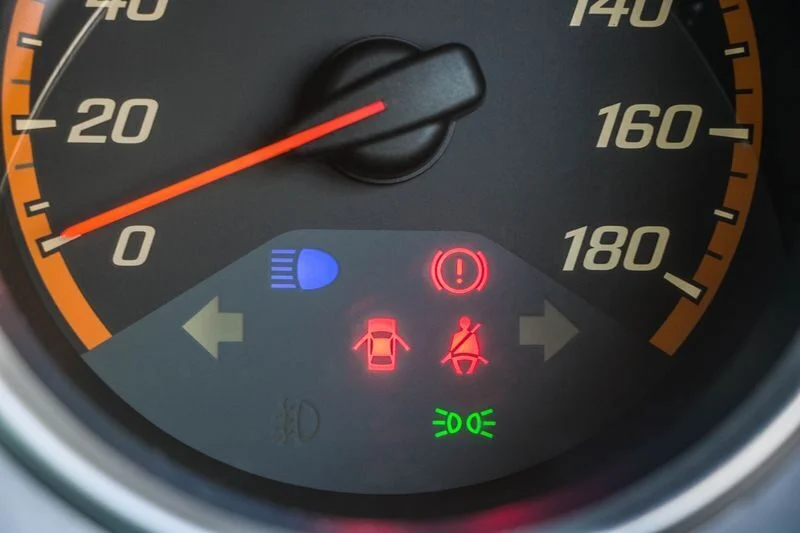
⛔ Do NOT keep driving. Pull over safely, turn off the engine, and assess.
A red triangle means your vehicle has detected a serious condition that could damage the engine or compromise your safety. Common causes:
- Engine overheating (check temperature gauge)
- Critically low oil pressure
- Charging system failure (alternator issue)
- Door or trunk open while vehicle is moving
How to Find the Secondary Message
The triangle almost never works alone. Your car has a secondary display that explains the actual problem. Here’s how to find it:
- Look at the center instrument cluster (between the speedometer and tachometer) for scrolling text or an icon.
- Check the infotainment screen or navigation display for a pop-up notification.
- Use the steering wheel controls (arrow buttons or “i” button) to scroll through any stored messages.
What the Triangle Light Means on a Honda (Civic, Accord, CR-V)

Honda uses the triangle with exclamation mark as a multi-purpose indicator tied to the Vehicle Stability Assist (VSA) system and the Multi-Information Display (MID). It’s one of the most-searched warning lights for Honda owners.
On Honda models, this light commonly appears for:
- Honda Sensing system alerts (collision mitigation, lane keep assist disabled)
- Maintenance Minder codes (A1, B12, etc.) — press the “i” button on the steering wheel to see the code
- Low tire pressure (TPMS) — especially after seasonal temperature changes
⚡ Quick Troubleshooting Checklist
✅ Step 1: Note the triangle color (yellow = less urgent, red = stop now)
✅ Step 2: Read the secondary message on your instrument cluster or infotainment screen
✅ Step 3: Check all doors, trunk, and hood are fully closed
✅ Step 4: Check tire pressure (look for a flat or use a gauge)
✅ Step 5: If red — pull over, turn off engine, check temperature gauge and oil
✅ Step 6: If light persists with no obvious cause, drive to a mechanic (not the dealership — independent shops are usually cheaper)
Frequently Asked Questions
Can I keep driving with the triangle warning light on?
If it’s yellow/amber, yes — drive carefully to your destination and address it soon. If it’s red, pull over immediately and do not continue driving until the issue is identified.
How much does it cost to fix?
It depends entirely on the underlying issue. Low tire pressure costs $0–$5 at a gas station air pump. An overheating engine could be a $20 coolant top-up or a $500+ thermostat replacement. The triangle itself isn’t broken — it’s just the messenger.
Will the light turn off by itself?
Yes, in many cases. If the cause was temporary (like a briefly open door or a traction slip on wet road), the light will clear on its own. For maintenance reminders, you’ll need to reset it after the service is done — your owner’s manual has the steps.
Also read dashboard warning light guides
Also read Service StabiliTrak warning explained