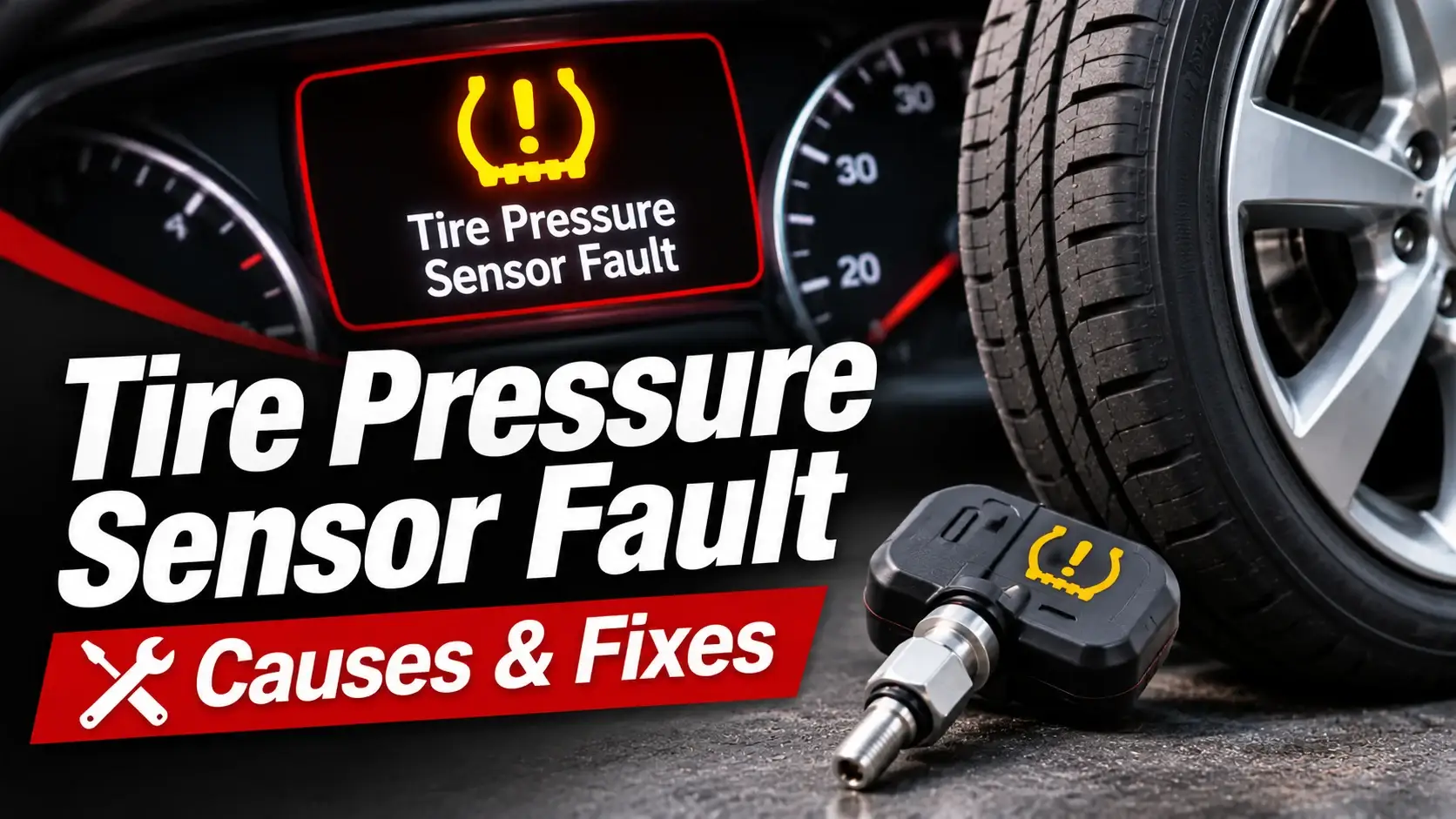
You’re driving when your dashboard suddenly displays “Tire Pressure Sensor Fault.” The car seems to handle normally, and none of the tires look flat. Should you keep driving, add air, reset the warning, or replace a sensor?
A tire pressure sensor fault means the vehicle’s tire pressure monitoring system (TPMS) has detected a problem that may prevent it from monitoring your tires correctly. The cause could be a failed sensor, depleted sensor battery, communication issue, incompatible replacement wheel, or another monitoring-system fault.
On certain vehicles, including some Ford models, the message can also appear when a temporary spare tire is installed.
The first step is to check your actual tire pressures. A defective sensor and a dangerously underinflated tire are different problems, but both can occur at the same time.
In this guide, you’ll learn how to recognize TPMS warning patterns, understand common causes, check tire pressure correctly, and identify when a reset, sensor relearn, or professional repair is necessary.
Quick Answer
What Does Tire Pressure Sensor Fault Mean?
This message means the TPMS cannot monitor tire pressure as intended or has detected a related malfunction. It does not automatically mean that a tire is flat or that a wheel-mounted sensor needs replacement.
What to do: Measure tire pressures with a gauge, use the manufacturer’s recommended cold PSI, check for recent wheel changes or a spare tire, and arrange diagnosis if the warning remains.
What It Affects
Reliable tire-pressure monitoring
First Check
Actual cold tire pressure
Best Approach
Diagnose before replacing parts
In This Guide
What Does the Tire Pressure Sensor Fault Warning Look Like?
Many vehicles use a dashboard symbol shaped like a tire cross-section with an exclamation mark in its center. Other vehicles display a text warning such as “Tire Pressure Sensor Fault,” “Tire Pressure Monitor Fault,” or “Service Tire Monitor System.”
The exact warning varies by manufacturer. Some vehicles also show individual tire pressures on the instrument cluster, while others display only a general warning symbol.
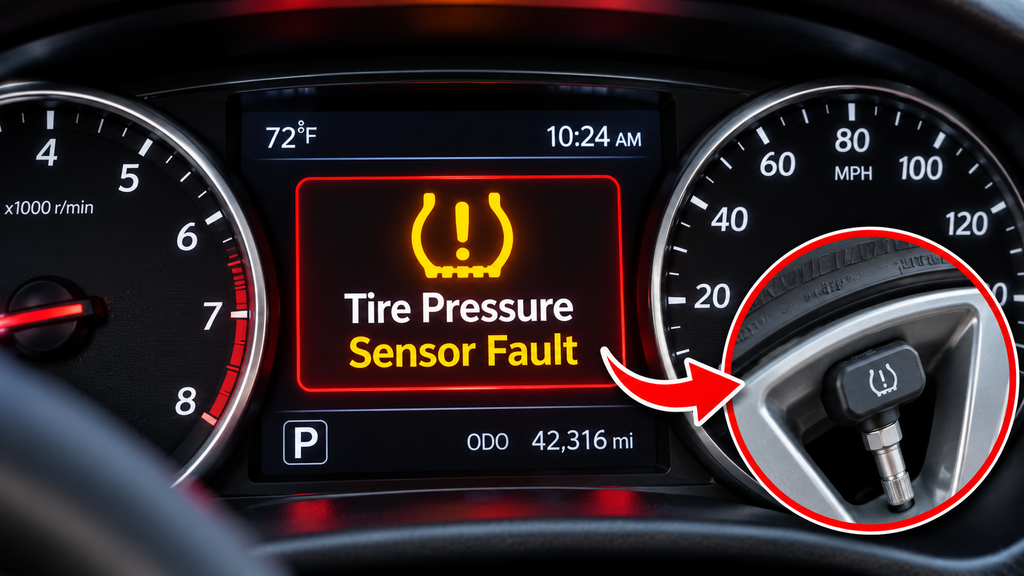
Steady Warning vs. Flashing Warning
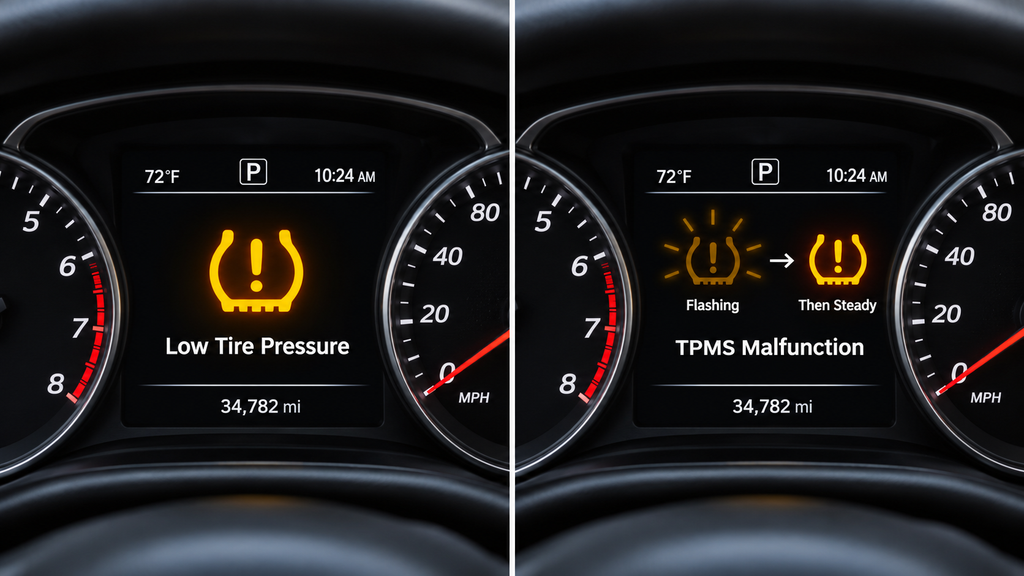
On vehicles with a combined low-pressure and malfunction indicator, the light’s behavior helps distinguish a pressure problem from a monitoring fault.
| Light Behavior | Possible Meaning | Action |
|---|---|---|
| Steady from startup | One or more tires may be significantly underinflated. | Check tire pressure. |
| Flashes for 60–90 seconds, then stays on | Common TPMS malfunction indication. | Check pressures and arrange diagnosis. |
| Sensor fault message | Vehicle reports a sensor or system problem; some models also report spare-tire use. | Consult the vehicle manual. |
These are common patterns, not universal rules. If you notice only a steady light after the vehicle has already started, you may have missed its earlier flashing sequence.
How Does a Tire Pressure Sensor Work?
TPMS stands for Tire Pressure Monitoring System. Its purpose is to warn drivers when tire pressure falls significantly below the recommended level. It does not replace routine manual pressure checks.
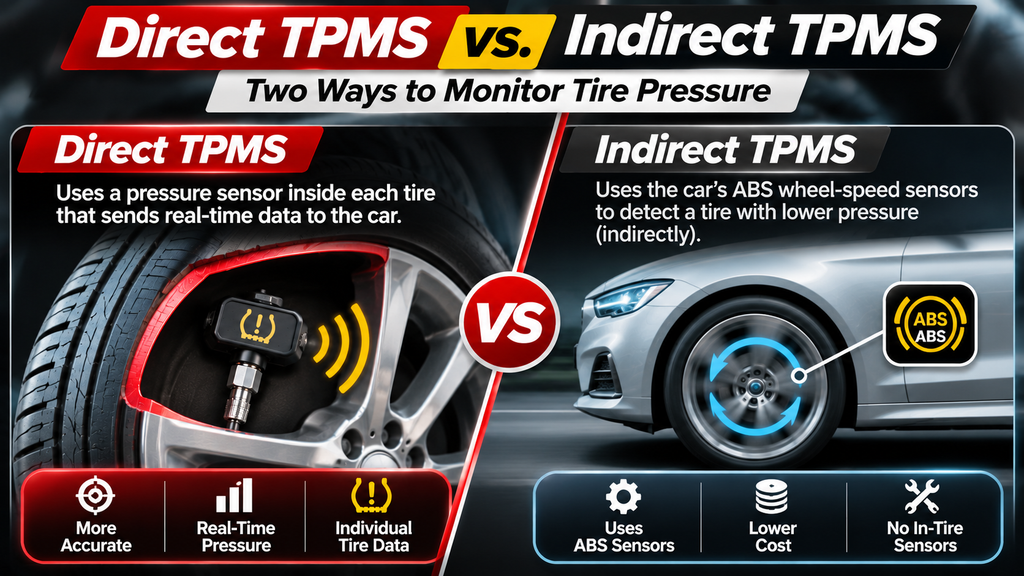
There are two main system designs: direct and indirect TPMS.
Direct TPMS
Direct systems use electronic pressure sensors mounted inside the wheel and tire assemblies, commonly near the valve stem. These sensors measure pressure and transmit information to the vehicle.
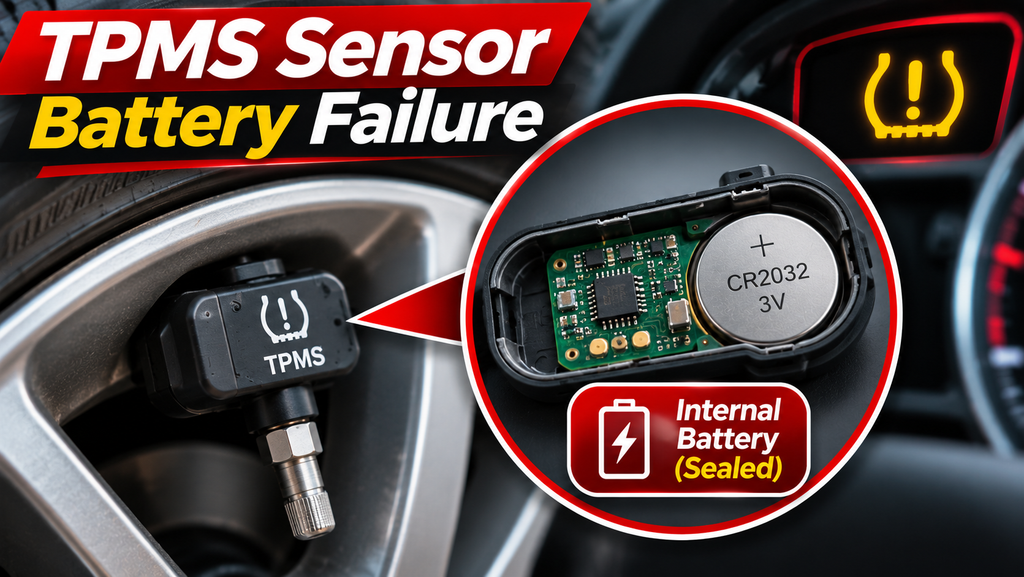
Many wheel-mounted sensors contain a sealed internal battery. When the battery fails or a sensor stops communicating, the vehicle may display a monitoring fault.
Indirect TPMS
Indirect systems do not rely on individual pressure transmitters inside each tire. Instead, they use information such as wheel rotational behavior to identify conditions associated with pressure loss.
Because the design is different, an indirect system may require initialization or diagnosis rather than replacement of wheel-mounted pressure sensors.
8 Common Causes of a Tire Pressure Sensor Fault
Several issues can trigger a tire-monitoring malfunction. Some are caused by normal component aging, while others appear after tire service or wheel replacement.
1. Depleted Sensor Battery
Direct TPMS sensors often contain batteries that eventually lose capacity. When a sensor can no longer transmit properly, the system may report a fault.
The batteries are sealed inside many sensor designs, meaning replacement of the complete sensor assembly may be necessary.
2. Physical Sensor Damage
A sensor can be damaged during tire mounting, by impact, or through improper handling. The housing or valve-stem assembly may crack, loosen, or become otherwise compromised.
After recent tire service, the shop should investigate whether sensor damage occurred before replacing other components.
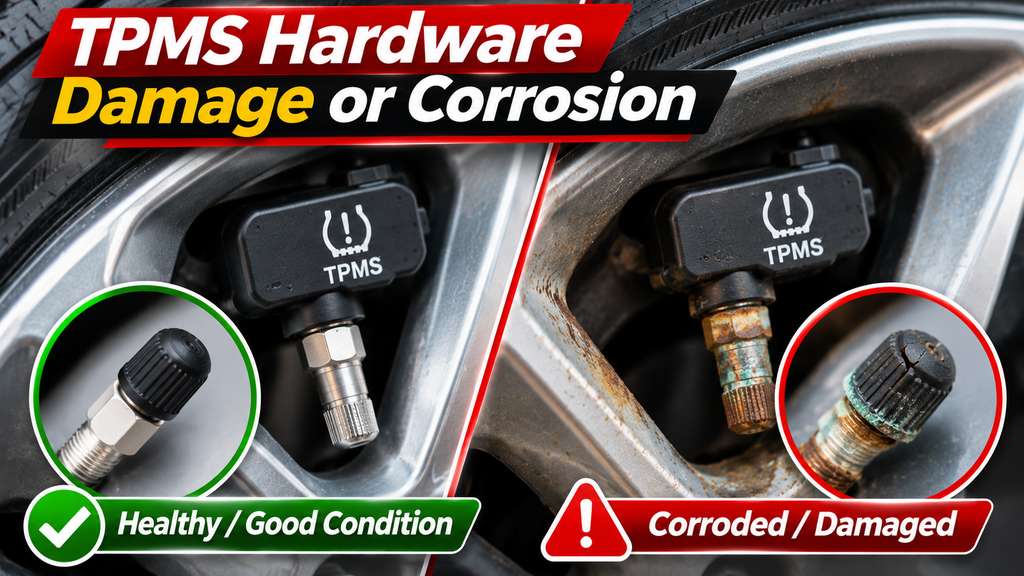
3. Corrosion or Valve-Stem Problems
Corrosion may affect certain metal valve-stem assemblies or related hardware. A leaking valve stem can cause actual pressure loss, creating a tire-pressure problem as well as potential sensor-service concerns.
4. Incompatible Replacement Sensors
Not every aftermarket pressure sensor works with every car. The vehicle may require a specific sensor protocol, frequency, programming configuration, or identification procedure.
Compatibility should be verified before installation, especially when purchasing a second set of wheels.
5. Missing Sensor Registration or Relearn
Some cars require a sensor relearn after a wheel change, tire rotation, or sensor replacement. If that process has not been completed correctly, the vehicle may fail to recognize one or more sensors.
Other vehicles recognize compatible sensors automatically. The correct procedure depends on the model.
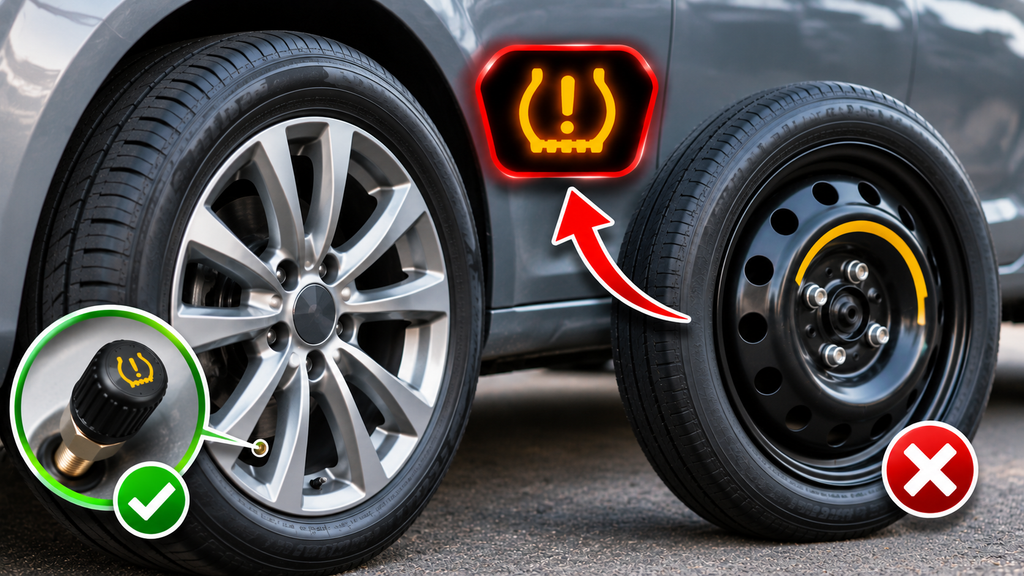
6. Temporary Spare Tire
Some temporary spare wheels do not include the vehicle’s normal TPMS sensor. As a result, certain vehicles display a sensor fault message until a compatible road wheel is reinstalled.
Ford documentation specifically recognizes temporary spare use as a possible reason for this warning on some models.
7. Communication or Receiver Problems
The fault may involve the system that receives or processes sensor information rather than the sensors themselves. A compatible diagnostic tool and vehicle-specific service information are needed to investigate these possibilities.
8. Problems Following Wheel or Tire Repairs
Incorrect tire installation, an overlooked air leak, damaged components, or incomplete service procedures may lead to warning messages after a repair.
If the warning began immediately after tire work, return to the shop and explain when the message appeared. That history can help identify the cause.
Is It Safe to Drive With a Tire Pressure Sensor Fault?
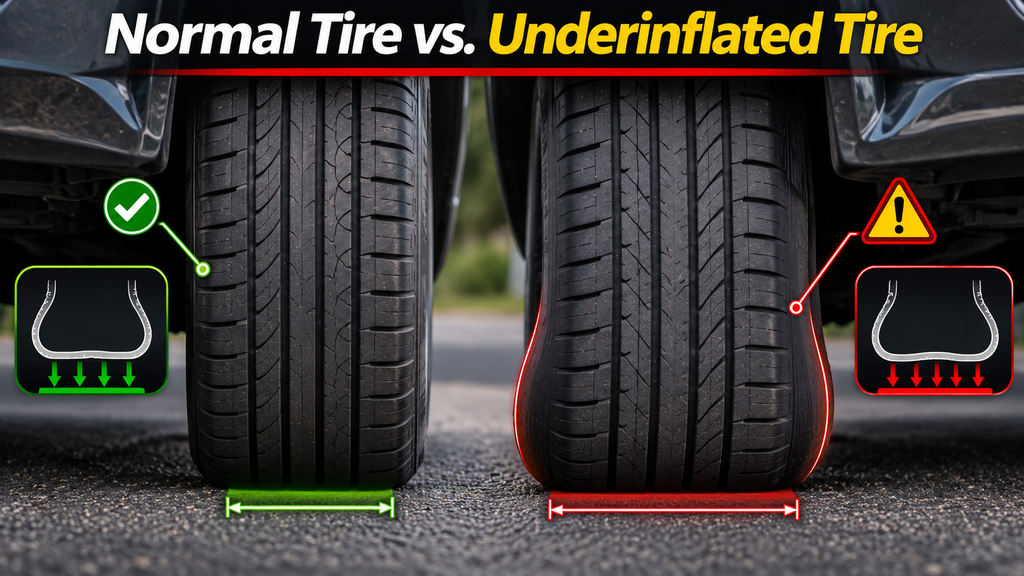
A TPMS fault does not necessarily mean that a tire has lost air. The vehicle may still drive normally, but the monitoring system may not warn you reliably about pressure loss.
Since underinflated tires can look normal, measuring pressure is more reliable than visual inspection alone.
If Pressures Are Correct
Continue checking pressures manually and arrange repair of the monitoring fault. Do not assume the warning system is functioning.
If a Tire Is Flat or Damaged
Stop safely. Do not keep driving on a flat, rapidly deflating, severely underinflated, or visibly damaged tire.
How to Fix a Tire Pressure Sensor Fault
The best repair starts with the simplest checks and moves toward professional diagnosis only when necessary.
Step 1: Identify the Exact Warning
Read the dashboard message and note whether the TPMS indicator stays on or flashes before becoming steady. If possible, record the message and when it appears.
Step 2: Find the Recommended Tire Pressure
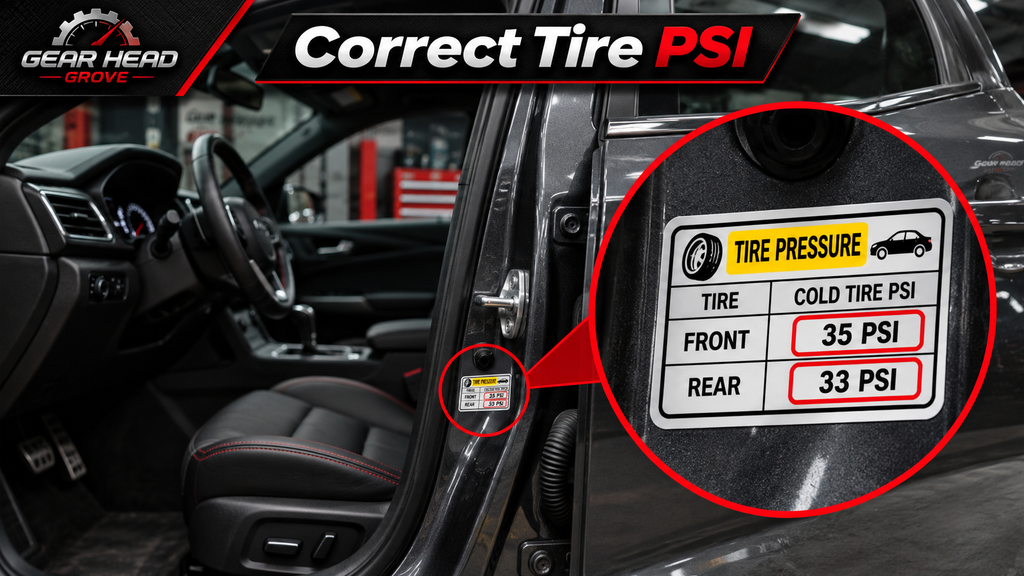
Open the driver’s door and locate the vehicle’s tire-pressure placard. It usually provides the recommended cold inflation pressure for the original tire configuration.
Some vehicles specify different pressures for front and rear tires. Use the applicable values rather than guessing.
Step 3: Measure All Applicable Tires
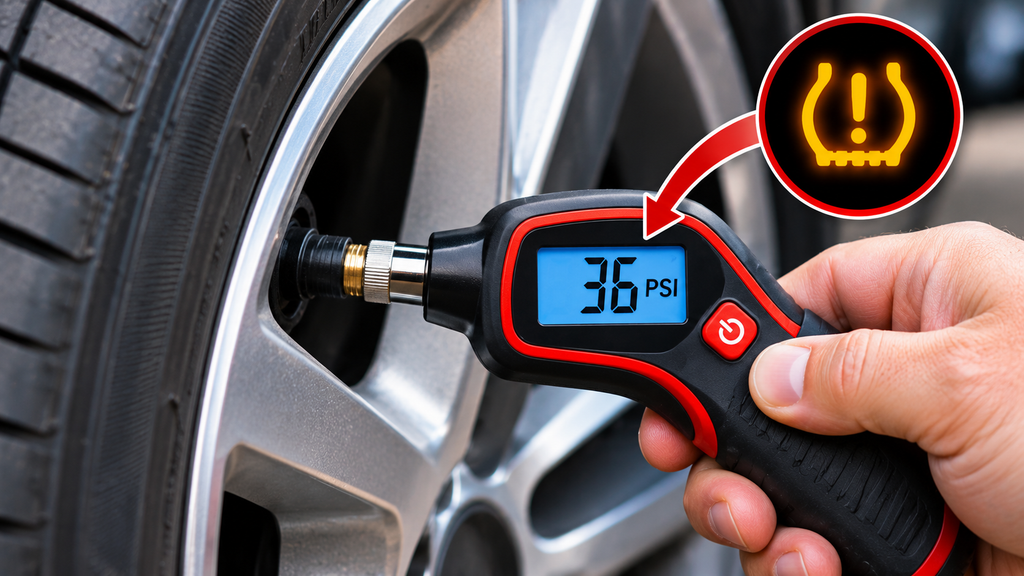
Check the tires when cold, preferably before driving or after the car has been parked for several hours. Remove the valve cap, press an accurate gauge firmly onto the valve stem, and read the pressure.
Check each road tire, and check the spare according to the owner’s manual. If a tire is low, inflate it to the correct cold pressure.
Do not use the maximum pressure printed on the tire sidewall as your normal inflation target.
Step 4: Inspect for Tire Damage or Air Leaks
Look for visible punctures, damaged sidewalls, embedded objects, or a tire that loses pressure repeatedly. A professional tire shop can investigate leaks around the valve stem, tire bead, or tread area.
If the tire is flat or unsafe, do not continue driving to see whether the warning disappears.
Step 5: Review Recent Tire or Wheel Changes
Think about whether the warning began after a tire rotation, new wheels, sensor replacement, seasonal wheel change, or temporary spare installation.
This information matters because the monitoring system may need compatible sensors or a vehicle-specific relearn.
Step 6: Follow the Manufacturer’s Reset Procedure
Some vehicles require TPMS initialization after correcting pressure. Others update automatically after specified driving conditions. Direct TPMS vehicles may require sensor training after certain wheel or sensor changes.
Use your owner’s manual rather than a generic reset sequence from a different model.
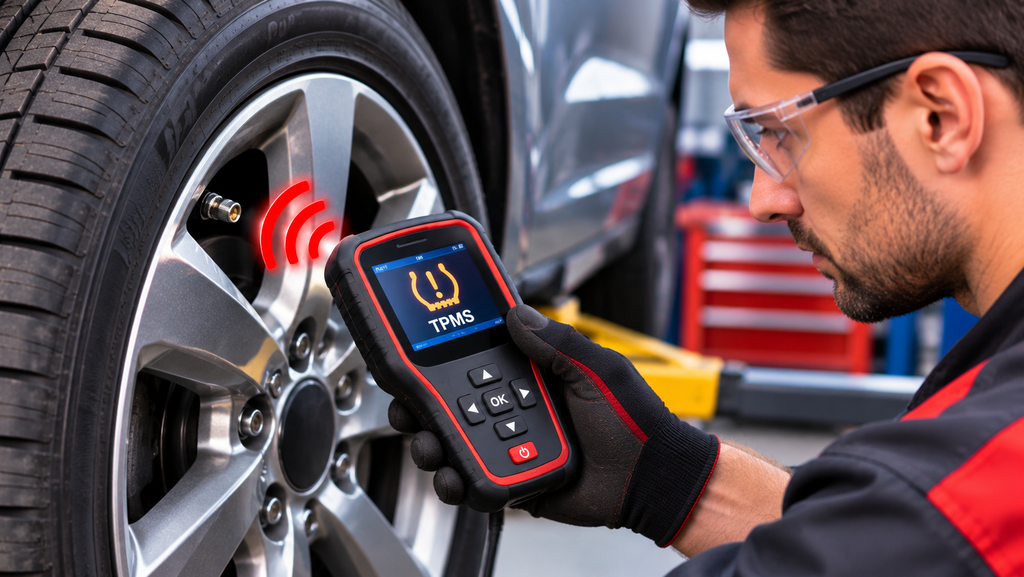
Step 7: Arrange a TPMS Diagnostic Scan
If the warning continues, a tire technician can check whether the sensors transmit correctly and whether the vehicle recognizes their identification information.
A diagnostic tool may also help identify missing sensors, communication problems, or vehicle-specific fault codes.
Step 8: Repair the Confirmed Problem
Depending on the diagnosis, the solution might involve correcting tire pressure, repairing a leak, completing a relearn, fitting a compatible sensor, or replacing a verified failed component.
Afterward, the technician should confirm that the warning has cleared and that the monitoring system operates as intended.
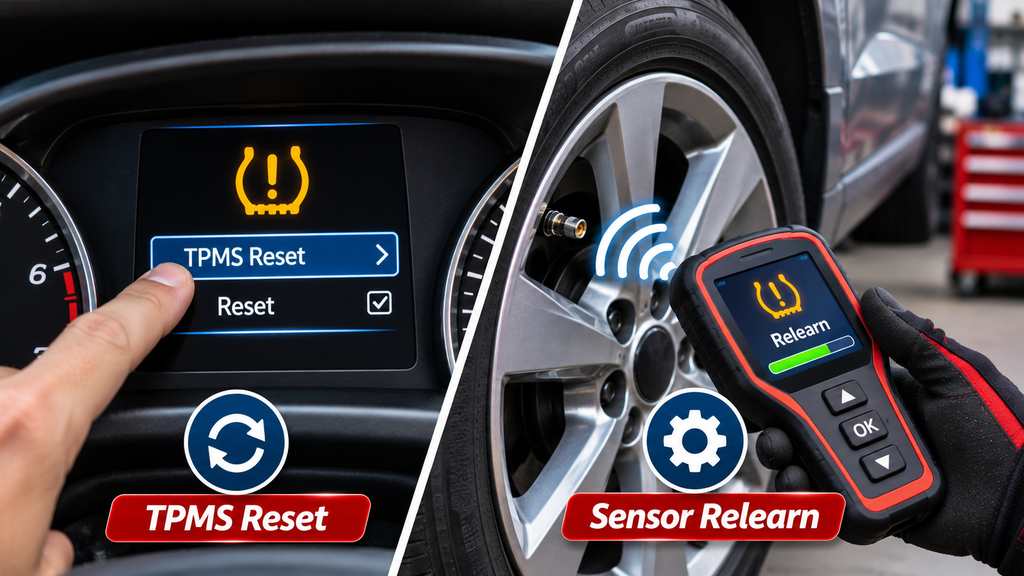
TPMS Reset vs. Relearn: What’s the Difference?
These terms are sometimes used interchangeably, but they can refer to different procedures.
| Procedure | Purpose |
|---|---|
| Reset / Initialization | Establishes or refreshes the system’s reference conditions where supported. |
| Sensor Relearn / Registration | Allows certain vehicles to recognize sensor identification or wheel position information. |
Neither procedure can repair a physically damaged sensor or restore a depleted internal battery.
When Should a Tire Pressure Sensor Be Replaced?
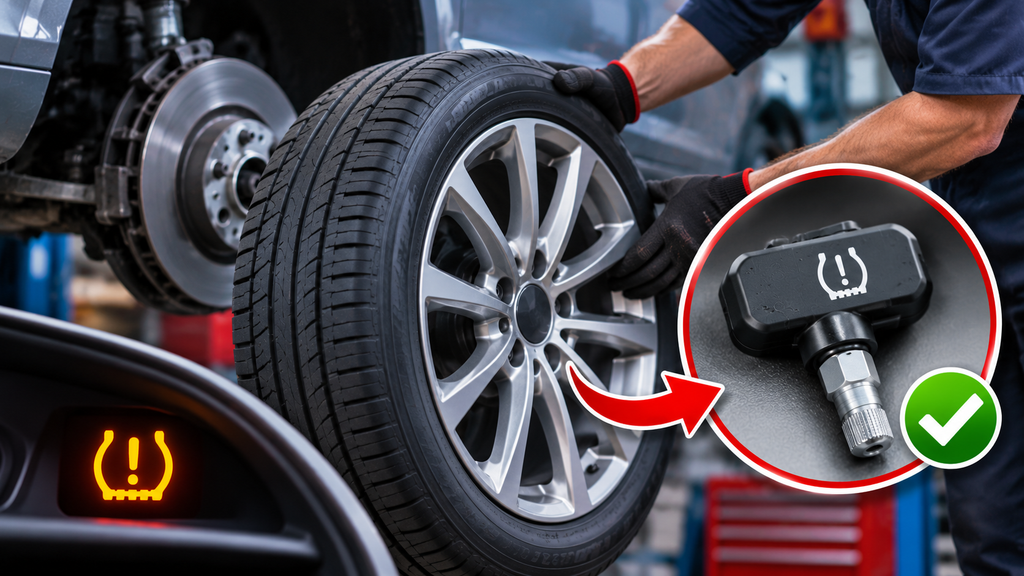
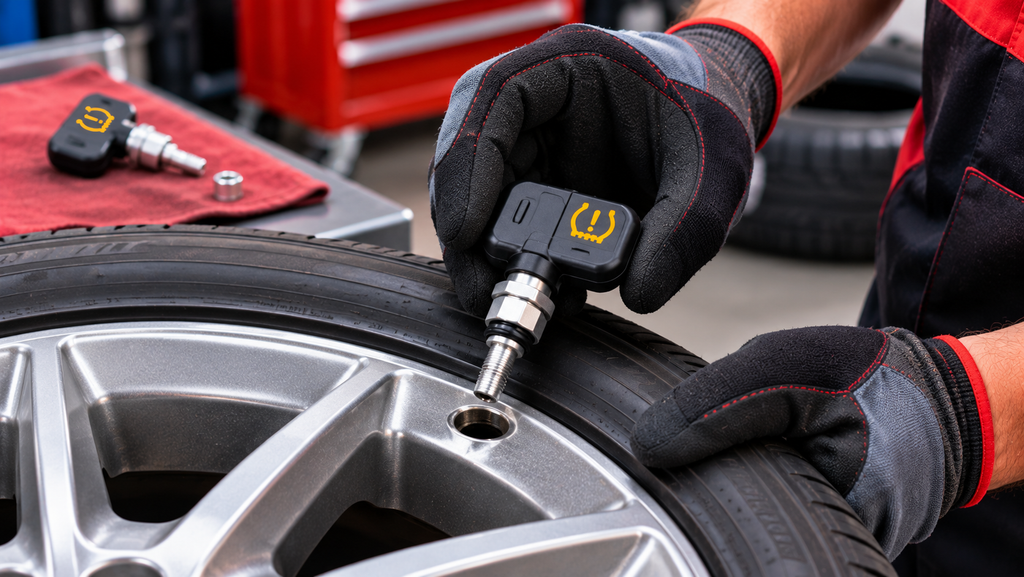
A wheel-mounted sensor may require replacement if diagnosis confirms battery failure, physical damage, internal electronic failure, or incompatibility with the vehicle.
Sensor replacement typically requires tire-service equipment because the unit is mounted inside the wheel. The technician may need to dismount the tire, replace the sensor or approved service hardware, reinflate the tire, and carry out programming or relearning.
Do not assume all four sensors must be changed because one has failed. A technician can explain whether replacing additional aging sensors is optional or justified by the diagnostic findings.
How Much Does It Cost to Fix a TPMS Fault?
The cost varies by vehicle, location, sensor type, and the work required. A pressure correction or initialization can be much simpler than replacing a sensor, while an electronic receiver or wiring problem may require more diagnostic labor.
Before approving repairs, ask for an itemized estimate covering diagnosis, parts, tire-service labor, and any sensor programming or relearn charges.
Before You Pay for a New Sensor
Ask which sensor failed, how the shop confirmed the problem, and whether the proposed replacement is compatible with your vehicle.
How to Prevent Tire Pressure Sensor Problems
Sensor batteries eventually age, so not every failure can be prevented. Still, proper tire care helps protect both the tires and monitoring hardware.
- Check cold tire pressure at least once a month.
- Use the vehicle manufacturer’s recommended PSI.
- Have recurring tire leaks inspected instead of repeatedly adding air.
- Use a qualified shop for tire mounting and sensor service.
- Confirm sensor compatibility before buying aftermarket wheels.
- Follow the owner’s manual after tire rotations or sensor replacements.
- Replace damaged valve-stem hardware with suitable approved parts.
- Do not ignore persistent malfunction messages.
Remember that TPMS is a warning system, not a substitute for proper tire maintenance or visual inspections for damage.
12 Most Important FAQs About Tire Pressure Sensor Faults
1. What does tire pressure sensor fault mean?
A tire pressure sensor fault means your vehicle’s Tire Pressure Monitoring System (TPMS) has detected a malfunction. This may involve a faulty sensor, depleted battery, communication issue, or another monitoring-system problem.
2. Is it safe to drive with a tire pressure sensor fault?
The vehicle may still drive normally, but the TPMS might not warn you about low tire pressure. Check your tires with an accurate pressure gauge and arrange professional diagnosis if the warning persists.
3. What causes a tire pressure sensor fault?
Common causes include dead sensor batteries, damaged sensors, corroded valve stems, incompatible replacement wheels, communication problems, and incomplete TPMS relearn procedures.
4. How do I fix a tire pressure sensor fault?
Check tire pressure, inspect for leaks, review recent tire changes, and follow the manufacturer’s reset instructions if applicable. If the warning remains, have the TPMS diagnosed before replacing components.
5. Can low tire pressure cause a sensor fault warning?
Low tire pressure normally triggers an underinflation warning rather than a sensor malfunction message. However, both conditions can occur together, making a manual pressure check essential.
6. How do I know which tire pressure sensor is faulty?
A technician can use a compatible TPMS diagnostic tool to identify sensors that are not transmitting correctly. A dashboard warning alone may not identify which sensor has failed.
7. Can a dead TPMS battery cause a sensor fault?
Yes. Many direct TPMS sensors contain sealed batteries. When a battery fails, the sensor may stop transmitting pressure information and require replacement.
8. Can a tire pressure sensor fault reset itself?
Some warnings disappear after the underlying issue is corrected. However, resetting the system cannot repair a damaged sensor or depleted battery.
9. Why does my tire pressure sensor fault appear after changing tires?
The warning may appear because a sensor was damaged during installation, an incompatible sensor was fitted, or the vehicle requires a TPMS relearn.
10. Can a spare tire cause a tire pressure sensor fault?
Yes. Some temporary spare tires lack compatible pressure sensors. Certain vehicles, including some Ford models, may display a sensor fault message when a temporary spare is installed.
11. How much does it cost to replace a tire pressure sensor?
Replacement costs vary depending on the vehicle, sensor type, labor, and programming requirements. Obtain a professional diagnosis and itemized estimate before replacing the sensor.
12. Can I ignore a tire pressure sensor fault if my tires look normal?
No. Tires can be underinflated without appearing flat. A malfunctioning TPMS may not provide reliable warnings, so check tire pressure manually and have persistent faults inspected.