One bad truck can affect the whole job. The one that is too small means two trips, and a truck that is too big means wasted fuel and tight turns. Keep in mind that the right truck is your moving firm’s spine. So pick with care. Here are some valuable tips on how to do it right.
1. Match Truck Size to Job Volume
You should start with the work you do most. Think of your day-to-day job. How many rooms? How many boxes? How far do you drive? The best approach is to write down your last ten jobs. Note the load size and the miles. A clear trend will show. If most jobs are one-bed units, a huge truck is a waste. But if you haul full homes, a small van will cost you trips. However, for the best vehicle, you can look at a prime mover. They suit long hauls and large loads. But remember a heavy truck costs a lot to run. So do not buy one for small local jobs.
2. Check Payload vs. Cargo Space
These two are not the same. Cargo space is the room inside, and payload is the weight the truck can haul safely. A vehicle can be big and still be weak. The one with lots of room but a low payload will strain. Its springs will sag, and the brakes will work too hard. That is a real risk. On the other hand, a truck with a high payload but tight space will not fit it all. So you should check both specifications. The types of trucks you look at must show a clear payload figure. Do not trust a guess. Ask for the full details and do the math.
3. Pick the Right Body and Features
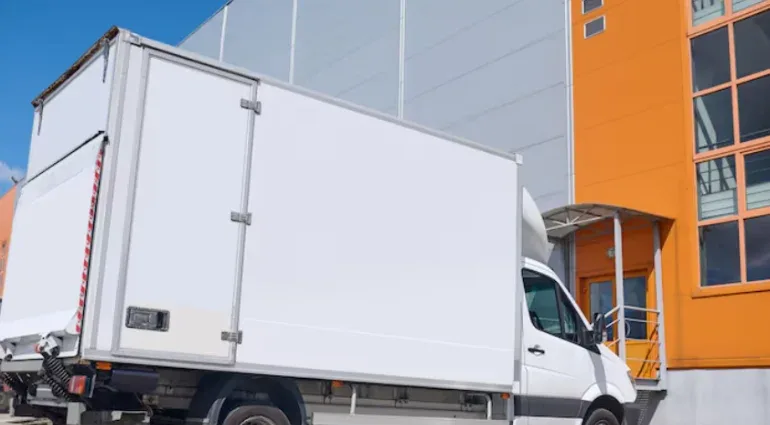
The shape and the doors of the truck do real work. Some suit most home goods, as they keep rain out. A flat bed is good for odd shapes but bad in rain. You should also look at the ramp. A long, wide ramp saves time and requires less effort during loading and unloading. But you must look at the tie-down points. Remember, more points mean a safer load. Moreover, when looking for a truck, you should check the seats. A tired crew makes mistakes, but a good seat and a clear view can cut the risk.
4. Think About Access and Routes
Even a great truck is of no use if it cannot reach the door. So drive your routes first. Check the streets. Are they wide? Are there low trees? Is there a tight turn? A big truck will fail where a mid-size one will pass.
Moreover, check the drive. Is it steep? Is there dirt? Can the rear wheel slip? Check the bridge weights too. A heavy load on a weak bridge is a no. After that, check the parking as well. Can you park the truck while you load? Sometimes, a fine spot can cost you more than fuel. So choose wisely.