The Assumption That Any Welder Can Build Anything
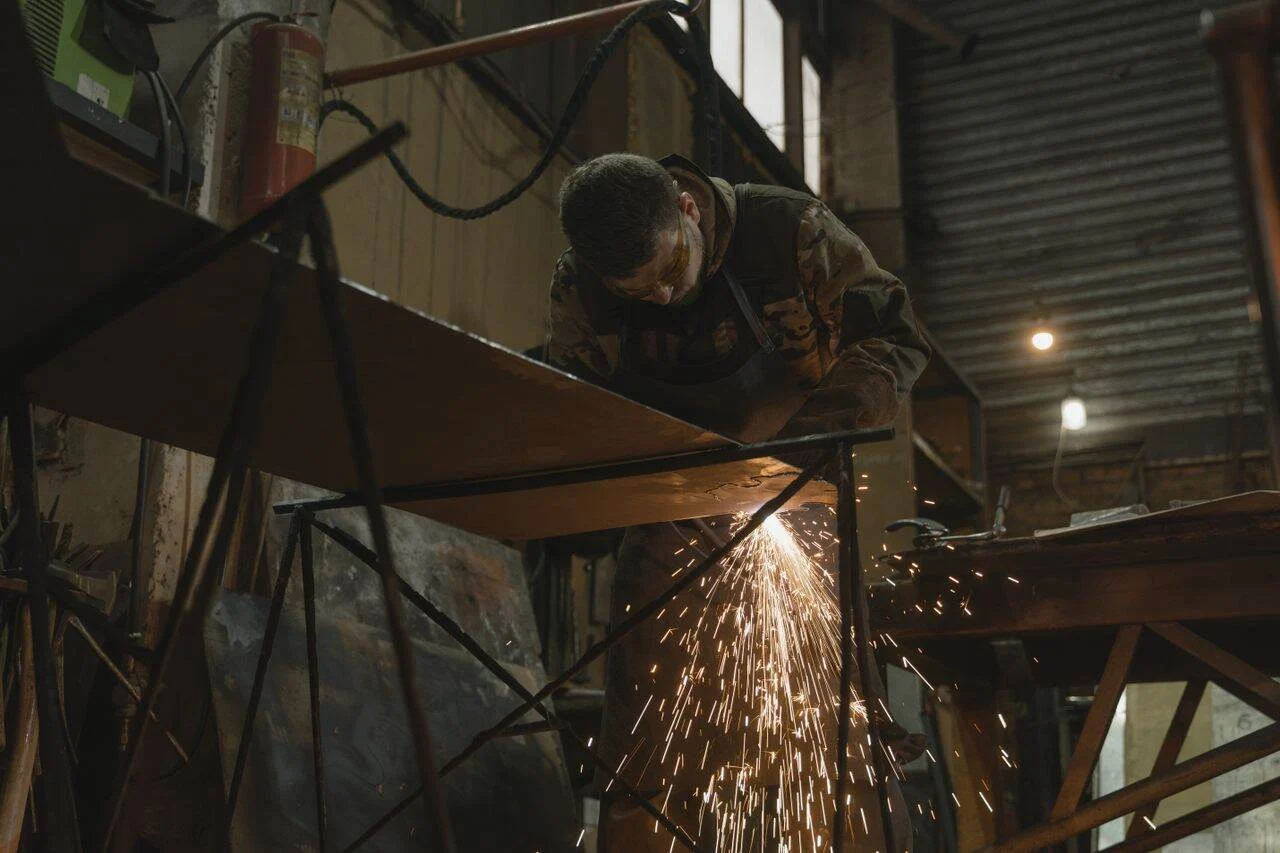
Most people assume welding is welding, and that once someone knows how to run a bead, they can handle any job that involves metal joined to metal. A trailer hitch repair, a custom gate, a structural repair on a flatbed, a one-off bracket for a piece of farm equipment: surely it’s all the same skill set with different shapes attached. This assumption gets reinforced by how welding gets talked about in general conversation, where the craft is often reduced to a single image of sparks flying and a mask flipping down.
The reality looks different once you spend time around actual fabrication shops. Welding is only one piece of a larger process that includes reading engineering drawings, selecting the right filler material for a given metal type, accounting for stress loads, and understanding how heat affects the structural integrity of a part over time. A shop that specializes in trailer frames approaches a project with a completely different set of priorities than one that mostly builds decorative railings or repairs lawn equipment. The end product might look similar to an untrained eye, but the engineering behind it rarely is.
Thickness of material, type of alloy, and the intended use of the finished piece all change how a job should be approached. A trailer axle mount that will carry thousands of pounds down a highway at sixty miles an hour cannot be treated the same way as a decorative fence post. Shops that understand this distinction tend to ask more questions before they ever strike an arc, because the wrong answer on any one of those points can turn into a failure months down the road.
Matching the Shop to the Actual Job in Front of You
Once someone accepts that fabrication work varies by application, the next step is figuring out how to match a project to the right kind of shop. This matters more for anything load-bearing or safety-related, since a mistake in those categories tends to show up at the worst possible moment, usually on a road somewhere far from help. Trailer repair sits squarely in that category, because a trailer under load is subject to vibration, torque, and repeated stress cycles that a stationary object never experiences.
For owners dealing with cracked frames, damaged hitches, or custom modifications to haul something a trailer wasn’t originally built for, the right shop brings both welding skill and a working knowledge of how trailers behave under real-world conditions. That’s part of why operations offering welding and fabrication services tend to focus specifically on trailers and the equipment that depends on them, rather than treating every job as interchangeable with the last one. Specialization in this area isn’t about narrowing options; it’s about applying the right technique to a part that has a very specific job to do once it leaves the shop.
Pricing conversations often reveal the same gap in understanding. A shop that quotes a job quickly and without asking about load capacity, usage patterns, or the age of the existing frame is often pricing based on time and material alone, not on the actual demands of the repair. Shops that specialize in trailer work tend to ask about towing weight, road conditions, and how often the trailer gets used commercially versus occasionally, because those answers change the welding approach and the materials selected for the repair.
The upkeep side of fabrication gets overlooked just as often as the repair side. Trailers that go through routine inspection and small structural corrections before a problem becomes visible tend to last years longer than those patched only after something breaks. A shop that treats welding as part of an ongoing maintenance relationship, rather than a one-time emergency fix, usually produces better long-term outcomes for the owner. That difference in approach rarely shows up in a quick phone quote, but it shows up clearly in how a trailer holds up three or four years later, long after the invoice has been paid and forgotten.