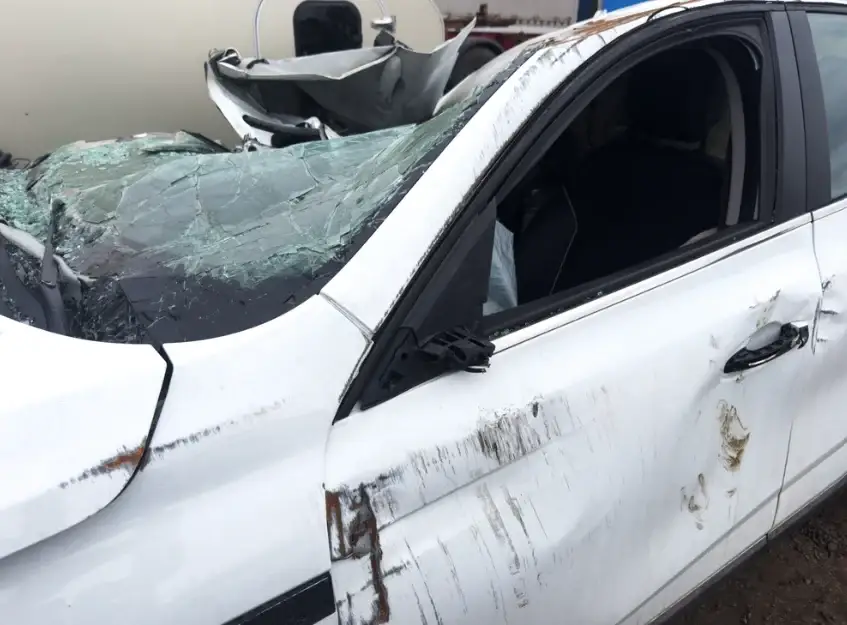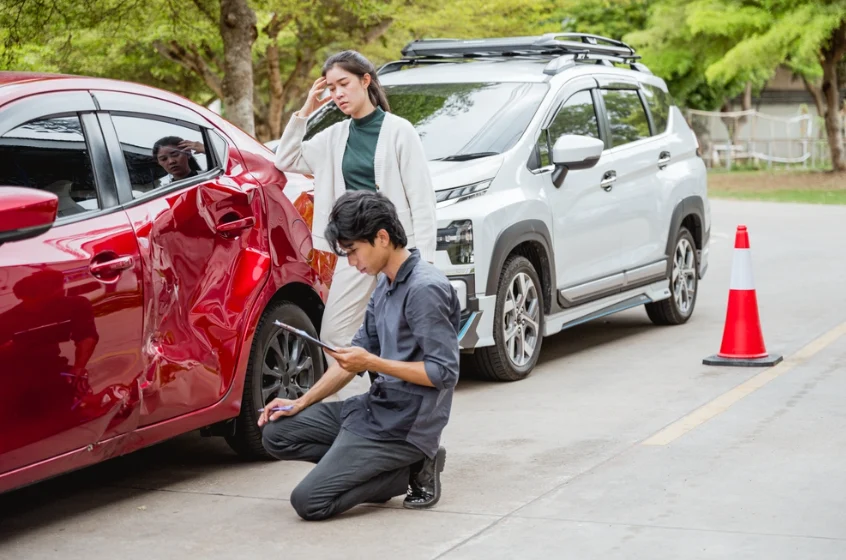
A badly damaged vehicle does not always belong to the driver who caused the crash. On the roads of Grand Rapids, a collision may result from a missed signal, an unsafe turn, or a driver failing to notice another vehicle. Sometimes, the damage looks serious even though the driver did everything possible to avoid the impact. The condition of the vehicles alone cannot explain who was at fault.
Determining responsibility requires a closer look at how the accident happened. Driver behavior, traffic laws, and the actions of everyone involved can influence the decision. A car accident lawyer in Grand Rapids, MI can help injured drivers understand how Michigan law applies to their situation and what options may be available if fault is disputed.
What Factors Help Determine Fault?
Fault usually depends on how the collision happened and whether a driver failed to use reasonable care. Investigators may look at the actions of everyone involved rather than blaming the driver whose vehicle suffered the most damage.
Common factors include:
- Speeding: Driving too fast can make it harder to stop or avoid another vehicle.
- Distracted driving: Looking at a phone or focusing on something other than the road can cause a driver to miss hazards.
- Traffic violations: Ignoring a stop sign, running a red light, or failing to yield may contribute to a crash.
- Unsafe driving choices: Following too closely or turning without checking for other vehicles can create dangerous situations.
Police reports, witness accounts, photographs, and vehicle damage may help explain what happened. However, a police report alone does not always settle legal responsibility.
How Does Michigan’s Comparative Fault Law Work?
Michigan follows a comparative fault system, which means responsibility can be divided among the people involved in a collision. One driver may be mostly responsible, while another may have contributed through speeding or another unsafe action.
For example, suppose one driver makes an unsafe turn while another is traveling above the speed limit. Depending on the circumstances, both drivers could share some responsibility.
The percentage assigned to each person can affect certain compensation claims. Michigan law generally reduces economic damages, such as medical expenses and lost wages, according to the injured person’s share of fault. For noneconomic damages, including pain and suffering, different restrictions apply. Under Michigan law, a person who is more than 50% at fault generally cannot recover noneconomic damages from another at-fault party.
These rules can make the outcome more complicated than simply deciding which driver caused the crash.
What Role Do Investigators Play?
Investigators review accidents to decide how a claim should be handled under the applicable policy and state law. Their findings may influence settlement discussions, but their initial conclusions are not necessarily the final word on legal responsibility.
An investigator may consider several details, including:
- Statements from the drivers involved.
- Police reports and witness descriptions.
- Photographs showing vehicle damage and road conditions.
- Traffic signals, signs, and other circumstances surrounding the collision.
- The terms of the policy and the type of claim being made.
Disagreements can arise if drivers provide different accounts or an investigator interprets the circumstances differently. A driver should read the investigator’s explanation carefully and ask for clarification about how its decision was reached.
Michigan also has a no-fault system. Drivers generally seek personal injury protection benefits through their own policies for covered losses, subject to applicable rules. Claims against another driver may require separate legal grounds.
What If Both Drivers Share Responsibility?
Shared fault does not automatically prevent an injured person from seeking compensation. The effect depends on the type of claim, the person’s percentage of responsibility, and the legal requirements that apply.
Michigan’s no-fault system generally provides certain benefits, regardless of who caused the crash. However, recovering pain and suffering damages from another driver usually requires meeting Michigan’s injury threshold, which includes a serious impairment of body function, serious permanent disfigurement, or death.
For example, a driver who contributes to a collision may still have a claim against another driver whose actions caused most of the harm. The amount and types of damages available will depend on the facts and applicable law.
It is important to understand how fault affects each part of a claim instead of assuming that shared responsibility means receiving nothing.
What Can You Do If You Disagree With a Fault Decision?
A driver does not have to accept what the other party says without asking questions. If the decision seems unfair or overlooks important details, a few practical steps may help clarify the disagreement.
- Request an explanation: Ask the investigator how it reached its fault decision.
- Check for errors: Review statements about the accident and point out factual mistakes.
- Keep relevant documents: Save claim letters, repair estimates, and other information related to the dispute.
- Get legal advice: A lawyer can explain whether the decision follows the applicable rules and discuss possible next steps.
Speaking with a car accident lawyer in Grand Rapids, MI may be helpful if responsibility is disputed, the injuries are serious, or a settlement offer does not appear to account for the losses involved.
Get Clarity Before Accepting a Fault Decision
Responsibility after a car accident depends on the actions of the drivers, the circumstances of the collision, and Michigan’s liability laws. Since shared fault can affect some types of compensation differently, it is worth understanding how an investigator reached its conclusion before agreeing to a settlement.
If you have questions about a disputed claim, consider contacting a Grand Rapids car accident attorney to discuss your situation. A conversation about your options can help you make a more informed decision about the next steps.