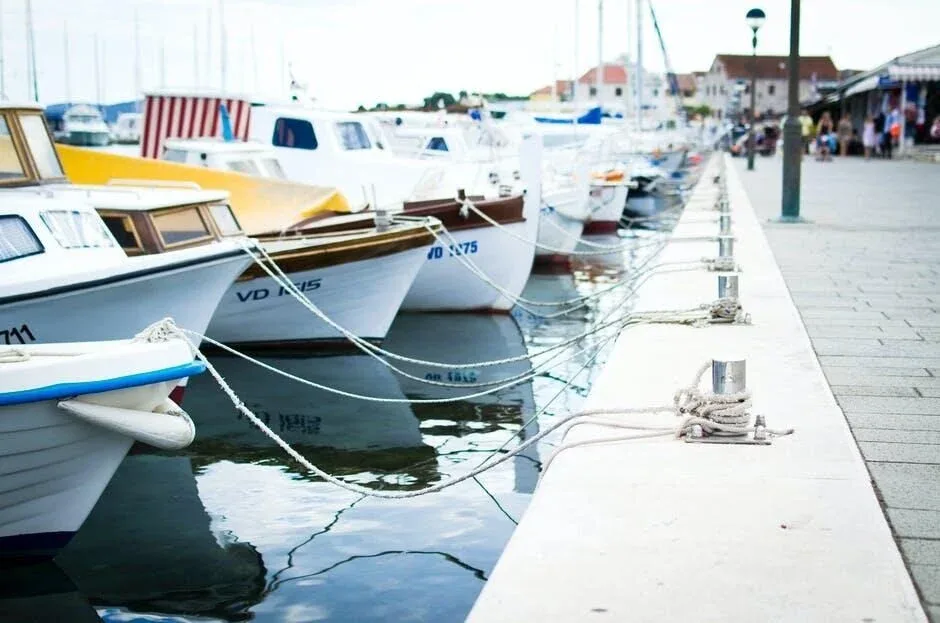
Have you ever imagined spending sunny days on the water, fishing with friends, or exploring quiet lakes with your family? The right boat can turn these dreams into fun and lasting memories. However, choosing one takes more than picking a style that looks good.
You need to think about how you will use it, where you will sail, and how much you can spend. With careful planning, you can find a boat that fits your needs without adding stress. This guide will help you compare options and make a smart choice.
Start With Your Main Boating Purpose
Think about what you want to do on the water before looking at boats. Fishing boats work well for anglers, while pontoon boats offer space for family trips and relaxing days. If you enjoy water sports, a motorboat with enough power may suit you better.
Your plans also affect the features you need. For example, long trips may call for covered seating, storage space, and a place to rest. Knowing your main purpose helps you avoid paying for features you rarely use.
Choose the Right Size for Your Trips
Boat size affects comfort, safety, and ease of use. Small boats can be easier to store and move, making them useful for calm lakes and short trips. Larger boats offer more room but may need stronger towing vehicles, bigger storage areas, and more care.
Think about how many people will join you most often. A boat should have enough room for everyone to sit safely without feeling crowded. Always check its passenger limit and follow local boating rules.
Set a Budget That Covers More Than the Price
The purchase price is only one part of owning a boat. You may also need to pay for fuel, insurance, repairs, safety gear, storage, and regular care. Add these costs to your budget before deciding what you can afford.
New boats may offer updated features and warranty coverage, while used boats may cost less at first. If you consider a used model, check its condition and service history before buying. A trusted boat dealer can help you compare options and understand the costs.
Compare Boat Features and Explore Your Options
When choosing a boat, look at its engine, seating, storage, and safety equipment. Make sure the controls feel clear and the layout suits your planned trips. If possible, ask for a demonstration so you can learn how the boat handles.
Take time to compare models before making your choice. You can browse new boat options at https://www.outdoorexperts.ca/ to explore available styles and features. Ask the dealer about care needs, warranty terms, and any extra costs before you commit.
Make Every Trip a Better Fit
Choosing a boat becomes easier when you know your plans, budget, and space needs. Focus on comfort, safety, and useful features instead of looks alone. The best choice is one you can manage with care and enjoy for years.
Take time to ask questions and compare your options before you buy. With the right research, choosing a boat can lead to more fun days, peaceful trips, and special moments on the water.
Did this guide help you? Browse the rest of this section for more advice on a variety of topics.