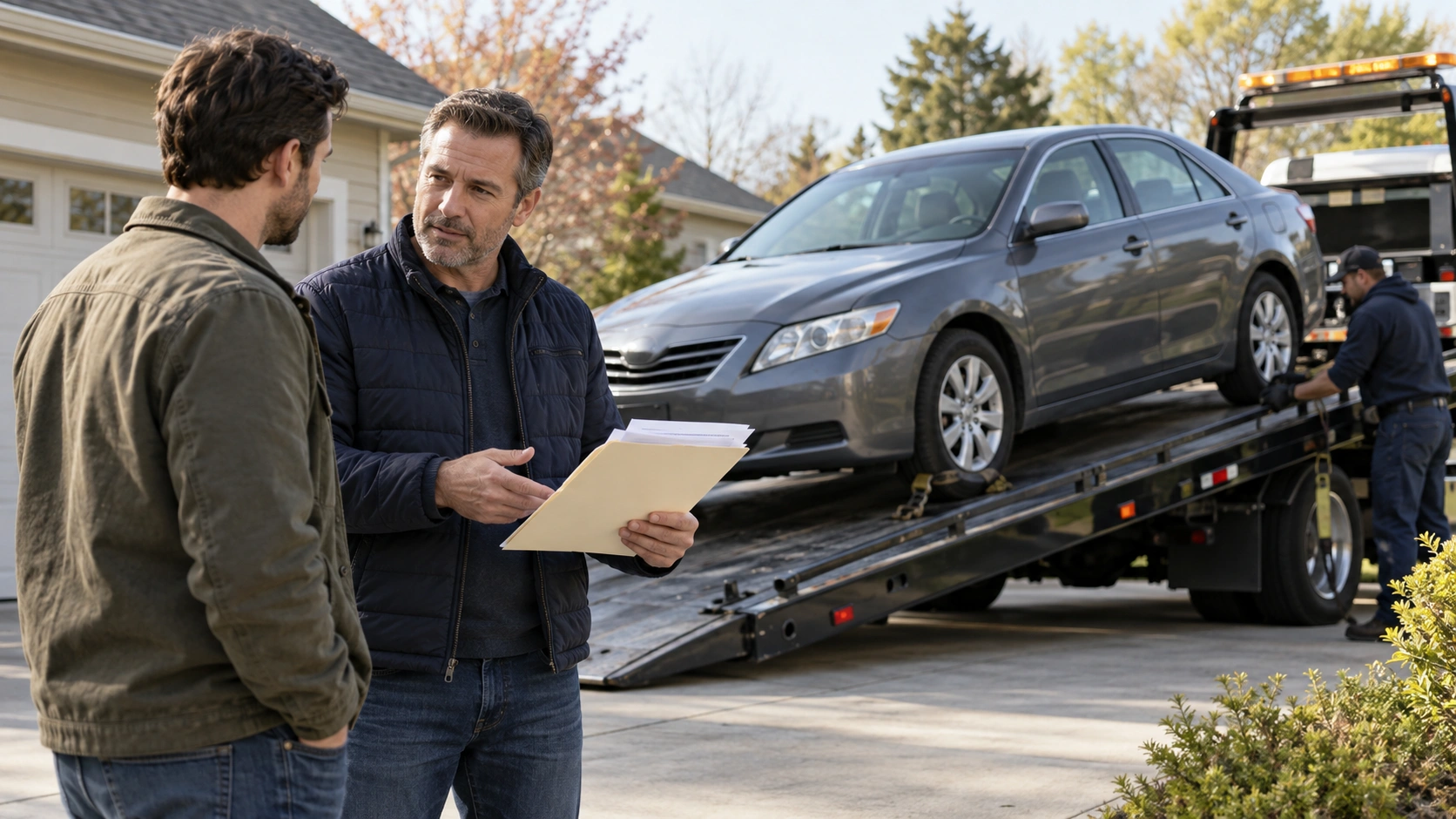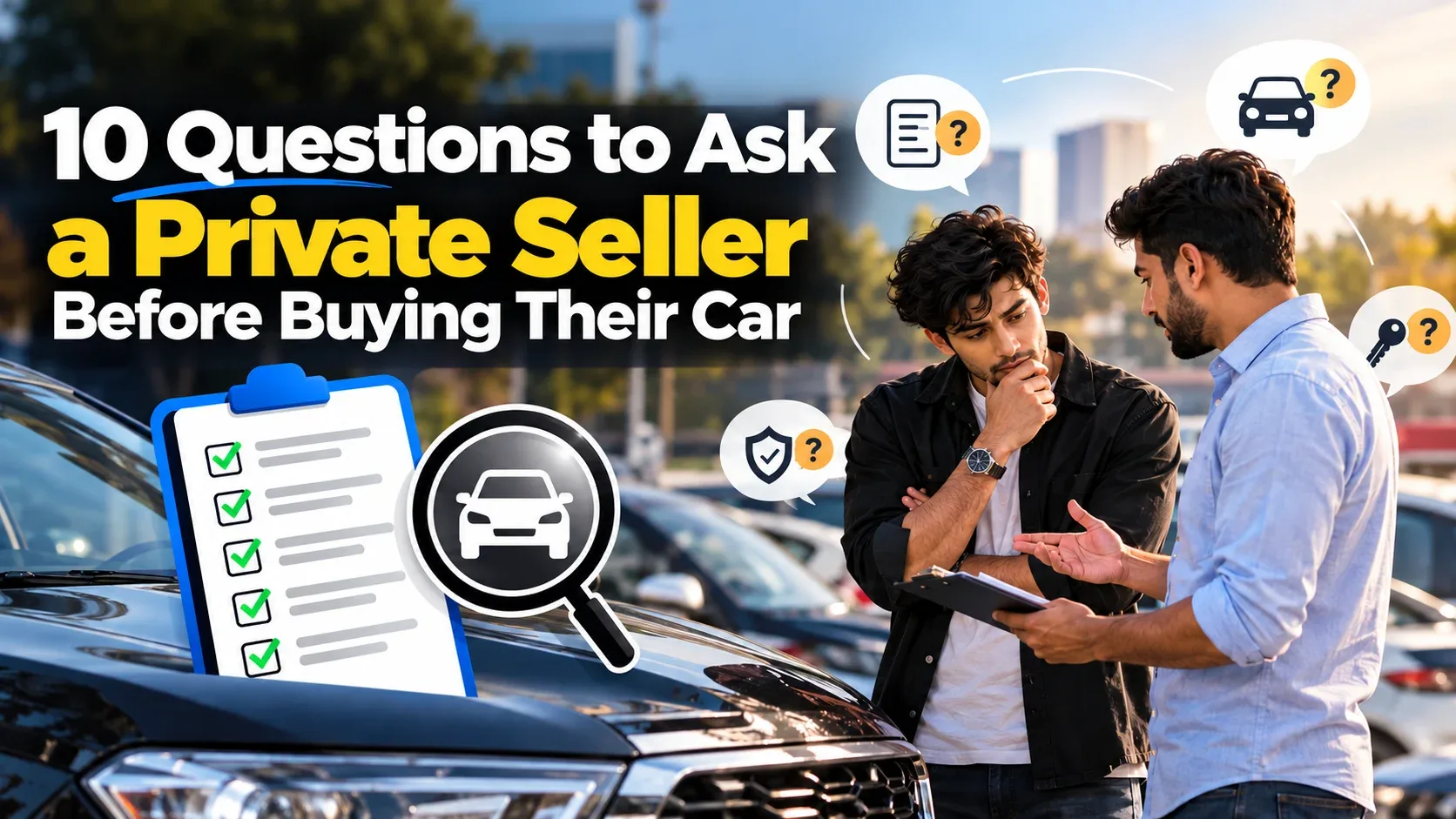

Buying a car directly from an owner can give you more flexibility, more information about the vehicle’s history, and an opportunity to negotiate directly with the person who has driven and maintained it. However, a private sale also means you need to do more of your own research before handing over your money. When browsing private used cars for sale knowing what questions to ask can make the entire process clearer and safer.
A private seller should be able to answer basic questions about the car’s ownership, condition, maintenance, mileage, and reason for selling. At the same time, sellers benefit when buyers ask clear and relevant questions because it creates transparency and helps avoid misunderstandings later. Here are 10 important questions to ask before buying a car from a private seller.
1. Why Are You Selling the Car?
One of the first questions to ask is why the owner has decided to sell. There can be many perfectly reasonable explanations, such as upgrading to another vehicle, moving to a different city, needing a larger car, or simply not using the vehicle often.
The answer does not automatically tell you whether the car is good or bad, but it gives you useful context. Pay attention to whether the seller provides a straightforward explanation or avoids answering the question.
If the seller says they are replacing the car because of an expensive mechanical issue, ask for more details. Understanding the reason for the sale can help you decide what additional inspections or questions may be necessary.
2. How Long Have You Owned the Car?
The length of ownership can tell you more about the seller’s relationship with the vehicle. Someone who has owned a car for several years may be able to explain its maintenance history, driving habits, previous repairs, and recurring issues in considerable detail.
Ask whether the seller purchased the car new or bought it from another owner. If they have owned it for only a short period, ask why they are selling it so soon.
You can also compare the seller’s answers with the information shown on the title, registration, service records, or vehicle history report. Consistency between these sources is important when evaluating a private sale.
3. Has the Car Ever Been in an Accident?
Accident history is one of the most important subjects to discuss before purchasing a used vehicle. A seller should disclose known accidents, repairs, and major bodywork.
Do not limit the question to serious crashes. Ask whether individual panels have been replaced, whether the vehicle has been repainted, or whether there has been damage from flooding, hail, or other incidents.
It is also worth looking carefully at the exterior during your inspection. Differences in paint color, uneven panel gaps, overspray, or inconsistent body alignment may justify asking additional questions.
| What to Ask | Why It Matters |
| Has the car been in an accident? | Identifies possible structural or cosmetic damage |
| Which areas were repaired? | Helps determine the extent of previous work |
| Was insurance involved? | May provide additional documentation |
| Are repair records available? | Helps verify the seller’s explanation |
A seller who has documentation for previous repairs can give you a clearer picture of what happened and how the vehicle was restored.
4. Can I See the Vehicle History and Service Records?
Before purchasing a used car, ask the seller for documentation supporting their claims about the vehicle. Depending on the car and location, this may include service invoices, inspection reports, registration records, warranty paperwork, or a vehicle history report.
You should also check vehicle history before purchase to look for information that may not be immediately visible during an inspection. A history report can potentially reveal reported accidents, title issues, mileage records, previous ownership, or other important information.
Service records are equally valuable. They can show whether routine maintenance such as oil changes, brake replacements, tire replacements, and other scheduled services were performed consistently.
If the seller says the car has been regularly maintained but cannot provide any records, that does not necessarily mean the car has been neglected. However, you should consider arranging a professional inspection and account for the uncertainty when negotiating the price.
5. What Maintenance Has Been Done Recently?
Ask the seller to describe the most recent maintenance and repairs. Instead of simply asking whether the car has been serviced, ask for specific details.
For example, find out when the oil was last changed, whether the brakes or tires were recently replaced, and whether any major components have been repaired. If the vehicle requires scheduled maintenance soon, that should also be considered when calculating your ownership costs.
Recent maintenance can be an advantage for both parties. Buyers get a better understanding of the car’s current condition, while sellers can demonstrate that they have invested in keeping the vehicle maintained.
When reviewing private used cars for sale, buyers should compare maintenance information with mileage and available records. A seller who provides invoices and clear explanations can make it easier to establish what has actually been done to the vehicle.
6. Are There Any Current Mechanical or Electrical Problems?
Every used vehicle has some history, and older cars may naturally have minor wear. The important thing is whether the seller is transparent about known problems.
Ask directly about engine performance, transmission behavior, warning lights, air conditioning, electrical systems, suspension, brakes, and unusual noises. You should also ask whether the seller has noticed any problems that have not yet been repaired.
A useful approach is to ask:
- Are there any warning lights on the dashboard?
- Does the engine make unusual noises when starting?
- Has the transmission ever slipped, hesitated, or shifted roughly?
- Does the air conditioning and heating work properly?
- Are there any known leaks or electrical problems?
These questions give the seller an opportunity to disclose issues before you arrange a test drive or inspection.
7. What Is the Current Mileage, and Can You Verify It?
Mileage is an important factor in determining a vehicle’s age, maintenance requirements, and market value. Ask the seller to confirm the current odometer reading and whether they have documentation showing how the mileage has changed over time.
Look for consistency between the odometer, service invoices, inspection records, and vehicle history report. A significant inconsistency deserves further investigation.
Mileage should not be considered on its own. A higher-mileage car with excellent maintenance may be worth considering, while a low-mileage vehicle with poor maintenance may require more attention.
8. Are There Any Outstanding Loans, Liens, or Title Issues?
Before completing a private transaction, make sure the seller has the legal right to sell the vehicle.
Ask whether there is an outstanding loan, lien, or other financial claim against the car. You should also verify the title or ownership documentation and make sure the seller’s identity matches the paperwork required for the transaction.
The exact process varies by state and location, but the principle is the same: confirm ownership before paying for the vehicle.
| Buyer Should Verify | Seller Should Provide |
| Vehicle identification number | Correct ownership documents |
| Title or registration status | Required transfer paperwork |
| Outstanding liens | Information about any existing loan |
| Seller’s identity | Matching identification where required |
| Vehicle history | Available supporting records |
Completing these checks can help both sides avoid complications after the sale.
9. Can I Take the Car for an Independent Inspection?
A private seller should generally understand why a serious buyer wants an independent inspection. Even if the car looks clean and drives well, a qualified mechanic may identify issues that are difficult for an ordinary buyer to notice.
Arrange an inspection before finalizing the transaction whenever practical. Ask the mechanic to examine the engine, transmission, brakes, suspension, tires, fluids, electrical systems, and signs of previous accident repairs.
The inspection can also help establish whether upcoming maintenance should affect the final price. Sellers can benefit from this process too because an independent inspection can provide evidence of the vehicle’s condition and address concerns raised by prospective buyers.
10. What Is Included in the Sale?
Before agreeing on a price, clarify exactly what the buyer will receive. Ask whether the sale includes spare keys, owner’s manuals, service records, original equipment, spare tires, charging equipment, or other accessories.
You should also discuss the payment method, title transfer, registration requirements, pickup arrangements, and any written bill of sale that may be required.
A clear agreement protects both sides. Buyers know exactly what they are paying for, while sellers have a documented understanding of what they have agreed to provide.
Buying and Selling: What Both Sides Should Remember
A successful private vehicle transaction depends on transparency from both the buyer and seller. Buyers should investigate the vehicle rather than relying entirely on a seller’s description, while sellers should provide accurate information and disclose known problems.
| For Buyers | For Sellers |
| Research the vehicle before meeting | Provide accurate vehicle details |
| Review ownership and history records | Keep maintenance records available |
| Arrange an independent inspection | Disclose known issues |
| Test drive the vehicle | Allow reasonable inspection time |
| Confirm paperwork before payment | Prepare ownership documents |
| Agree on the final price in writing | Clearly state what is included |
Neither side should feel pressured to complete a transaction before important questions have been answered.
Summary
Buying a car directly from its owner can be a straightforward experience when both sides approach the transaction with transparency and preparation. Asking these 10 questions helps buyers understand the vehicle’s history, maintenance, condition, ownership status, and potential future costs.
For sellers, being prepared with service records, ownership documents, honest answers, and clear photographs can make a listing more credible and help attract serious buyers. Good communication also reduces unnecessary back-and-forth during the selling process.
For buyers and sellers looking for a straightforward private-party marketplace, KarKiosk provides a place to connect directly around vehicle listings. Whether you are searching for your next car or preparing your current vehicle for sale, taking the time to provide accurate information and ask the right questions can make the private car buying and selling process easier for everyone involved.