
If your chainsaw engine or motor runs but the chain stays still, stop cutting. This practical, safety-first sequence helps you rule out the chain brake, tension, debris, lubrication, and visible drive problems before you consider a repair.
The short answer: start with the brake, tension, and a jam
When a chainsaw has power but the chain will not turn, the most common explanations are an engaged chain brake, a chain adjusted too tightly, packed sawdust around the bar, or damage that prevents the drive links from moving freely. Do not rev the saw repeatedly to force the problem. Work from the simplest visible checks toward the clutch, sprocket, motor, or internal drive system.
Before you touch the chain
Turn the saw completely off and let it cool. Engage the shutdown procedure in your owner manual: disconnect the spark-plug lead on petrol models where appropriate, remove the battery from cordless models, or unplug corded saws. Wear cut-resistant gloves before handling the chain. Never inspect, tension, clean, or troubleshoot the drive system with the saw running.
A safe chainsaw chain troubleshooting sequence
Follow these checks in order. Each step is based on something you can observe without guessing at an internal fault. Refer to your manufacturer’s manual for the correct chain specifications, cover-removal procedure, and lubrication check for your exact saw.
- Shut the chainsaw down, disconnect its power source, and put on cut-resistant gloves.
- Check whether the chain brake is engaged and release it only as your manual instructs.
- Inspect chain tension. A chain that is extremely tight may not travel around the guide bar.
- Remove packed sawdust, wood chips, or debris from the bar cover, sprocket area, and bar groove.
- Look for bent drive links, cracked cutters, stiff links, or a chain fitted with the wrong pitch or gauge.
- Inspect the guide-bar groove and rails for blockage, overheating, spread rails, or obvious damage.
- Confirm the bar-and-chain oil reservoir is filled and follow your manual’s oil-delivery check.
- With the cover removed as instructed, inspect the drive sprocket for heavy wear, broken teeth, or debris.
- On petrol saws, stop if the clutch appears damaged or the engine revs without transferring drive to the sprocket.
- On cordless saws, check battery charge, overload protection, and visible drive components before seeking service.
What the symptom can tell you
The useful clue is whether the chain is locked even with power disconnected, or whether it moves by hand but does not move when the saw is powered. A chain that cannot move manually points first to the brake, tension, debris, bar groove, or a damaged link. A chain that moves manually but stays still under power points more strongly to the sprocket, clutch, motor drive, battery protection, or internal gears.
If the chain cannot move by hand
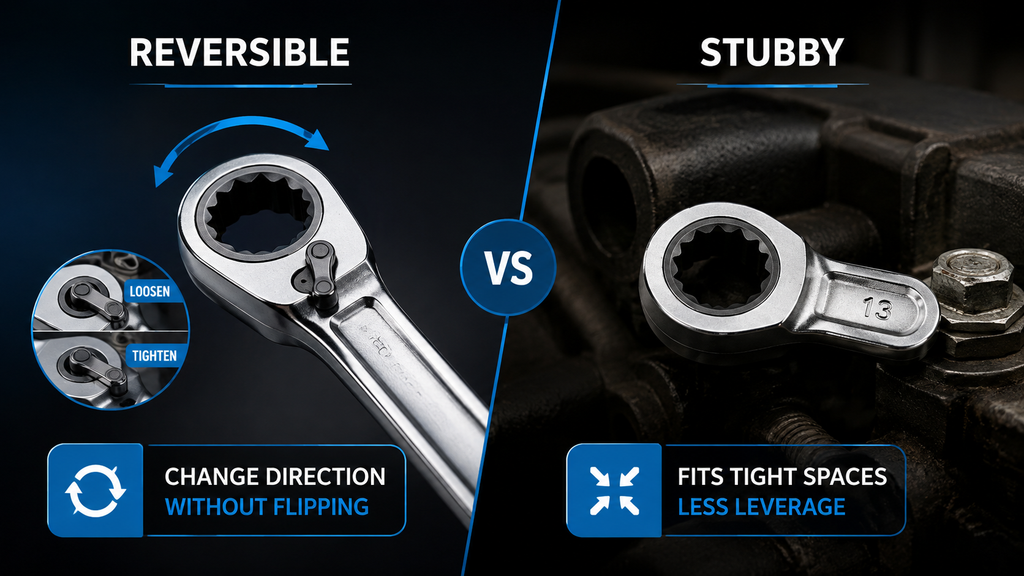
Do not force it. First make sure the brake is released after the saw is fully isolated from power. Then inspect tension and clean away chips around the clutch cover and guide bar. If it remains locked after correct tension and cleaning, remove the bar and chain only if your manual describes the procedure and look for a seized nose sprocket, bent drive links, or a badly damaged bar groove.
If the chain moves by hand but not under power
A chain that travels freely by hand but receives no drive when the motor runs is not a reason to keep testing at high speed. Check the visible sprocket and cover area for wear or debris. On a petrol chainsaw, this can indicate a clutch problem. On a cordless chainsaw, it can indicate battery protection, a drive gear issue, or an electrical fault. Grinding, rattling, smoke, or a burning smell are all reasons to stop and arrange service.
1. Check the chain brake before anything else
The chain brake is the hand guard in front of the top handle on many saws. When pushed forward, it is designed to stop chain movement. It can be triggered deliberately, by kickback, or during handling. With the saw safely powered down, use your owner manual’s instructions to confirm whether the brake is engaged and how to release it. If the hand guard or brake mechanism will not release, do not force it or operate the saw—this is a professional-service issue.
2. Check chain tension and bar fit
An over-tight chain creates friction and heat and may refuse to travel around the bar. A correctly tensioned chain sits fully in the guide-bar groove while still pulling around by hand with gloves on. On most saws, you lift the nose of the bar while adjusting, but follow your own manual because the procedure varies. Never tension a hot chain; it can contract as it cools and become too tight.
3. Clear jams around the bar and chain
Fine sawdust mixed with bar oil can pack under the clutch cover and in the guide-bar groove. Large chips can also wedge near the drive sprocket or bar mount. With the saw disconnected from power, remove the side cover only as described in the manual. Brush out debris, clean the bar groove with a suitable groove-cleaning tool or non-sharp tool, and make sure the oil outlet area is not blocked. Avoid scraping with a tool that could damage the bar rails.
4. Inspect drive links and the guide-bar groove
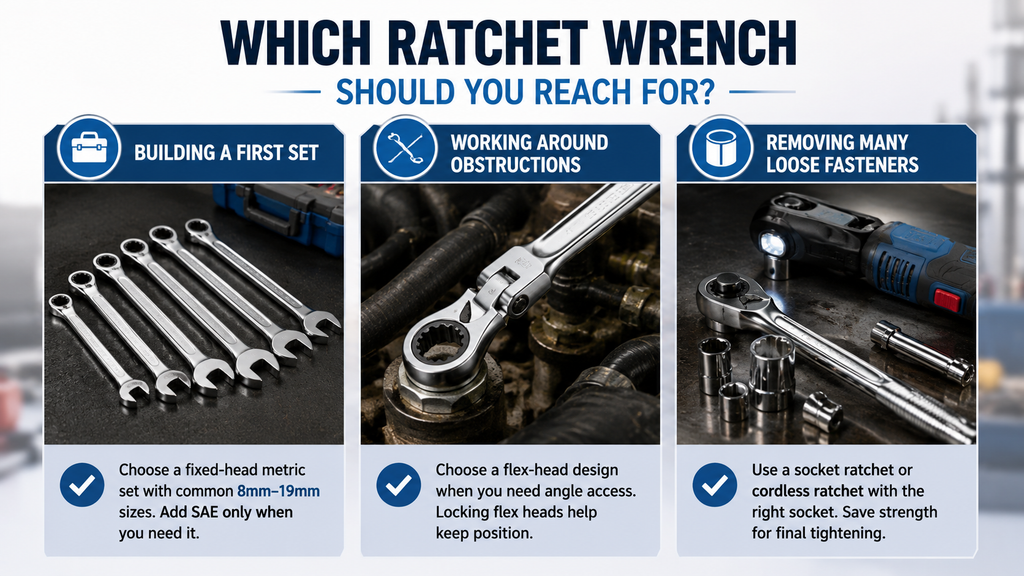
Drive links are the small tabs on the underside of the chain that sit in the bar groove and engage the sprocket. Look for bent, chipped, blue-discoloured, or unusually stiff links. Check that the chain pitch, gauge, and drive-link count match the bar and sprocket specifications in the manual. A chain with incorrect gauge may jam or sit loosely in the groove. Replace visibly damaged chain components rather than trying to straighten them.
5. Confirm lubrication before blaming internal parts
Poor bar-and-chain lubrication does not usually stop a chain instantly, but it can create enough heat and rail wear to make movement difficult or intermittent. Check that the reservoir contains the correct bar-and-chain oil. Then follow the manufacturer’s approved oil-flow test. Do not put hands, clothing, or any body part near a chain during a running oil test. A dry bar, hot chain, blue metal, or oil port that repeatedly blocks deserves attention before the saw is used again.
6. Look at the drive sprocket for visible wear
The drive sprocket transfers power into the chain. With the cover and chain removed according to the manual, inspect it for packed debris, deep grooves, chipped teeth, cracks, or uneven wear. A badly worn sprocket can cause chain movement to be rough, intermittent, or absent. Do not run the saw with the cover removed. If the sprocket is visibly damaged or you hear grinding near the clutch cover, arrange a technician inspection.
7. When the chain moves freely but receives no drive
Petrol chainsaws: clutch concerns
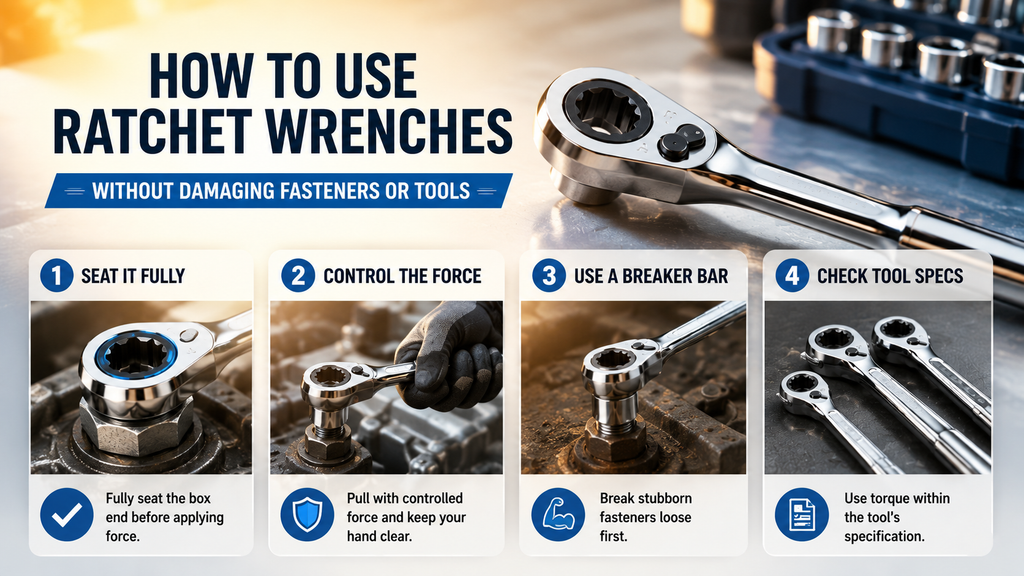
On many petrol chainsaws, engine speed engages a centrifugal clutch that drives the sprocket. If the engine revs but the chain remains still after the brake, tension, chain, and sprocket checks, the clutch may be worn, damaged, or not engaging correctly. Clutch springs and components are safety-critical. Unless your model manual specifically supports the repair and you have the right training and tools, this is a job for a qualified chainsaw technician.
Cordless chainsaws: battery, protection, and drive checks
Start with a fully charged, manufacturer-approved battery and inspect the battery contacts for obvious dirt or damage. Some cordless chainsaws pause under overload or overheating; let the saw and battery cool, then consult the manual for reset guidance. If the motor runs but the chain does not move, or if you hear internal grinding, do not keep cycling the trigger. The fault may be in the drive gear, motor drive, or electronics and should be professionally assessed.
What you can check yourself—and when to stop
Usually suitable for careful DIY inspection
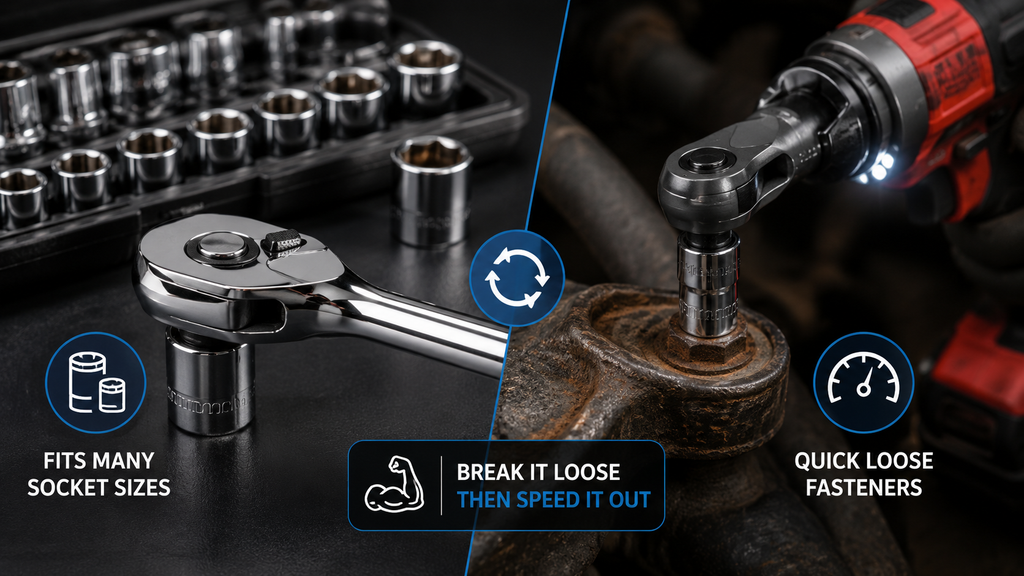
Releasing a correctly functioning chain brake, setting tension, cleaning packed sawdust, clearing the bar groove and oil outlet, topping up bar oil, and inspecting a chain for visible damage are reasonable tasks when you follow your chainsaw manual.
Stop and seek service when
The brake will not release, the chain repeatedly jams after correct fitting, the sprocket or clutch is worn, the motor runs but no drive reaches the chain, internal gears grind, or there is melted plastic, smoke, electrical odour, damaged wiring, or excessive heat.
Frequently asked questions
Why does my chainsaw start but the chain not move?
Start with the chain brake, overly tight tension, and packed debris. If the chain moves freely by hand with the saw safely disconnected but does not move under power, inspect the visible sprocket area and consider a clutch, motor-drive, or internal-drive fault.
Can lack of chain oil stop a chainsaw chain?
A lack of oil can cause heat, rapid bar-rail wear, stiff movement, and eventual damage. It is less likely to be the only cause of an immediate no-movement problem, but lubrication should be checked before the saw is returned to use.
Should a chainsaw chain move by hand?
Only when the saw is completely powered down, the chain brake is released as instructed, and you are wearing cut-resistant gloves. The chain should travel around the bar with controlled resistance. Never attempt this with a battery installed, a cord connected, or a petrol saw able to start.
When should I replace the chain instead of repairing it?
Replace the chain if it has bent or broken drive links, cracked cutters, severe heat discolouration, damaged rivets, or a mismatch with the specified pitch, gauge, or drive-link count. Do not try to bend a damaged chain back into shape.