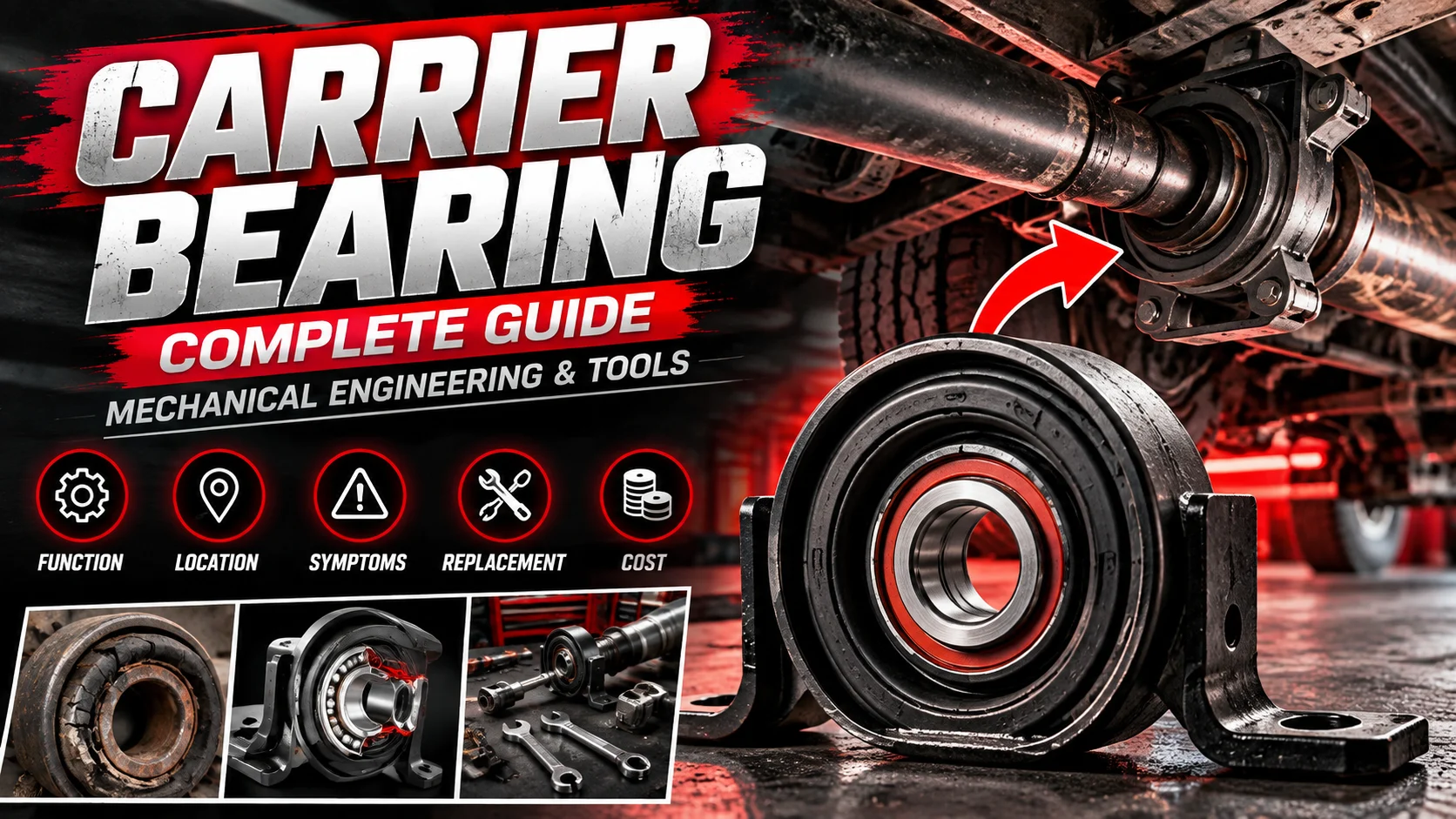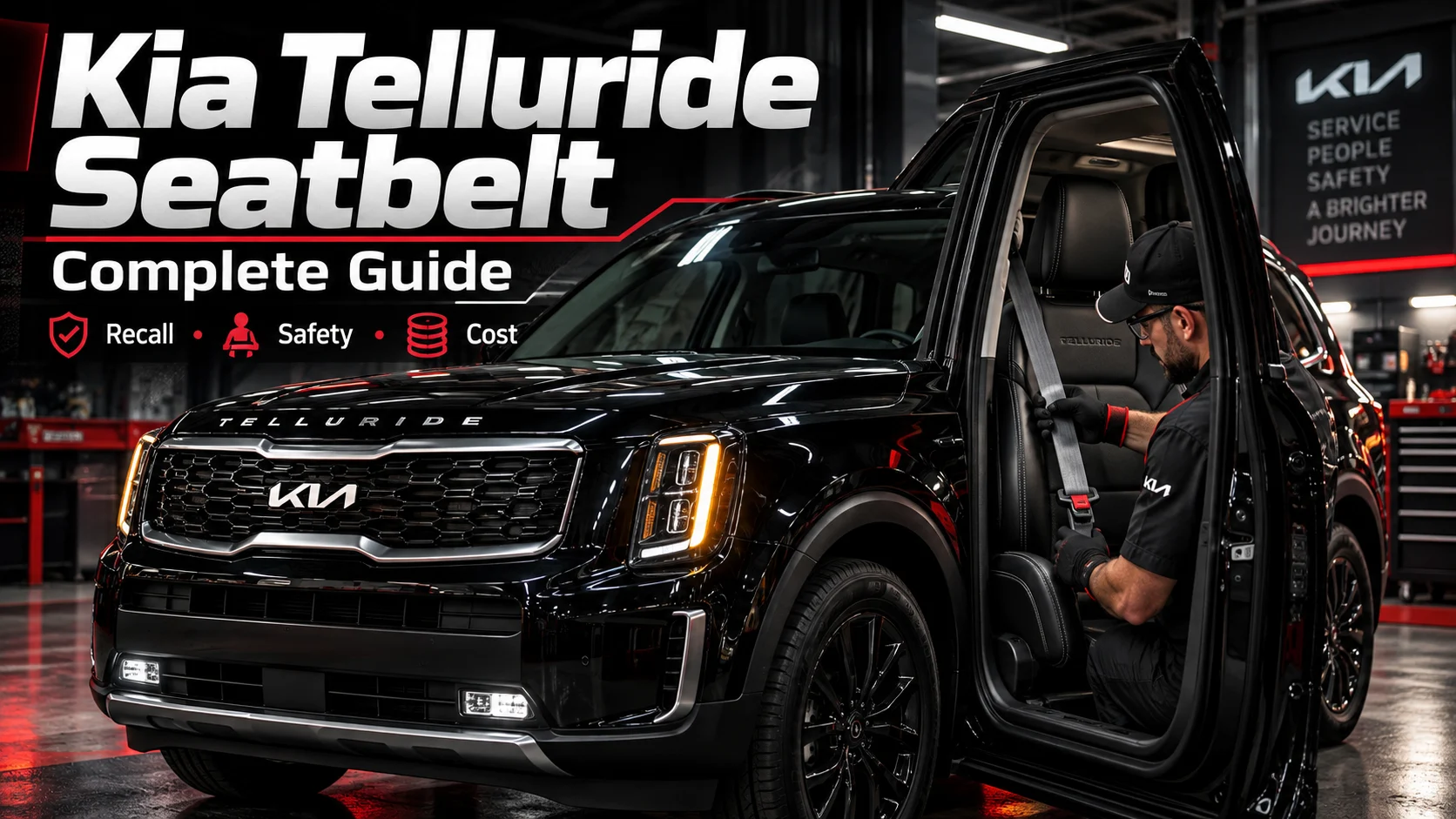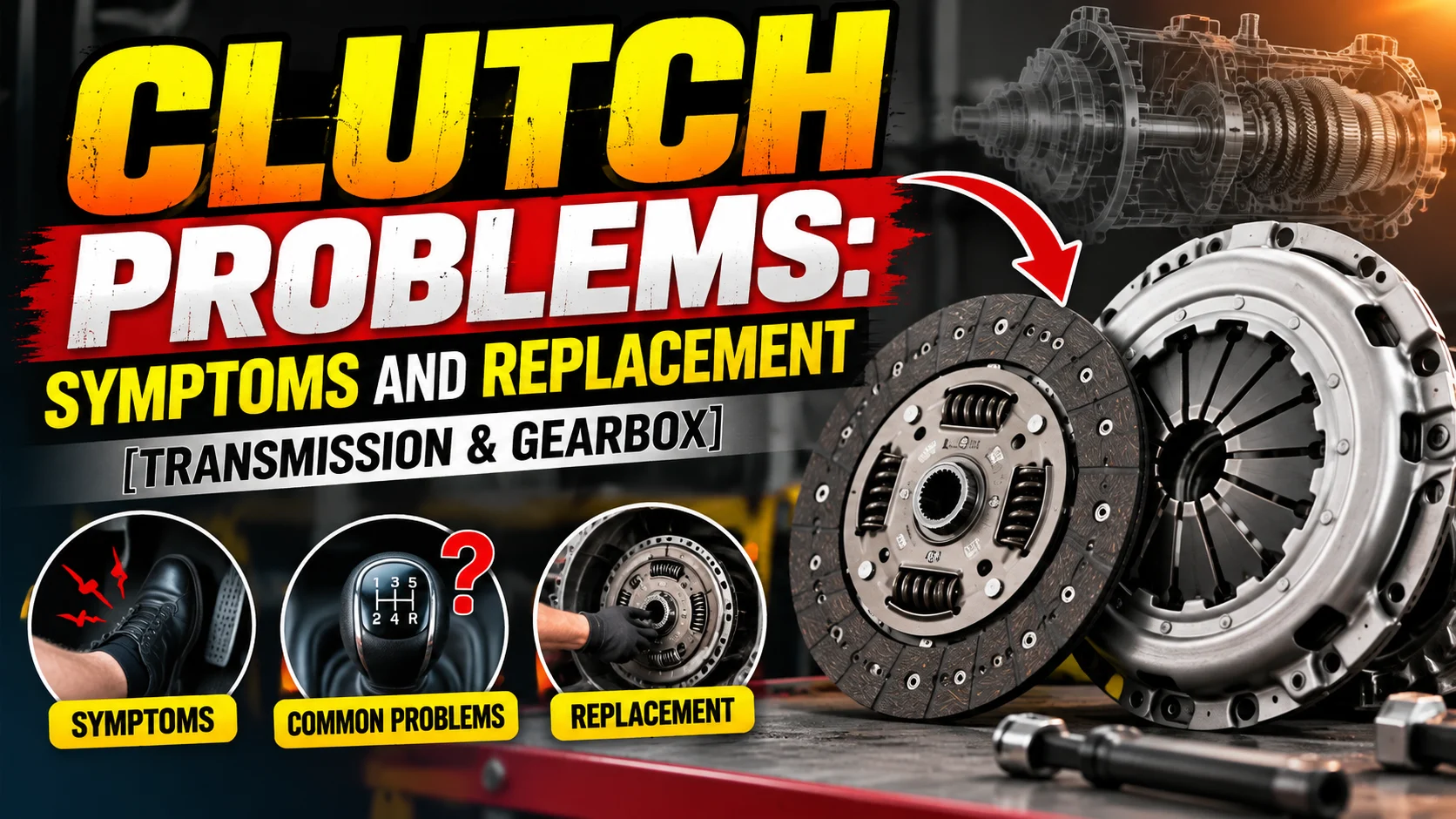

The most trusted names in DIY car repair content share one thing in common, genuinely thorough, complete tutorials rather than abbreviated highlights. ChrisFix built a following of millions specifically on step-by-step tutorials detailed enough that viewers could actually replicate the repair themselves. An AI Long Video Generator, the one integrated within Higgsfield being one worth knowing about, is becoming part of how creators produce this kind of complete, comprehensive tutorial content without the production burden that thoroughness has traditionally required.
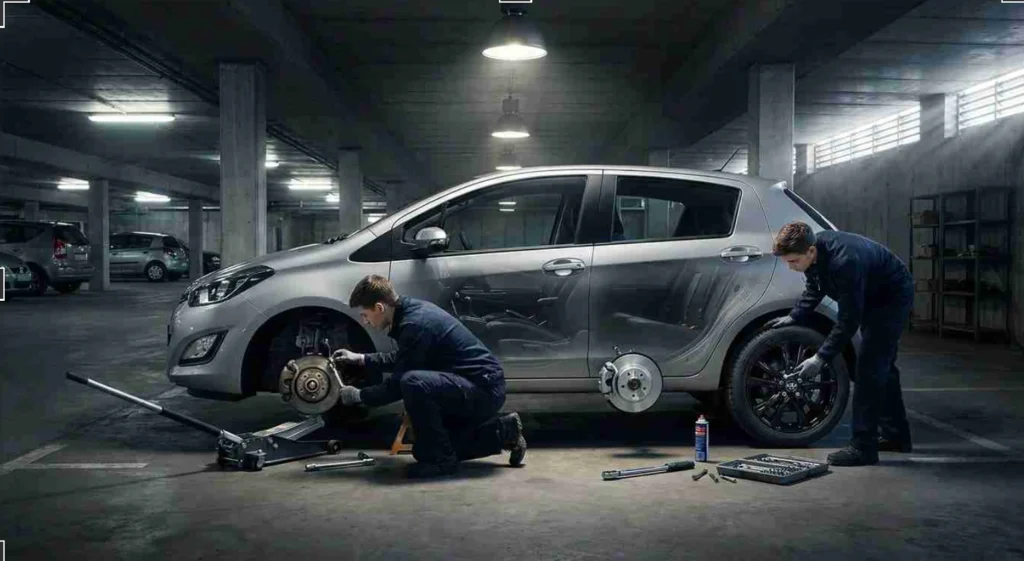
Why Does Completeness Matter So Much More in Car Repair Content Specifically?
Skipping a step or abbreviating a safety-relevant detail in a craft tutorial might produce a slightly worse result. Doing the same in a car repair tutorial can genuinely mean the difference between a job done correctly and a vehicle that isn’t actually safe to drive on public roads. This distinction matters enormously for content creators in this specific niche, since the format that works fine for a quick lifehack video can be genuinely inadequate, even risky, when applied to something like a brake job or a suspension repair.
This distinction is easy to underestimate until you actually consider what’s at stake in each case. A poorly explained craft project results in a slightly disappointing finished item, an inconvenience at worst. A poorly explained brake job results in a vehicle that might not stop reliably, a genuinely different category of consequence that makes thoroughness in car repair content something closer to a responsibility than a stylistic choice.
Is This Actually a Documented Concern in DIY Content More Broadly?
It is, and it’s worth being direct about it. Short-form DIY and lifehack content has faced real, documented criticism specifically for oversimplifying tasks in ways that can be genuinely unsafe when a viewer actually attempts to replicate what looks simple in a heavily edited clip. Car repair carries real physical stakes, moving parts, structural components, systems that directly affect whether a vehicle stops and steers correctly, that make this concern considerably more serious than it would be for a lower-stakes craft project.
This isn’t a criticism of short-form content generally, since plenty of quick tips and reminders genuinely have their place, checking tire pressure, recognizing a warning light, spotting an obvious fluid leak. The concern is specifically about presenting an abbreviated version of a genuinely involved, safety-relevant repair as if it were a complete, sufficient guide, when the compressed format has actually left out details a viewer genuinely needed to do the job safely and correctly the first time.
Why Do the Most Trusted DIY Car Repair Creators Lean Into Longer, More Complete Content?
The creators who’ve built the most durable trust in this space consistently favor thoroughness over brevity. Detailed, complete tutorials that walk through an entire repair from start to finish, including the parts that are easy to skip, torque specifications, the order operations need to happen in, what a problem actually looks like when something’s gone wrong, give viewers what they actually need to safely complete a repair themselves, not just a satisfying highlight reel of the entire process from beginning to end.
This preference for thoroughness reflects something genuine about how this specific audience actually uses this content. Someone watching a car repair tutorial is rarely watching purely for entertainment, they’re usually planning to actually attempt the repair themselves, often with the video paused and playing on a phone propped up in the garage. That practical, hands-on use case rewards completeness in a way a purely entertainment-driven format never has to account for.
What Happens When a DIY Repair Tutorial Gets Cut Short for the Sake of Length?
This is a genuine, real risk specific to this content category. A viewer following an abbreviated tutorial that skips a torque specification, a critical safety check, or an easy-to-miss step can end up with a repair that looks complete but isn’t actually done correctly, sometimes with consequences that don’t show up until the vehicle is already back on the road and being driven normally again. This is precisely why thoroughness in this specific niche isn’t just a stylistic preference, it’s a genuine safety consideration for anyone actually following along.
The delayed nature of this risk is what makes it particularly worth taking seriously. A missing step in a brake job or a wheel bearing replacement often doesn’t produce an immediate, obvious problem, the vehicle may drive normally for days or weeks before the actual consequence of an incomplete repair becomes apparent, by which point the connection back to a specific abbreviated tutorial is easy to miss entirely.
What Are the Traditional Options for Producing Complete, Long-Form Tutorial Content?
Filming and editing an entire repair from start to finish yourself is the most common approach, and creators willing to invest the real time this takes can produce genuinely excellent, trusted content this way. Combining several shorter clips into a longer compilation is the more common alternative for creators without the time for a single continuous production, functional but often losing some of the coherent, step-by-step flow a genuinely complete tutorial benefits from, particularly when a viewer is trying to follow along in real time on their own vehicle.
Where Do These Traditional Options Fall Short for a Creator Covering Many Repairs?
The constraint is time relative to how many distinct repairs exist worth covering thoroughly. A creator wanting to build out a genuinely comprehensive library, covering brakes, suspension, cooling systems, electrical work, faces a real bottleneck producing full-length, properly edited tutorial content for each one, and that bottleneck only grows as the library of genuinely useful repair topics keeps expanding.
This bottleneck tends to push creators toward an uncomfortable choice over time, either narrowing focus to just a handful of repairs covered exceptionally well, or spreading thinner across more topics at the cost of the thoroughness that built trust in the first place. Neither option is genuinely ideal, since an audience benefits most from both breadth of coverage and consistent depth across every single repair a creator publishes.
| Full DIY filming and editing | Compiled short clips | AI Long Video Generator | |
| Production time per tutorial | High, real filming and editing hours | Lower, but loses coherent flow | Significantly reduced |
| Completeness of the walkthrough | High, if done well | Often fragmented | High, built for full-length content |
| Best suited for | A creator with real production time available | A quick supplementary video | Building out a full tutorial library |
How Does This Kind of Tool Actually Fit Into a Creator’s Workflow?
Higgsfield’s AI Long Video Generator lets a creator produce a complete, properly paced tutorial covering an entire repair process without the production time a fully filmed and edited walkthrough traditionally requires. For a creator wanting to build out a genuinely comprehensive library of repair tutorials, brakes, fluids, tire care, electrical troubleshooting, that speed changes how much of that library can realistically get made with the same thoroughness the most trusted creators in this space are known for maintaining across every single video they publish.
What Must Every Repair Tutorial Get Right No Matter How It Was Produced?
This is the single most important point in this entire article. The actual repair information presented, torque specifications, safety precautions, the correct order of operations, has to be accurate and genuinely verified against a real, reliable source, a service manual, a manufacturer specification, direct hands-on experience, never guessed at or generated without verification. An AI Long Video Generator should be used to help produce and pace a tutorial built on repair information a creator has already confirmed is correct, never to fill in or generate the actual technical repair steps themselves. Given that viewers genuinely attempt these repairs on their own real vehicles, inaccurate information presented confidently in a polished, complete-looking tutorial carries real safety consequences that a quick, obviously incomplete clip might not carry to nearly the same degree.
What Can a Creator Actually Build Beyond a Single Complete Tutorial?
Beyond one tutorial, the same approach can support building out a genuinely comprehensive library covering the full range of repairs a dedicated DIY audience actually needs, rather than only the handful of repairs a creator had time to film and edit thoroughly. This kind of comprehensive coverage tends to build the same lasting trust that established names in this space have earned, since an audience genuinely benefits from a library that treats every repair with the same care rather than a few standout pieces surrounded by thinner coverage elsewhere. Higgsfield AI is a native AI creative suite, which offers advanced AI image, video, and voice generation, editing, and upscaling tools. This means a creator could also produce supporting diagrams or thumbnail graphics for the same tutorial series from one workspace.
Does This Replace the Actual Mechanical Knowledge Behind a Trustworthy Tutorial?
No, and this matters as much here as anywhere. What actually makes a car repair tutorial trustworthy is real, verified mechanical knowledge and genuine hands-on understanding of the repair being demonstrated. An AI Long Video Generator, whether Higgsfield or a comparable platform, speeds up producing the complete, well-paced video that presents that knowledge. It does not verify a torque specification, confirm a diagnostic step is correct, or replace the genuine expertise that determines whether a tutorial is actually safe and accurate for someone to follow.
What Should a Creator Look for in an AI Long Video Generator for This Purpose?
A few things matter more here than for general content creation. The ability to maintain a coherent, properly sequenced flow across a genuinely complete tutorial matters most, since the entire value depends on viewers being able to follow a full repair process without confusing jumps or gaps. Consistency across a growing library of tutorials matters for building the same kind of recognizable trust the most established creators in this space have built over years. And straightforward use matters given that most car repair creators’ real expertise is mechanical knowledge, not video production, meaning the tool needs to work with plain, direct descriptions rather than requiring technical prompting skill.
What Are the Key Takeaways for DIY Car Repair Content Creators?
- Completeness matters more in car repair content than almost any other DIY category, given the real safety stakes involved when a viewer actually attempts the repair themselves on their own vehicle.
- The most trusted creators in this space have built their reputation specifically on thorough, complete tutorials rather than abbreviated highlights.
- An AI Long Video Generator like Higgsfield helps creators build out a genuinely comprehensive tutorial library with the same thoroughness that’s built trust for established names in this space, without the same time investment.
- The actual repair information must always be verified against a real, reliable source. A polished, complete-looking tutorial built on unverified information carries real safety consequences for viewers who follow it on their own cars.
What Are Some Frequently Asked Questions About AI Long Video Generators for DIY Car Repair Content?
Can an AI Long Video Generator verify whether a repair step is actually correct?
No, and it shouldn’t be relied on for this. Verifying repair information against a real service manual or manufacturer specification is entirely the creator’s responsibility. The tool only helps produce and pace a tutorial built on information already confirmed to be accurate, and that verification step should never be skipped regardless of how the final video gets produced.
Will longer, AI-assisted tutorials feel less authentic than fully hands-filmed content?
Not if the underlying repair information is genuinely accurate and the tutorial is presented clearly. Viewers judge trustworthiness by whether a repair actually works when they follow it, not primarily by which specific tools helped produce the video, since the end result on their own vehicle is ultimately what matters most to someone actually attempting the repair.
Do I need video production experience to create complete tutorials this way?
No. Describing the full repair process, including the specific steps and any safety considerations, in plain language is enough to produce a usable long-form tutorial without prior video editing experience or specialized software knowledge.
Is this only useful for complex repairs, or does it help with simpler maintenance content too?
It helps with both, though the completeness argument matters most for repairs with real safety implications, brakes, suspension, electrical systems, where a viewer genuinely needs every step to get it right, regardless of whether the tutorial is produced through Higgsfield or a comparable platform.