
When an ISM develops unusual noise, loses coolant, or shows metal in the oil, the practical question is whether to repair the existing engine or replace it. This guide covers the engine’s basic specifications, common applications, reported failure patterns, and the factors that can help owners compare repair and replacement options.
The ISM in brief
The ISM is Cummins’ 11-liter-class inline-six diesel, used in on-highway and specialty vehicles. Published specifications provide a useful baseline, but the exact rating and configuration should always be verified by engine serial number.
- Displacement: 10.8 liters, according to Cummins’ on-road engine catalog for the ISM11.
- Advertised power: 280 to 500 hp across applications.
- Torque: 925 to 1,550 lb-ft, depending on the rating.
- Governed speed: 2,100 rpm.
- Oil capacity: About 10.2 U.S. gallons, or 39 liters, depending on configuration.
- Dry weight: Approximately 2,206 lb, or 1,000 kg.
Gearing matters as much as horsepower. Cummins’ fuel economy guidance suggests about 1,500 rpm at 65 mph, or 1,600 rpm for ratings above 370 hp. For a different rating, confirm that the transmission and rear axle ratio keep the engine in the appropriate range.
Where the ISM shows up
The ISM appears in heavy-duty trucks, transit and shuttle buses, fire apparatus, motorhomes, and well-servicing equipment. Cummins offered motorhome ratings from 450 to 500 hp with peak torque of 1,550 lb-ft. As a result, two vehicles with the same engine family can have very different duty cycles, cooling demands, service histories, and expected engine life.
Problems owners and rebuilders report
No engine family fails in the same way for every owner. Treat these as patterns seen in used ISM cores, not defects that every engine will develop. Independent rebuilder 4BT Engines identifies several recurring types of damage:
- Camshaft wear with lifter or roller damage
- Connecting rod failures
- Spun main or rod bearings
- Cracked cylinder heads
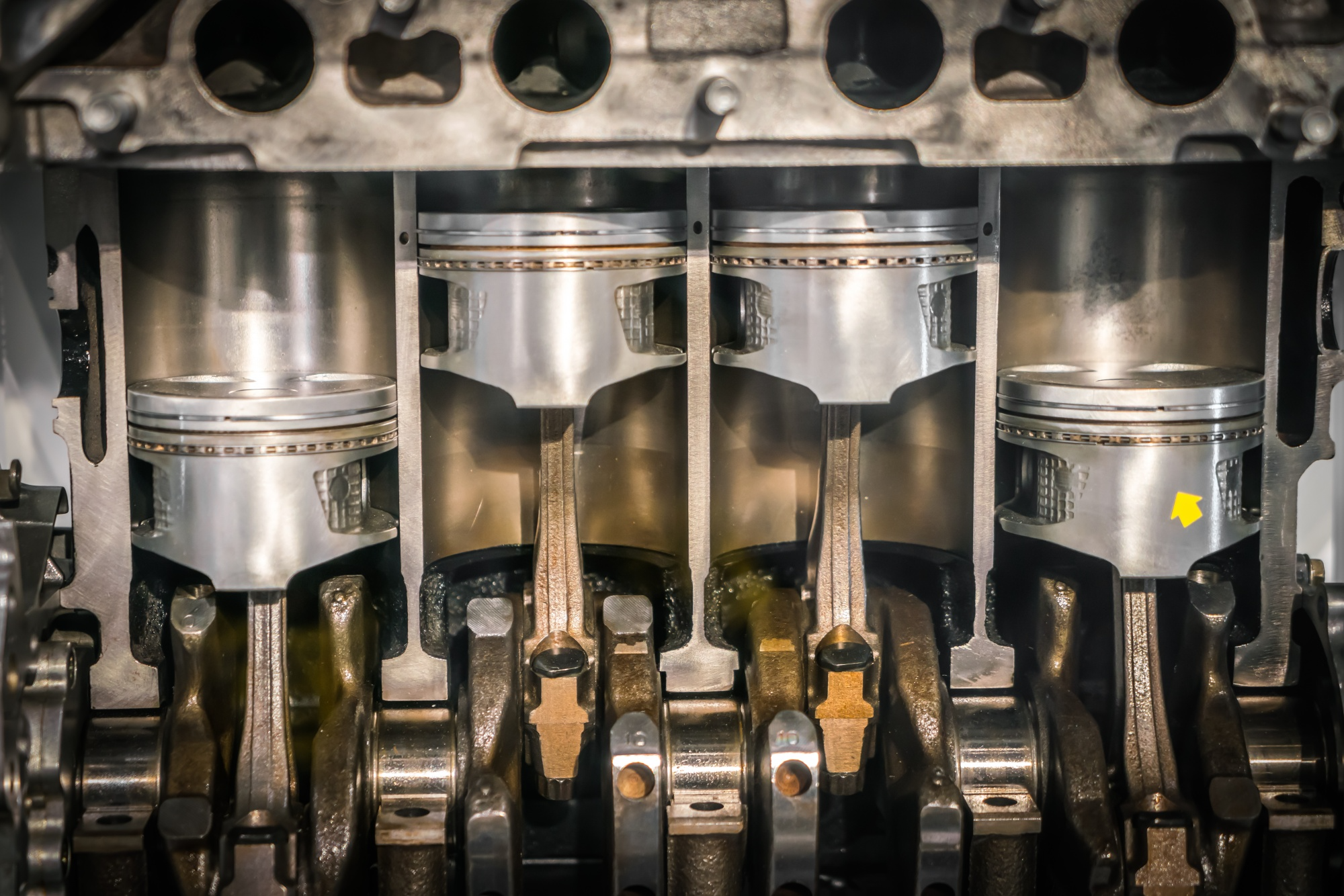
- Scored pistons and liners
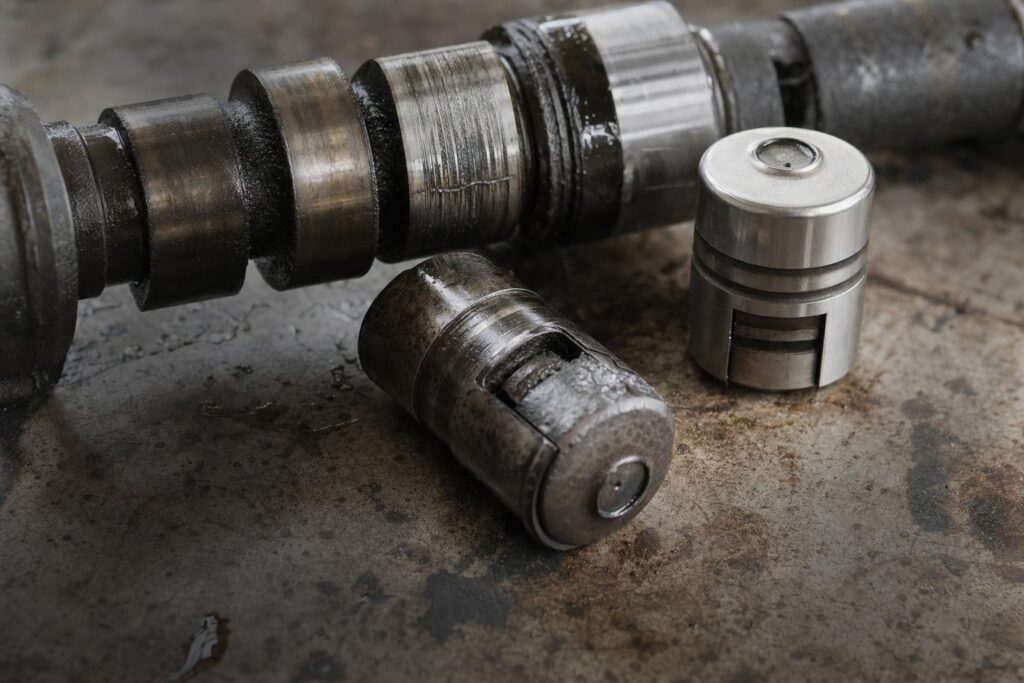
Before approving major work, ask the shop to document compression or leak-down results, cooling-system pressure tests, fault codes, blow-by, and oil analysis for wear metals or coolant. These findings help distinguish a contained top-end problem from extensive bottom-end damage.
Repair or replace: a working framework
Five factors usually shape the decision.
- Failure type. A thermostat, injector, head gasket, or isolated compression problem may be repairable without replacing the engine. Spun bearings, widespread metal contamination, or a damaged block point toward more extensive work.
- Supporting condition. The cooling system, aftertreatment equipment, wiring, turbocharger, and accessories age with the engine. Their condition should be included in the estimate.
- Warranty and risk. Compare the shop’s repair warranty with the coverage offered for an overhaul or remanufactured engine. Cummins offers warranty coverage for qualifying ReCon products and heavy-duty overhauls, but eligibility and terms can vary.
- Downtime. Machine-shop lead times for cylinder heads, crankshafts, and blocks may exceed the wait for a complete long block. Estimate the cost of each week the vehicle remains out of service.
- Total scope. Compare itemized quotes that include labor, fluids, filters, sensors, hoses, installation parts, and any components that are reused.
Repair is generally more reasonable when the damage is contained and the short block tests well. Replacement becomes easier to justify when the bottom end is damaged, contamination has spread through the lubrication system, or the service history leaves too many costly unknowns.
Replacement paths: used, remanufactured, or OEM overhaul
- Used take-out. This usually has the lowest upfront price but the most uncertainty. Ask for operating hours or mileage, service records, oil analysis, and compression results. A running video alone does not establish internal condition.
- Independent remanufactured long block. For bottom-end damage or a damaged block, a remanufactured long-block Cummins ISM engine can reduce the unknowns of a used take-out. 4BT Engines publishes a typical component list and warranty information for its ISM builds, noting that oil pumps, turbochargers, and injectors may cost extra. Request the included-parts list, core terms, and warranty exclusions in writing.
- OEM overhaul or ReCon. Cummins offers overhaul kits and ReCon long blocks for qualifying applications. Confirm current program eligibility, required parts, labor coverage, and warranty terms before comparing the quote with an independent build.
Labels such as remanufactured, rebuilt, and reconditioned do not make engines comparable. Review machining, replacement parts, testing, core policy, and warranty. Confirm whether fuel-system parts, a turbocharger, sensors, and accessories are included.
A short cost check before committing
- Total installed cost, including labor and related maintenance items
- Remaining useful life of the chassis, truck, or coach
- Written warranty length, exclusions, and labor coverage
- Estimated downtime and lost operating income
- Post-repair requirements, including relearns, sensor checks, and emissions-system testing
After the work
Follow the break-in instructions from the builder or shop. Verify cooling-system operation, oil pressure, fluid levels, and fault codes before heavy load. Use the recommended first oil-change interval, then consider oil analysis to track wear metals, fuel dilution, and coolant contamination.
Emissions and repair access
Repairing an emissions system is not the same as removing or disabling it. Diagnostic steps should follow applicable law and the manufacturer’s procedure. Afterward, confirm that sensors, aftertreatment components, diagnostic monitors, and fault codes are restored to proper operation.
What to do next
Confirm the failure mode with documented testing, then collect itemized repair and replacement quotes. Compare parts, reused components, warranty, core charges, and downtime. Quotes may come from a dealer, local diesel shop, or engine specialist such as 4BT Engines. A side-by-side comparison highlights the lowest practical risk, not merely the lowest initial price.