
Selecting the best engine for your construction equipment can be the difference between optimal performance and high running costs. Whether you operate a fleet or just a few machines, making the right call hinges on how well you align engine features with real-world demands. Engineers and operators often seek engines that deliver reliable power, exhibit rugged performance, and meet advanced efficiency standards. In this context, longstanding models like the CAT 3306 engine remain a benchmark in the construction sector for their reliability and power output. The evolving regulatory landscape means you also have to pay close attention to emissions standards and total ownership costs. Newer engines offer improved efficiency, advanced emissions control, and better integration of technology. The right choice will reduce downtime, cut operational expenses, and enhance your equipment’s working life.
Understanding Your Equipment’s Power and Torque Needs
Every piece of equipment demands a certain level of power and torque for peak efficiency. For example, mini excavators (1–6 tons) typically require engines rated between 10 and 50 horsepower, while medium excavators (6–20 tons) generally require engines rated between 70 and 200 horsepower. Matching the engine’s power curve to your application is crucial. Underpowering can cause overheating and slow operation, while overpowered setups lead to wasted fuel and inflated costs. Construction sites benefit from engines that provide high torque at low speeds, ensuring smooth operation even in heavy-duty cycles.
Additionally, power and torque curves should be carefully analyzed in the context of equipment use cycles. Idle time, peak load periods, and typical worksite constraints (such as inclines, soil conditions, and load-handling needs) significantly influence engine effectiveness. Consulting with equipment dealers or engine manufacturers can help ensure that the selected model maintains operational efficiency across diverse conditions, rather than just under ideal laboratory conditions.
Evaluating Fuel Efficiency and Emissions Compliance
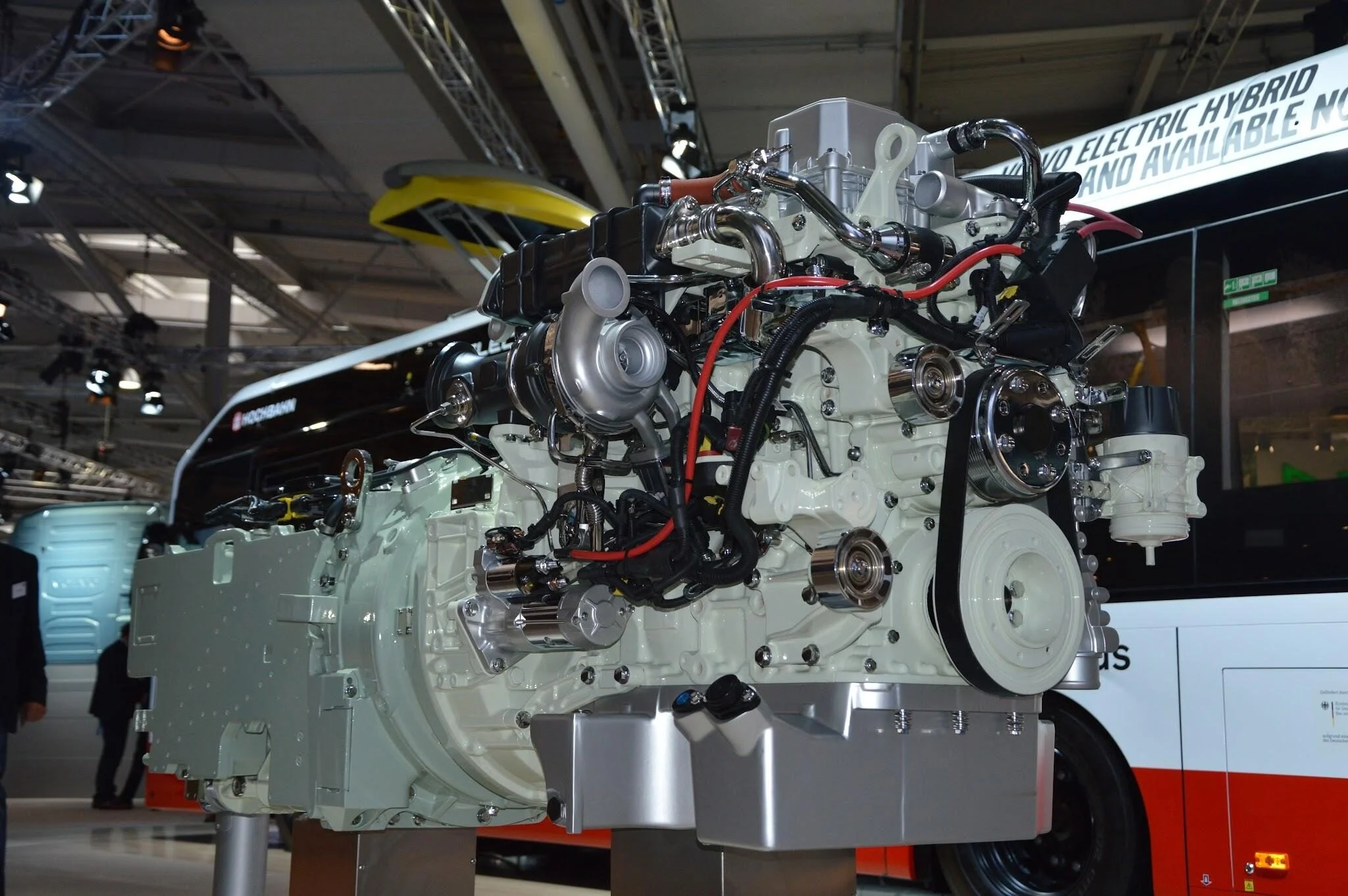
Fuel consumption is one of the highest ongoing costs with construction equipment. Advanced diesel engines have significantly improved fuel efficiency, often achieving brake-specific fuel consumption (BSFC) values of 180 to 220 grams per kilowatt-hour. These increments can offer significant long-term savings, especially on large job sites or fleets operating around the clock.
Compliance with emissions regulations is also increasingly important. Many regions now require Tier 4 (US EPA) or Stage V (EU) engines, which use selective catalytic reduction (SCR) and diesel particulate filter (DPF) systems to reduce pollutants. These technologies come with additional maintenance but are necessary to meet government standards and avoid regulatory penalties. Operators should also consider engine technologies like exhaust gas recirculation (EGR), aftertreatment systems, and telematics that record real-time emissions data. These advancements enable proactive management of both fuel consumption and regulatory compliance. Additionally, as legislation continues to tighten, investing in engines with an established record of regulatory adaptability can help future-proof your fleet against costly retrofits or premature replacements.
Considering Maintenance and Serviceability
An engine’s design impacts how easy it is to maintain. Accessible filters, dipsticks, and drains simplify scheduled work, while clear maintenance intervals equip operators to anticipate service needs. Most modern diesel engines in construction equipment require oil changes every 250 to 500 operating hours, with air and fuel filters typically replaced at similar intervals. Choosing brands with widespread support networks cuts downtime and helps keep parts costs manageable. Besides routine maintenance, the availability of diagnostics and on-board monitoring features is crucial for minimizing unplanned repairs. Engines equipped with remote monitoring or diagnostic fault codes allow technicians to spot and fix issues before they become serious problems. Training operators and maintenance staff on specific engine models can further reduce the risk of avoidable downtime and safeguard your on-site productivity.
Matching Engine Features to Application Demands
Heavy-duty construction sites are tough on engines. It is important to select engines designed to withstand dusty, muddy, or vibration-prone environments. Robust construction, weather-sealed electronics, and strong cooling systems contribute to extended uptime and reliability. Reviewing historical performance and manufacturer track records helps ensure that the equipment you choose can handle field conditions without undue failures. When evaluating potential engines, factor in the role of specialty features such as cold-start assist, automatic shutdown protections, or dust-resistant air intakes. These options may increase upfront cost but can save money and prevent unexpected failures in the specific environments where your equipment operates most frequently.
Balancing Engine Size and Performance
Going too big or too small with engine specifications can create problems. An oversized engine may run inefficiently, never reaching ideal operating loads, while an undersized one risks stalling and rapid wear. Modern engines with electronic control units (ECUs) can match performance to varying workloads, adjusting power output to save fuel while maintaining reliability. Specifying features such as variable turbochargers and multiple operating modes can further improve the alignment between engine performance and equipment use. Operators also benefit from engines offering programmable performance profiles. These allow adjustment of engine mapping or throttle response in real time, helping fine-tune the engine for different operators or changing job-site demands. This flexibility is especially valuable when equipment use cases are unpredictable or shift across multiple projects.
Assessing Total Cost of Ownership
The sticker price is just one element of the total investment in a construction engine. It is equally important to consider fuel burn rates, scheduled maintenance, ease of repairs, and projected lifespan. Engines designed with low total lifecycle costs often feature high-efficiency combustion, simple service procedures, and modular component design. Evaluating reviews and comparative resource guides can help identify which models deliver the best value over years of hard use rather than just at the point of purchase. Additional considerations, such as warranty coverage, access to certified parts, remanufacturing programs, and potential resale value, can make one engine a smarter investment than another. Taking the time to forecast expenses across the engine’s entire operational lifecycle, rather than focusing only on upfront pricing or headline horsepower, will help safeguard your budget and maximize uptime.
Conclusion
Making the right engine choice involves balancing a complex set of priorities: power, efficiency, emissions, serviceability, and total cost over time. By evaluating your unique application needs and matching them with proven engine solutions, you protect your investment and ensure your equipment delivers results day after day. Staying informed about the latest technologies and reviewing field operator feedback will empower you to make better decisions as equipment and engines evolve. Building strong relationships with trusted engine suppliers and maintaining detailed fleet performance records also pays dividends in the long term, keeping your operation optimized and ready to tackle any challenge.