Fuel Safety & Maintenance Guide
Finding an old gas can in your garage or discovering stale fuel in a lawn mower can leave you wondering what to do next. Knowing how to dispose of old or bad gasoline safely is important because gasoline and its vapors are highly flammable, and improper disposal can contaminate soil and water.
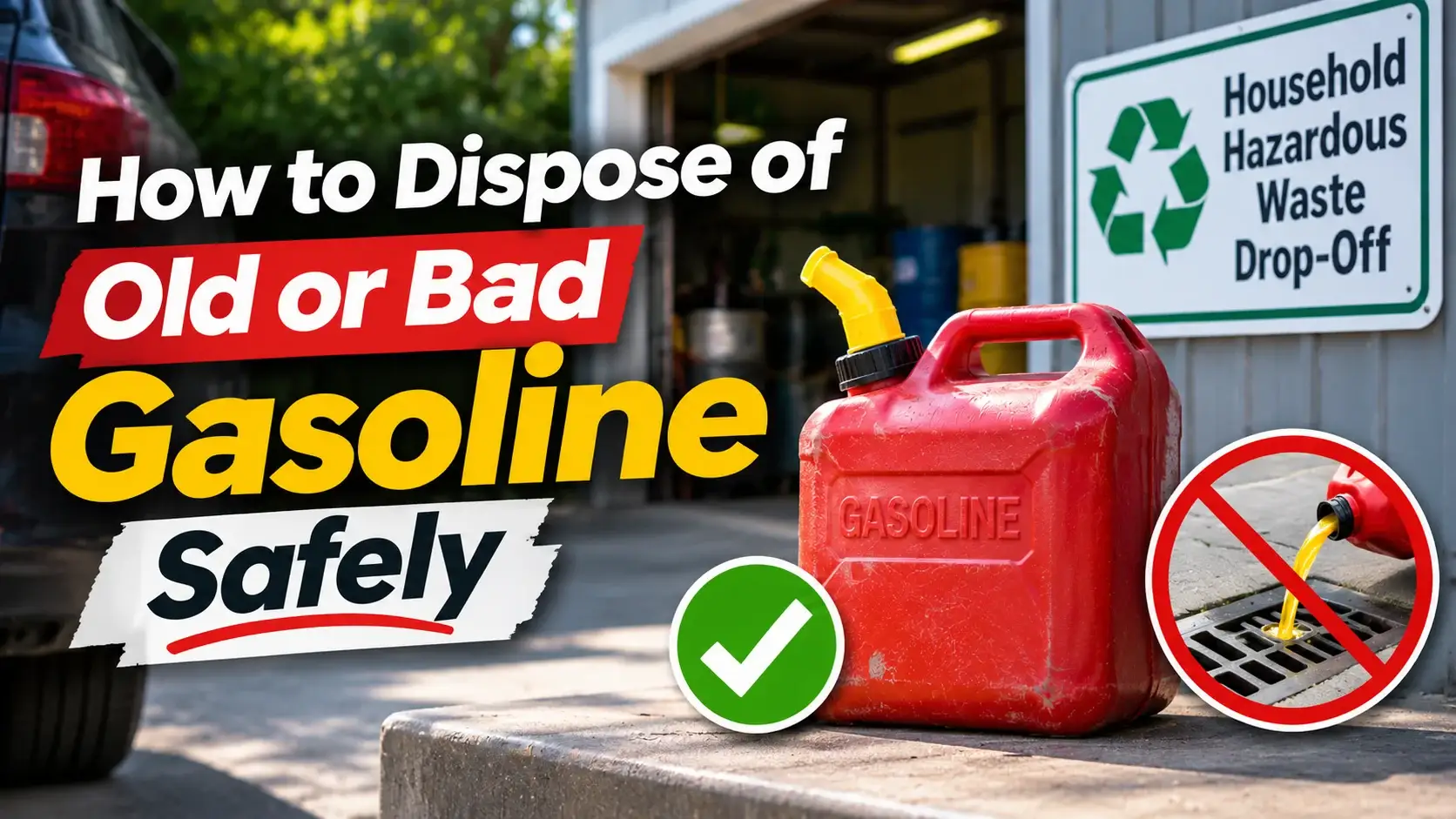
Whether you have a small amount of leftover gas or several gallons that have been sitting unused, the safest disposal option is generally to contact a local household hazardous waste (HHW) program or another authorized facility that confirms it accepts gasoline. Never assume that regular trash collection, a gas station, or a recycling center will take it.
Quick Answer: How to Dispose of Bad Gasoline
To dispose of unwanted gasoline, find a local household hazardous waste collection program, confirm that it accepts gasoline, and follow its container and transportation instructions. Keep the fuel in a suitable, closed, clearly identified gasoline container and away from ignition sources.
Never dump old gasoline onto the ground, into a storm drain, down a household drain, or into regular trash. Do not burn it or leave it open to evaporate.
Important Safety Warning: If a container is leaking, swollen, badly damaged, or surrounded by a strong gasoline odor, do not attempt an ordinary disposal trip. Keep people away from the area, avoid flames and electrical switches nearby, and contact your local fire department or hazardous-waste authority for guidance. For an immediate fire or serious exposure emergency, call 911 in the United States.
What Is Considered Old or Bad Gasoline?
Gasoline is a mixture of volatile hydrocarbons and other components designed to meet specific fuel-performance requirements. Its properties can change during storage, especially when exposed to heat, oxygen, moisture, or contamination.
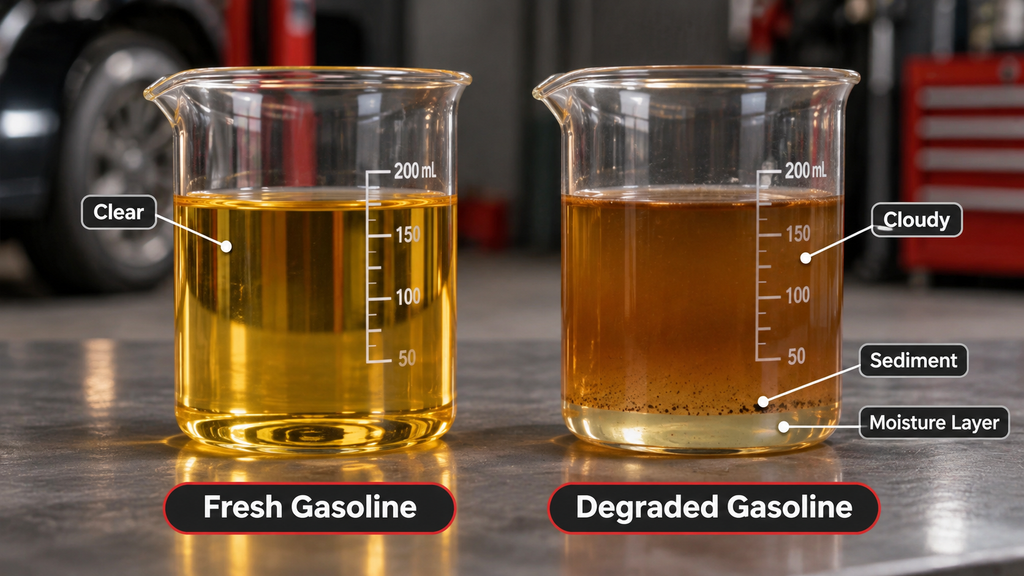
Over time, some lighter components may evaporate, while oxidation and other changes can affect fuel quality. Ethanol-blended gasoline can also experience moisture-related problems under unsuitable storage conditions.
There is no universal expiration date for every container of gasoline. Storage conditions, fuel formulation, container quality, and the presence of a suitable stabilizer all matter.
How Long Does Gasoline Last?
Gasoline may begin losing desirable properties within a few months, particularly when stored improperly. Well-sealed, properly stored fuel may remain usable longer, but age alone cannot confirm whether it is safe for a particular engine.
Always follow the fuel and storage recommendations in your vehicle or equipment owner’s manual. If gasoline is contaminated, its history is unknown, or its condition is questionable, arrange proper evaluation or disposal rather than risking engine damage.
Good to Know: A gasoline stabilizer may help preserve suitable fresh fuel during storage when used according to its instructions. It is not a guaranteed way to restore gasoline that has already degraded or become contaminated.
How to Tell If Gasoline Has Gone Bad
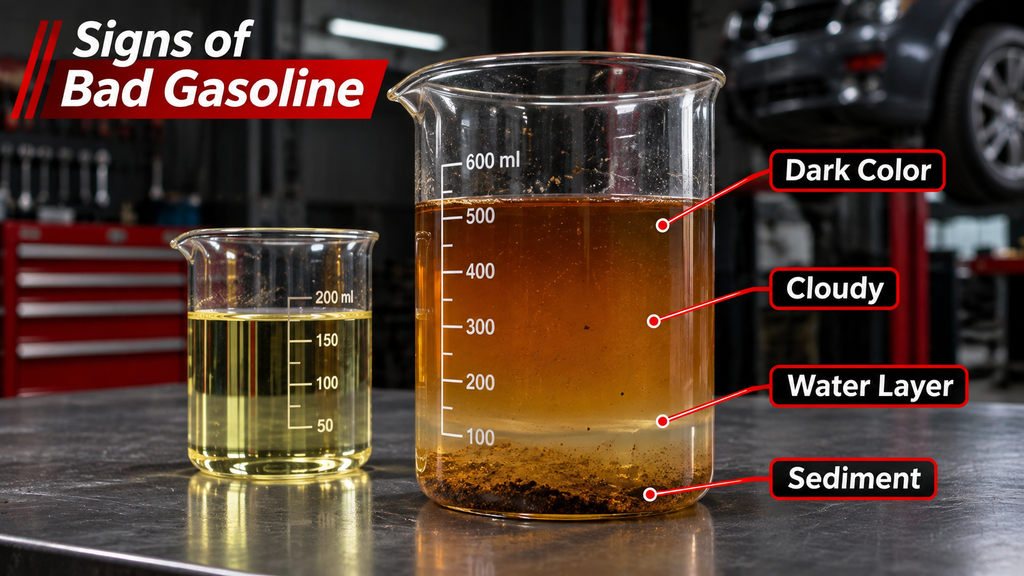
You may notice several clues that stored gasoline is no longer in good condition. However, appearance, odor, or engine symptoms alone cannot conclusively determine fuel quality.
| Possible Warning Sign | What It May Indicate | Recommended Action |
|---|---|---|
| Unusually dark or cloudy appearance | Degradation or contamination | Do not use until professionally assessed. |
| Visible water or separated liquid | Moisture contamination or phase separation | Avoid using the fuel and seek proper disposal guidance. |
| Unusual residue or sediment | Contaminants or storage-related deposits | Do not transfer it into an engine. |
| Extended or unknown storage history | Uncertain remaining fuel quality | Check the equipment manual or seek professional advice. |
| Hard starting or rough engine operation | Possible fuel-quality or mechanical problem | Diagnose the system before replacing components. |
Do not deliberately open a gasoline container to sniff it, or pour fuel into an open dish to inspect its color. Gasoline vapor exposure and ignition hazards are more important than performing a homemade quality test.
If you suspect water contamination in a vehicle’s fuel system, read our detailed guide to water in a gas tank: symptoms, removal, and prevention .
Likewise, hard starting, hesitation, and rough running can have several causes besides bad gasoline. A proper diagnosis helps prevent unnecessary repairs.
How to Dispose of Old or Bad Gasoline Safely: Step by Step
If you are searching for how to get rid of bad gasoline, the following process is a practical starting point for household quantities of unwanted fuel. Always follow the requirements of the facility receiving it.
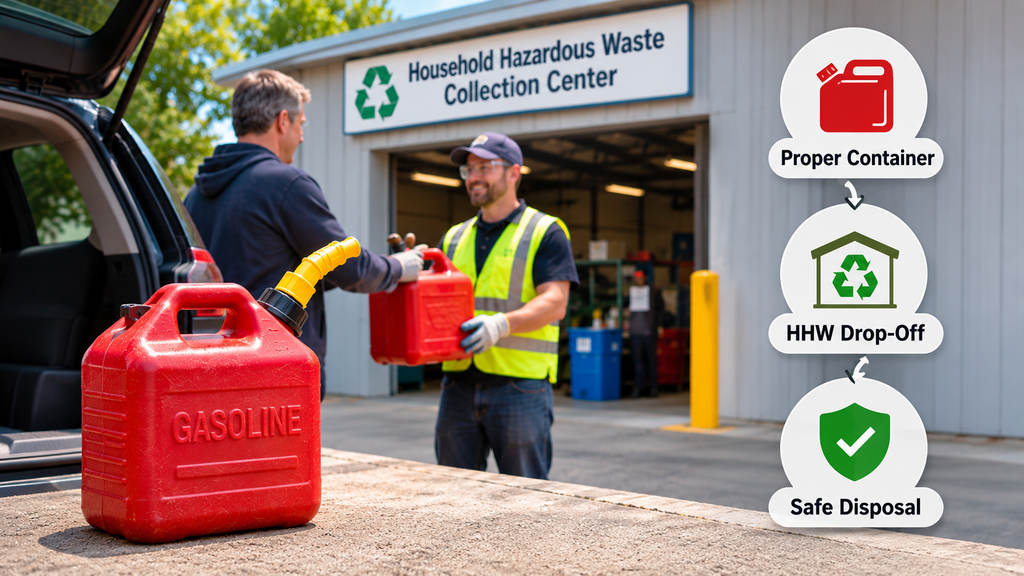
Identify the Gasoline and Its Container
Determine whether the unwanted liquid is gasoline, a gasoline-oil mixture, or an unknown substance. Do not open a questionable container just to identify it by smell.
If the contents are uncertain, tell the hazardous-waste program rather than guessing or mixing the liquid with anything else.
Locate an Appropriate Disposal Program
Visit your city or county solid-waste department website and look for a household hazardous waste collection facility or scheduled event.
Search for gasoline or flammable-liquid acceptance rules, not merely for general recycling locations.
Call Before Visiting
Confirm that the location accepts old gasoline and ask about quantities, appointment requirements, acceptable containers, residency restrictions, and possible fees.
Some programs have special rules for contaminated fuel, gasoline-oil mixtures, or containers that cannot be returned.
Keep the Fuel Securely Contained
Use a suitable approved gasoline container that is in sound condition and clearly identifiable. Keep it closed and upright.
Do not improvise with beverage bottles, glass jars, or household food containers. If the existing container is unsafe, ask the facility or fire department how to proceed before attempting any transfer.
Transport It According to Facility Instructions
If the fuel is safely packaged and the program has approved the drop-off, transport it upright and secured against tipping in accordance with the container maker’s instructions and applicable local rules.
Keep gasoline away from passengers, ignition sources, and hot surfaces. Do not leave it in a parked vehicle, and avoid transporting it in the passenger compartment.
Hand It Over to Collection Staff
Follow staff directions at the facility. Explain whether the gasoline is old, contaminated, or mixed with another substance.
Do not pour gasoline into an unmarked receptacle or leave containers outside a closed facility. Ask whether your container will be returned.
Important: These steps apply to typical household disposal situations. Commercial quantities, damaged containers, and active fuel leaks may require a licensed waste contractor or other professional response.
The U.S. Environmental Protection Agency recommends using local household hazardous waste programs for potentially dangerous household products rather than disposing of them improperly.
Source: EPA Household Hazardous Waste Guidance .
Where Can You Dispose of Old Gasoline Near You?
The best disposal location depends on your state, county, and municipality. There is no nationwide drop-off network that guarantees every location accepts gasoline.
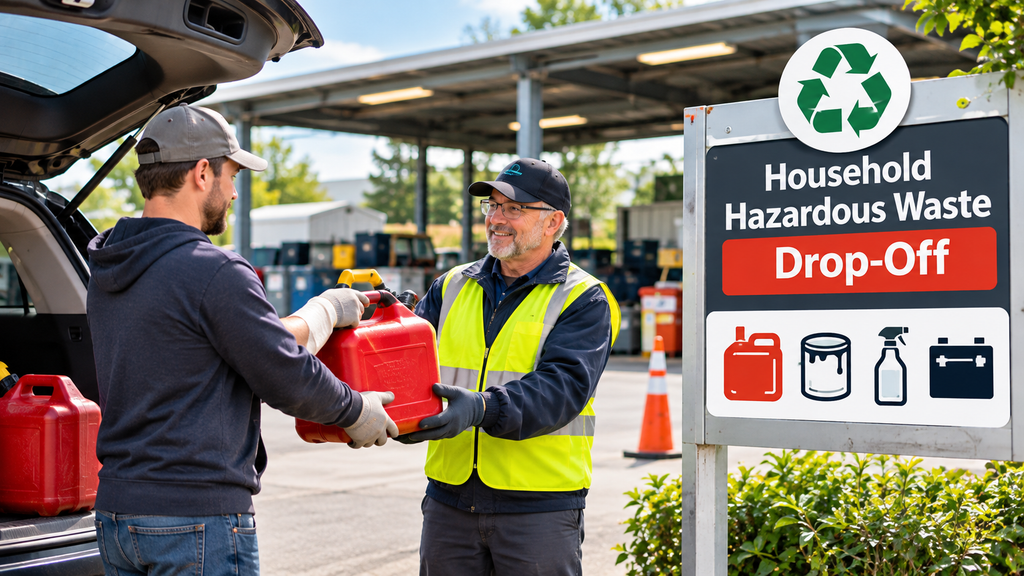
Household Hazardous Waste Facilities
Often the most appropriate starting point. Look for a county or city facility that explicitly lists gasoline among accepted materials
Municipal Collection Events
Some communities offer scheduled hazardous-waste collection days. Registration, residency limits, and quantity restrictions may apply.
Authorized Waste Contractors
For large quantities or unusual contamination, your local authority may recommend a qualified hazardous-waste management provider.
Local Environmental Agencies
State or local environmental departments can help identify disposal resources when a community does not have a permanent collection facility.
How to Find a Gasoline Disposal Location
- Search for your county name followed by “household hazardous waste gasoline.”
- Visit the official city, county, or state waste-management website.
- Check whether gasoline is specifically included on the accepted-materials list.
- Call the facility to confirm its current schedule and requirements.
- Follow the instructions given for packaging, transport, and drop-off.
For example, the Illinois Environmental Protection Agency lists old gasoline among materials accepted by its household hazardous-waste collection program. That does not mean every Illinois location accepts gasoline at all times.
Reference: Illinois EPA Accepted Household Hazardous Wastes .
Do Gas Stations or Auto-Parts Stores Accept Old Gas? Not necessarily. Businesses that accept used motor oil, antifreeze, or batteries may not accept gasoline. Never leave unwanted fuel at a business without express permission and confirmation that it can legally receive the material.
How to Store and Transport Old Gasoline Safely
Proper containment is essential while waiting for a collection appointment. Gasoline produces flammable vapors, and unsafe storage may create serious fire risks.
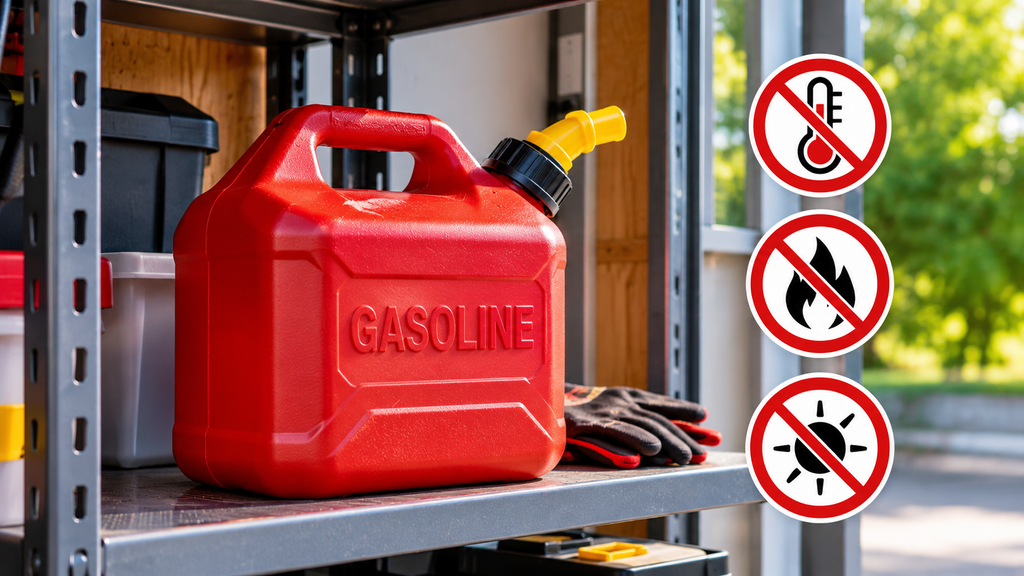
Safe Storage Precautions
- Use a container specifically approved for gasoline storage.
- Keep the container closed when not in use.
- Follow local rules about permitted storage locations and quantities.
- Keep gasoline away from heaters, pilot lights, sparks, flames, and smoking materials.
- Keep fuel out of children’s reach.
- Avoid prolonged storage or exposure to excessive heat.
- Do not store gasoline in living spaces or near ignition-producing appliances.
Safe Transportation Precautions
- Confirm the disposal program’s transportation instructions before leaving.
- Check the container for damage or leakage without opening it unnecessarily.
- Secure it upright against movement or tipping.
- Follow applicable transportation rules and avoid the passenger compartment.
- Go directly to the accepting facility and unload promptly.
- Do not transport leaking or damaged containers without professional instructions.
The U.S. Fire Administration provides household hazardous-material safety recommendations, including precautions for portable gasoline containers.
Reference: U.S. Fire Administration: Home Hazardous Materials .
What You Should Never Do When Dumping Old Gasoline
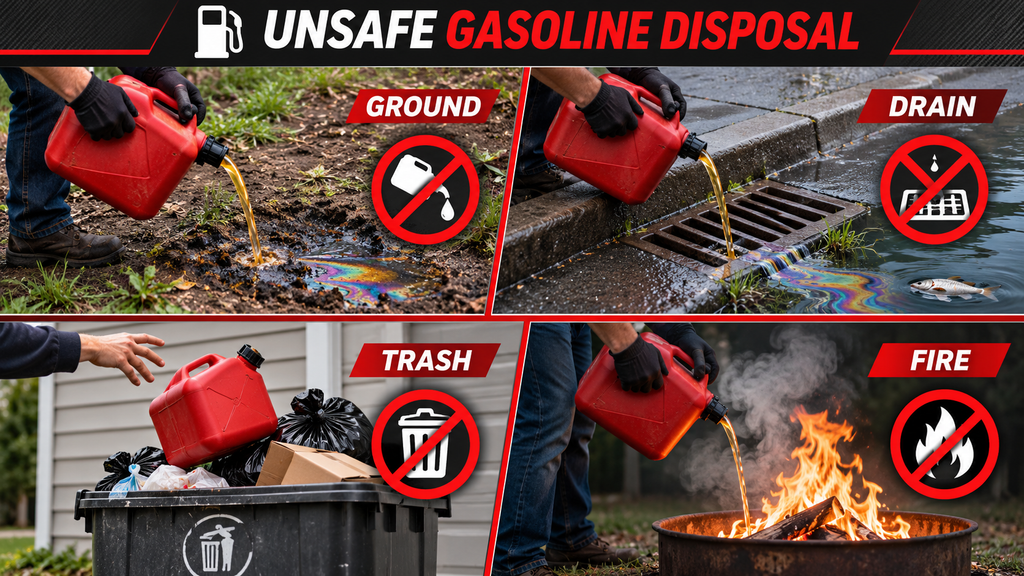
Searching for “dumping old gasoline” may lead to suggestions that seem convenient but create serious hazards. Avoid the following practices.
| Unsafe Method | Why It Is Dangerous |
|---|---|
| Pouring gasoline on soil or gravel | Can contaminate soil and potentially groundwater while producing flammable vapors. |
| Pouring it into storm drains | Can contaminate waterways and introduce flammable material into drainage systems. |
| Pouring it down toilets or sinks | Can endanger plumbing systems, wastewater workers, and treatment operations. |
| Burning leftover gasoline | May cause flash fires, burns, and uncontrolled ignition. |
| Leaving gasoline open to evaporate | Releases hazardous flammable vapors and creates unnecessary exposure. |
| Mixing it with motor oil or solvents | Creates additional handling and disposal hazards and may prevent recycling. |
| Putting gasoline in household trash | Can expose waste workers and equipment to fire hazards and may violate local rules. |
The EPA warns that improper household hazardous-waste disposal can threaten human health and the environment. State and local requirements may also prohibit particular methods of disposal.
Never use gasoline to start a campfire, burn brush, clean engine parts, or remove weeds. These are not safe gasoline disposal methods.
Can You Reuse Old Gasoline Instead of Disposing of It?
Some older guidance discusses reconditioning fuel or blending certain aged gasoline with fresh fuel. However, that does not make reuse appropriate for every engine, fuel type, or storage situation.
Modern vehicles and small engines may have fuel-system requirements that make experimenting with questionable gasoline an expensive mistake.
Fuel containing water, unknown contaminants, or incompatible additives can contribute to hard starting, poor performance, corrosion, and fuel-system damage.
When Should You Avoid Reusing Gasoline?
- The container’s contents or storage history are unknown.
- Water, debris, or other contamination is suspected.
- The fuel has been stored improperly for an extended period.
- The vehicle or equipment manufacturer advises against using it.
- You cannot establish that the fuel remains suitable for the intended engine.
Do not assume that adding new gasoline or a stabilizer will make contaminated fuel safe. Consult the equipment manufacturer or a qualified fuel-service professional rather than experimenting.
If an engine is difficult to start after sitting unused, bad fuel is only one possible cause. See our article on common reasons a car will not start for a broader diagnosis-first approach.
Bottom Line: If gasoline is clearly contaminated or its quality cannot be verified, proper disposal is generally a safer choice than attempting homemade fuel recovery.
How Much Does Old Gasoline Disposal Cost?
Old gasoline disposal costs depend on local programs, the quantity of fuel, your residency, and whether special handling is required.
| Disposal Option | Possible Cost Arrangement |
|---|---|
| County household hazardous waste program | May be free to eligible residents or funded through local taxes. |
| Community collection event | May be free, limited to residents, or subject to restrictions. |
| Permanent hazardous-waste drop-off | May have eligibility limits, volume restrictions, or fees. |
| Private hazardous-waste contractor | Usually quote-based, particularly for larger quantities. |
Do not assume a facility is free simply because it is publicly operated. Contact the program for current prices, accepted quantities, and any container-related charges.
Can You Dispose of a Small Amount for Free?
Possibly. Many local programs provide collection services for eligible households, but availability varies. Even a small amount of gasoline should not be poured into the trash or drains just because paying for disposal seems inconvenient.
How to Handle Old Gasoline in Common Situations
The correct next step depends partly on where the gasoline is stored and whether it is in a safe container.
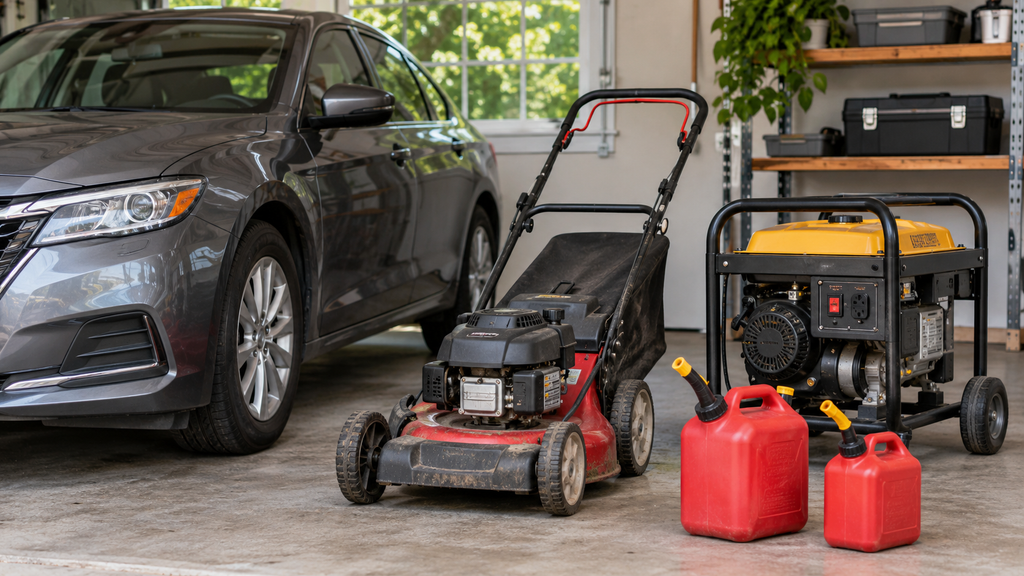
Old Gasoline in a Lawn Mower
Suppose your lawn mower has been sitting in a shed since the previous season and will not start properly. The fuel may have degraded, but a dirty carburetor, ignition problem, or other mechanical fault may also be responsible.
Follow the mower manufacturer’s fuel-service procedure. If the tank must be drained, have the fuel removed using an appropriate method and contained safely. Do not spill it onto the lawn or into a floor drain. If you are unfamiliar with fuel-system maintenance, have a qualified small-engine technician handle the work.
Old Gasoline in a Portable Generator
Generators may remain unused for months between power outages. Before attempting to run one with questionable fuel, review the manufacturer’s maintenance instructions.
If fuel must be removed, ensure the generator is off and cool, and use the manufacturer’s approved service procedure or professional assistance. Never drain gasoline near flames, appliances, or electrical ignition sources.
Old Gasoline in a Car’s Fuel Tank
An unused vehicle can develop fuel-quality problems, especially after long storage or water intrusion. However, do not assume that poor performance automatically means the fuel has expired.
If the fuel is genuinely contaminated, professional removal may be necessary. Modern fuel systems can retain pressure, and disconnecting fuel lines or attempting to siphon gasoline can create serious hazards.
For related vehicle problems, see our guide to bad fuel pressure regulator symptoms and diagnostic tests .
Several Gallons of Gasoline in a Garage
If you find multiple old gasoline containers, do not combine their contents or transfer fuel between them unnecessarily.
Check the condition of each container without exposing yourself to vapors. Contact your local hazardous-waste program to confirm quantity limits and whether it can accept more than one container.
What Should You Do If Old Gasoline Spills?
Gasoline spills require immediate attention because vapors can travel and ignite. The safest response depends on how much fuel escaped, where it spilled, and whether people or ignition sources are nearby.
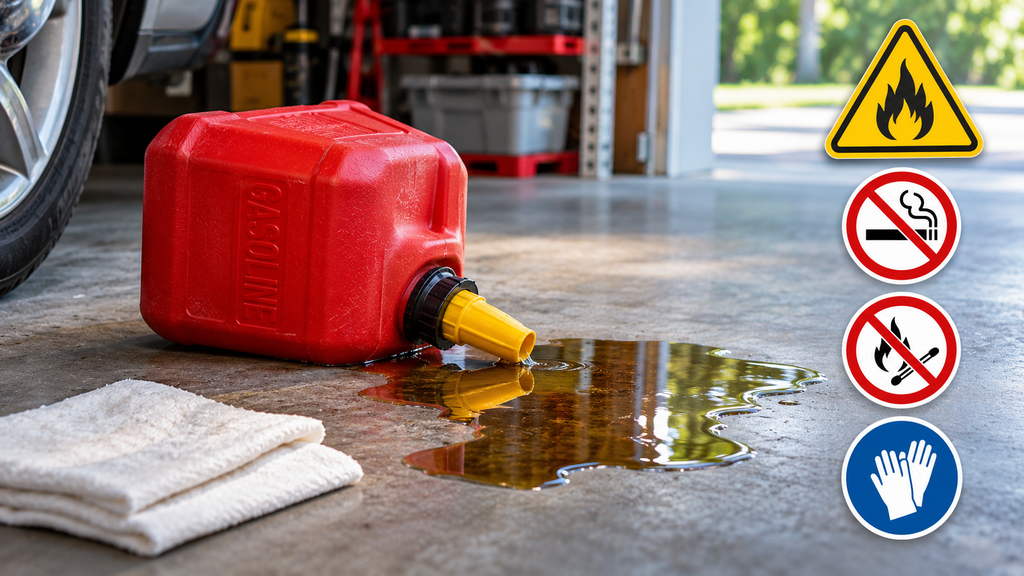
Immediate Safety Priorities
- Keep people away. Move children, pets, and bystanders away from the affected area.
- Avoid ignition sources. Do not smoke, start engines, operate electrical switches near vapors, or use equipment that may produce sparks.
- Do not wash gasoline into drains. Water can carry contamination into drainage systems without eliminating the hazard.
- Seek appropriate help. For a significant spill, strong fumes, a confined-space spill, or uncertainty about safe cleanup, contact the fire department.
- Follow cleanup and disposal instructions. Absorbents or materials contaminated with gasoline may also require special handling. Obtain guidance from the local hazardous-waste authority.
Emergency Reminder: If gasoline is leaking from a vehicle, do not start or drive it. Keep clear of the hazard and arrange professional assistance.
For more information about fuel-system hazards, read our guide on fuel leak symptoms, causes, and safety steps .
How to Prevent Gasoline From Going Bad
Disposing of unwanted gasoline responsibly is important, but reducing unnecessary fuel storage can help prevent the problem in the first place.
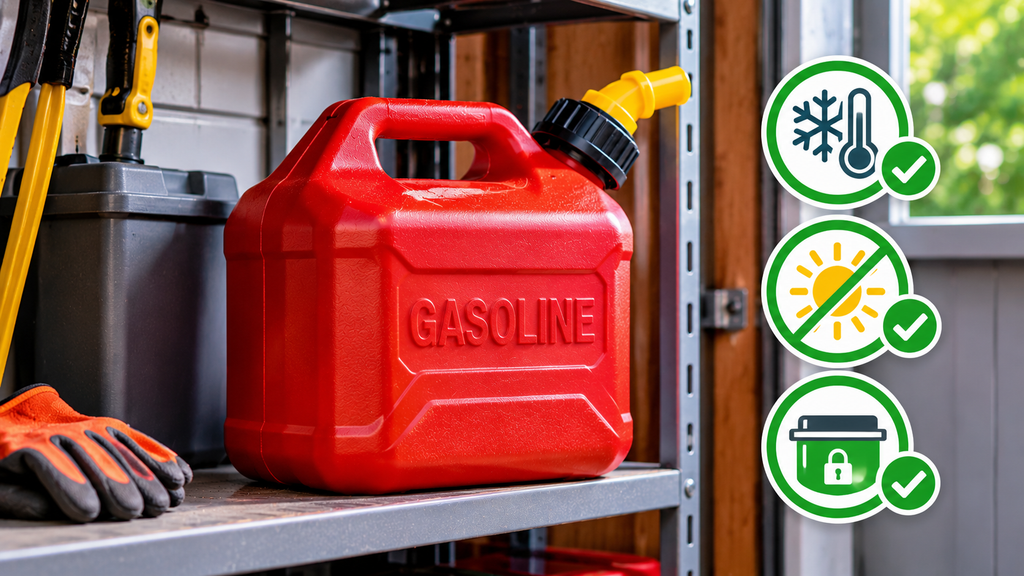
1. Buy Only the Fuel You Need
Avoid filling several containers with gasoline unless you have a realistic plan to use it within the period recommended by the fuel or equipment manufacturer.
2. Use Proper Fuel Containers
Choose suitable gasoline containers and follow their instructions for filling, closing, labeling, and storage. Never reuse food or beverage containers for gasoline.
3. Store Fuel in a Suitable Location
Keep it in a location permitted by local fire codes, away from heat, ignition sources, and occupied living areas. Follow manufacturer recommendations for ventilation and storage conditions.
4. Follow Seasonal Equipment Instructions
Before storing lawn mowers, generators, and other gasoline-powered equipment, consult the owner’s manual. Manufacturers may recommend different fuel-management procedures depending on the engine and equipment design.
5. Use Fuel Stabilizer Correctly When Recommended
A compatible stabilizer may help preserve suitable fresh fuel under certain storage conditions. Follow product directions and equipment-manufacturer requirements. Do not treat stabilizer as a remedy for contaminated gas.
6. Inspect Fuel Storage Periodically
Without unnecessarily opening containers, inspect them for visible damage, leaks, or deterioration. If you suspect a leak or unsafe condition, obtain professional guidance instead of attempting improvised repairs.
Frequently Asked Questions About Old Gasoline Disposal
Can I pour old gasoline on the ground?
No. Dumping gasoline onto soil or gravel can create flammable vapors and contaminate soil and potentially groundwater. Use an authorized disposal program instead.
Can I dispose of gasoline in the regular trash?
Do not place liquid gasoline in household trash. It creates risks for collection workers and equipment, and local rules may prohibit this type of disposal. Contact your local hazardous-waste authority.
Where can I get rid of bad gasoline near me?
Start with your city or county solid-waste department. Look for a household hazardous waste facility or collection event that specifically accepts gasoline. Always call before visiting.
Will auto-parts stores take old gasoline?
Do not assume so. Some auto-parts retailers accept certain recyclable automotive fluids, but gasoline acceptance is different. Contact the specific business or use an authorized household hazardous-waste program.
Can I let old gasoline evaporate?
No. Intentionally leaving gasoline exposed to evaporate releases flammable vapors and creates avoidable fire and exposure risks.
Can I mix bad gasoline with fresh gasoline?
Do not assume mixing will correct degraded or contaminated fuel. Whether a particular fuel is suitable for reuse depends on its condition and the equipment manufacturer’s requirements. Seek professional guidance when uncertain.
Is gasoline still good after two years?
You cannot determine gasoline quality from age alone. Fuel stored for two years may have degraded, particularly under poor conditions. Avoid using questionable fuel without an appropriate assessment.
How do I dispose of gasoline mixed with motor oil?
Tell your local hazardous-waste facility that the material is a gasoline-oil mixture. Do not add the mixture to a used-oil recycling container unless the receiving program specifically authorizes it.
Is it free to dispose of old gasoline?
Some local government programs accept eligible residential gasoline waste without a separate drop-off fee. Other programs may charge or impose quantity limits. Check local requirements.
What if there is no hazardous-waste facility nearby?
Contact your county or state environmental agency for approved alternatives. Ask about scheduled collection events or authorized waste contractors. Never resort to dumping or burning gasoline.