Smoke does not always mean your chainsaw engine is failing. First identify where the smoke is coming from: the bar, chain, wood, exhaust, or motor. That clue points you toward the right fix.
Shut the saw down and let the chain, bar, muffler, engine, and motor cool. Remove the battery from cordless models, unplug corded saws, and follow your manufacturer’s shutdown procedure for gas models. Do not inspect a hot chain or work near fuel, sparks, melting plastic, or damaged wiring.
Most chainsaw smoke starts with friction, poor lubrication, or an overloaded power system
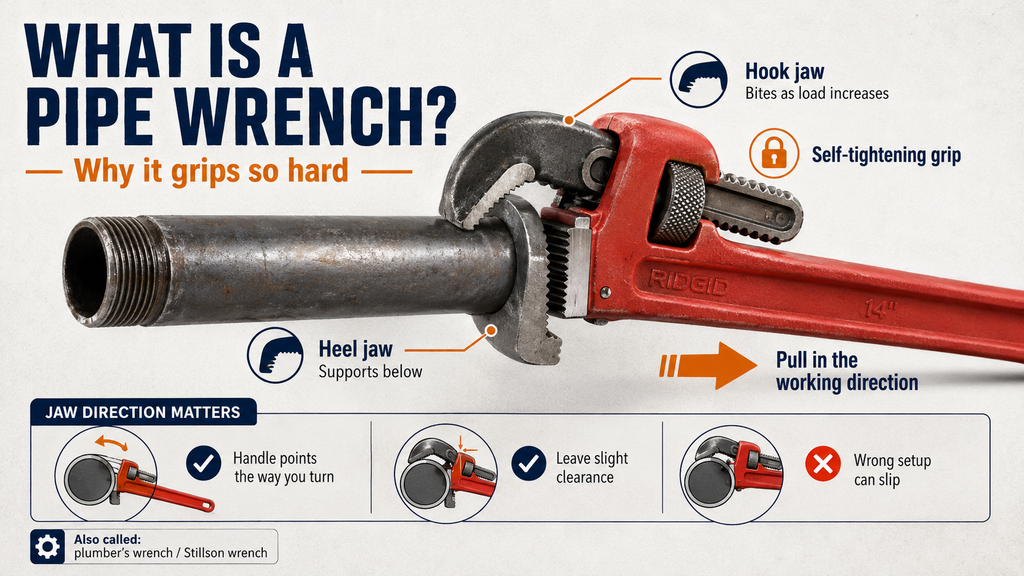
Smoke around the guide bar is commonly caused by a dry, dull, tight, dirty, or damaged cutting system. Heavy exhaust smoke on a gas chainsaw needs fuel and combustion checks. A burning-plastic or electrical smell calls for an immediate stop and professional inspection if it does not have an obvious, safe explanation.
- Bar or chain smoke: inspect lubrication and friction first
- Burning wood: check sharpness, direction, and cutting pressure
- Heavy exhaust: use your model’s fuel and service guidance
- Burning electrical smell: stop use rather than repeatedly restarting
A smoking chainsaw can be alarming, but it does not automatically mean the engine has failed. Start by locating the source. Smoke rising near the bar and chain usually points to heat from friction or poor lubrication. Smoke from the wood often means the cutters are not slicing efficiently. Smoke from the muffler, engine area, battery, or motor needs a separate diagnosis. Work through the easy owner checks first, and stop whenever the saw shows signs of a more serious fault.
1. The chain is not getting enough bar oil
A dry chain and guide bar can heat quickly enough to smoke while cutting. A full oil reservoir does not prove oil is reaching the chain: the oil port, bar groove, pickup, pump, or outlet can still be blocked or faulty. With the saw shut down and cool, inspect the oil hole and guide-bar groove for packed sawdust. Use only the bar-and-chain oil and oil-flow check described for your model. Never run a chainsaw deliberately without lubrication to test it.
2. The chain is dull
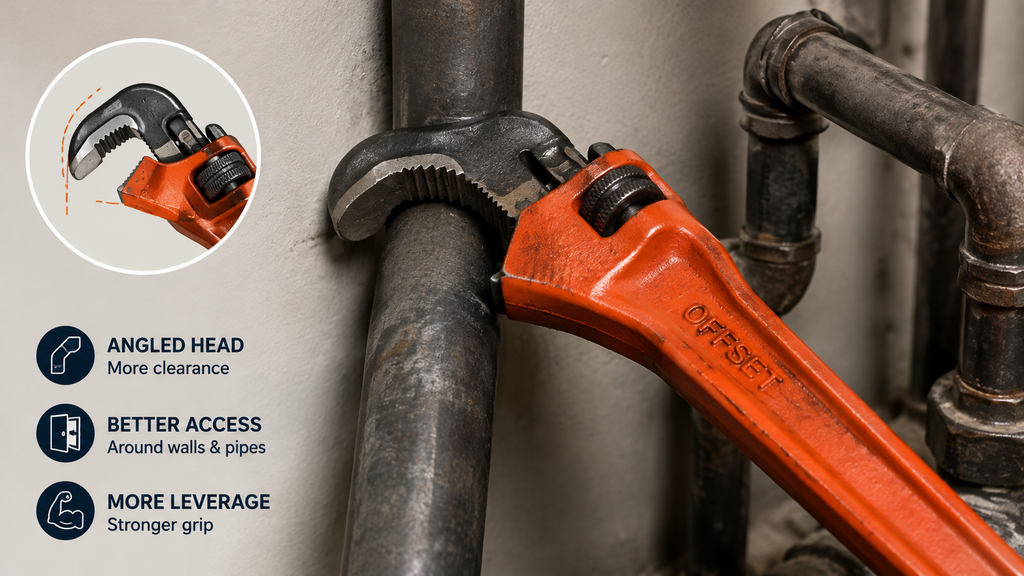
A properly sharpened chain should pull itself into clean wood and produce chips. A dull chain often makes fine dust, requires heavy downward pressure, cuts slowly, and creates enough friction to scorch wood or smoke. Hitting soil, nails, stones, or dirty bark can dull cutters quickly. Sharpen with the correct file size, angles, and depth-gauge settings for your exact chain, or replace the chain if cutters are damaged. Do not assume every smoking chain simply needs sharpening.
3. The chain is too tight
An overly tight chain adds drag at the bar rails and nose sprocket, creating heat and reducing cutting performance. Chain tension changes as metal warms, so set it only by the procedure in your owner’s manual and recheck it after the saw cools. A correctly adjusted chain should not hang loose beneath the bar, but it should still move freely by hand when the saw is safely shut down and the manufacturer’s instructions permit handling it.
4. The chain may be installed backward
This is especially common after a chain replacement or cleaning. A backward chain may rub against the wood instead of cutting efficiently, producing dust, heat, and smoke. Check the cutting teeth along the top of the bar: on a typical saw, their sharp leading edges point away from the powerhead. Confirm this against the chain diagram or manual for your specific model before restarting.
Do not use force to compensate for a poor cut.
If a new chain makes dust, burns wood, or refuses to self-feed, shut the saw down and verify direction, tension, lubrication, and installation before doing more cutting.
5. The guide bar groove or oil hole is dirty
Fine sawdust, oily debris, and bark residue can clog the bar groove and oil outlet. That restricts lubrication and can keep the chain from tracking correctly. With the power source removed and the saw cool, remove the bar and chain only if your manual permits it, then clean the groove and oil hole using the recommended method. Inspect the bar rails for uneven wear, burrs, blue heat marks, cracks, or a damaged nose sprocket. Replace worn parts instead of trying to keep a failing bar in service.
6. You are applying too much cutting pressure
Pushing hard does not make a dull or poorly lubricated chain cut better. It can overload the motor, increase chain friction, and leave scorch marks in the wood. Let a sharp, properly maintained chain do the work. If cutting speed falls, ease off and reassess the chain condition, oil flow, tension, and material. Dirty wood, embedded grit, frozen timber, and very hard material can all increase wear and heat.
7. The guide bar or chain is worn or damaged
A worn chain, damaged drive links, pinched bar rails, seized nose sprocket, or bent guide bar can make the cutting system bind and overheat. Stop using the saw if the chain wanders, repeatedly loosens, rides unevenly, throws oil strangely, or will not move freely after correct tensioning. These issues may need replacement parts rather than another adjustment.
A quick cutting clue: chips versus dust
Healthy cutting generally produces visible chips with modest pressure. Fine dust, a crooked kerf, blue bar discoloration, or a chain that feels hot unusually fast suggests the cutting system needs closer inspection.
8. A gas chainsaw may be producing excessive exhaust smoke
Some visible exhaust can occur with a two-stroke gas chainsaw, particularly during a cold start or when using approved mixed fuel. But unusually heavy, persistent, or suddenly different exhaust may indicate old fuel, too much oil in the fuel mixture, carburetion trouble, or another combustion issue. Smoke colour alone cannot diagnose the fault. Use the exact fuel type, oil ratio, and maintenance guidance from your manufacturer; STIHL, Husqvarna, ECHO, and other brands may specify different requirements.
9. Oil or fuel may be reaching a hot surface
A leak or spill can smoke when it contacts a hot muffler, engine, or exhaust shield. Shut the saw down immediately if you see wet fuel around fittings, smell raw gasoline strongly, or notice smoke coming from the engine housing rather than the exhaust outlet. Allow the saw to cool away from ignition sources. Do not restart until the leak, cracked line, loose cap, or damaged component has been properly addressed.
10. The motor or electrical system may be overheating
Battery and corded chainsaws should not be repeatedly run through a burning-plastic, melting, or electrical-insulation smell. This can indicate an overloaded motor, damaged wiring, failing switch, hot battery, poor connection, or internal fault. Remove the battery or unplug the saw and let it cool. Inspect only for obvious external damage. If the smell returns, the housing becomes unusually hot, the saw loses power, or you see sparks or melted plastic, arrange qualified service rather than attempting repeated restarts.
| What you notice | Best next check |
|---|---|
| Smoke rises from the bar or chain while cutting. | Stop cutting; inspect oil flow, chain sharpness, tension, and the bar groove before restarting. |
| The wood scorches and the saw makes fine dust. | Check whether the chain is dull, backward, damaged, or being forced through dirty material. |
| You smell melting plastic or burning electrical insulation. | Remove the battery or unplug the saw. Do not keep testing it; arrange inspection if the smell persists. |
Frequently asked questions
Can a dull chainsaw chain cause smoke?
Yes. A dull chain can rub rather than slice, especially when the operator compensates by pushing harder. It often produces fine dust instead of chips and may heat the chain, bar, and wood enough to smoke.
Why is my chainsaw smoking if the oil tank is full?
The reservoir can be full while the chain still receives little or no oil. A blocked oil port, packed bar groove, damaged pump, pickup issue, or bar-related obstruction can interrupt the oil path. Follow your manual’s oil-flow inspection procedure.
When should I stop troubleshooting my chainsaw?
Stop if smoke is persistent, heat is abnormal, the chain binds, fuel leaks, sparks appear, plastic melts, wiring looks damaged, or the saw smells electrical. Those signs are beyond routine owner maintenance and deserve professional inspection.