

The straight-talking guide for weekend mechanics who want to protect their electrical connections without frying anything.
⚡ Quick Answer
No — dielectric grease is NOT electrically conductive. It’s a silicone-based insulator that seals out moisture and prevents corrosion on electrical connections. It protects your work; it doesn’t carry current.
What Is Dielectric Grease, Exactly?
Dielectric grease is a thick, translucent silicone-based compound. Think of it like a clear, non-drying paste — similar in consistency to petroleum jelly, but engineered specifically for electrical environments. You’ll sometimes hear it called “tune-up grease” or “electrical grease” at the auto parts store.
Its job is simple: create a waterproof, airtight barrier around electrical connections. It keeps out moisture, road salt, dirt, and oxygen — all the stuff that causes corrosion and makes you redo the same repair six months later.
Important distinction: “electrical grease” and “dielectric grease” are essentially the same product. The word “dielectric” literally means “non-conductive” — so if you see both terms on the shelf, you’re looking at the same thing.
Is Dielectric Grease Conductive? (The Big Question)
🚫 No. Dielectric grease does NOT conduct electricity. It is an insulator. This is the single most important thing to understand before you use it.
Here’s where the confusion comes from: people assume that because it’s used on electrical connections, it must help electricity flow. It doesn’t. Its purpose is purely protective — like a raincoat for your wiring.
When you apply it correctly (on the rubber boot or housing around a connector), the metal pins still make direct metal-to-metal contact and electricity flows normally. The grease simply fills the air gaps around the connection to lock out moisture.
However — and this is critical — if you pack a thick layer directly between two metal contact surfaces that need to touch, you can block the connection. A thin film won’t cause problems (metal pins push through it), but gobs of grease between flat contact surfaces can insulate them from each other.
Practical Uses Around the Garage & Home
Once you understand that it’s a protector, not a conductor, the use cases become obvious. Here’s where you’ll get the most value:
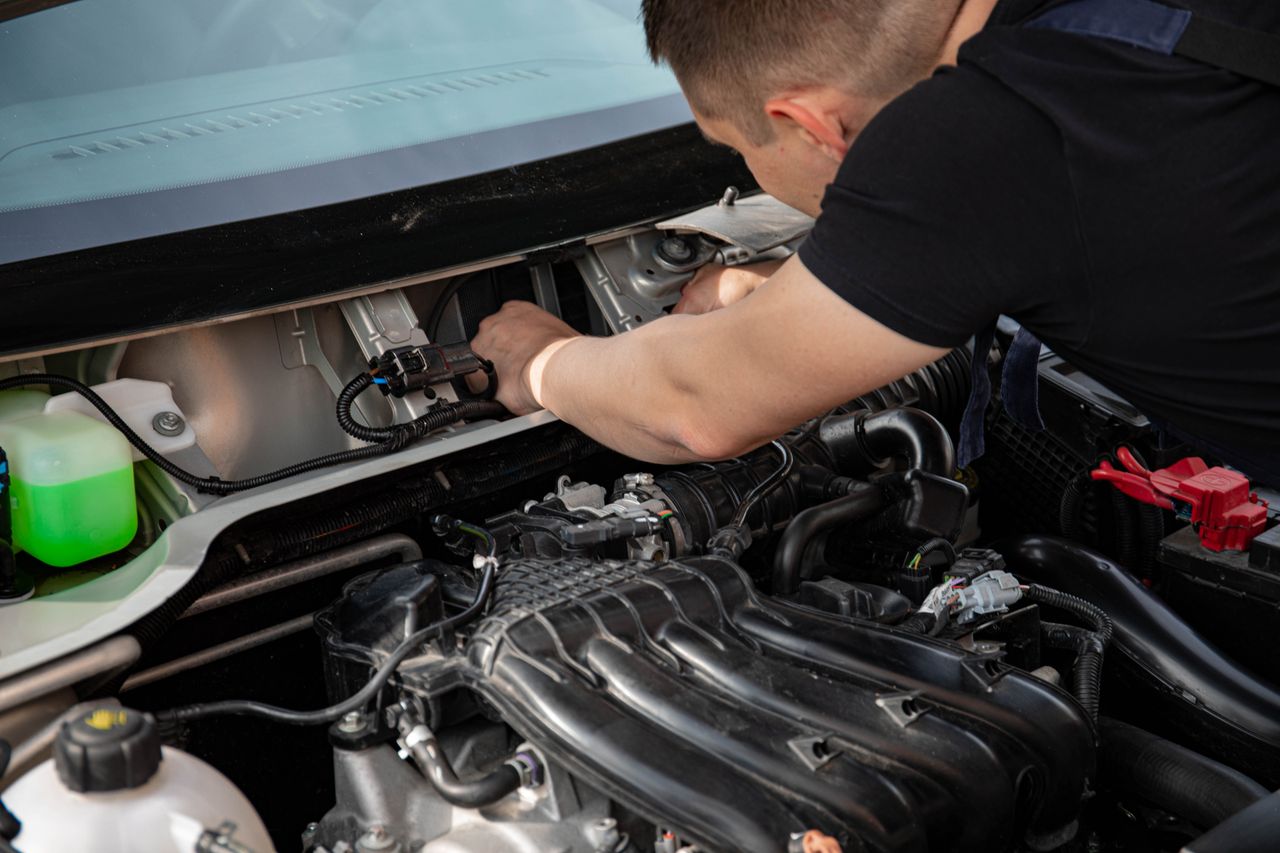
Automotive & Powersports
- Spark plug boots — coat the inside of the boot to prevent it from seizing to the ceramic insulator
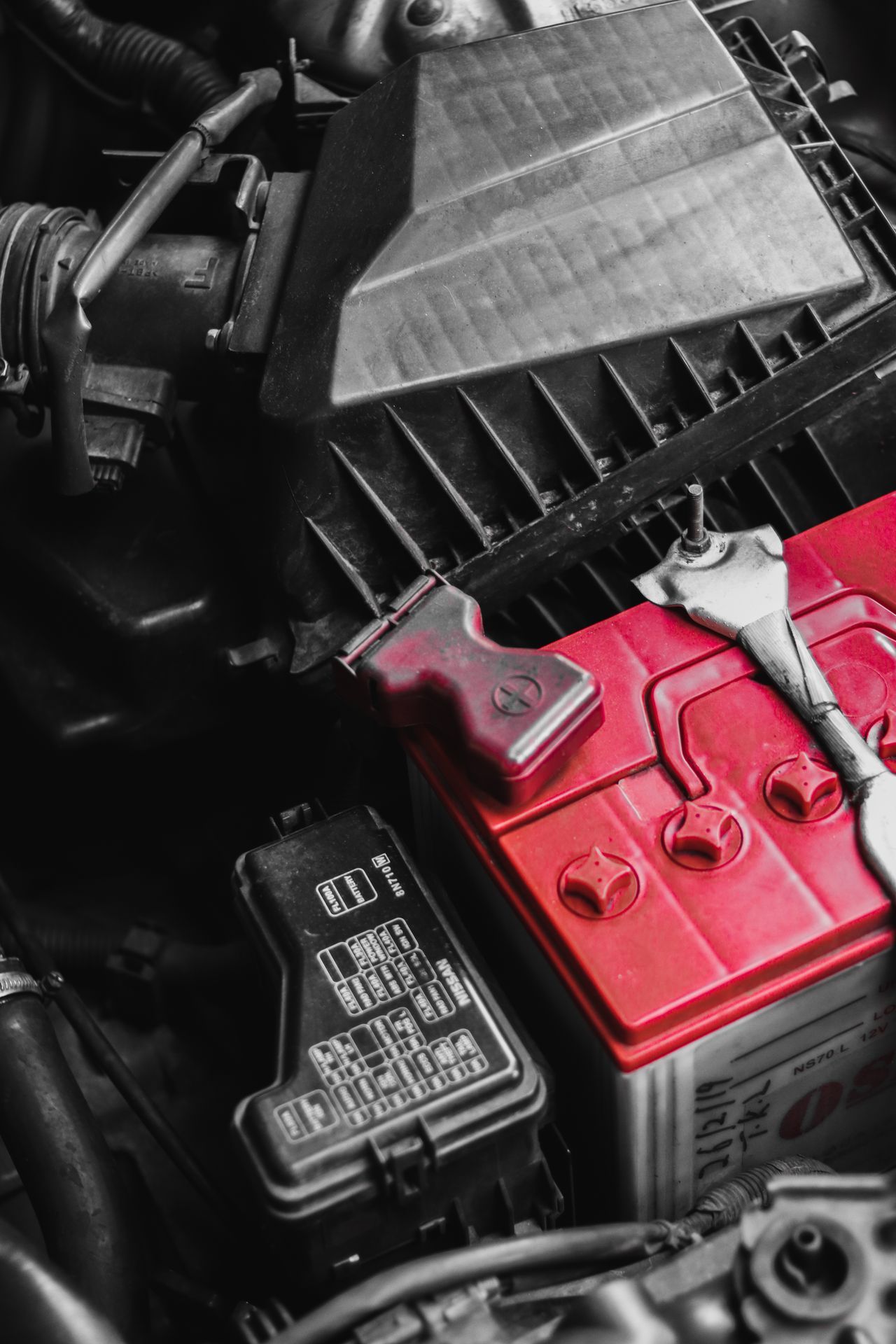
- Battery terminals — apply after tightening to seal out moisture and prevent corrosion buildup
- Trailer wiring connectors — essential for 4-pin and 7-pin plugs exposed to rain and road spray
- O2 sensors, MAF sensors, and headlight bulb sockets — thin coat on the rubber seal only
Home & Marine
- Outdoor landscape lighting connections — keeps junction points sealed from ground moisture
- Garden hose electrical couplings (e.g., heated hoses) — prevents winter corrosion
- Boat battery terminals and nav light connectors — saltwater is your enemy, grease is your shield
- Outdoor GFCI outlet gaskets — light coat on the weatherproof cover seal for smoother operation
How to Apply It Correctly (Step-by-Step)
The golden rule: apply to the insulating parts (rubber, plastic housings) — not between the metal contact surfaces. Here’s the process:
- Clean the connection first. Remove any existing corrosion with a wire brush or contact cleaner. The grease seals in whatever’s already there, so start clean.
- Apply a thin, even coat to the rubber boot, seal, or plastic housing — not the metal pins or terminals themselves.
- For pin-style connectors: a very light smear on the outside of the pins is fine (they’ll push through it when mated). Never pack the connector cavity full.
- Reconnect the parts. The grease will spread into the air gaps and create your moisture barrier automatically.
That’s it. Less is more with this stuff — you don’t need to use half the tube. A pea-sized amount goes a long way on most connectors.
Do’s and Don’ts — Your Quick-Reference Card
✅ DO
- Apply to rubber boots, seals, and plastic housings
- Use on battery terminals AFTER tightening
- Apply a thin film — a little goes a long way
- Clean connections before applying
❌ DON’T
- Pack it between flat metal mating surfaces
- Use it as a substitute for conductive grease on high-current connections
- Apply to dirty or corroded terminals without cleaning first
- Confuse it with thermal paste (they’re different products for different jobs)
Safety Guidelines
Dielectric grease is one of the safer chemicals in your garage. It’s non-toxic, non-flammable at normal temperatures, and won’t damage rubber, plastic, or paint. You don’t need gloves to handle it (though they’ll keep your hands clean).
Storage is simple: keep the tube sealed and out of direct sunlight. It won’t expire in any meaningful timeframe — a tube from five years ago is still perfectly usable if it hasn’t dried out.
The only real “safety” concern is applying it incorrectly and blocking an electrical connection. Follow the application steps above, and you’ll have zero issues. If in doubt, remember: coat the boot, not the pin.
Frequently Asked Questions
Can dielectric grease cause a short circuit?
No — because it’s non-conductive, it cannot cause a short. However, over-applying it between contacts can prevent a connection from being made, which would cause an open circuit (no signal), not a short.
Is dielectric grease the same as Vaseline / petroleum jelly?
No. While both are insulators, petroleum jelly can degrade rubber seals and isn’t rated for high temperatures. Dielectric grease is silicone-based, rubber-safe, and handles engine bay heat without breaking down.
Do I need dielectric grease AND electrical tape?
They serve different purposes. Tape provides mechanical insulation and holds wires in place. Grease fills micro-gaps and seals out moisture. For outdoor or underhood connections, using both is ideal — tape for structure, grease for sealing.