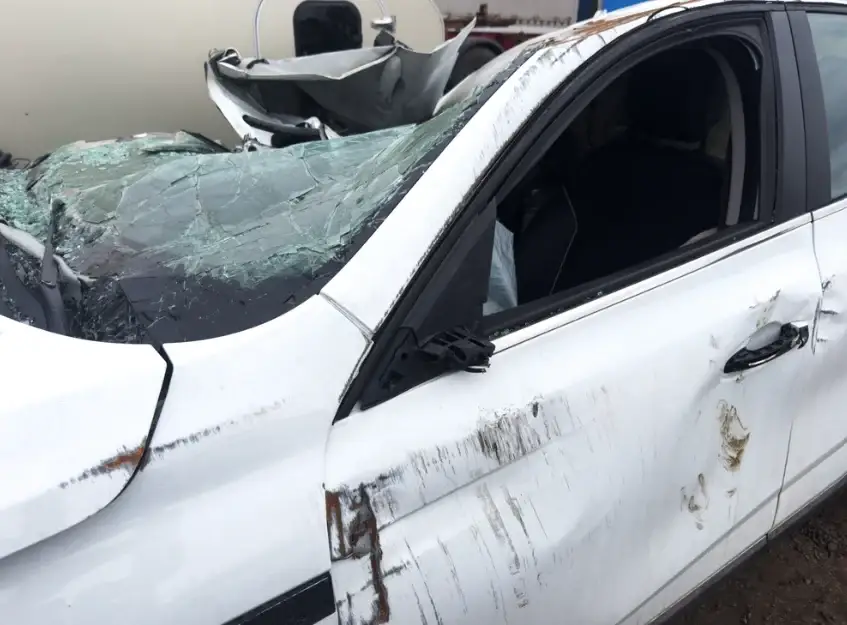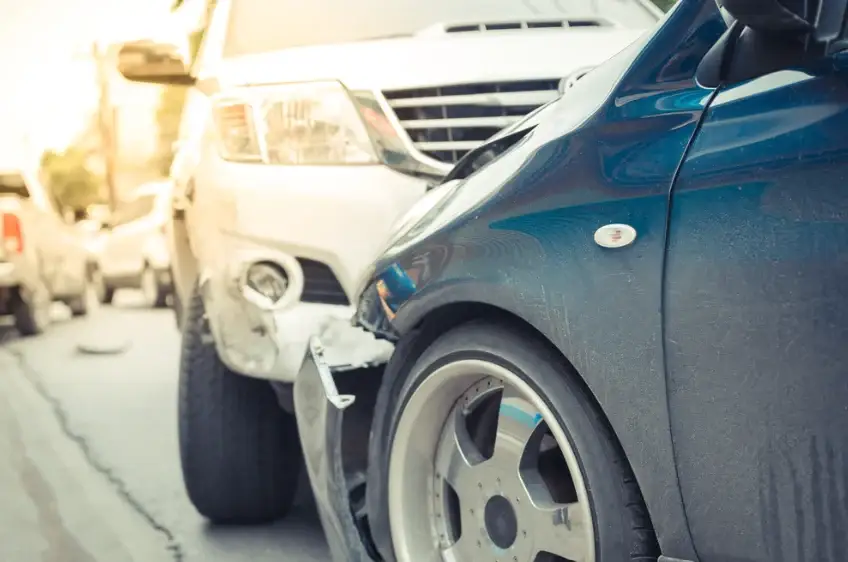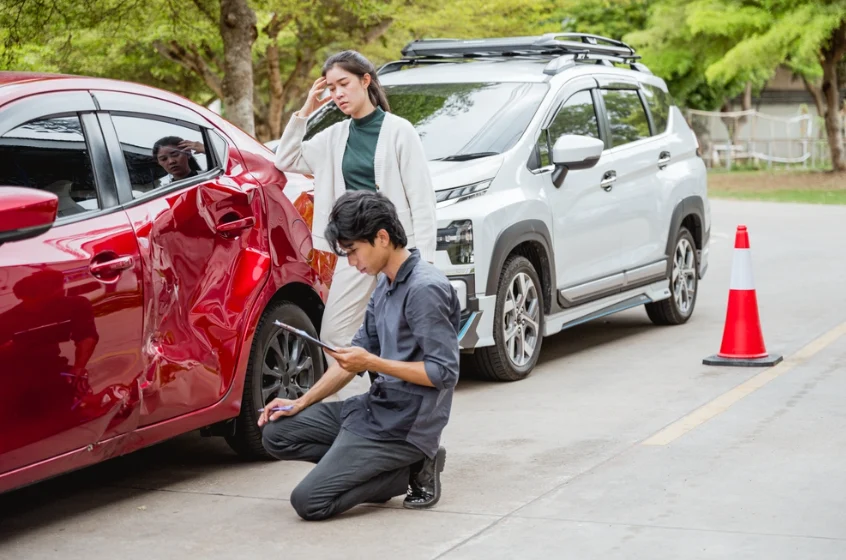
When physical evidence contradicts a police accident report, investigators may review the case to determine how the crash happened and who was responsible. Vehicle damage, skid marks, photographs, and surveillance footage may reveal errors or details missing from the report.
Knowing how to handle conflicting accident evidence can help injured people protect their legal rights. If you or your family have been affected by a crash involving conflicting evidence, Miller & Hine Car Accident Attorneys at Law can help you understand your legal options.
An accident reconstruction expert may also analyze the evidence to explain how the collision occurred and whether the police report accurately reflects the available facts. Let’s have a deeper look!
What Can Happen When Accident Evidence Disputes the Official Report?
When physical evidence challenges a police report, the conflicting information must be evaluated to determine which account is better supported by the available facts.
Investigators May Reassess How the Accident Happened
Physical evidence can reveal details that were missed or misunderstood when the initial accident report was prepared. For example, vehicle damage or debris patterns may suggest that the vehicles collided at a different angle than the report describes.
Under Texas Transportation Code § 550.041(a), a peace officer may investigate qualifying collisions. Investigators may examine the scene and vehicles and interview witnesses to determine whether the original report accurately reflects how the collision occurred.
The Police Report May Be Corrected or Supplemented
If new evidence reveals a factual error or missing information in a crash report, a correction or supplemental report may be possible.
Under Texas Transportation Code § 550.068, changes to material facts in a written collision report generally must be made by the officer who prepared it. Another person may make a change through a written supplement that identifies who originated it.
A disagreement with the report does not automatically mean it will be changed. Photographs, witness statements, physical evidence, and other reliable documentation may help support a request for a correction or further investigation.
Policy Coverage Companies May Reconsider Fault
Policy adjusters often use police reports as one source of information when evaluating accident claims. If physical evidence conflicts with the report, the adjuster may need to examine the evidence more closely before deciding who was responsible.
For instance, vehicle damage or video footage may challenge an allegation that one driver caused the collision. The adjuster’s decision will depend on the available evidence, applicable law, and the terms of the relevant coverage policies.
Accident Reconstruction Experts May Be Involved
In serious or disputed collisions, an accident reconstruction expert may examine the physical evidence to determine how the crash likely occurred. The expert may assess vehicle damage, braking marks, road conditions, impact points, and other available measurements.
This analysis can help test whether the police report’s account is consistent with the physical evidence. Expert findings may be useful during negotiations or litigation, although the conclusions still need to be assessed alongside other evidence.
A Court May Give Greater Weight to More Reliable Evidence
If an accident dispute reaches court, the judge or jury may consider the police report alongside photographs, witness testimony, expert opinions, video footage, and physical evidence.
A police report does not automatically settle the question of fault, and its weight depends on the circumstances and the applicable rules of evidence. If reliable physical evidence directly contradicts the report, the court may find that another explanation of the collision is more persuasive.
Final Takeaways
- Physical evidence can challenge a police accident report and lead to a closer review of how a collision occurred.
- Police reports may be corrected or supplemented when reliable evidence identifies errors or missing details.
- Policy coverage companies may reconsider fault when photographs, vehicle damage, or other evidence conflicts with the report.
- Accident reconstruction experts can help explain complex collisions and assess whether the physical evidence supports the reported account.