
Suspension damage occurs when key components that connect your wheels to your vehicle wear out from road stress, impact, or neglect. A failing suspension affects your steering, ride quality, and tire life all at once.
Atlanta is one of the fastest-growing metropolitan areas in the southeastern United States and serves as the economic and transportation hub of Georgia. Atlanta experiences hot, humid summers and occasional winter freeze-thaw cycles that break down road surfaces quickly. These conditions create rough streets and pothole-heavy roads that put constant stress on vehicle suspension systems.
Suspension systems are designed to absorb road imperfections, but repeated impacts from rough streets can accelerate wear on shocks, struts, bushings, and other critical components. For this reason, Mercedes suspension repair in Atlanta is often an important part of maintaining vehicle comfort, stability, and handling. Shops such as Solo Motorsports, which specializes in European vehicles, provide suspension diagnostics and repair services designed to help Mercedes owners maintain optimal ride quality and performance.
In this article, we’ll break down the causes of suspension damage and highlight steps drivers can take to improve suspension longevity and performance.
Common Causes of Suspension Damage
Understanding what causes suspension damage helps you avoid the habits and conditions that accelerate wear. Most failures build gradually from repeated stress and overlooked warning signs.
Potholes and Road Impact
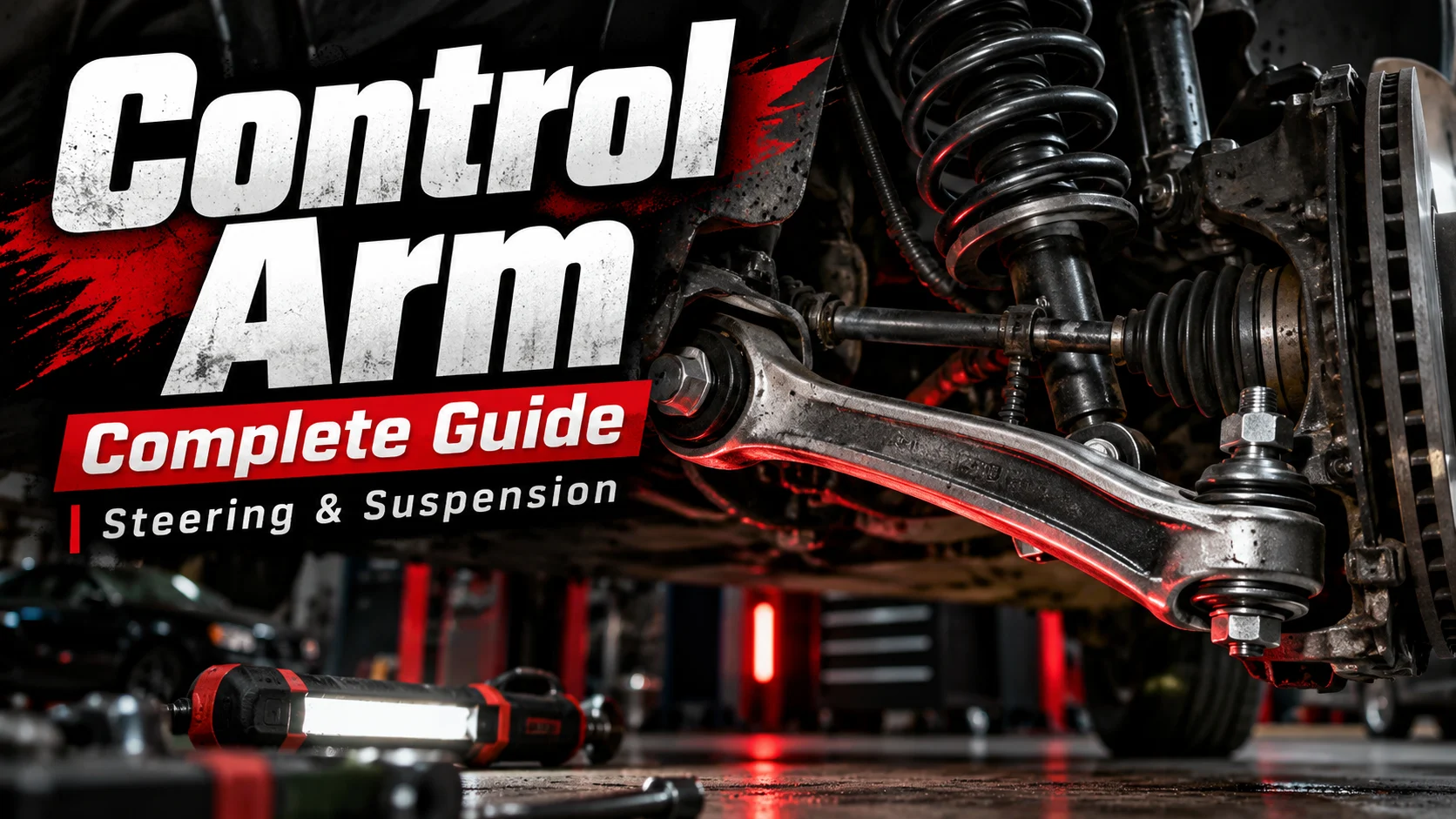
Hitting a pothole at speed sends a sharp shock directly through your suspension. Repeated impacts bend control arms, crack bushings, and damage ball joints over time. A single hard strike can also knock your wheels out of alignment instantly.
Worn Shocks and Struts
Shocks and struts absorb road energy and keep your tires firmly planted on the ground. Once they wear out, your vehicle bounces excessively, and steering response weakens. Ignoring worn shocks puts added strain on every connected suspension component.
Neglected Maintenance
Skipping routine inspections allows minor wear to become a costly structural failure. Rubber bushings dry out and crack without timely replacement. Ball joints and tie rod ends loosen gradually when not checked at regular service intervals.
Overloading the Vehicle
Carrying loads beyond your vehicle’s rated capacity compresses and flattens suspension springs permanently. This causes the vehicle to sit lower than designed and creates uneven tire wear. Repeated overloading shortens the lifespan of shocks and struts significantly.
Warning Signs of Suspension Problems
Catching these symptoms early protects you from expensive repairs and unsafe driving conditions.
- Pulling to one side while driving on a straight road.
- Excessive bouncing after hitting bumps or dips.
- Clunking or knocking sounds over rough surfaces.
- Uneven or rapid tire wear patterns.
- Nose-diving forward during hard braking.
- Loose or wandering steering response.
How to Prevent Suspension Damage
Prevention is far more cost-effective than waiting for suspension components to fail completely.
- Slow down over potholes, speed bumps, and rough road sections.
- Follow your vehicle manufacturer’s recommended suspension inspection intervals.
- Avoid overloading your vehicle beyond its rated payload capacity.
- Rotate tires regularly to distribute wear evenly across all four corners.
- Address small suspension noises or handling changes before they worsen.
Steps to Take When You Suspect Suspension Damage
- Inspect your tires for uneven wear patterns that signal alignment or suspension issues.
- Check shock absorbers for fluid leaks, which indicate internal seal failure.
- Diagnose clunking sounds by having ball joints, tie rods, and bushings physically inspected.
- Test the vehicle’s bounce by pressing down firmly on each corner and noting the rebound.
- Replace worn ball joints and bushings before secondary component damage occurs.
- Service wheel alignment immediately after completing any suspension repair.
Preventive Maintenance vs. Reactive Repair
Preventive suspension servicing every 12,000 to 15,000 miles costs far less than emergency component replacement. Regular inspections performed during Mercedes suspension repair in Atlanta can help identify worn components early, reducing the likelihood of more expensive suspension-related problems. One failed part, left unaddressed, often damages surrounding components and multiplies the total repair bill.
Key Takeaways
- Potholes, worn shocks, and overloading are the leading causes of suspension damage.
- Warning signs include pulling, bouncing, clunking, and uneven tire wear.
- Slowing down on rough roads and following service intervals prevent most suspension damage.
- Preventive maintenance costs significantly less than reactive suspension repair.
- Always replace worn bushings and ball joints before they damage surrounding parts.
- Wheel alignment should follow every suspension repair without exception.
- Regular inspections catch small issues before they become expensive failures.