Imagine driving down a busy highway when dirt, road salt, or insects suddenly cover your windshield. You activate the washers, but nothing comes out. The reservoir might be empty, the spray nozzles might be blocked, or the wrong washer liquid might be in the system.
Washer liquid, also called windshield washer fluid, is an important part of routine vehicle maintenance. This guide explains what it does, how the system works, which formula to choose, how to refill it, and what to check when it stops spraying.
Quick Answer: What Is Washer Liquid?
Washer liquid is a cleaning solution kept in a vehicle’s windshield washer reservoir. When the washer control is activated, a pump moves the fluid through hoses and nozzles onto the glass. The wiper blades then help remove dirt, insects, salt, and other contaminants. Some washer fluids also contain ingredients that protect against freezing.
What Is Washer Liquid and What Does It Do?
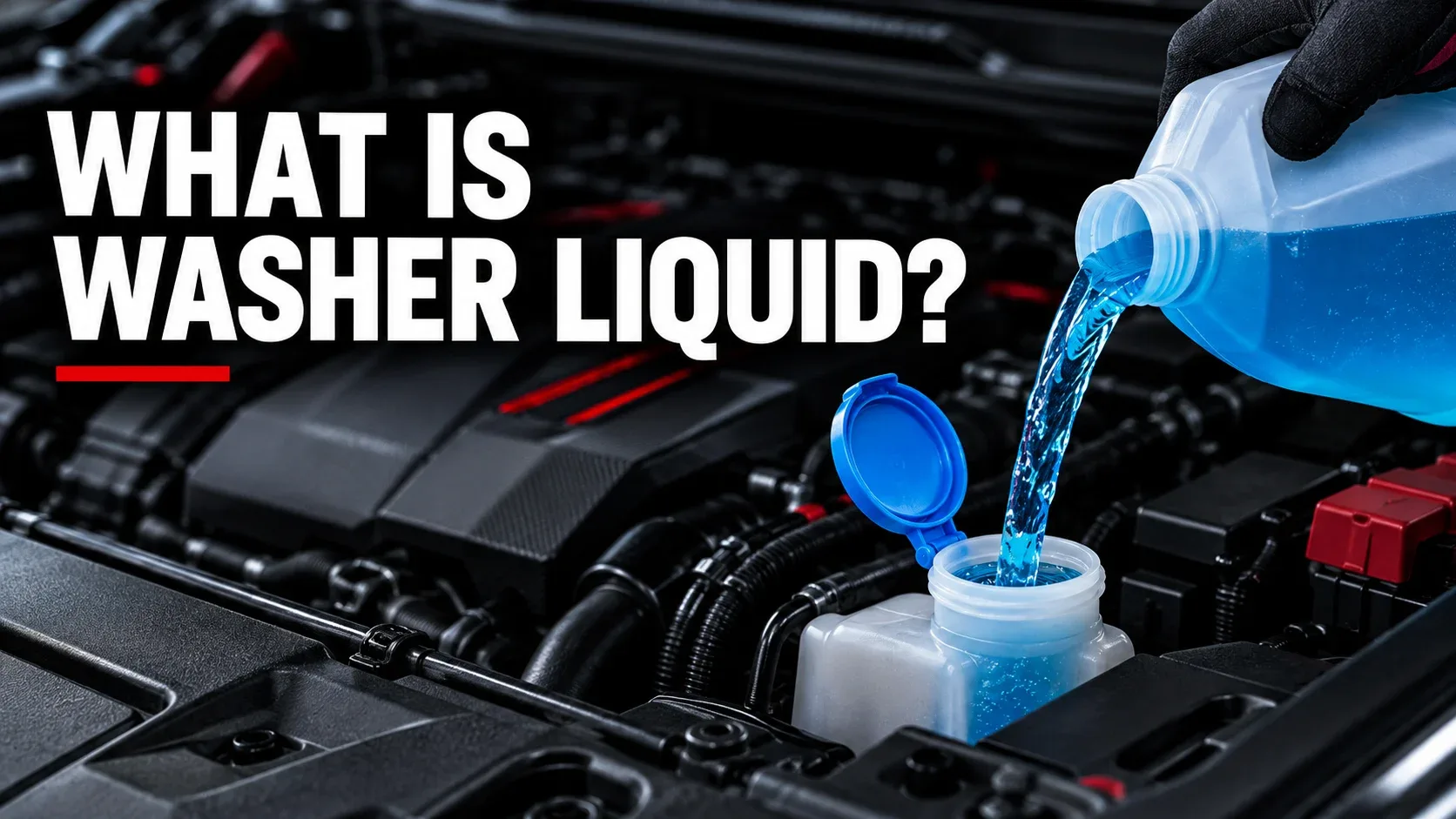
Washer liquid is a purpose-made solution for cleaning automobile windshields. Unlike ordinary water, many commercial formulas contain cleaning ingredients that help loosen road film, insect residue, and grime. The liquid is stored in a reservoir, usually beneath the hood, and is delivered to the windshield when the driver activates the washers.
What Is Washer Liquid Made Of?
Formulations vary, but common ingredients include water, surfactants for cleaning, solvents or alcohols in some formulas, and other additives for specialized performance. Winter blends may contain ingredients that lower the freezing point. Some fluids contain toxic or flammable chemicals, so always follow the label.
| Ingredient | Purpose |
|---|---|
| Water | Main liquid base |
| Surfactants | Help loosen road grime and dirt |
| Solvents / alcohols | May support cleaning and freeze protection |
| Other additives | May provide color or specialty performance |
Loosens dust, mud, and road film.
Helps the wipers clean the glass.
Rated winter fluids can resist freezing.
How Does a Windshield Washer System Work?
The windshield washer system uses an electric pump to move liquid from its reservoir through narrow hoses. Spray nozzles distribute it across the windshield, while the wiper blades sweep away softened dirt and debris.
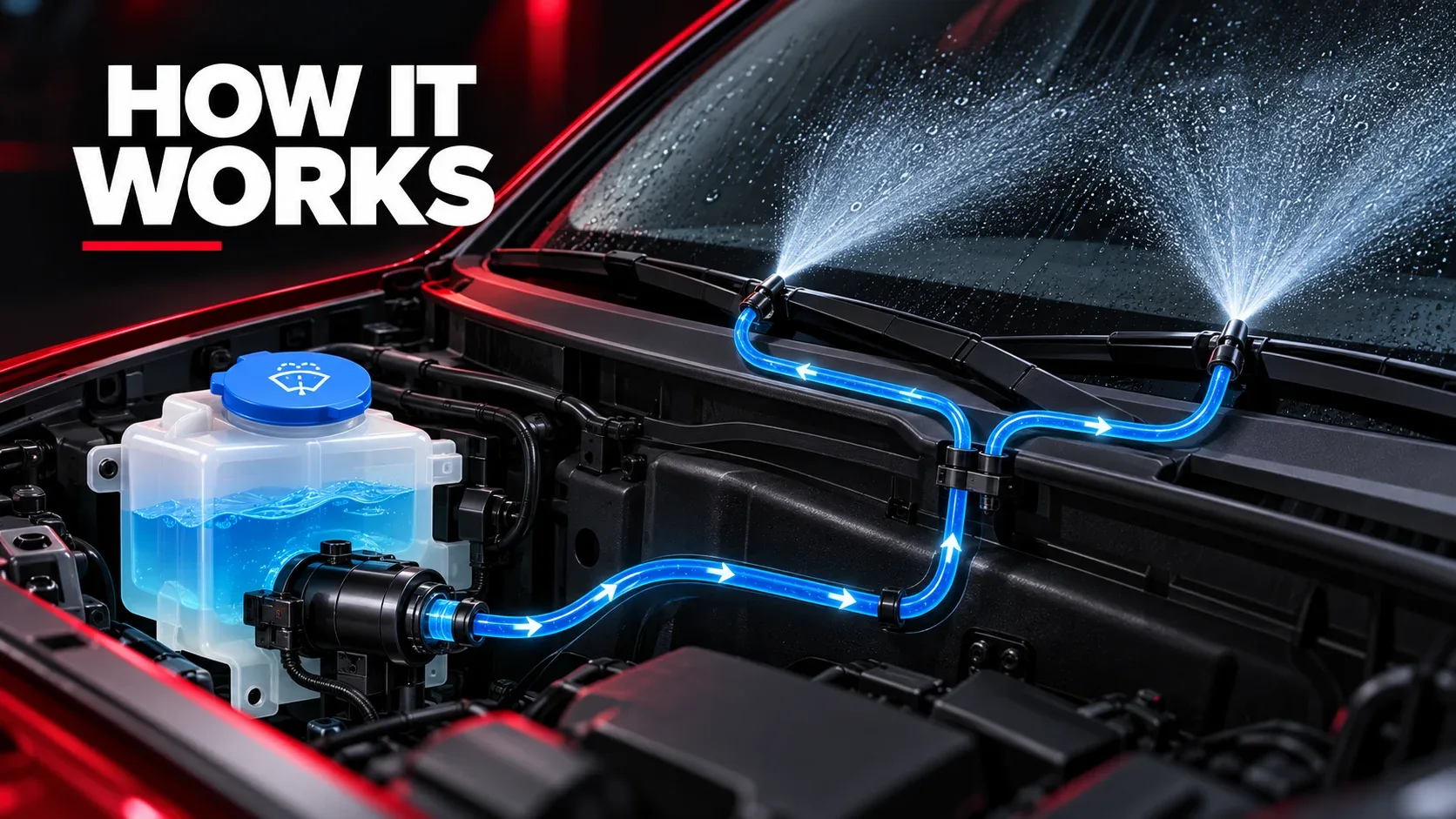
| Component | Function |
|---|---|
| Reservoir | Stores the fluid. |
| Washer pump | Pushes fluid through the system. |
| Hoses | Carry fluid to the nozzles. |
| Spray nozzles | Direct fluid onto the windshield. |
| Wiper blades | Sweep away liquid and grime. |
Component locations differ between vehicles; some models incorporate the spray outlets into the wiper arms. The owner’s manual can help identify the particular layout.
Different Types of Windshield Washer Liquid
Washer liquids are formulated for different environments. Choosing a fluid for your climate is especially important when temperatures approach or fall below freezing.
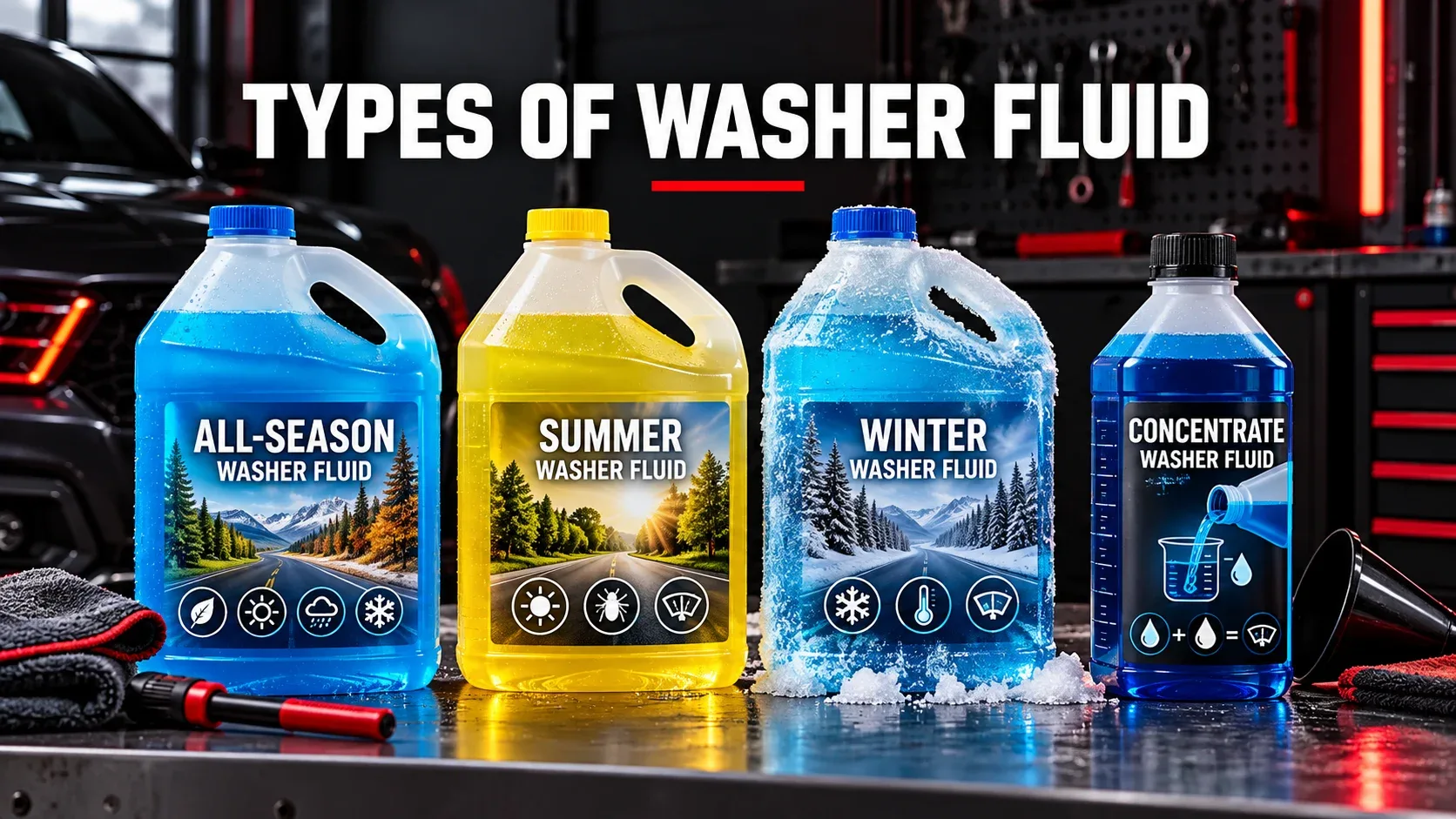
All-Season Washer Fluid
Designed for general everyday cleaning, but freeze protection varies. Do not assume the phrase “all-season” guarantees suitability for your winter temperatures.
Summer and Bug-Removing Washer Fluid
These blends target insect residue, dust, and warm-weather road grime. Some have limited or no freezing resistance.
Winter and De-Icing Washer Fluid
Winter formulas are formulated for colder weather. Select a product with a freeze rating appropriate for the lowest temperatures expected on your route.
Concentrated Washer Fluid
Concentrates can be compact and economical but must be diluted according to the product instructions. Dilution affects both cleaning strength and freeze protection.
| Type | Best Use | Key Consideration |
|---|---|---|
| All-season | Routine cleaning | Read freeze rating |
| Summer | Bug residue / road film | May freeze |
| Winter | Cold-weather driving | Match local temperatures |
| Concentrate | Dilution as directed | Mix correctly |
How to Choose the Best Washer Liquid for Your Car
The best washer liquid is one that suits your vehicle, climate, and typical driving conditions. Consider your owner’s manual, the fluid’s temperature rating, and whether you mainly need winter protection or enhanced cleaning against insects and road film.
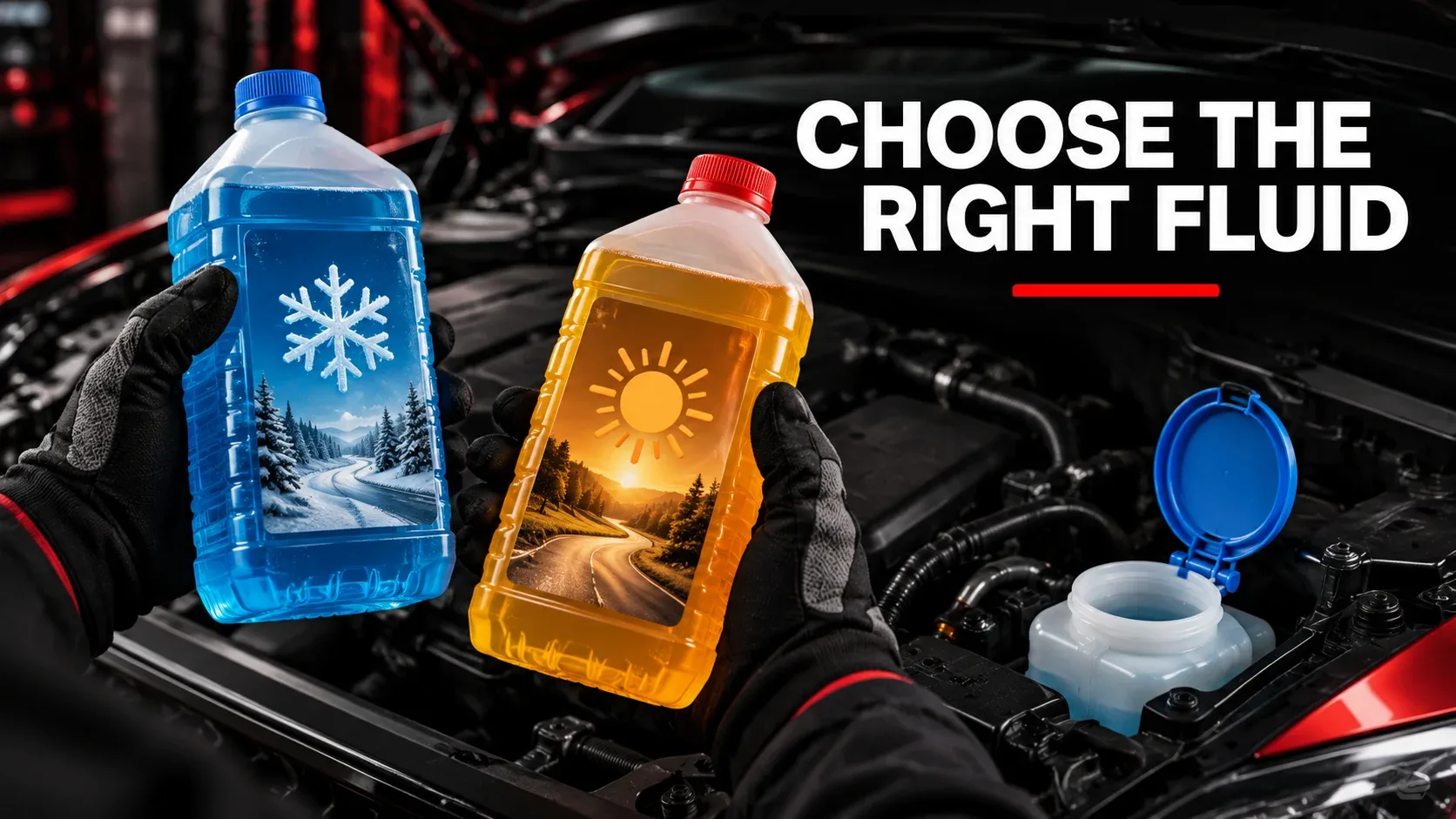
Suitable summer or general cleaning formula.
Winter-rated fluid with adequate freeze protection.
Formula designed for bugs or road film.
Before purchasing: Check vehicle compatibility, whether the formula is ready to use or concentrated, container size, safety warnings, and the lowest temperature at which the manufacturer says it remains usable.
How to Refill Windshield Washer Liquid: Step-by-Step
Refilling your washer fluid is typically a simple DIY maintenance task. Take care to identify the correct reservoir first, since the under-hood area contains several containers for entirely different fluids.
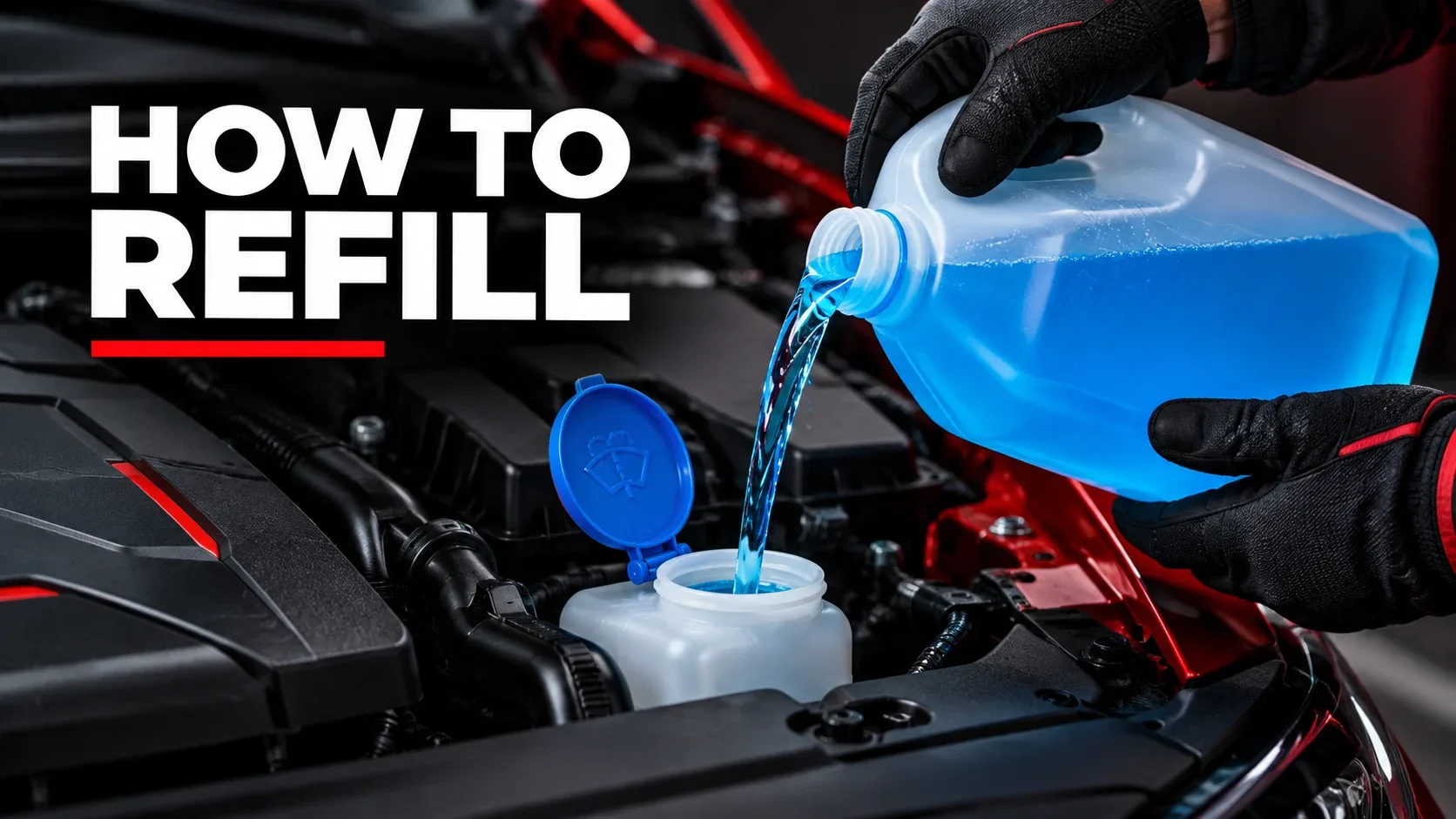
- Park safely. Stop on level ground, secure the vehicle, and turn the engine off. Avoid hot engine components.
- Locate the reservoir. Find the cap with the windshield and spray symbol; check the owner’s manual if unsure.
- Inspect the existing liquid. Note the visible level and consider the current formula before adding winter fluid.
- Add appropriate washer fluid. Pour slowly, using a clean funnel if necessary, and follow the reservoir or vehicle fill guidance.
- Replace the cap. Secure it and clean any spills according to the product label.
- Test the washers. Check that the fluid sprays and that the wipers wipe properly; do not repeatedly operate a dry or frozen system.
Never put washer fluid into the engine coolant, brake fluid, or oil reservoir. If it goes into the wrong system, seek professional guidance before driving.
How Much Washer Liquid Does a Car Need?
Reservoir capacities vary by vehicle. Many passenger cars hold a few liters while some larger vehicles carry more. Use the owner’s manual for the correct capacity and fill to the appropriate level rather than assuming an entire jug is needed.
Washer Liquid vs. Water: Which Is Better?
Plain water may rinse loose dust, but dedicated washer fluid usually provides better cleaning performance and can offer freeze protection. In colder weather, water can freeze in the reservoir, lines, or nozzles.
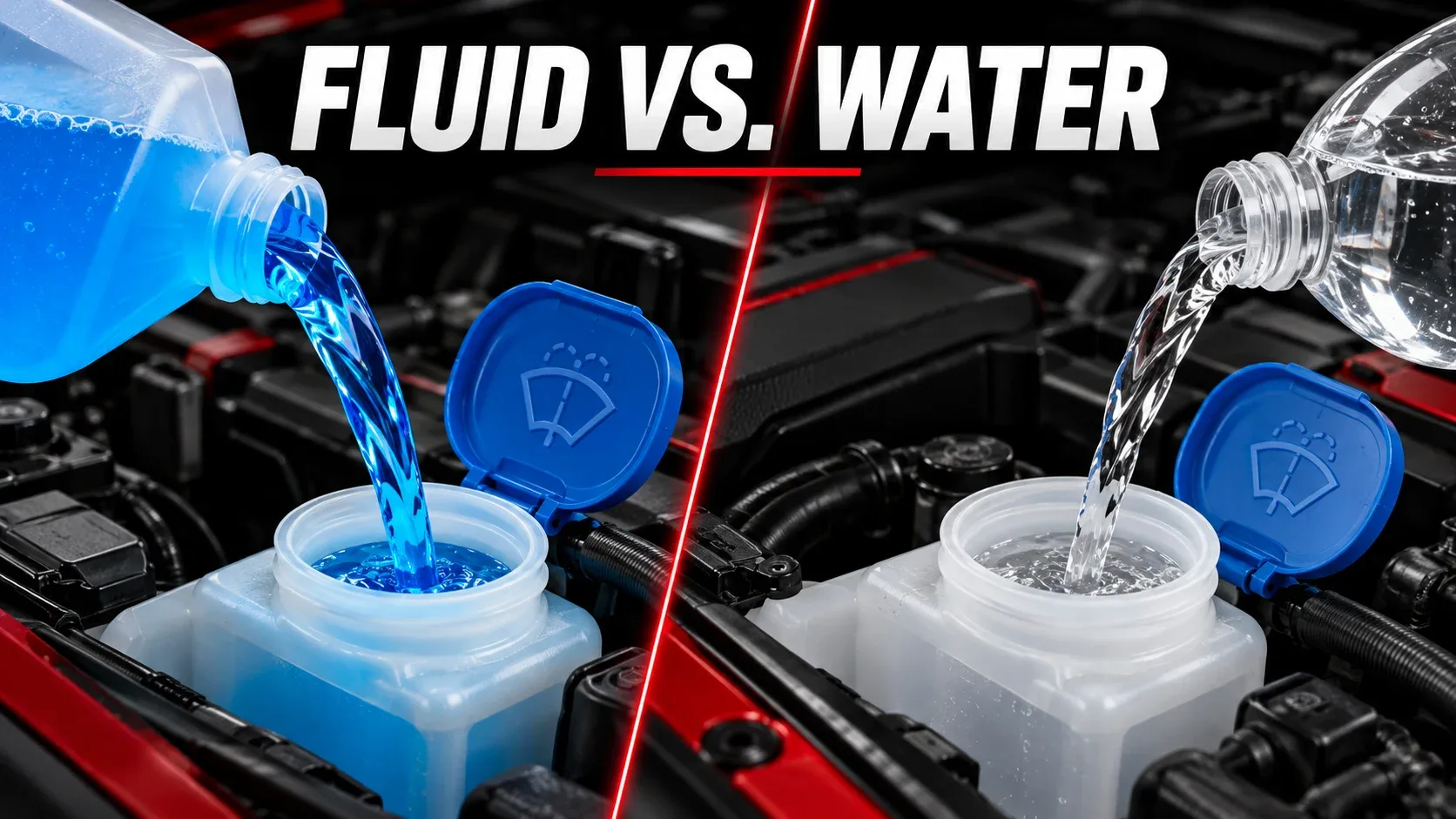
| Feature | Washer Liquid | Plain Water |
|---|---|---|
| Dust removal | Generally effective | Basic rinsing |
| Bug residue | Cleaning additives can help | Usually less effective |
| Freeze resistance | Available in rated blends | No protection |
| Mineral buildup | Depends on formulation | Hard water may leave deposits |
Water might serve as a short-term emergency measure in suitable above-freezing conditions if the vehicle maker permits it. For normal maintenance, use the correct washer fluid. Avoid dish soap, household detergent, and engine antifreeze in the washer reservoir.
Common Windshield Washer Liquid Problems and Solutions
If liquid isn’t reaching the windshield, an empty reservoir is only one possible cause. Blocked nozzles, damaged hoses, a faulty pump, electrical problems, or freezing can also prevent normal operation.
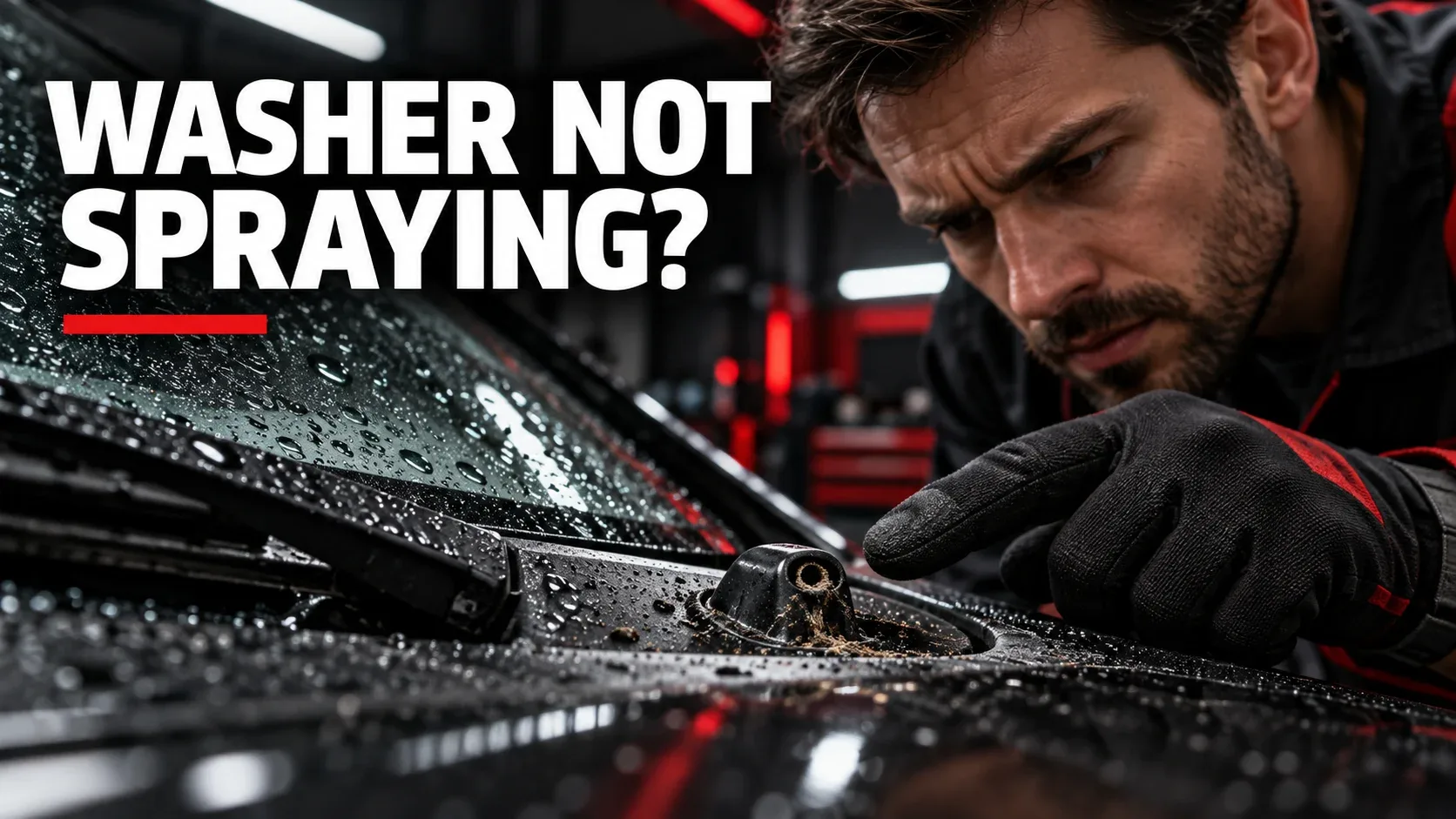
| Problem | Possible Cause | What to Check |
|---|---|---|
| No spray | Empty reservoir | Check and refill |
| Pump runs, no spray | Clog, leak, or ice | Inspect nozzles, visible lines, and temperature |
| Silent pump | Pump or electrical fault | Consult manual or technician |
| Weak spray | Low level or partial obstruction | Check reservoir and nozzle outlets |
| Frozen fluid | Wrong seasonal formula | Allow safe thawing and use correctly rated fluid |
| Streaks | Dirty windshield or worn blades | Clean glass and inspect wipers |
Why Is My Washer Liquid Not Spraying?
Check the fluid level first. If it is adequate, briefly activate the control and listen for the pump. A pump that can be heard may indicate an obstruction or leak elsewhere, but that alone is not a diagnosis. A silent pump may need electrical testing.
How to Deal With a Blocked Nozzle
Inspect the outside of the nozzle for visible dirt and gently clean the surrounding surface. Follow the vehicle manufacturer’s cleaning guidance; avoid forcing metal pins into tiny openings, which may damage or misalign them.
What If Washer Fluid Freezes?
Stop trying to run the pump repeatedly. Allow the vehicle to thaw safely in an above-freezing setting. Once the system is working, assess its fluid mixture and replace it with winter-appropriate product according to instructions. Do not pour boiling water on the windshield or washer components.
How to Maintain Your Windshield Washer System
Preventive checks can keep your windshield cleaning system ready for unexpected dust, spray, road salt, and insects.
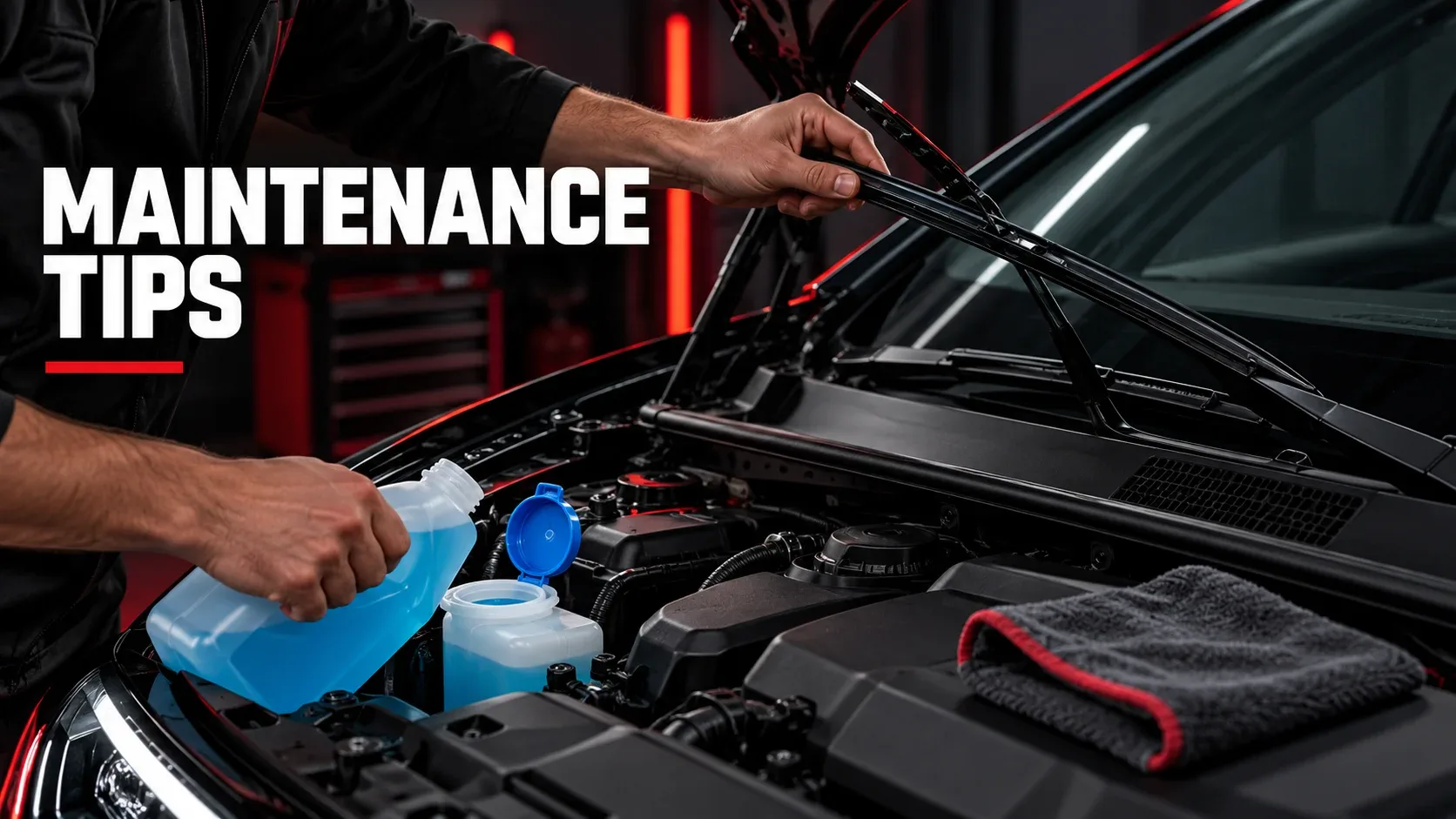
Maintenance Checklist
- Check fluid levels during regular vehicle inspections.
- Keep the reservoir cap closed and clean.
- Check winter fluid freeze protection before cold weather arrives.
- Inspect visible washer lines for leaks or looseness.
- Keep the nozzle surfaces clean.
- Clean windshield glass and examine wiper blades for wear.
- Avoid prolonged use of the pump when fluid is empty or frozen.
There is no universal refill schedule. Driving in salty, dusty, muddy, or bug-heavy conditions may require more frequent checks.
How Much Does Windshield Washer Liquid Cost?
Washer fluid is generally an inexpensive maintenance purchase, but prices vary with location, retailer, container size, cleaning additives, and freeze rating. A basic ready-to-use formula may cost less than a specialty winter or bug-removing product.
For an accurate comparison, calculate the cost per gallon or liter of usable fluid. Concentrates may offer value, but only after accounting for the mixing ratio required by the manufacturer.
Buying Checklist
- Correct freeze rating for expected weather
- Product suitability for the vehicle
- Ready-to-use fluid versus concentrate
- Container quantity and unit price
- Warnings, storage, and handling instructions
Important Safety Precautions When Using Washer Liquid
Some washer fluid products contain toxic or flammable ingredients. Even though topping up is routine maintenance, treat the fluid as a chemical product and follow its label.
Washer Fluid Safety Rules
- Keep containers away from children and pets.
- Never swallow fluid or transfer it to a drink bottle.
- Avoid contact with eyes and prolonged contact with skin.
- Keep flammable products away from sparks or flames.
- Store in the original, labeled container.
- Follow local rules and product instructions for disposal.
If fluid is swallowed, seek immediate medical or poison-control advice. Do not induce vomiting unless directed by a qualified professional.
Frequently Asked Questions About Washer Liquid
These answers cover common fluid, refilling, and troubleshooting questions.
Is washer liquid the same as windshield washer fluid?
Yes. In automotive use, the terms generally mean the liquid in the windshield washer reservoir. In some regions it is also called windscreen wash or screenwash.
Can I drive with an empty washer liquid reservoir?
The vehicle might still operate, but driving with an obstructed windshield and no washer function can be unsafe. Washer-system legal requirements vary by area. Refill promptly and keep your view clear.
How often should I refill windshield washer fluid?
It depends on how often you use the washers. Inspect the level during routine maintenance and before long journeys, especially during winter or dirty road conditions.
Can I mix different washer liquid types?
Not always. Read the labels and manufacturer instructions for compatibility. Mixing products can change cleaning performance and reduce freeze protection.
Does washer liquid expire?
Shelf life depends on the formula and storage conditions. Check the container for date and storage instructions, especially if it has been opened for a long time.
Can I use tap water instead?
Plain water may be a temporary emergency option in suitable above-freezing conditions if allowed by the vehicle maker, but washer fluid is generally better for regular use. Hard water may leave mineral deposits.
Why does my washer liquid smell unusual?
The smell may come from the fluid’s ingredients or from contamination. If it changes noticeably, inspect the product and reservoir; use manufacturer guidance before cleaning or replacing it.
What should I do if the fluid freezes?
Avoid repeatedly operating the pump. Let the system thaw safely, check for damage, and use the correct winter formula for future cold weather.
Final Thoughts: Choosing and Using Washer Liquid Correctly
Washer liquid may be inexpensive, but it contributes to clear windshield visibility. Selecting the appropriate type, filling the correct reservoir, and keeping the nozzles and wipers in good condition can prevent frustrating washer-system problems.
Key Takeaway
Choose windshield washer fluid suited to your vehicle and climate, monitor the level regularly, and address spray problems early. Never confuse washer liquid with coolant, brake fluid, or other vehicle fluids.