
If a “TC” light just appeared on your dashboard, don’t panic. Here’s exactly what it means and whether your car is safe to drive.
Quick Answer
TC stands for Traction Control. Your TC light means your car’s system is actively working to prevent your tires from slipping — or that the system has been turned off. In most cases, your car is perfectly safe to drive.
Flashing vs. Solid TC Light: What’s the Difference?
The most confusing part about the TC light is that it behaves differently depending on what’s happening. Here’s the simple breakdown:
⚡Flashing TC Light
This is completely normal. It means traction control is actively doing its job — preventing your wheels from spinning on a slippery surface. You’ll often see this in rain, snow, or when accelerating on gravel. No action needed.
🔶 Solid TC Light (Stays On)
This usually means the traction control system has been turned OFF — either you pressed a button accidentally, or there’s a sensor issue. Check for the TC button first (see below). If you didn’t press it, a mechanic can read the error code.
Bottom line: A flashing light = system working normally. A solid light = system is off or needs attention.
Did You Accidentally Hit the TC Button?
This is the #1 reason people see a solid TC light — and the easiest fix. Most cars have a small button labeled “TC,” “TCS,” or showing a car icon with squiggly lines. It’s usually located on the center console, near the gear shift, or on the steering column.
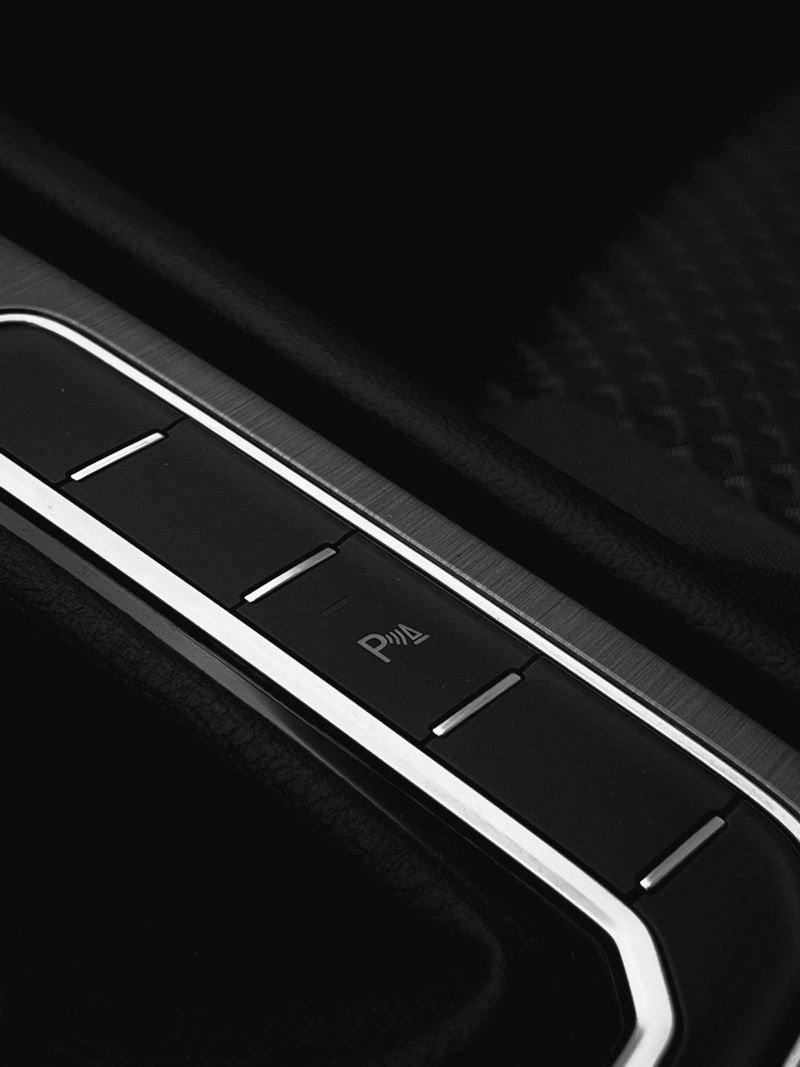
Many drivers accidentally bump this button with their knee, a bag, or while adjusting the radio. If your TC light turned on suddenly while parked or at low speed, this is almost certainly what happened.
✅ The Fix: Simply press the TC button once. The light should turn off within a second, meaning traction control is back on. That’s it — free fix, no mechanic needed.
How Traction Control Actually Works (Simple Explanation)

Your car has sensors on each wheel that measure how fast they’re spinning. If one wheel suddenly spins much faster than the others (meaning it has lost grip), the traction control system kicks in automatically.
The system gently applies the brake to just that one spinning wheel and may slightly reduce engine power. This helps the tire “catch its footing” and regain traction instead of continuing to spin uselessly.
🧊 Think of it like this: Imagine walking on an icy sidewalk. If your foot starts to slip, you instinctively slow down and shift your weight to the foot that has grip. Traction control does the same thing for your car — automatically and in milliseconds.
When Should You Actually Worry?
In most cases the TC light is not an emergency. However, visit a mechanic if you notice any of the following:
- The TC light stays on AND you also see the ABS or Check Engine light illuminated at the same time
- The light stays solid even after pressing the TC button, and doesn’t go away after restarting the car
- You feel the car handling strangely — pulling to one side, vibrating, or the brakes feel spongy
A persistent light with no button-press fix usually means a wheel speed sensor has failed. This is typically a straightforward and affordable repair (not a transmission or engine issue). Your car is still drivable, but you won’t have traction control protection in slippery conditions.
Frequently Asked Questions
Is it safe to drive with the TC light on?
Yes, in most cases. Your car will drive normally — you just won’t have the extra traction control safety net on slippery roads. Avoid aggressive driving in rain or snow until it’s resolved.
Does TC mean my transmission is broken?
No. TC stands for Traction Control, not Transmission Control. It has nothing to do with your transmission. This is one of the most common misconceptions — your transmission is fine.
Why does my TC light flash only in rain or snow?
Because it’s working! The system detects wheel slip on wet or icy roads and activates to keep you safe. The flashing means it’s doing its job perfectly. No repair needed.
How much does it cost to fix a TC light that won’t turn off?
If it’s a faulty wheel speed sensor (the most common cause), expect roughly $100–$250