
If you have gasoline sitting in a fuel can, lawn mower, generator, motorcycle, boat, or stored vehicle, you may be wondering how to dispose of old gas without creating a fire hazard or harming the environment. Gasoline should not simply be poured onto the ground, placed down a drain, burned, or left outside to evaporate.
The safest approach is usually to keep unwanted gasoline in a suitable, tightly sealed fuel container and take it to an authorized household hazardous waste facility, fuel-recycling program, or another location approved by your local waste authority. Exact disposal and transportation requirements vary by location, so always verify local rules before transporting the fuel.
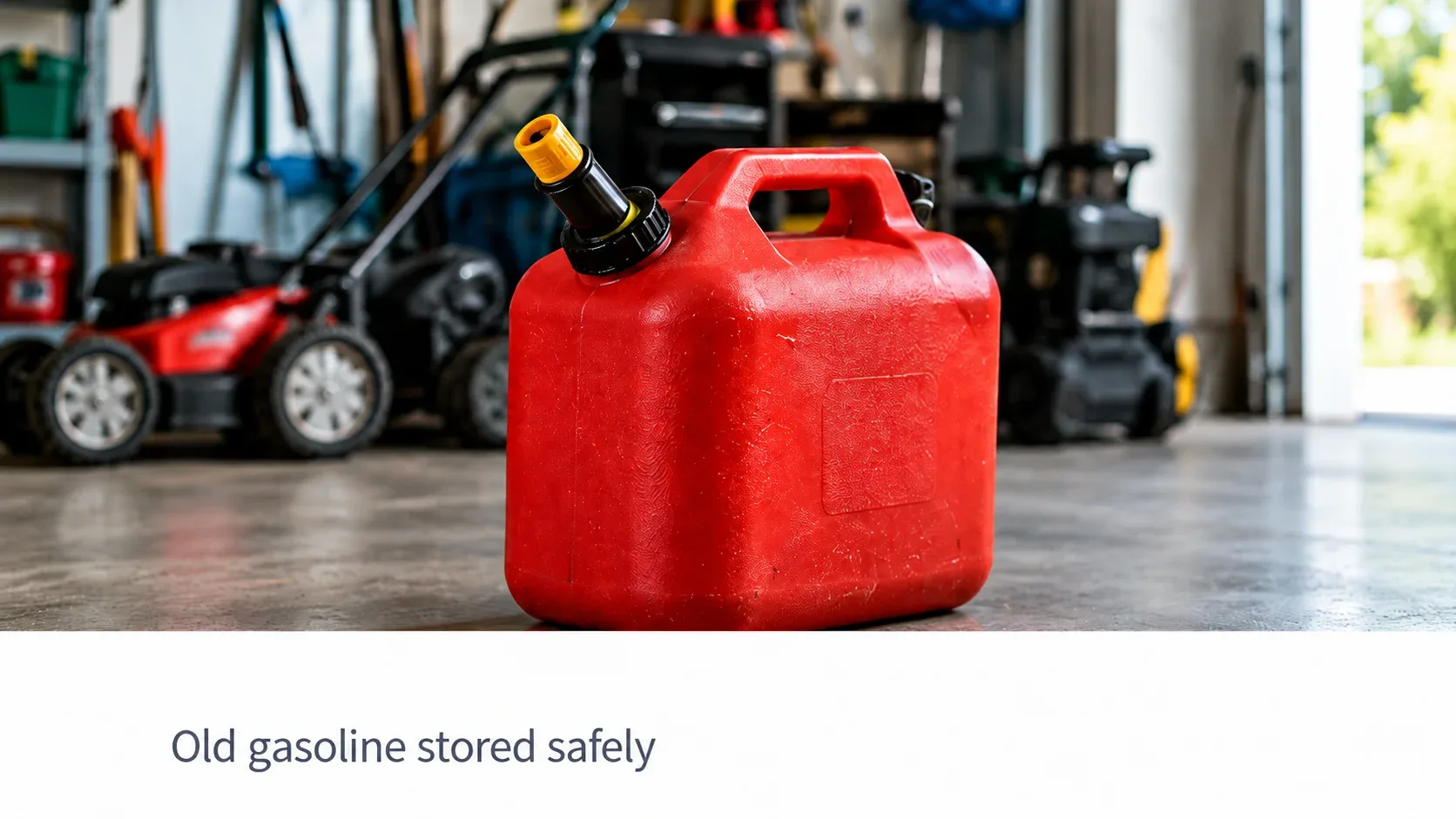
Does Your Old Gasoline Actually Need to Be Disposed Of?
Before deciding how to get rid of old gasoline, consider why the fuel is no longer wanted. Gasoline changes during storage, and its condition can be affected by time, heat, air exposure, moisture, dirt, and other contamination.
Old fuel is commonly discovered in lawn mowers after winter, generators that have not been used recently, motorcycles in seasonal storage, boats, portable gasoline cans, and project cars that have been sitting for long periods.
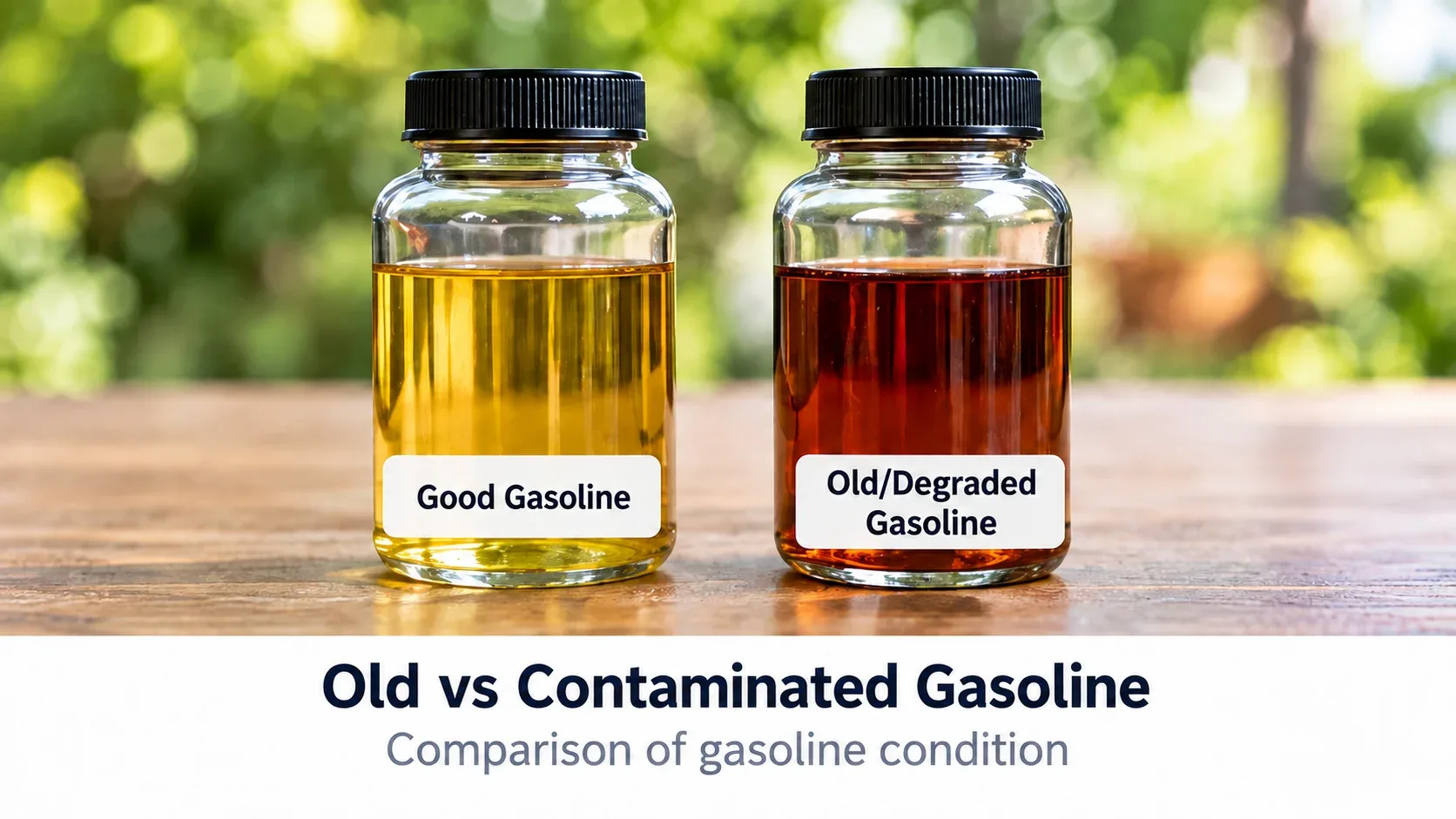
| Fuel Condition | What You May Notice | Recommended Next Step |
|---|---|---|
| Older but apparently clean | No visible water, dirt, rust, or other fluids | Check manufacturer guidance before deciding whether it can still be used. |
| Degraded gasoline | Changes in appearance, odor, or equipment performance | Consider approved disposal instead of risking fuel-system problems. |
| Water-contaminated gasoline | Visible separation or suspected moisture contamination | Tell the disposal facility that the gasoline may contain water. |
| Mixed or contaminated fuel | Oil, diesel, rust, dirt, or another substance is present | Contact the facility and explain exactly what the container may contain. |
How to Dispose of Old Gas Safely
The process is usually straightforward, but safe disposal depends on keeping the gasoline contained and following the requirements of your local waste authority.
Keep the Gasoline Contained
Store it in a suitable fuel container with a secure cap. Do not intentionally leave gasoline exposed to the air to make it evaporate.
Identify What Is in the Container
Determine whether it contains gasoline only or gasoline mixed with water, oil, diesel, or another substance.
Find an Approved Facility
Look for a household hazardous waste facility, municipal collection program, or another authorized fuel-disposal service.
Verify Before Traveling
Confirm accepted materials, hours, quantity limits, appointment requirements, and acceptable container types before leaving home.
Where to Dispose of Old Gasoline
If you are searching for where to dispose of old gasoline, start with your local government, environmental department, or household hazardous waste program. Disposal systems differ between locations.
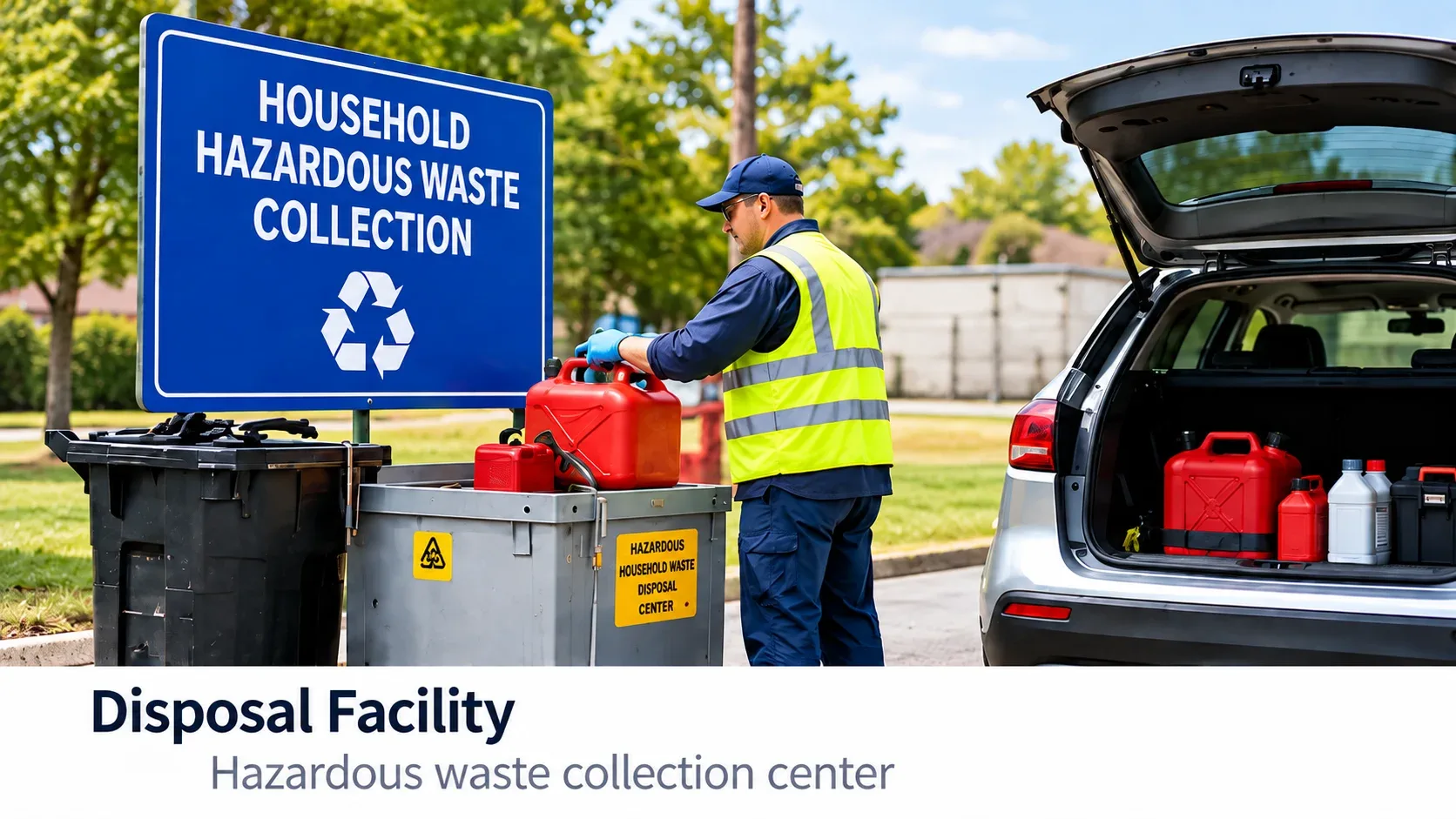
Possible disposal options include:
- Household hazardous waste collection facilities
- Municipal hazardous-waste programs
- County or regional environmental collection centers
- Scheduled household hazardous-waste collection events
- Authorized fuel-recycling or disposal services
Check Before You Go
A facility that accepts used motor oil, batteries, or paint may not automatically accept gasoline. Confirm that gasoline is accepted and ask about quantity, container, residency, and appointment requirements.
How to Find a Local Gasoline Disposal Facility
Search your city, county, municipality, or environmental agency website for phrases such as household hazardous waste, gasoline disposal, fuel disposal, or hazardous waste collection.
Some areas operate permanent collection facilities, while others organize hazardous-waste events on selected dates. Always use current information from the authority responsible for waste disposal in your area.
Disposal Rules Vary by Location
Requirements for how to dispose of gasoline can differ between countries, states, provinces, counties, and municipalities. Local instructions should take priority over generalized advice.
How to Store Old Gas Before Disposal
You may need to keep unwanted fuel temporarily while arranging disposal. During that time, focus on preventing leaks, vapor release, accidental ignition, and unauthorized access.
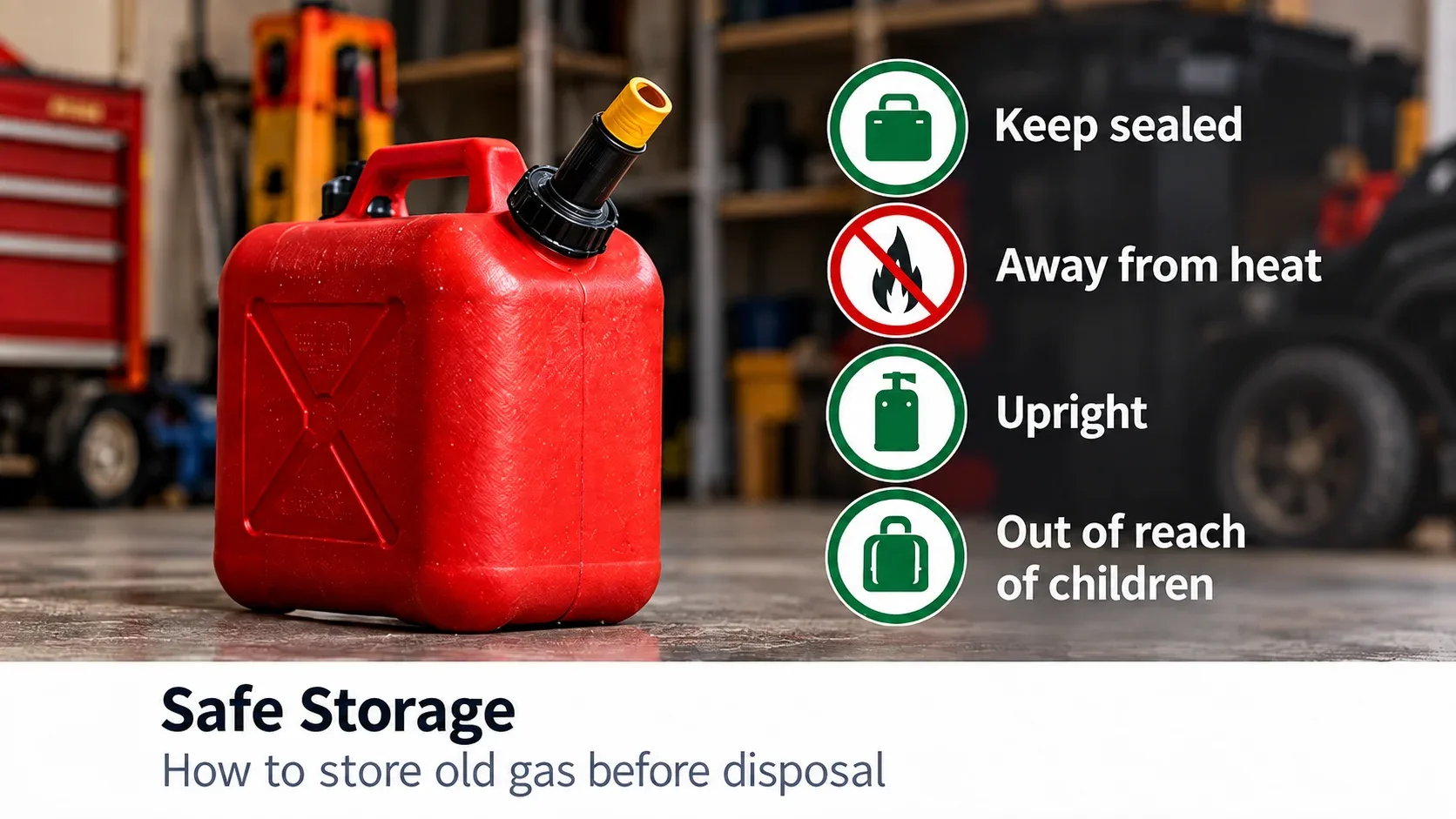
- Use a container designed and approved for fuel storage.
- Make sure the cap is securely closed.
- Keep the container upright.
- Keep fuel away from flames, cigarettes, heaters, sparks, and hot equipment.
- Protect the container from physical damage.
- Keep gasoline away from children and pets.
- Never use beverage bottles or food containers to store gasoline.
How to Transport Old Gasoline for Disposal
Transporting gasoline requires careful preparation. A loose or leaking container can create unnecessary fire, vapor, and spill risks.
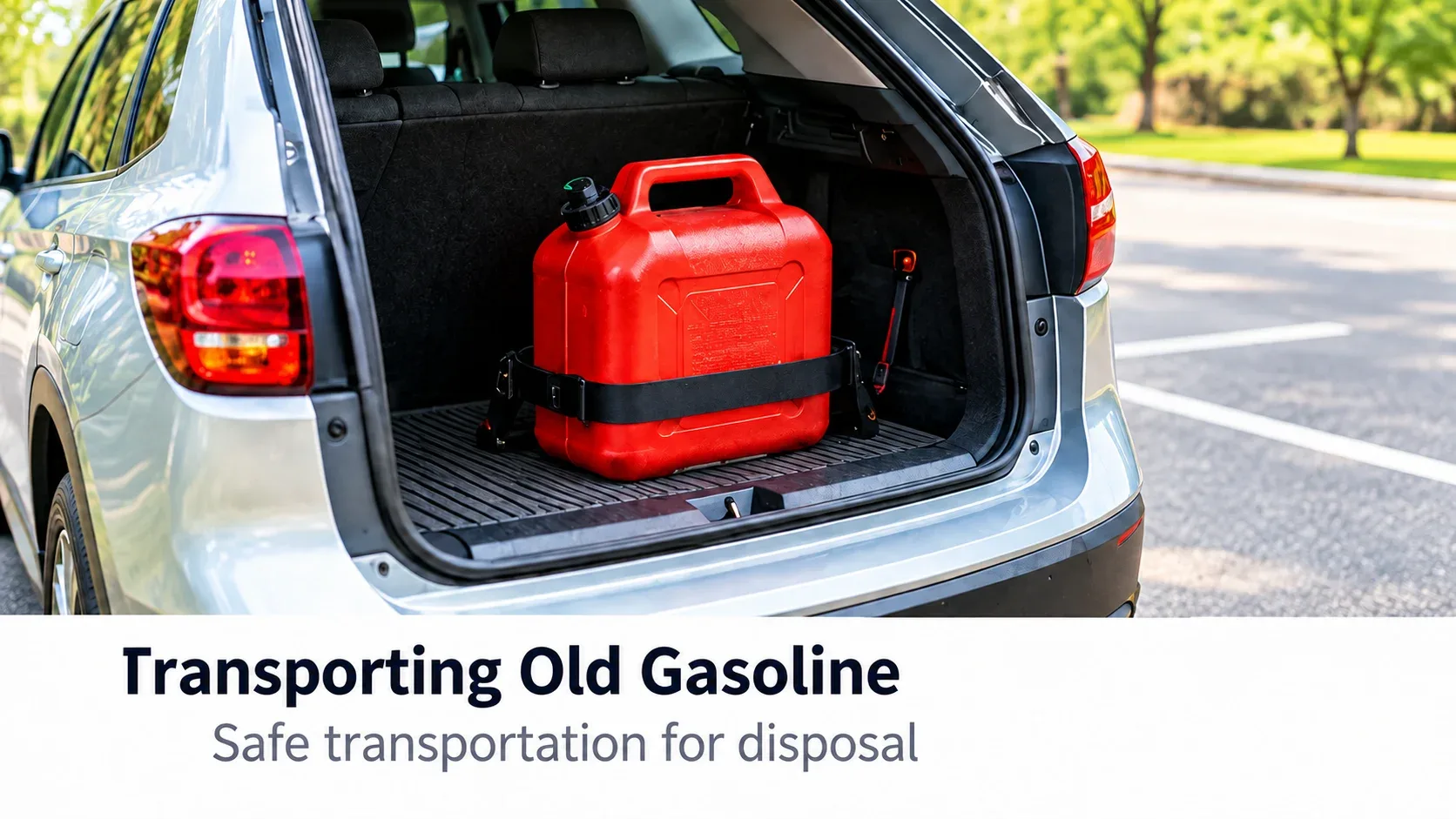
- Confirm that the disposal facility is open and accepts gasoline.
- Use an appropriate tightly closed fuel container.
- Keep the container upright.
- Secure it so it cannot slide, fall, or tip over.
- Keep gasoline away from ignition sources.
- Follow local quantity and transportation rules.
- Avoid leaving unwanted fuel inside a vehicle longer than necessary.
Never Use an Open Container
An open fuel container can release gasoline vapors and may spill during braking, turning, or an accident. Keep the gasoline properly sealed during transportation.
What You Should Never Do With Old Gasoline
Understanding what not to do is an important part of learning how to dispose of old gasoline. Improper disposal can create fire hazards and contaminate soil, drains, groundwater, and waterways.
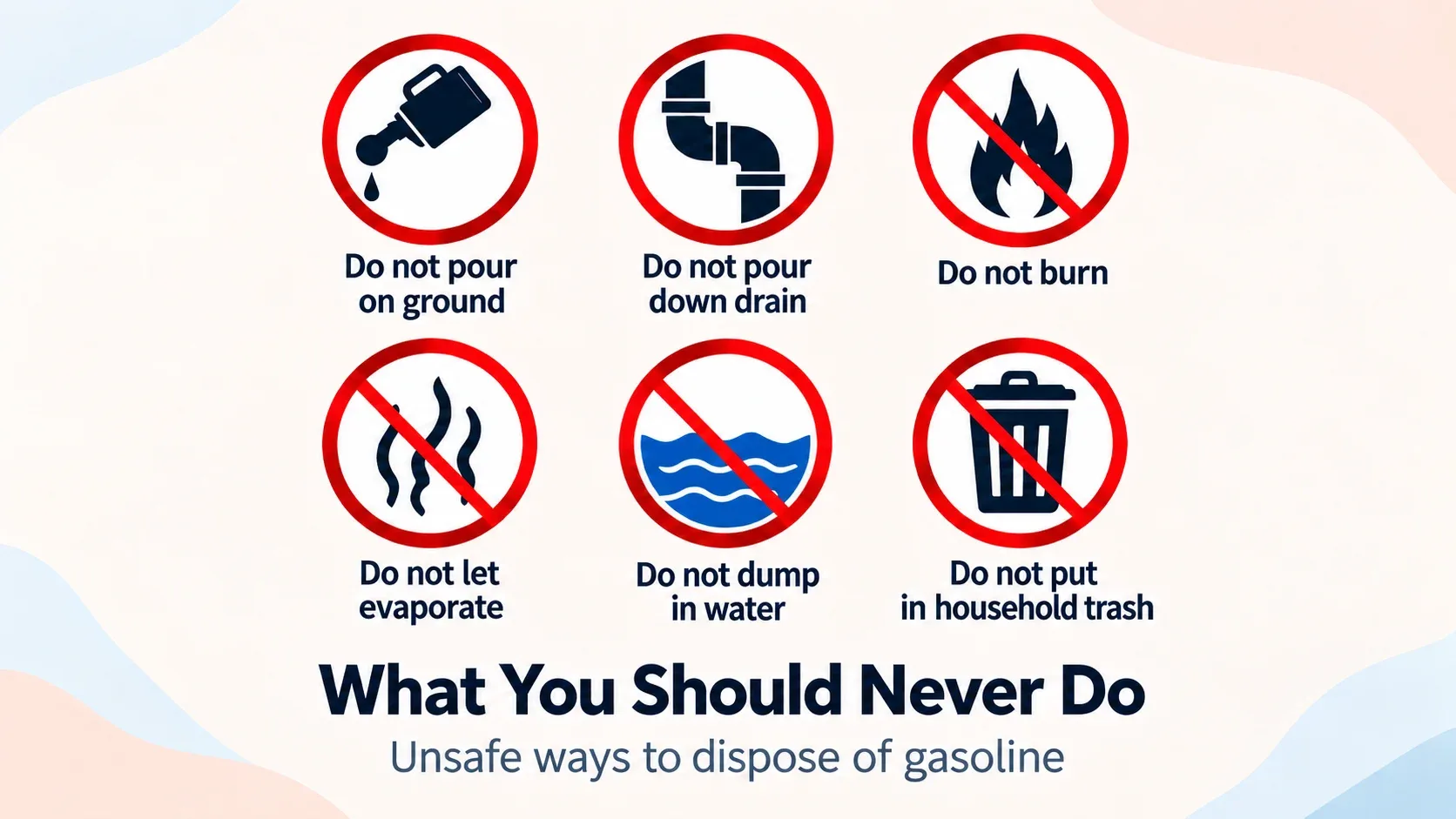
Do Not:
- Pour gasoline onto soil, gravel, or pavement.
- Pour gasoline into a sink, toilet, floor drain, gutter, or storm drain.
- Dump gasoline into rivers, lakes, ponds, or other waterways.
- Burn gasoline as a disposal method.
- Leave gasoline outside in an open container to evaporate.
- Mix gasoline with unrelated waste to make disposal easier.
- Place liquid gasoline in ordinary household trash unless your local authority specifically provides an approved method.
What If the Old Gasoline Is Contaminated?
Gasoline contaminated with water, engine oil, diesel, rust, dirt, or another substance may require different handling than gasoline that has simply aged.
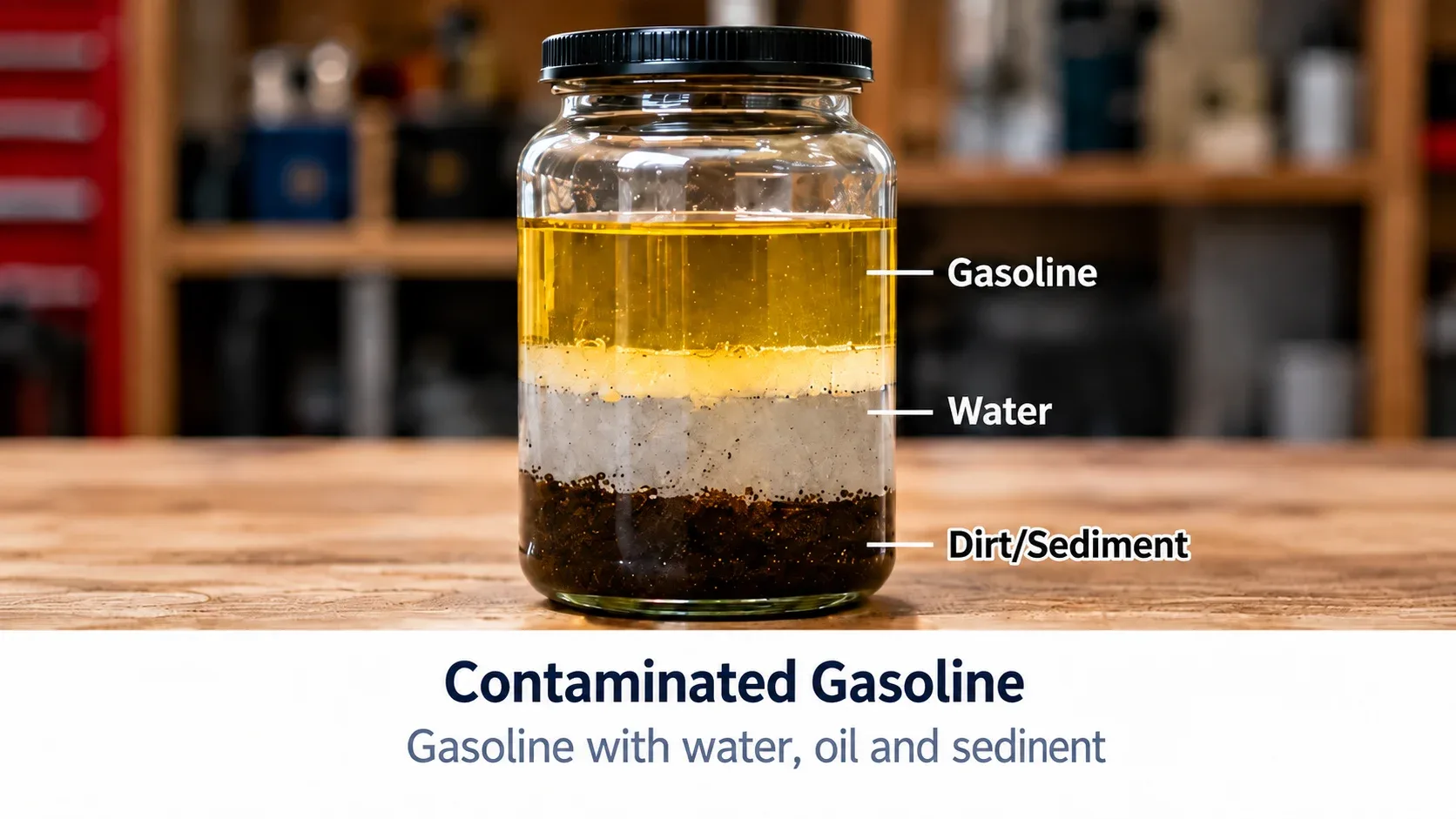
When contacting a disposal facility, explain what you know about the contents. Accurate information helps staff determine whether they can accept the mixture and how it needs to be managed.
Describe the Fuel Accurately
If gasoline has been mixed with two-stroke oil, diesel, water, or another substance, mention that when arranging disposal rather than describing it only as old gasoline.
What Should You Do If Gasoline Spills?
Gasoline spills require caution because both the liquid and its vapors are flammable. Keep cigarettes, flames, sparks, electrical ignition sources, and hot equipment away from the affected area.
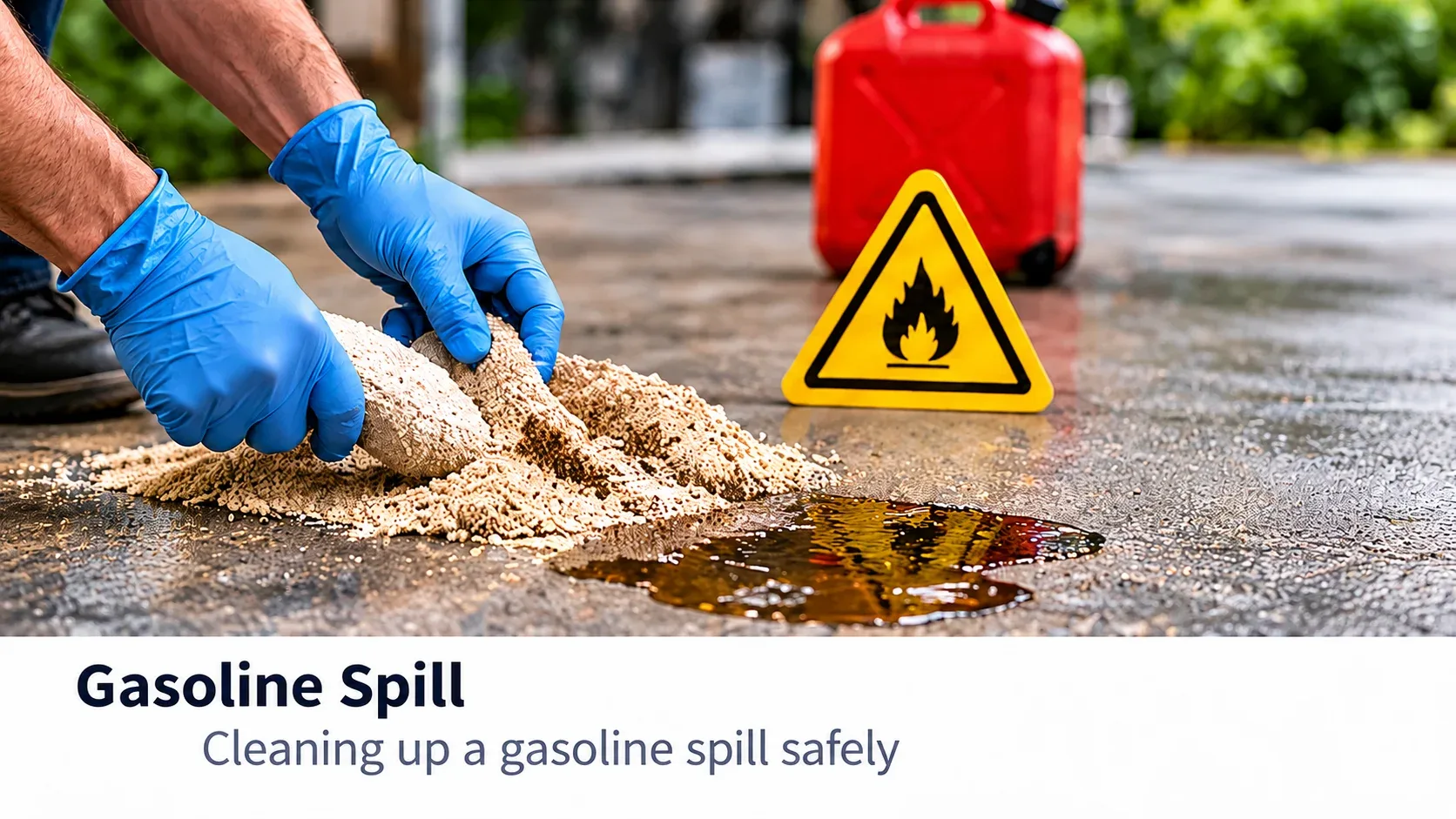
Follow guidance from your local fire department, environmental authority, or hazardous-materials program for cleanup and disposal. Larger spills, strong vapor buildup, gasoline entering drains, or situations that cannot be controlled safely may require professional or emergency assistance.
Can Old Gasoline Still Be Used?
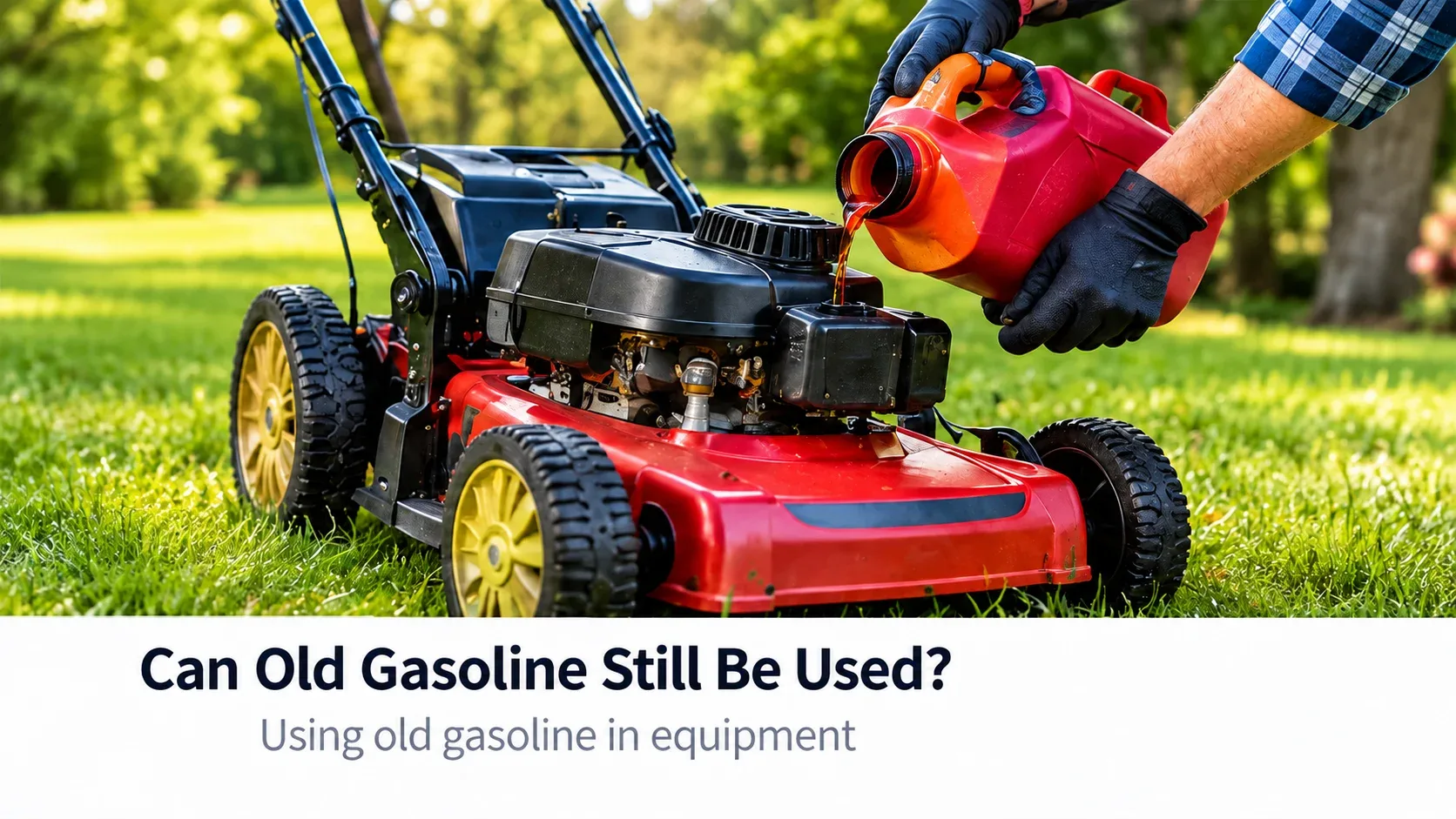
People searching how do I dispose of old gasoline sometimes discover fuel that has only been stored for a period of time and wonder whether disposal is necessary.
The answer depends on fuel condition, storage conditions, contamination, equipment requirements, and manufacturer guidance. There is no universal age at which every batch of gasoline becomes unusable.
Do Not Guess With Questionable Fuel
If gasoline appears contaminated, has been stored poorly, or you are unsure what is in the container, proper disposal may be safer than risking fuel-system problems or unsafe handling.
Why Proper Gasoline Disposal Matters
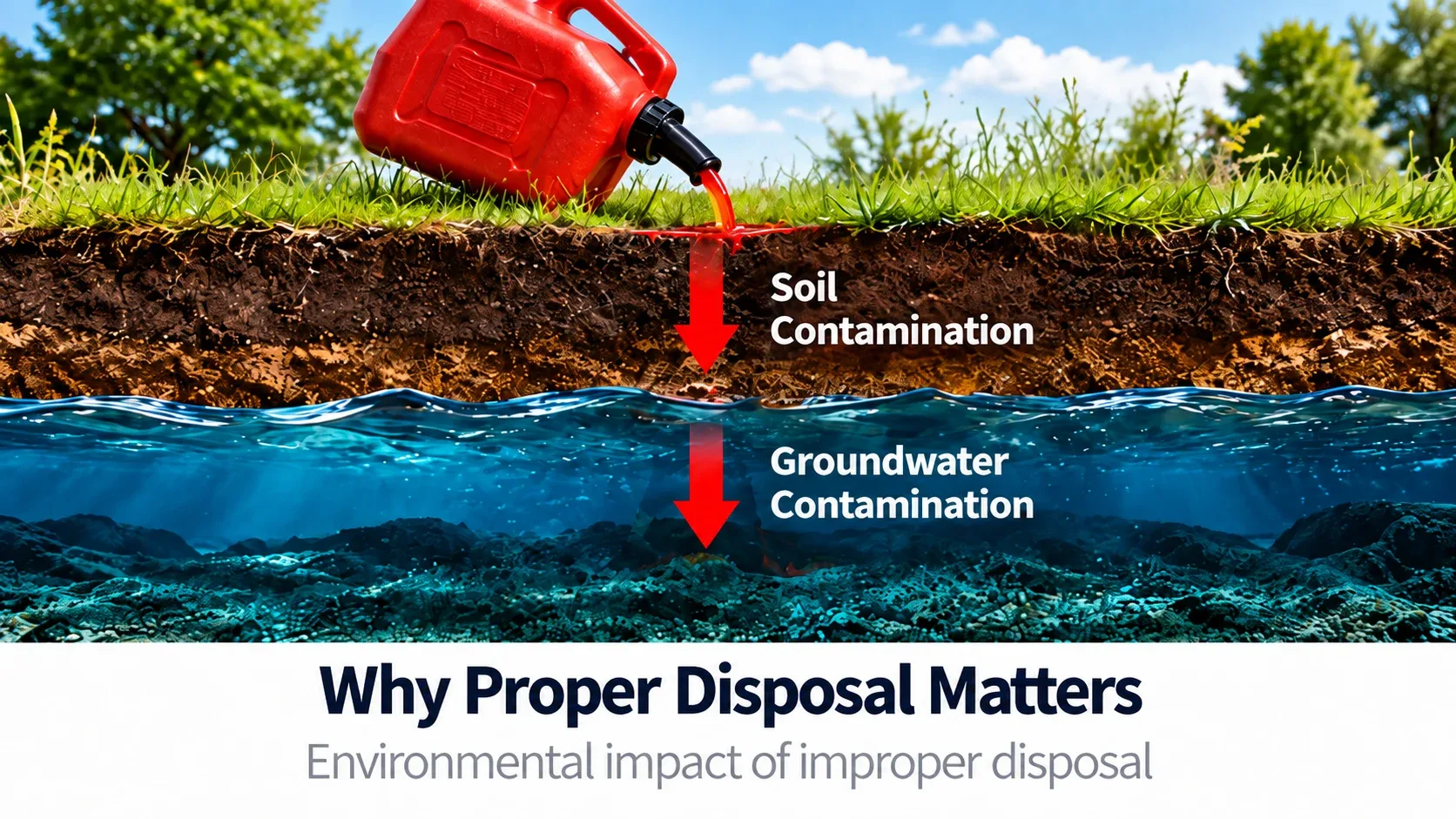
Gasoline requires special handling because it is flammable, produces volatile vapors, and can contaminate the environment if it is released improperly.
Dumping gasoline can introduce petroleum compounds into soil, groundwater, and drainage systems. Improper handling can also create vapor and ignition hazards around garages, homes, vehicles, and waste-handling equipment.
Proper disposal moves unwanted fuel into a controlled waste stream where trained personnel can manage it according to applicable local requirements.
Old Gasoline Disposal Checklist
- Determine whether the gasoline is old, degraded, or contaminated.
- Keep it in a suitable sealed fuel container.
- Keep it away from flames, cigarettes, sparks, and heat sources.
- Find an authorized local hazardous-waste or fuel-disposal program.
- Confirm that the facility accepts gasoline.
- Ask about quantity, residency, and container requirements.
- Secure the container upright for transportation.
- Tell staff about any known contamination or fuel mixture.
- Follow the facility’s disposal instructions.
Frequently Asked Questions About Old Gasoline Disposal
How do I dispose of old gasoline?
Keep it in an appropriate sealed fuel container and contact your local household hazardous waste program or another authorized gasoline-disposal facility.
Where can I dispose of old gasoline?
Household hazardous waste facilities, municipal collection programs, environmental collection centers, and authorized fuel-disposal services are common options. Availability varies by location.
Can I pour old gasoline onto the ground?
No. Gasoline can contaminate soil and groundwater, release flammable vapors, and may violate local environmental regulations.
Can I pour gasoline down a drain?
No. Gasoline should not be poured into household drains, toilets, gutters, storm drains, or sewer systems.
Can I let old gasoline evaporate?
Intentionally leaving gasoline open to evaporate is not an appropriate disposal method because it releases volatile and flammable vapors.
What if old gasoline contains water?
Treat it as contaminated fuel and tell the receiving facility that water may be present before taking it there.
What if gasoline is mixed with oil?
Tell the disposal facility exactly what the mixture contains. Gasoline mixed with two-stroke oil or another petroleum product may require different handling.
How should I transport gasoline for disposal?
Keep the fuel in an appropriate tightly closed container, secure it upright, keep it away from ignition sources, and follow local transportation and disposal-facility requirements.
Final Takeaway
If you need to know how to dispose of old gas, the safest approach is to keep it properly contained and take it to an authorized household hazardous waste, fuel-recycling, or disposal facility.
Never dump gasoline onto the ground, pour it into a drain, burn it, or leave it open to evaporate. Because disposal rules vary by location, verify the requirements of your local waste authority before transporting unwanted fuel.