
A vehicle can have an outstanding safety recall even if it seems to run normally. To perform a free recall check by VIN in the United States, find your vehicle’s identification number, open the official NHTSA recall lookup, enter the VIN, and review any unrepaired safety recalls. This guide shows you exactly what the results mean, what they may leave out, and how to get an affected car repaired.
Quick answer: Free VIN recall check
Locate your VIN → search it on NHTSA → read the results → contact an authorized dealer about any open recall. A result showing no unrepaired recalls does not prove your car has never been recalled.
Check Your VIN on the Official NHTSA WebsiteOfficial government lookup • Free • No vehicle history purchase required • United States
What Is a Vehicle Recall Check by VIN?
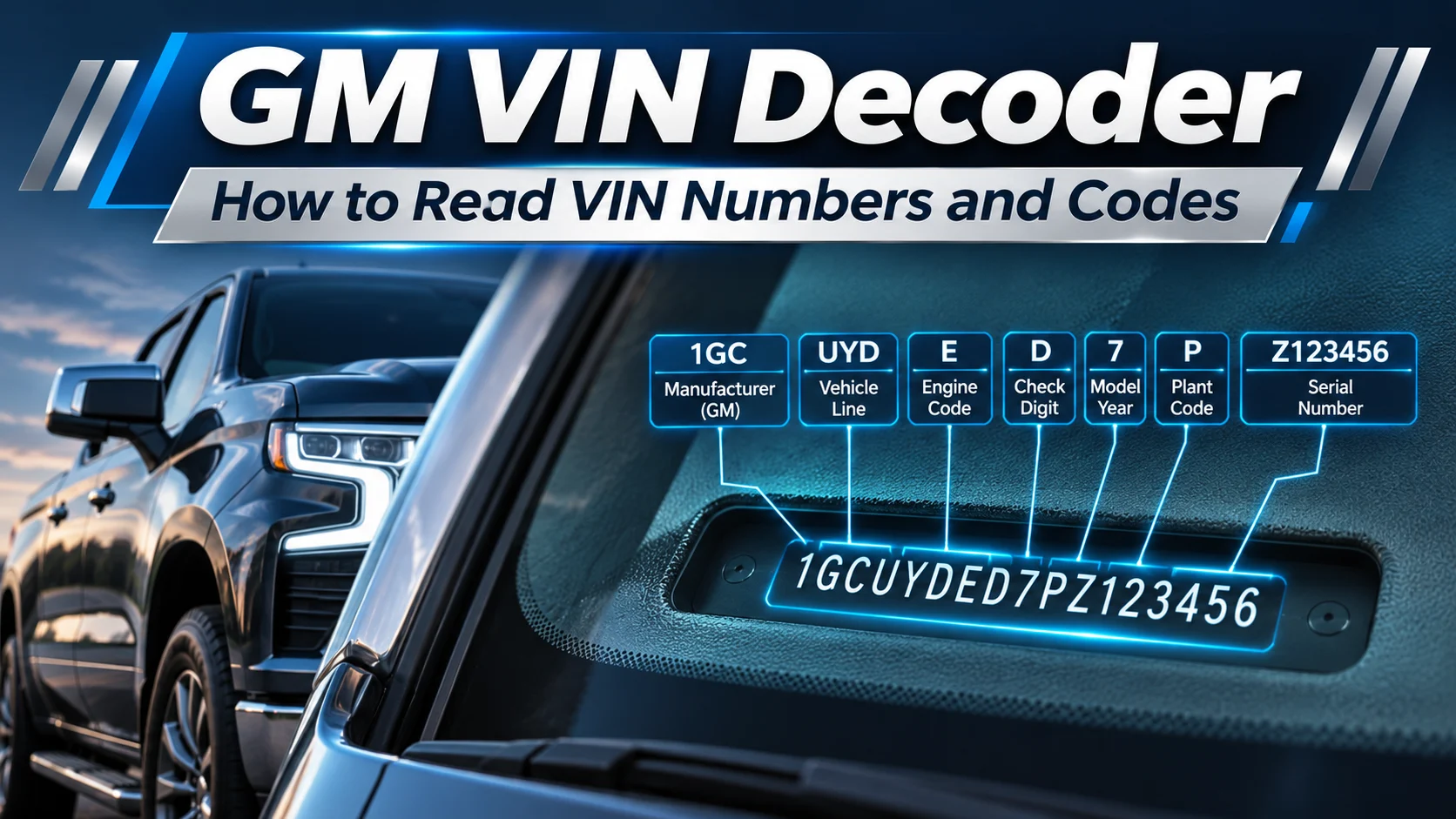
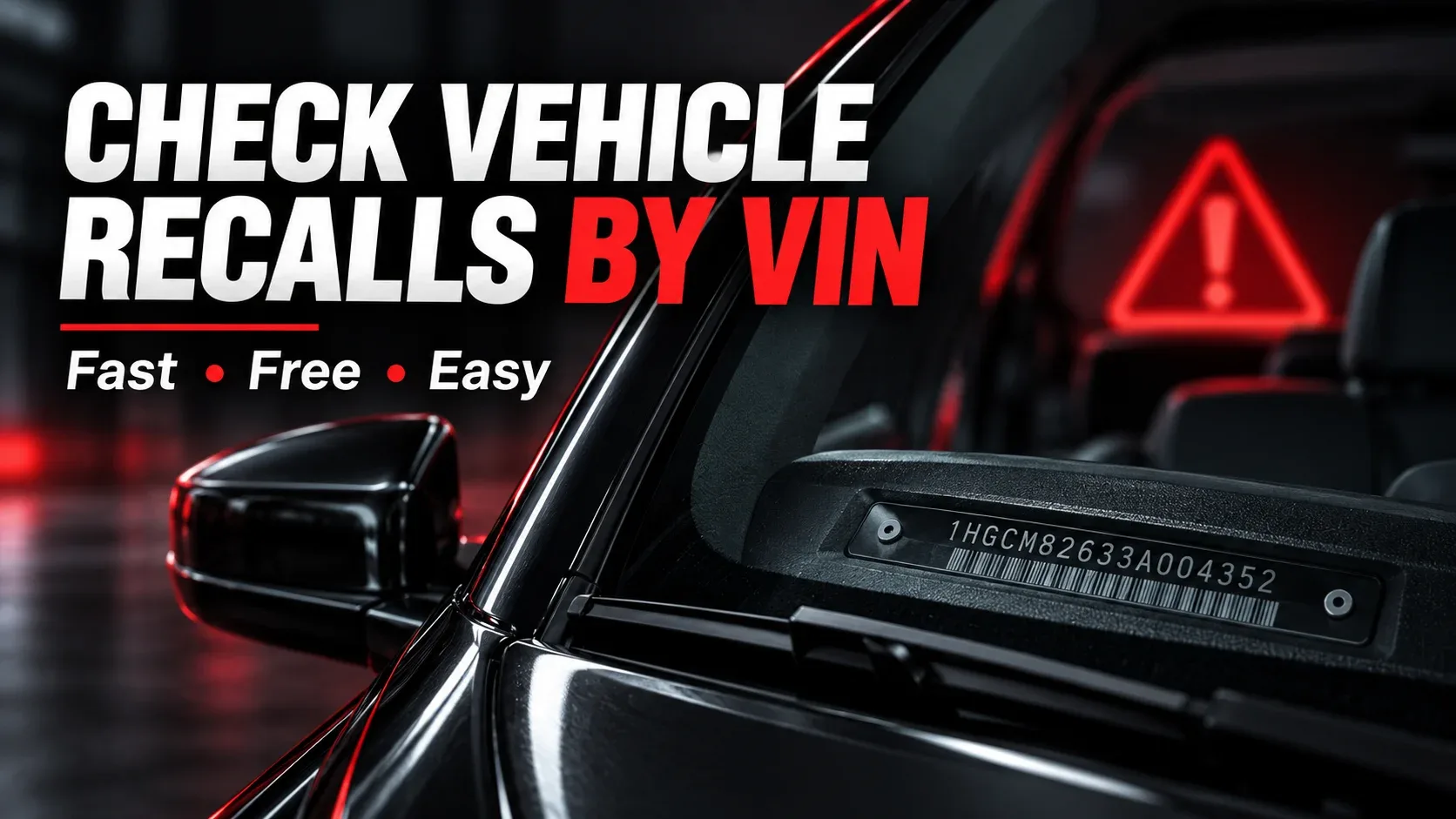
A vehicle recall check looks for outstanding safety recalls associated with a specific car, truck, SUV, or other vehicle. The VIN—short for vehicle identification number—is a unique code that identifies the vehicle, including important manufacturer and production details. Most modern passenger vehicles use a 17-character VIN.
When a manufacturer or NHTSA identifies an unreasonable safety risk or a failure to meet applicable safety standards, a recall may be issued. The problem could involve airbags, seat belts, fuel systems, brakes, electrical components, or another safety-critical part. A VIN recall search helps narrow a broader model-level announcement to the exact vehicle.
A safety recall is not the same as an ordinary repair recommendation or a technical service bulletin (TSB). A TSB may explain how a technician should handle a known issue, but it does not by itself establish that a vehicle is under a safety recall.
Recall Check vs. VIN Decoder, Service Bulletin, and Vehicle History Report
These tools answer different questions. Knowing the difference prevents a false sense of security when you complete a vehicle recall search.
Looks for recall campaigns that require a remedy for your specific vehicle. It is not an all-purpose inspection.
Identifies basic details such as manufacturer, model and model year; it does not establish recall completion.
Provides manufacturer repair guidance about a known condition. A TSB is not automatically a safety recall.
May summarize title or accident-related records. Coverage varies and should not replace the official recall search.
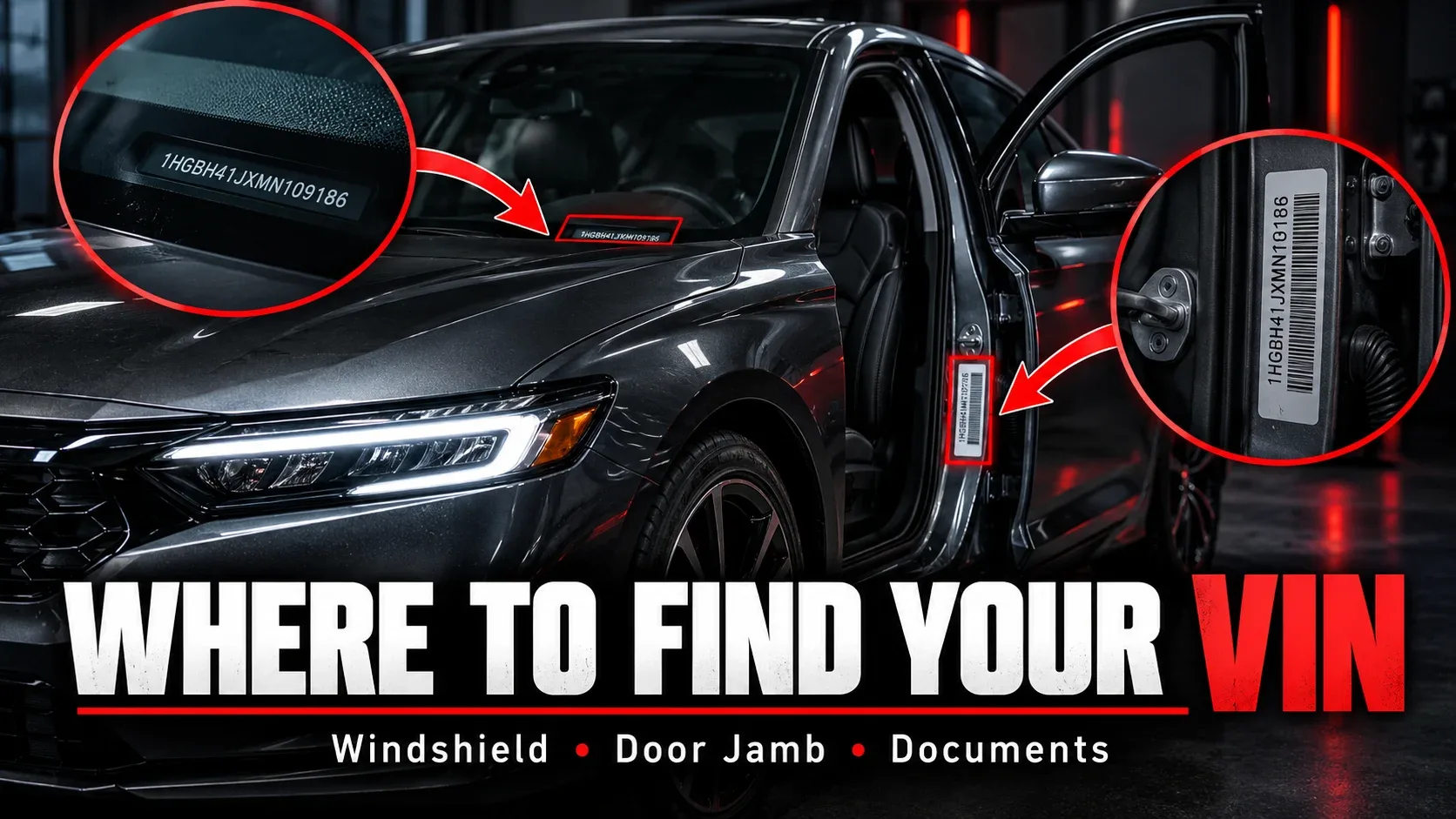
Where to Find Your Vehicle Identification Number (VIN)
Before you check a VIN for recalls, write down the full number carefully. Common locations include:
- Windshield: Look through the lower driver’s-side corner from outside the vehicle.
- Driver’s doorjamb: Open the driver’s door and inspect the identification label on the frame or pillar.
- Registration: Your vehicle registration paperwork normally displays the VIN.
- Insurance documents: Your insurance card or policy details may also include it.
Double-check each character before searching. A mistyped VIN can produce an invalid result or return information that does not match your car. Older and specialty vehicles may use different numbering formats, so ask the manufacturer if your VIN is not accepted.
How to Check Vehicle Recalls by VIN for Free: 5 Steps
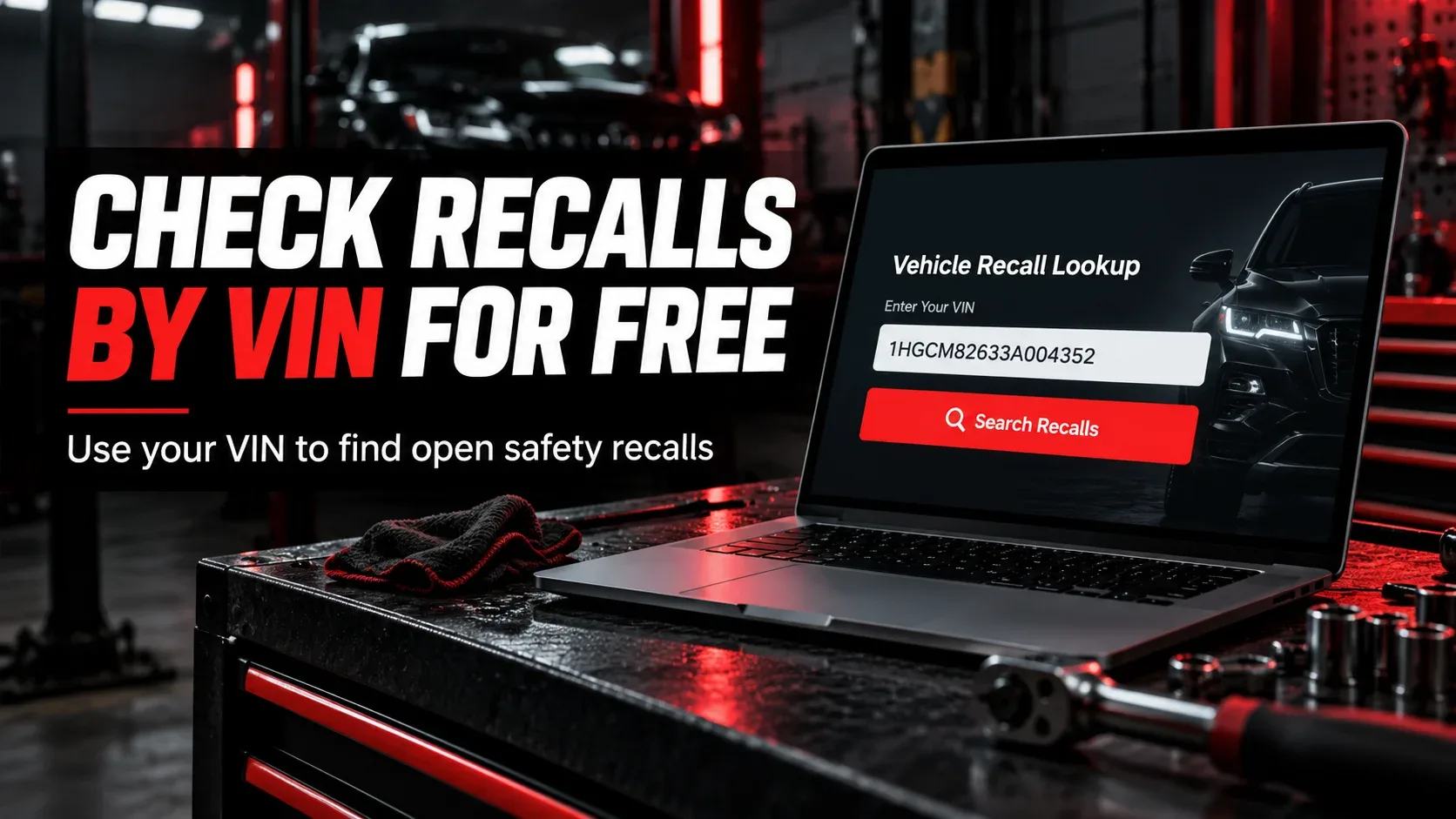
A free recall check by VIN takes only a few simple steps. NHTSA provides an official search tool that checks manufacturer-submitted recall information. This is the recommended starting point for an auto recall check in the United States.
Searching by VIN is more specific than searching by make and model alone. The latter can show recalls announced for a model line even when not every individual vehicle is included. If you need to check for recalls by VIN, use the exact identifier rather than relying solely on a general recall headline.
How to Understand Your VIN Recall Check Results
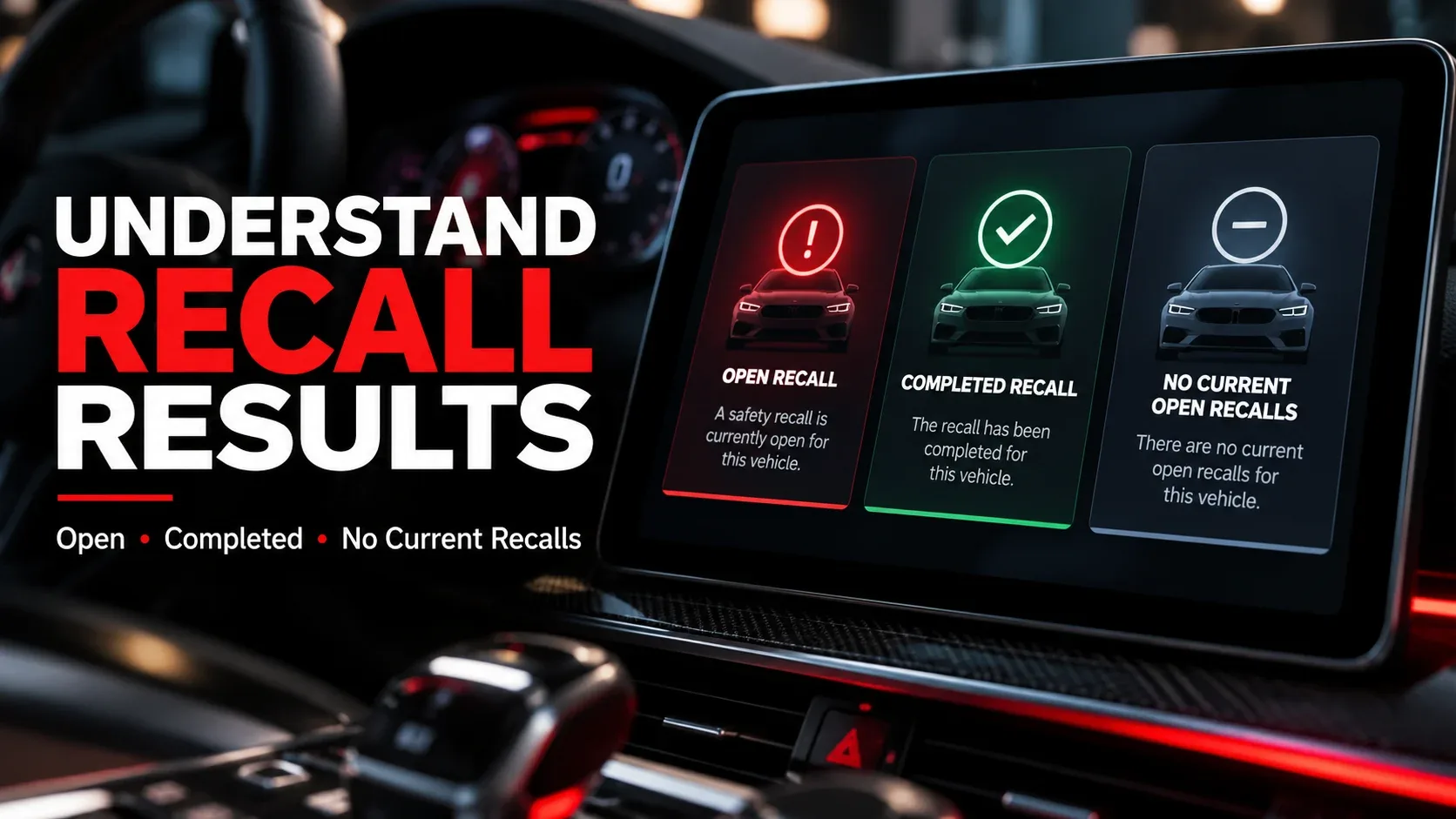
A recall VIN check is most useful when you know what the result does—and does not—confirm. NHTSA’s VIN lookup primarily identifies unrepaired safety recalls for the vehicle searched.
| Possible result | What it means | Your next step |
|---|---|---|
| Unrepaired recall listed | A reported safety recall still needs attention. | Follow warnings and contact an authorized dealer. |
| 0 unrepaired recalls | The lookup does not currently display an unrepaired recall for that VIN. | Check again periodically; ask the manufacturer about uncertainty. |
| Invalid VIN / no match | The number may be mistyped, unsupported, or otherwise not recognized. | Verify the number and contact the manufacturer if necessary. |
If you heard about a possible recall by VIN number but cannot find it, verify the news with the automaker and look for updated information. A general vehicle recall search by year, make, and model can help you investigate announcements, but the manufacturer should confirm whether your individual vehicle is included.
Why a Recall Might Not Appear in Your VIN Search
If you saw a recall announcement online but your recall VIN check returns no match, don’t assume the announcement is false. Affected production ranges can be narrow and manufacturer records may still be updated.
- Recall already repaired: completed remedies generally do not appear as open recalls.
- Recently announced campaign: the manufacturer may still be identifying VINs.
- Older campaign: certain recalls more than 15 years old may not appear in the search tool.
- Limited coverage: some specialty/small manufacturers and imported international vehicles may be excluded.
- Non-safety work: service campaigns and ordinary TSBs are different from safety recalls.
What to do: search the vehicle by year, make and model for general announcements, then contact the automaker’s customer-support or recall department with your full VIN. Ask whether that exact vehicle is included, whether a remedy is available, and whether prior work was recorded.
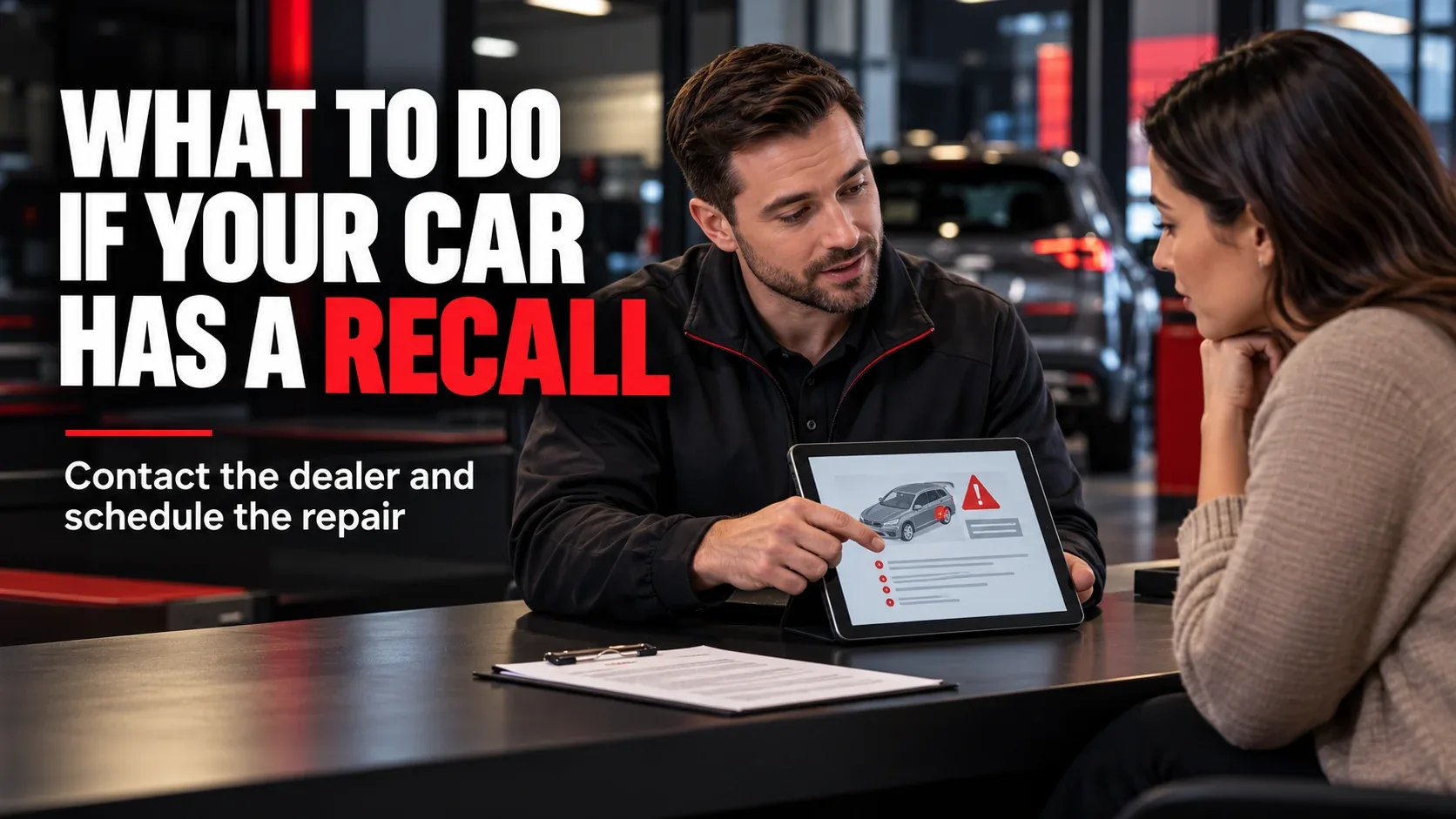
What to Do if Your Car Has an Open Safety Recall
Finding an open recall does not always mean the vehicle will immediately fail, but it does mean you should take the manufacturer’s safety instructions seriously. Read the recall description carefully and check whether the automaker gives any special warnings.
- Read the recall details. Identify the affected component, safety risk, and any immediate precautions.
- Follow urgent warnings. If the manufacturer says “Do Not Drive” or “Park Outside,” follow that instruction rather than assuming a short trip is safe.
- Contact an authorized dealership. Provide the VIN and ask about the remedy, scheduling, and parts availability.
- Keep service records. Save recall notices and confirmation of the completed remedy for your records.
If a remedy is not yet available, ask the manufacturer or dealer what steps are recommended until parts or repairs become available. Do not attempt a safety-critical repair solely because you found an online video or forum suggestion.
Which Vehicle Problems Can Trigger a Safety Recall?
Safety recalls can involve many different components. These examples explain why the recall instructions—not simply the appearance or drivability of the car—matter.
A restraint may fail to deploy properly, deploy unexpectedly, or fail to protect an occupant as designed.
A component may interfere with stopping ability or directional control.
Certain defects can create fire hazards or cause unexpected loss of power.
Some campaigns concern vehicle equipment instead of a single vehicle model; equipment-specific searches may also be necessary.
These are general examples, not a diagnosis or a claim that your vehicle has a defect. Check the exact recall notice for risks and precautions.
What to Ask the Dealership About an Open Recall
Before scheduling a repair, have your VIN and any recall campaign number available. Ask the authorized dealer:
- Is my exact VIN included in this campaign, and is the repair still open?
- Is the remedy available now, and are the correct parts in stock?
- Are there Do Not Drive, Park Outside, or other safety instructions?
- Does the repair qualify for a no-charge remedy, given the vehicle’s age and recall terms?
- How long might the visit take, and is any alternative transportation support available?
- How can I obtain written confirmation when the recall repair is completed?
Are Vehicle Safety Recall Repairs Free?
In the United States, eligible safety recall remedies are generally carried out at no charge through the vehicle manufacturer’s authorized repair network. Depending on the recall, the remedy could involve a repair, replacement, or another manufacturer-approved solution.
There is an important age-related legal limitation: the federal requirement for a free remedy generally applies when the vehicle was first sold no more than 15 years before the defect or noncompliance determination. Manufacturers may voluntarily provide free remedies for older vehicles, too. A recall itself does not simply “expire” after 15 years, so owners of older cars should still ask the manufacturer about the remedy and available coverage.
Before paying a shop to fix a recalled component, contact the automaker to confirm the precise recall eligibility and repair procedure. If you already paid for the same safety defect before a recall was announced, ask about any applicable reimbursement program and what receipts are needed.
Should You Check a Used Car for Recalls Before Buying?
Absolutely. A used car may change owners without every outstanding repair being completed. Before purchasing, ask the seller for the VIN and run an auto recalls by VIN lookup. If you find an open recall, ask when and how it will be remedied, and confirm the plan with the vehicle manufacturer or an authorized dealer.
Also request service records for recall repairs the seller says were completed. Because the NHTSA lookup does not show every completed recall repair, the manufacturer or authorized dealership may be better positioned to explain that vehicle’s recall service history.
Remember that recall checking addresses a particular type of safety information. It does not replace a pre-purchase inspection, title review, maintenance review, or a separate vehicle history report.
- Match the VIN on the windshield, door label and paperwork.
- Run the official VIN search and save the findings for your records.
- Ask the seller for receipts for any previously completed recall repairs.
- Call an authorized dealer if recall history or eligibility is unclear.
- Arrange an independent mechanical inspection and title review separately.
How to Check Vehicle Recalls Without a VIN
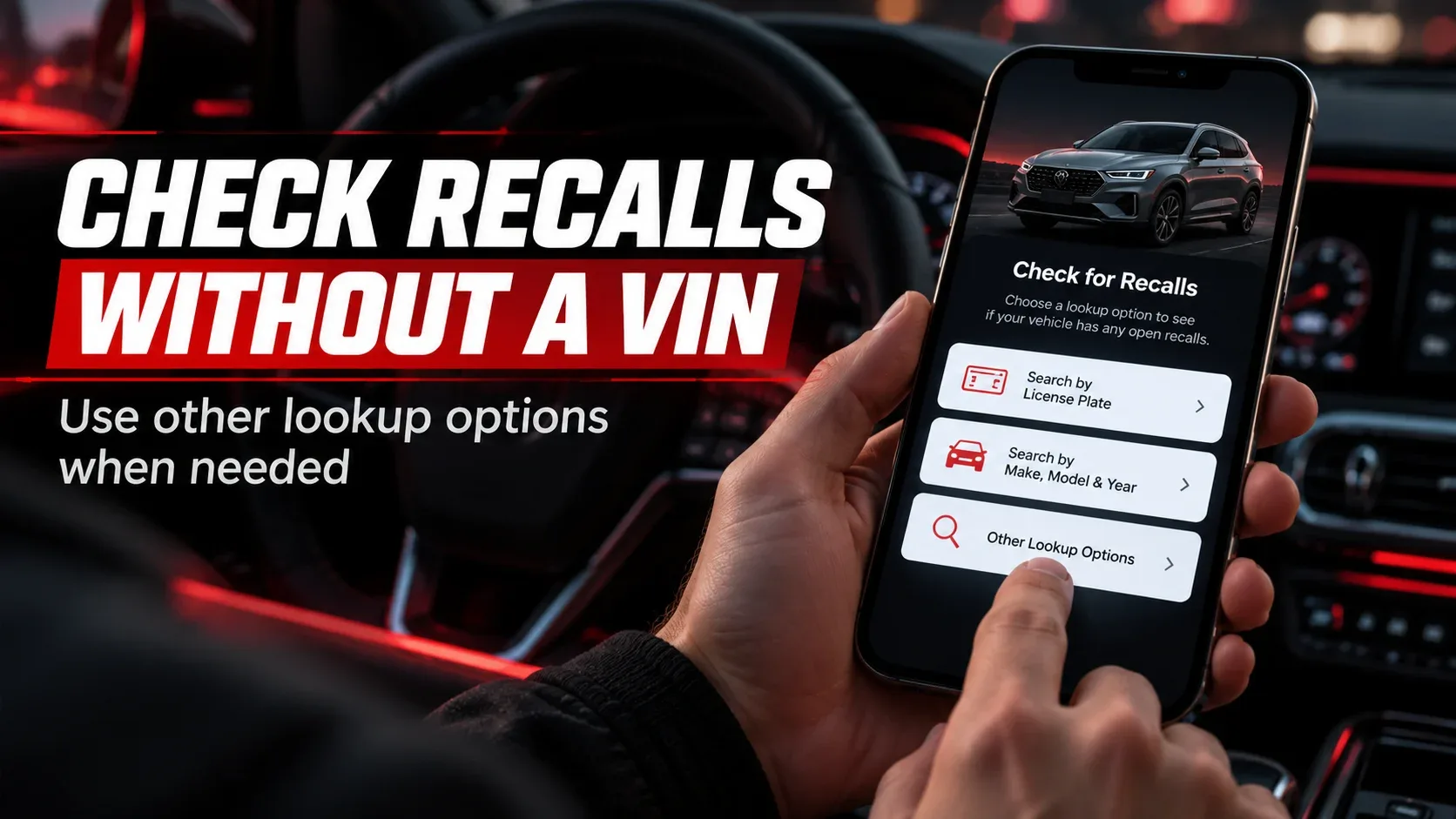
Can’t locate the VIN right now? NHTSA also offers a license-plate lookup for supported U.S. vehicle records: choose the state and enter the plate number. If a license-plate search brings up the wrong car because state records have not caught up with a plate reassignment, use the VIN when you can and contact the state DMV about the mismatch.
Another option is a general search by the car’s year, make, and model. This type of search can show public recall announcements and related safety information, but it cannot always determine whether your individual vehicle is covered. For a definitive vehicle-specific question, contact the automaker with your VIN.
How Often Should You Perform a Car Recall Check?
A one-time car recall check is helpful, but new recalls can be announced later. Make recall checking part of your regular vehicle-safety routine, especially before buying a used car, after seeing a recall announcement, and when you receive a manufacturer notification.
For easier monitoring, NHTSA offers the free SaferCar app, which can send recall alerts for vehicles you add. You can also check the automaker’s owner portal or sign up for available safety notifications. Checking again matters because newly announced recalls may take time to appear in VIN-specific results.
Frequently Asked Questions About VIN Recall Checks
Is a recall check by VIN really free?
Yes. The official NHTSA VIN recall lookup is free to use. You do not need a paid history report to check the listed unrepaired safety recalls.
Can I check recalls with a license plate number?
Yes. NHTSA provides a license-plate search option for supported U.S. vehicle records. A VIN search is preferable when plate records do not match the vehicle.
Does an NHTSA VIN check show recalls that were already fixed?
Not necessarily. The VIN lookup is designed to identify unrepaired recalls and typically does not list repairs already completed. Ask the manufacturer or dealer about verified repair history.
What does “0 unrepaired recalls” mean?
It means the lookup does not currently show an unrepaired recall for that VIN. It does not establish that the vehicle has never had a recall or that no safety concern exists.
Do vehicle recalls expire?
A recall does not simply expire, but federal free-remedy requirements have age-related limitations. Confirm repair and payment eligibility with the automaker for an older vehicle.
Can I keep driving with an open recall?
It depends on the safety risk and manufacturer guidance. Never ignore a “Do Not Drive” or “Park Outside” warning. If you are unsure what is safe, contact the manufacturer or an authorized dealer before using the vehicle.
Can I do a VIN recall search for a car I don’t own?
You can use the VIN for a prospective used-car purchase to look up outstanding recalls. Ask the seller for the correct identification number and cross-check that it matches the vehicle.
Can I use NHTSA to check recalls on an imported car?
The U.S. VIN lookup may not cover an international-market vehicle. Check with the manufacturer or the official recall authority in the country where the vehicle was sold.
Is the recall number the same as my VIN?
No. The VIN identifies a particular vehicle, while an NHTSA recall campaign number identifies a recall action that can affect many vehicles.
What if a dealer says recall parts are unavailable?
Ask the dealer or manufacturer what interim safety measures apply, whether the remedy is pending, and how you will be notified when parts become available. Follow any restrictions in the recall notice.
Can I report a safety problem that has no recall?
Yes. You can submit a vehicle safety complaint through NHTSA. A complaint does not itself mean a recall exists, but complaints can inform safety investigations.
Final Thoughts: Check Your VIN and Follow Up on Open Recalls
A recall check by VIN is one of the simplest free safety checks a vehicle owner can make. Start with the official NHTSA search, confirm that you entered the right VIN, and read the results carefully. If an open recall appears, follow the manufacturer’s instructions and arrange the appropriate remedy. Even if no unrepaired recalls are shown today, check again as new information becomes available.
Run a Free Official Vehicle Recall Search