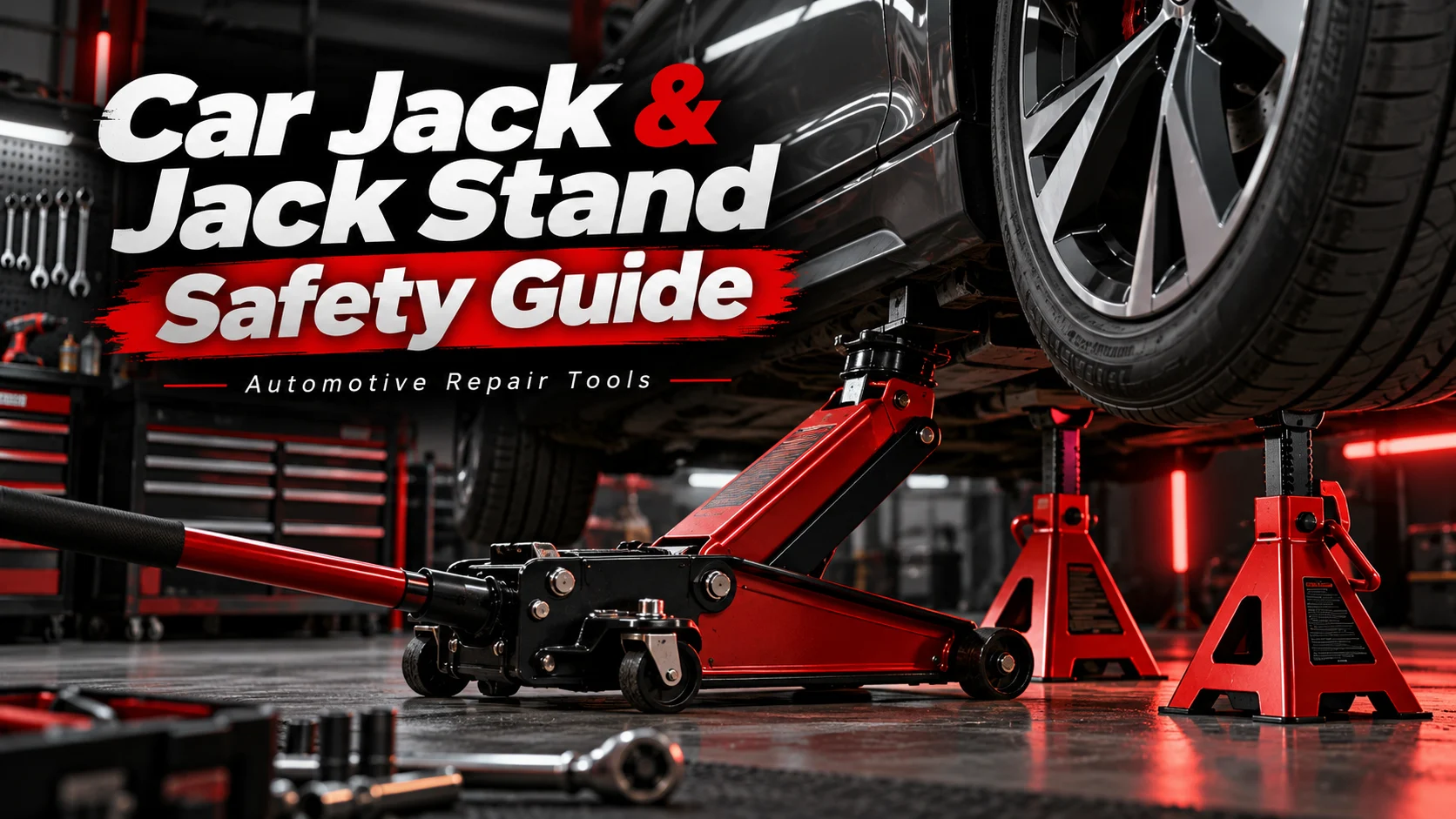
A car jack makes vehicle maintenance easier, but lifting a car incorrectly can cause serious injuries. Whether you’re changing a tire, inspecting brakes, or preparing for an oil change, understanding how to use a car jack and jack stands safely is essential.
This guide covers the different types of car jacks, the differences between 2-ton and 3-ton floor jacks, correct lifting procedures, jack stand placement, hydraulic maintenance, and common safety mistakes.
Never work underneath a vehicle supported only by a jack. Use properly rated jack stands on firm, level ground at manufacturer-approved support points. Always follow your vehicle and lifting-equipment instructions.
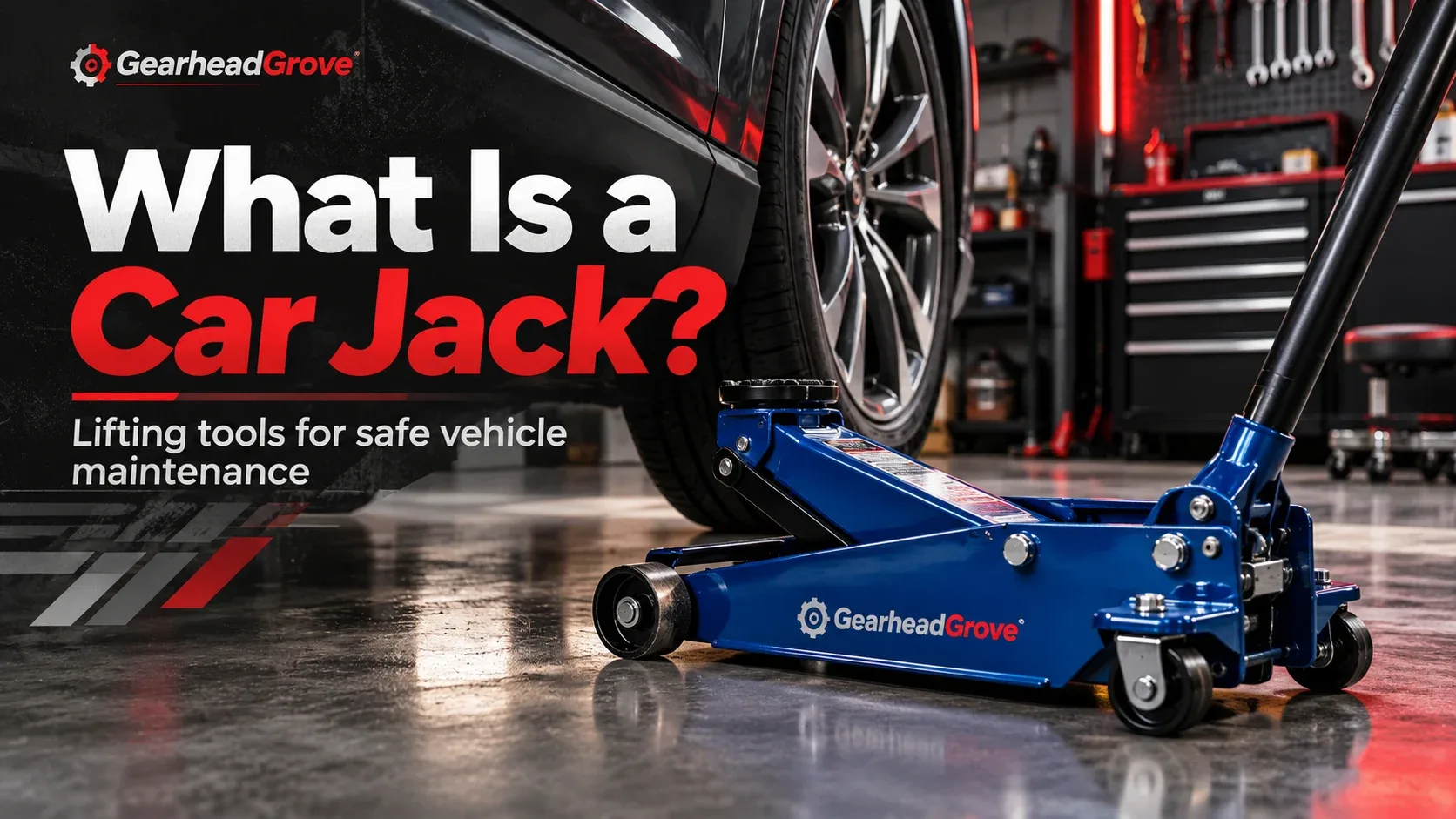
What Is a Car Jack?
A car jack is a mechanical or hydraulic device used to raise part of a vehicle off the ground. It allows access for tire replacement, brake work, and other maintenance tasks.
A car jack lift works by applying force through a mechanical screw, lever, or hydraulic mechanism. Different jack designs provide different lifting capacities, operating heights, and levels of portability.
How Does a Hydraulic Floor Jack Work?
A hydraulic floor jack uses pressurized hydraulic fluid to raise its lifting arm. When the handle is pumped, fluid pressure moves an internal piston, raising the saddle that contacts the vehicle.
The lifting arm lowers when the release mechanism is operated according to the manufacturer’s directions.
An automotive floor jack is popular for garage maintenance because it offers controlled lifting and a wheeled design. However, hydraulic pressure should never be relied upon as the sole support for a vehicle while someone works underneath.
Types of Car Jacks Explained
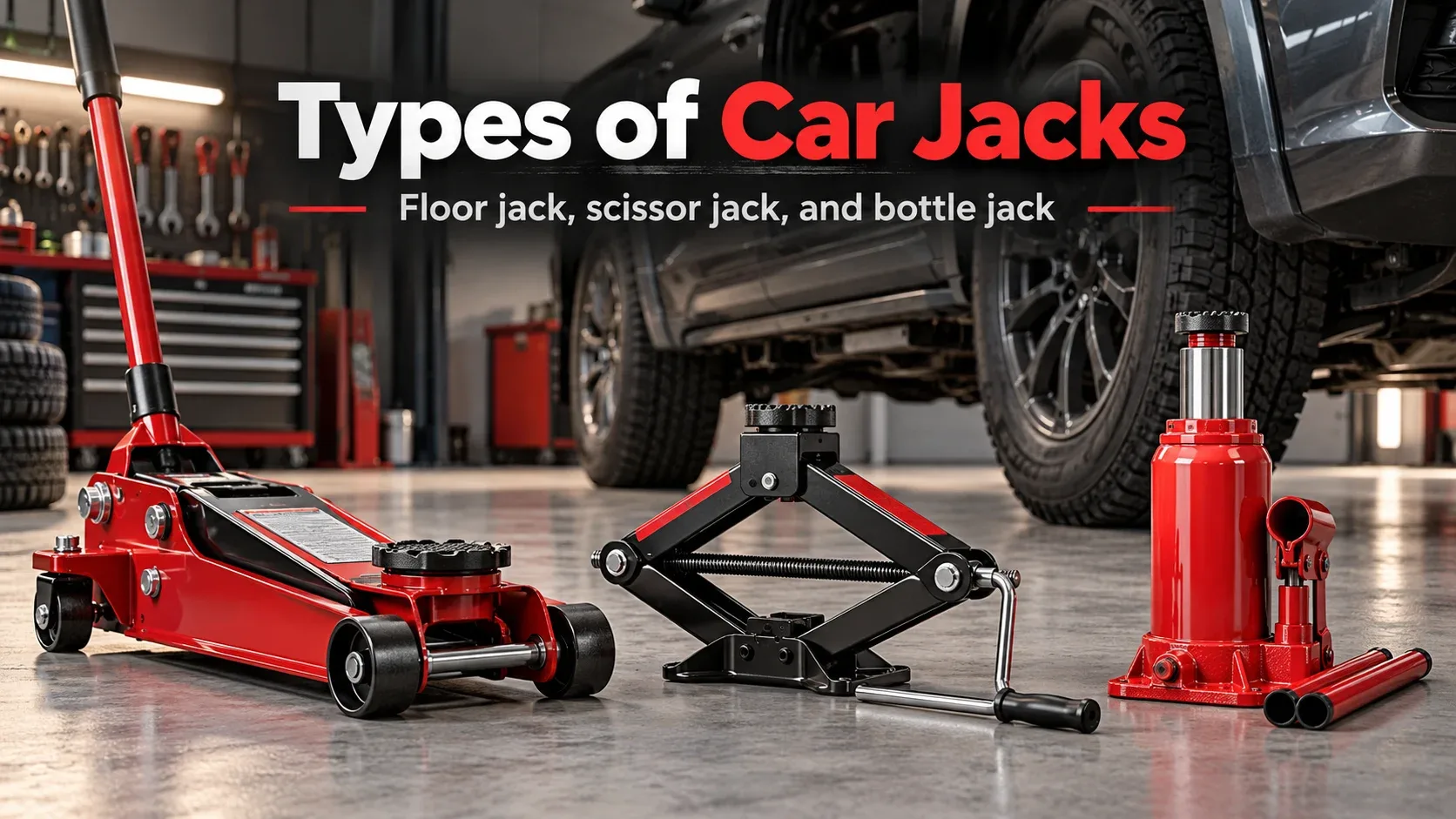
Choosing the right jack depends on your vehicle, the job, and the lifting conditions. The most common types include hydraulic floor jacks, scissor jacks, bottle jacks, and heavy-duty floor jacks.
Hydraulic Floor Jack
A hydraulic floor jack, also called a trolley jack, uses fluid pressure to lift a vehicle. Its wheeled design and long handle make it convenient for home garages and workshops.
Scissor Car Jack
A scissor car jack uses a screw mechanism to raise a vehicle. It is compact, lightweight, and commonly supplied with vehicles for emergency tire changes.
Scissor jacks should only be used as directed by the vehicle manufacturer. They are not suitable as the sole support for underbody repairs.
Bottle Jack
A bottle jack uses a vertically extending hydraulic piston. Certain models are suitable for compatible trucks and heavier equipment, but their minimum height and limited lifting stroke can restrict their use.
Heavy-Duty Floor Jack
A heavy duty floor jack is intended for higher lifting loads or demanding workshop applications. Some models also provide greater lifting height for taller vehicles.
| Jack Type | Best Application | Limitation |
|---|---|---|
| Hydraulic Floor Jack | Home garage repairs | Requires suitable level ground |
| Scissor Jack | Emergency tire changes | Limited intended use |
| Bottle Jack | Compatible trucks and equipment | May not fit under low vehicles |
| Heavy-Duty Floor Jack | Higher-load lifting | Often heavier and less portable |
What Are Jack Stands and Why Are They Important?
Jack stands are mechanical support devices designed to hold a raised vehicle at designated support points.
While a jack provides lifting force, correctly positioned jack stands support the vehicle during maintenance.
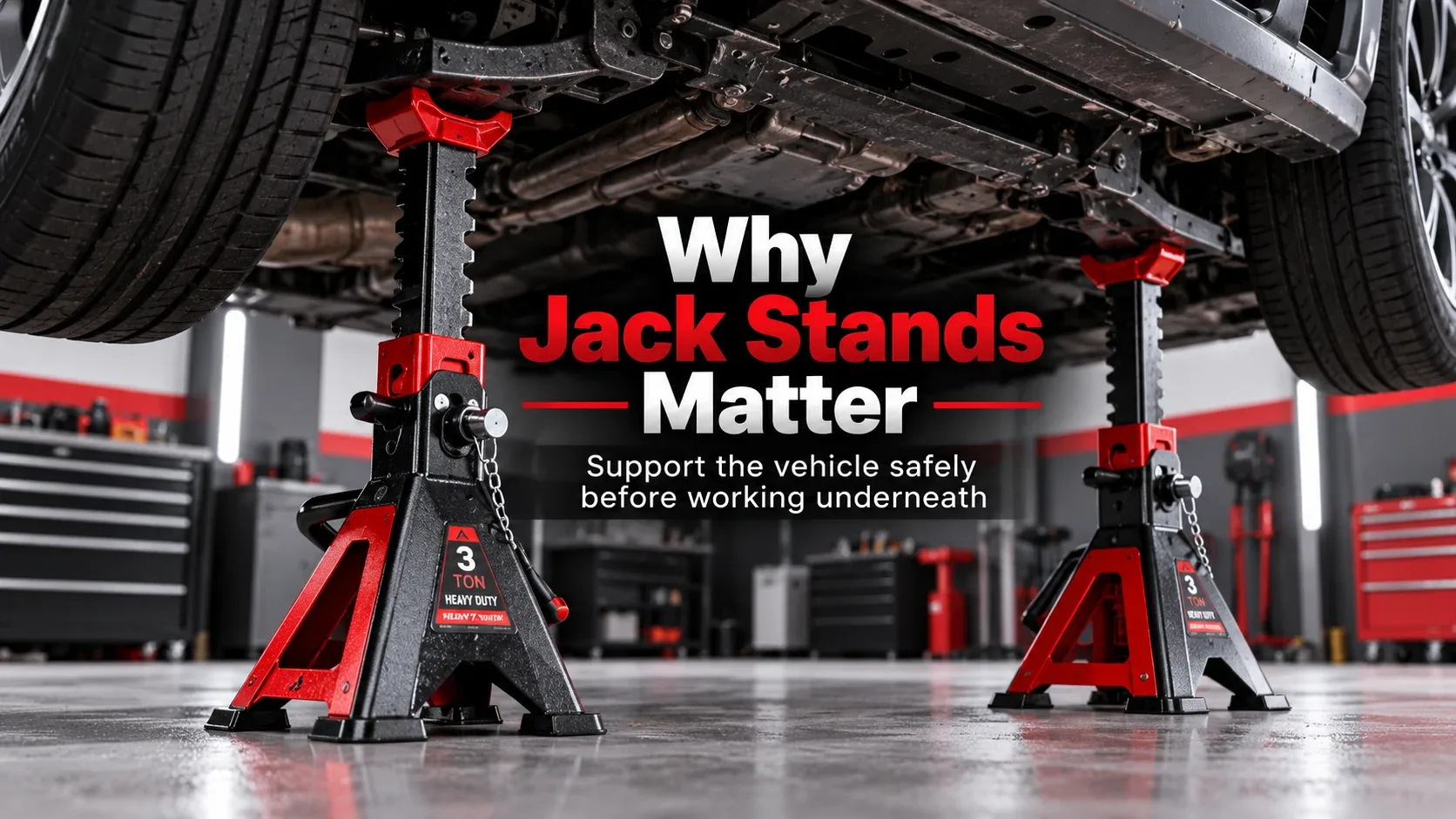
Common designs include ratcheting stands and pin-style stands. Each design uses a specific locking mechanism that must be fully engaged before loading.
Understanding Jack Stand Capacity
Jack stand capacity labels may refer to an individual stand or a matched pair, depending on the product and applicable standard.
Always read the manufacturer’s rating and operating instructions. Never assume the stated capacity can automatically be doubled by using two stands.
2-Ton vs. 3-Ton Floor Jack: Which Is Better?
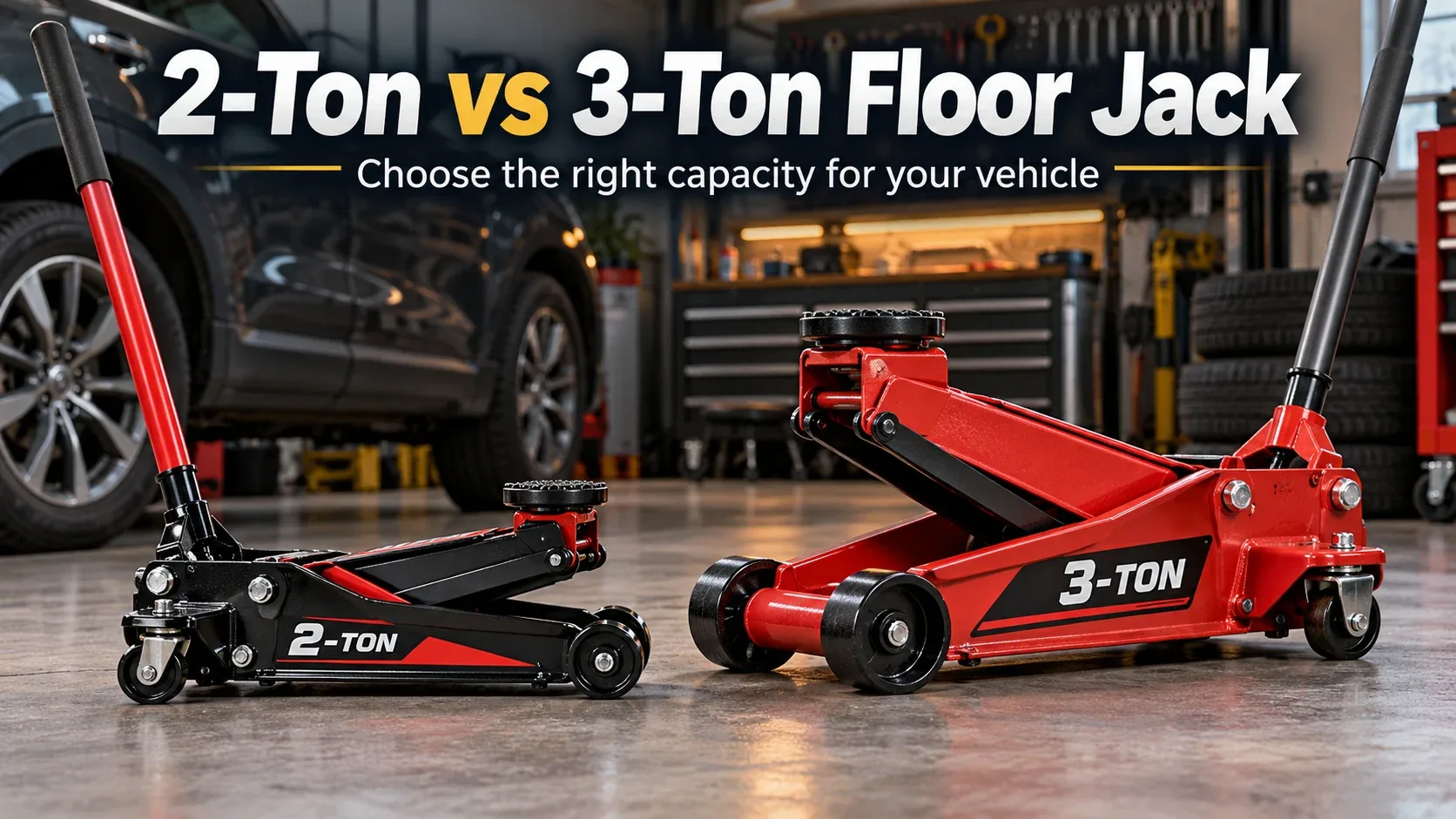
Choosing between a floor jack 2 ton and a floor jack 3 ton model depends on the lifting load, vehicle dimensions, and manufacturer’s specifications.
A 2-ton floor jack has a nominal rated capacity of 4,000 pounds, while a 3-ton floor jack is rated for 6,000 pounds, using US short tons.
| Feature | 2-Ton Jack | 3-Ton Jack |
|---|---|---|
| Rated Capacity | 4,000 lb | 6,000 lb |
| Common Application | Compatible lighter vehicles | Broader lifting applications |
| Portability | Often lighter | Often heavier |
A floor jack 3 ton model offers greater nominal capacity, but it is not automatically suitable for every SUV or truck. Always verify the expected lifting load, minimum saddle height, maximum lift height, and vehicle manufacturer’s requirements.
How to Find the Correct Car Jacking Points
Jacking points are reinforced areas identified by the vehicle manufacturer for lifting. Using the wrong location can damage the vehicle or cause the jack to slip.
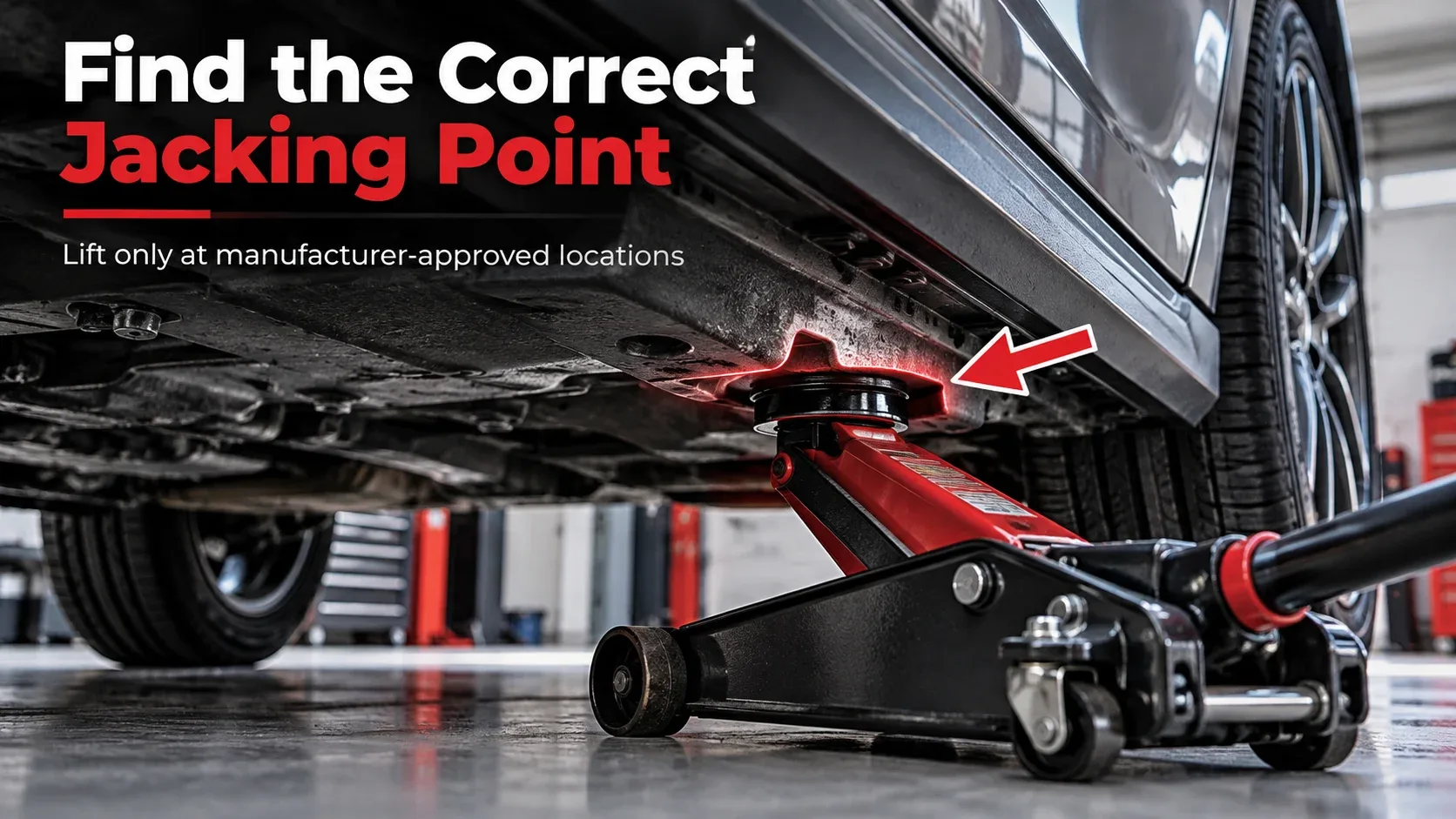
Depending on the vehicle, approved lifting locations may include reinforced pinch welds, designated frame points, or specifically identified structural locations.
- Check your vehicle owner’s or service manual.
- Locate the manufacturer-approved lifting point.
- Identify suitable jack stand support points.
- Use specified pads or adapters where required.
- Avoid unapproved body panels and suspension components.
Do not guess the lifting location. If your vehicle’s manual does not provide enough information, consult reliable vehicle-specific service information or a qualified technician.
Safety Checks Before Lifting a Car
Before using any hydraulic floor jack for car maintenance, prepare the vehicle and inspect the equipment.
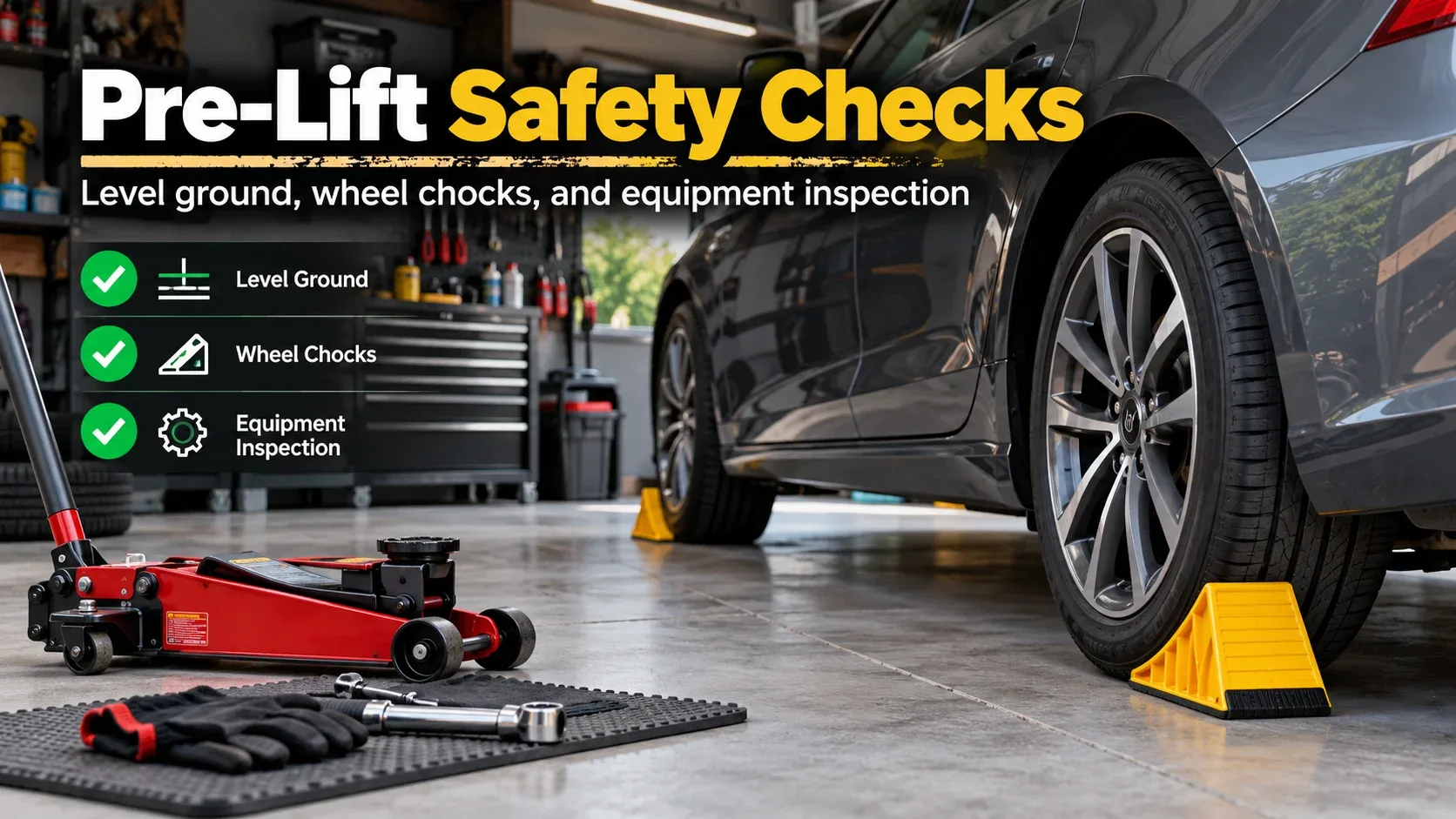
- Park on firm, level ground.
- Turn off the engine and secure the vehicle against rolling.
- Use suitable wheel chocks.
- Apply the parking brake when appropriate for the repair.
- Inspect the jack and jack stands for damage.
- Confirm the equipment capacity and lifting range.
- Locate the approved lifting and support points.
How to Lift a Car Safely With a Floor Jack
The following steps describe a general floor-jack lifting procedure. Vehicle-specific instructions always take priority.
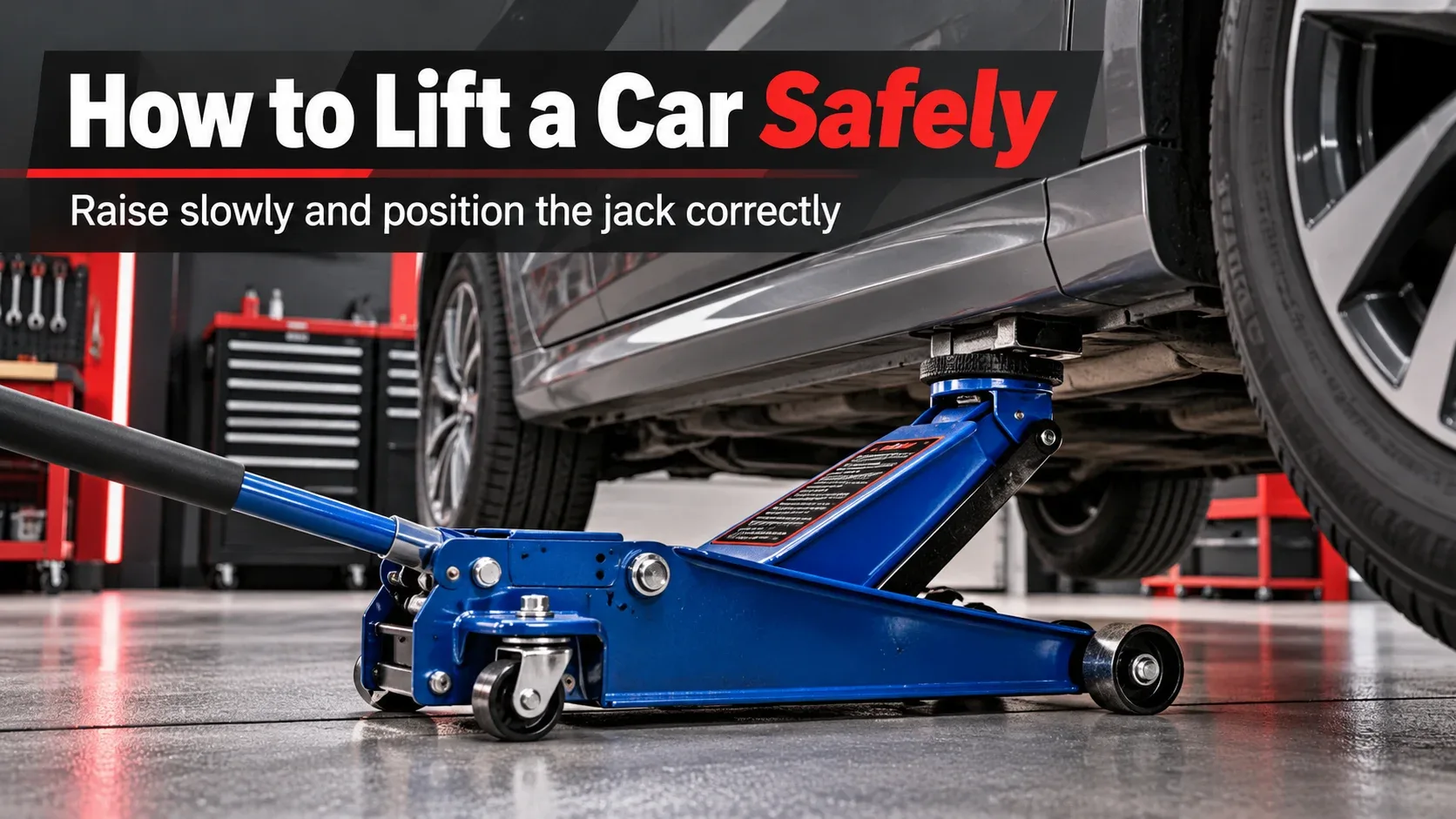
Step 1: Secure the Vehicle
Park on a suitable level surface, switch off the engine, and follow the required wheel-chocking and parking-brake precautions.
Step 2: Position the Floor Jack
Place the jack beneath the designated lifting point and make sure the saddle is properly aligned.
Step 3: Raise the Saddle
Operate the jack until the saddle contacts the lifting point. Check its alignment before raising the vehicle further.
Step 4: Lift Slowly
Raise the vehicle gradually. Stop immediately if the vehicle shifts, the jack slips, or the equipment operates abnormally.
Step 5: Position Jack Stands
Place appropriately rated jack stands at manufacturer-approved support locations. Adjust and lock them according to their instructions.
Step 6: Lower Onto the Stands
Gradually lower the vehicle until its weight rests securely on the correctly positioned stands.
Step 7: Verify Stability
From outside the danger area, verify proper saddle contact, stand alignment, full base contact, and lock engagement. Follow the manufacturer-prescribed stability checks before working underneath.
Do not crawl underneath the vehicle if any support point appears unstable or if you cannot verify that the stands are properly engaged.
How to Use Jack Stands Correctly
Jack stands must be properly rated, positioned on stable ground, and installed at approved support points.
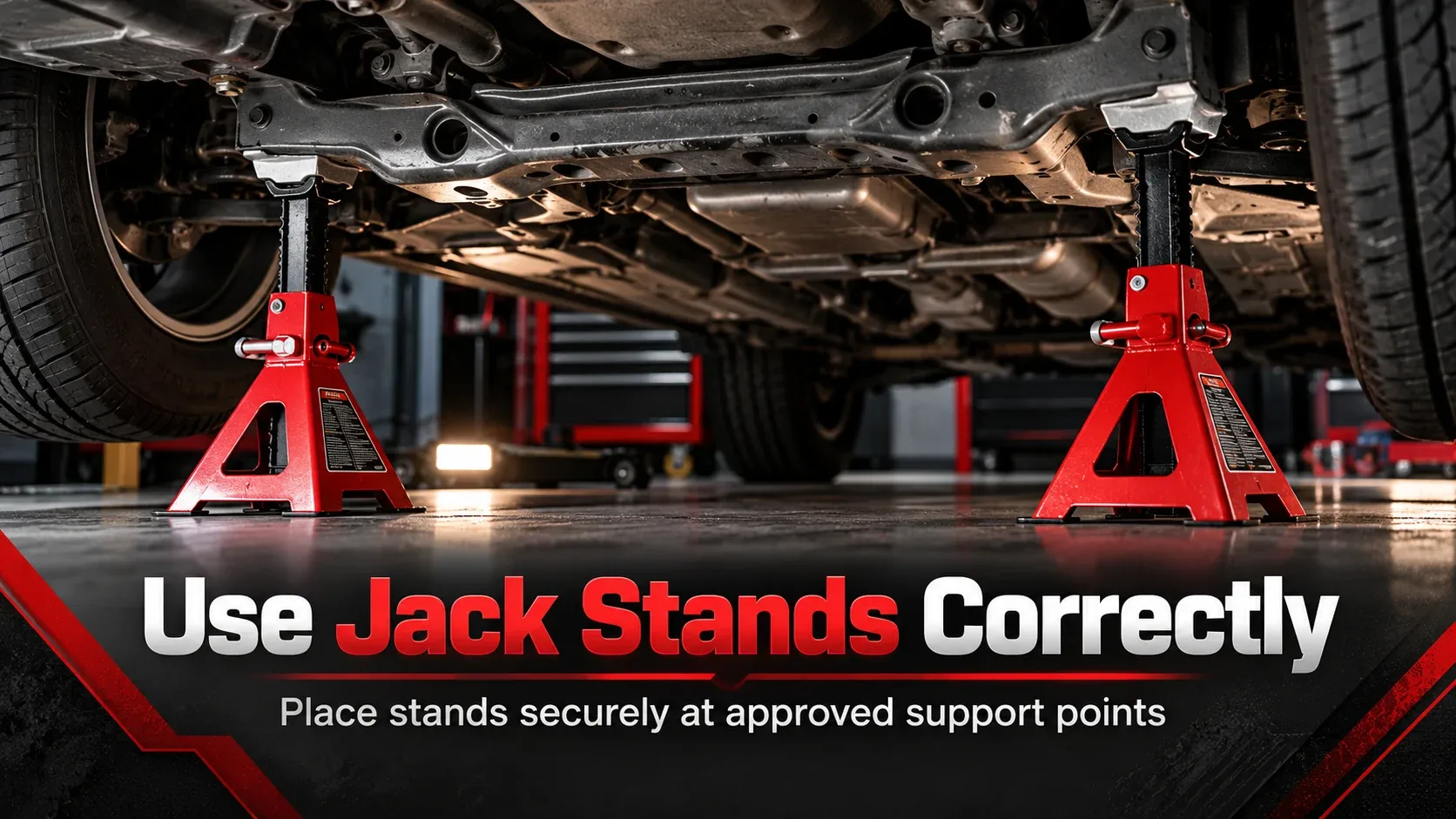
- Inspect every stand before use.
- Keep each base flat against the ground.
- Use matched stands as specified by the manufacturer.
- Fully engage the locking mechanism.
- Confirm the saddle contacts the approved support point.
- Never substitute bricks, buckets, or improvised supports.
If the repair changes vehicle weight distribution, additional specialized support may be required. Examples include removing heavy drivetrain or suspension components.
Using a Scissor Car Jack for Emergency Tire Changes
A scissor car jack can be helpful during an emergency tire change when it is rated and approved for the vehicle.
Park away from moving traffic on a stable, level surface. Follow the owner’s manual for securing the vehicle, positioning the jack, changing the wheel, and tightening the wheel fasteners.
Never place yourself beneath a vehicle supported by a scissor jack. If road conditions make the tire change unsafe, contact roadside assistance.
How to Lower a Car Safely
- Clear people and tools from the lowering area.
- Position the floor jack at the approved lifting location.
- Raise the vehicle only enough to unload the jack stands.
- Remove the stands without reaching beneath the vehicle.
- Lower the vehicle slowly using the jack’s release mechanism.
- Complete any required post-service inspections and wheel fastener torque checks.
Common Car Jack and Jack Stand Safety Mistakes
A few avoidable mistakes can make vehicle lifting extremely dangerous.
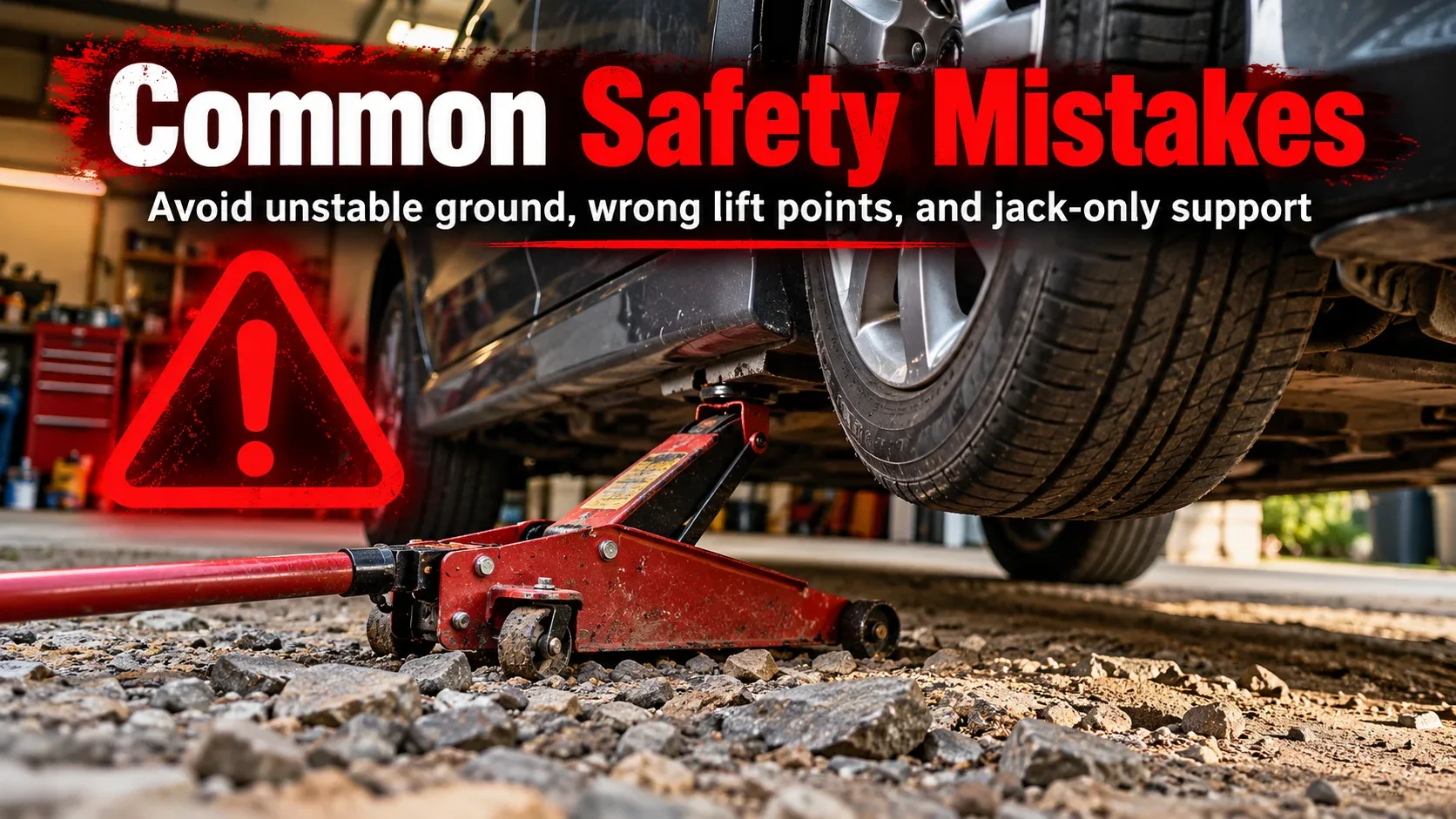
- Working under a jack alone: A lifting jack is not an adequate substitute for proper vehicle support.
- Using the wrong lifting point: An unsuitable location can deform or collapse under load.
- Lifting on unstable ground: Slopes, soft asphalt, gravel, and soil can allow equipment to shift or sink.
- Exceeding rated capacity: Overloading can damage equipment or cause failure.
- Using damaged jack stands: Bent components and faulty locks can compromise support.
- Failing to secure the wheels: Unexpected vehicle movement can destabilize the lifting setup.
Floor Jack Oil and Hydraulic Maintenance
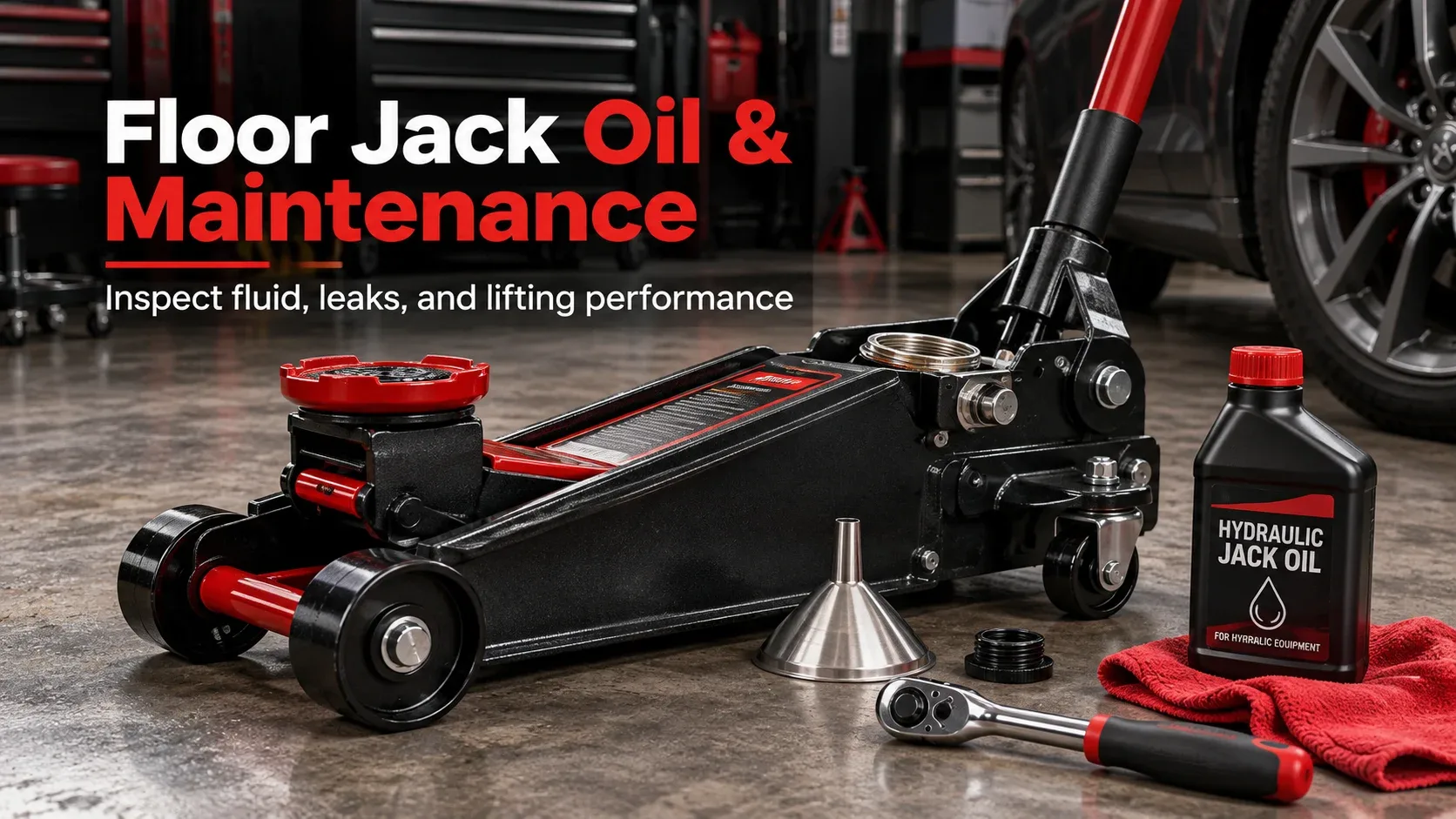
Hydraulic floor jacks rely on properly functioning seals, valves, and hydraulic fluid. Regular inspection can help identify problems before the equipment is used.
What Is Floor Jack Oil?
Floor jack oil is hydraulic fluid used within the jack’s lifting system. It transfers pressure through the internal mechanism and helps the jack function correctly.
Use only the fluid specified by the manufacturer. Do not substitute engine oil, brake fluid, or another fluid unless the equipment instructions expressly permit it.
Signs of Hydraulic Floor Jack Problems
- Visible hydraulic fluid leaks
- Difficulty raising the lifting arm
- Loss of pressure or unexpected lowering
- Damaged hydraulic components
- Unusual operating noises or movement
A malfunctioning jack may have low oil, damaged seals, trapped air, or internal valve problems. Remove it from service until the issue has been properly diagnosed and the jack repaired or replaced.
How to Choose the Right Car Jack
Before purchasing a hydraulic or heavy duty car jack, consider more than its advertised ton rating.
- Rated capacity: Match the jack to the actual expected lifting load and manufacturer requirements.
- Minimum height: Make sure the jack fits beneath the designated lifting point.
- Maximum lifting height: Confirm adequate height for positioning approved stands.
- Saddle compatibility: Use the correct contact pad or adapter when required.
- Construction quality: Look for clear ratings, reliable controls, and appropriate equipment safety compliance.
- Working environment: Consider available space, surface requirements, portability, and storage.
When Should You Replace a Car Jack or Jack Stands?
Inspect lifting equipment before each use. Remove a jack or stand from service if there are visible cracks, bent components, damaged welds, faulty locks, hydraulic leaks, or other signs of structural damage.
Never improvise a repair to a load-bearing stand. Follow the manufacturer’s inspection and replacement requirements, and check whether your model is affected by any safety recall.
Frequently Asked Questions
Is a 2-ton floor jack enough for my car?
It may be, depending on the actual lifting load and vehicle specifications. Verify its rated capacity and lifting range rather than choosing by vehicle category alone.
Is a 3-ton floor jack better than a 2-ton jack?
A 3-ton jack has greater rated lifting capacity, but minimum height, lifting range, and vehicle compatibility are equally important.
Can I use a floor jack without jack stands?
A floor jack can raise a vehicle for an approved lifting operation, but you must never work beneath the vehicle without appropriate mechanical support.
Can a scissor car jack lift an SUV?
Only when the specific jack is approved and rated for that vehicle and the intended lifting procedure.
Where should jack stands be placed?
At the manufacturer-approved support points specified for the vehicle and repair procedure.
How high should I lift my car?
Only as high as necessary to perform the task safely and position the stands correctly, while staying within the equipment’s limits.
What oil should I use in a hydraulic floor jack?
Use the hydraulic jack oil specifically recommended by the equipment manufacturer.
Why won’t my hydraulic floor jack lift?
Possible causes include low hydraulic fluid, trapped air, worn seals, internal valve problems, or mechanical damage. Stop using the jack until the issue is properly resolved.
Can I use jack stands on asphalt?
Asphalt can soften or deform under load. Firm, level concrete is generally preferable. Follow the stand manufacturer’s requirements.
Are 3-ton jack stands rated individually or as a pair?
Check the manufacturer’s label and instructions. The rating may apply to a stand or a matched pair, depending on the product.
Final Safety Checklist
- Use properly rated lifting equipment.
- Lift only on suitable, stable ground.
- Secure the vehicle against rolling.
- Follow manufacturer-approved lifting points.
- Support the vehicle with correctly installed jack stands.
- Inspect equipment before each use.
- Never work underneath a vehicle supported only by a jack.
Final Thoughts
Using a car jack safely starts with choosing appropriate equipment, but preparation, approved lifting points, and proper vehicle support are just as important.
Whether you’re using a scissor car jack for an emergency tire change, an automotive floor jack for routine maintenance, or a heavy duty floor jack for a larger vehicle, never skip essential safety precautions.
If you’re uncertain about the correct lifting procedure or the condition of your equipment, consult a qualified automotive technician before attempting the repair.