A rounded bolt can turn a simple repair into a frustrating job. Your wrench keeps slipping, the fastener will not move, and using more force may damage it further. A bolt extractor set is designed to help remove damaged bolts, nuts, and broken fasteners when ordinary tools no longer grip properly.
This complete guide explains the different extractor types, how they work, how to use them safely, and how to select the right tools for automotive, industrial, and home repairs. You will also learn what to do when an extractor cannot remove a damaged fastener.
A bolt extractor set contains specially designed tools that grip damaged fasteners. External extractor sockets are commonly used on rounded bolt heads, while internal extractors can help remove broken bolts after a suitable hole is drilled. The correct extractor depends on the fastener’s condition, size, and accessibility.
What Is a Bolt Extractor Set?
A bolt extractor set is a collection of tools designed to remove fasteners that are difficult to turn with ordinary sockets, wrenches, or screwdrivers.
These problems usually occur when a bolt head becomes rounded, corrosion locks the threads, or the fastener breaks during removal.
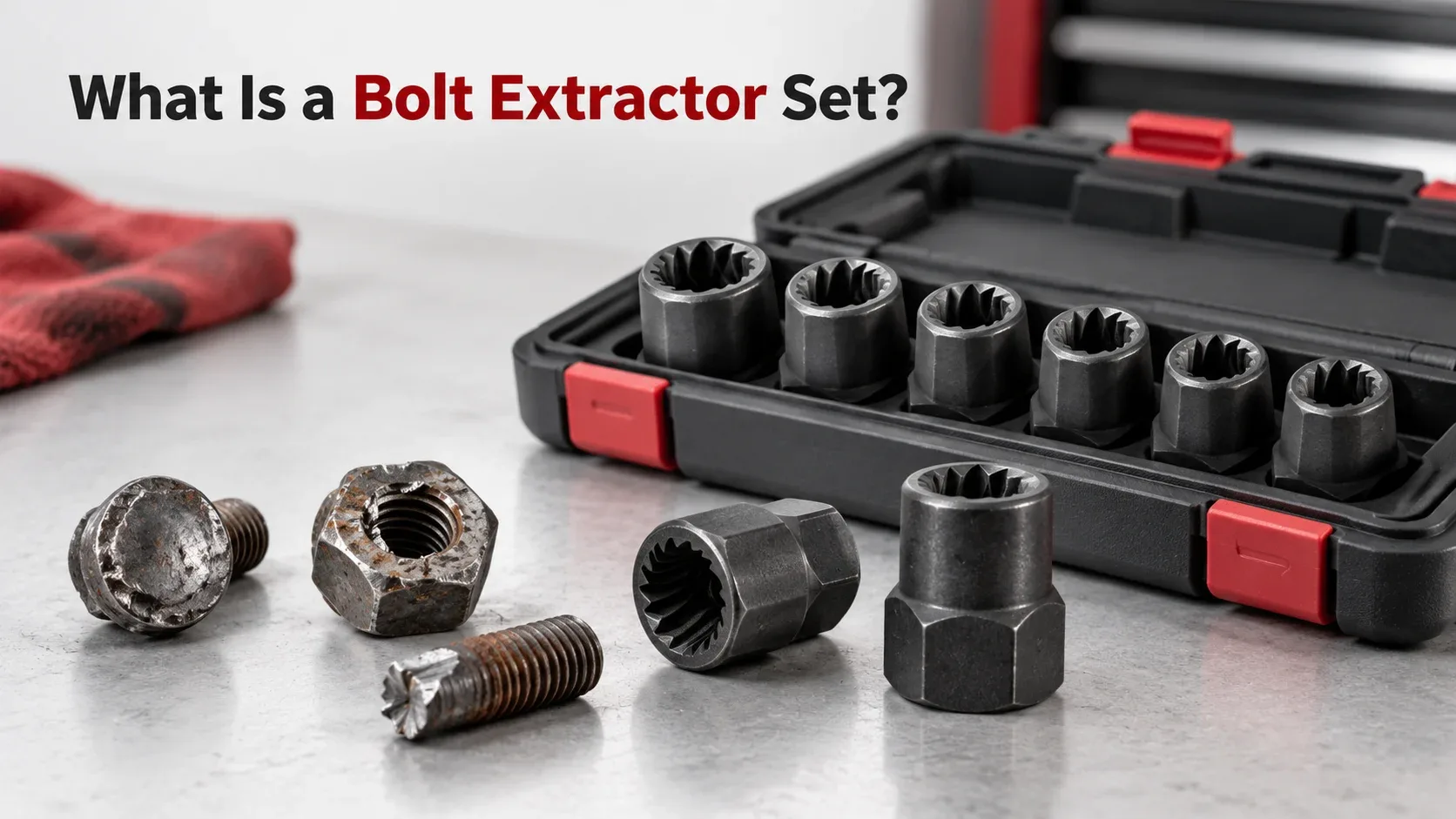
Unlike an ordinary socket that relies on an intact bolt head, an extractor uses specialized gripping edges to engage the damaged surface.
Bolt extractor sets are commonly used in automotive repairs, mechanical engineering workshops, industrial maintenance, and home improvement projects.
Important: Not every damaged bolt can be removed using an extractor. Severely seized fasteners may require other techniques.
Types of Bolt Extractor Sets
Different extractor designs are intended for different fastener problems. Understanding their differences helps you select the most appropriate tool.
Spiral-Flute Extractor Sockets
Spiral-flute extractor sockets are designed to grip rounded or damaged external bolt heads.
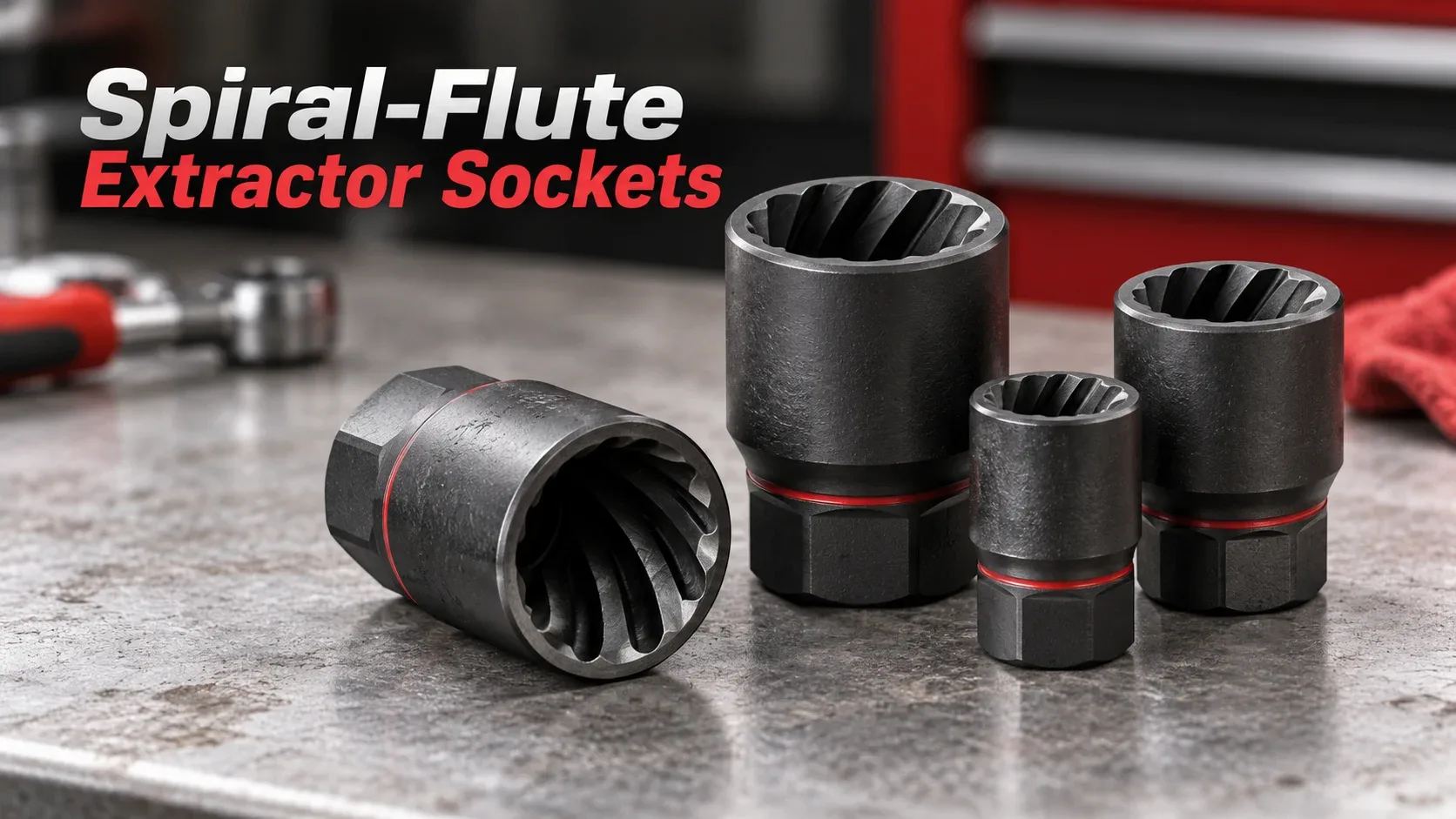
The gripping edges inside the socket bite into the damaged bolt head as turning force is applied. They are commonly used in automotive and workshop repairs where the bolt head remains accessible.
Spiral Screw Extractors
Spiral screw extractors are designed for certain broken bolts and screws that cannot be gripped from the outside.
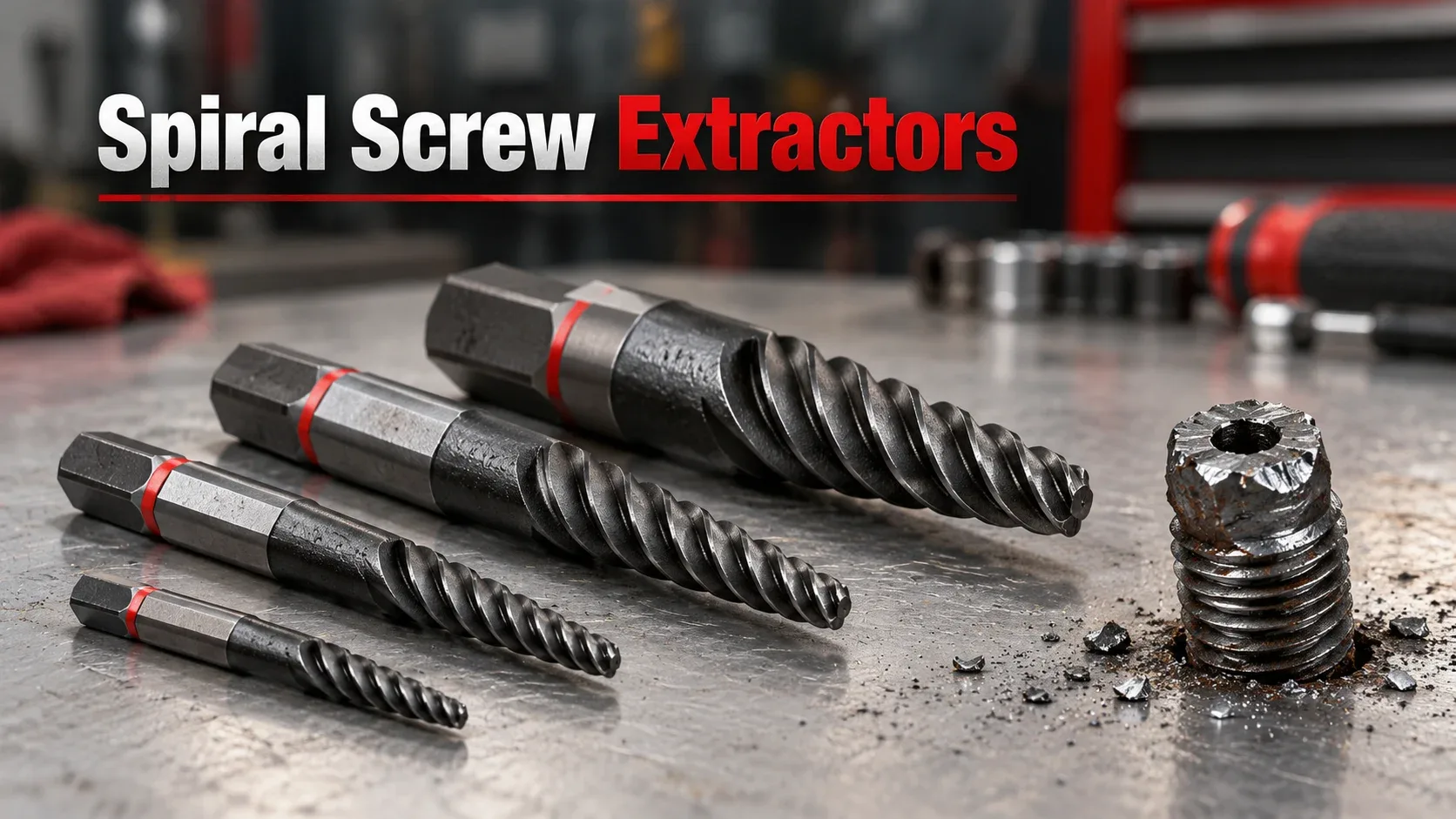
These tools generally require a properly centered pilot hole in the broken fastener. The extractor engages the hole and helps turn the bolt.
Careful handling is important because excessive force can wedge the tool tightly or cause it to fracture.
Straight-Flute Extractors
Straight-flute extractors use straight gripping edges rather than spiral-shaped ones.
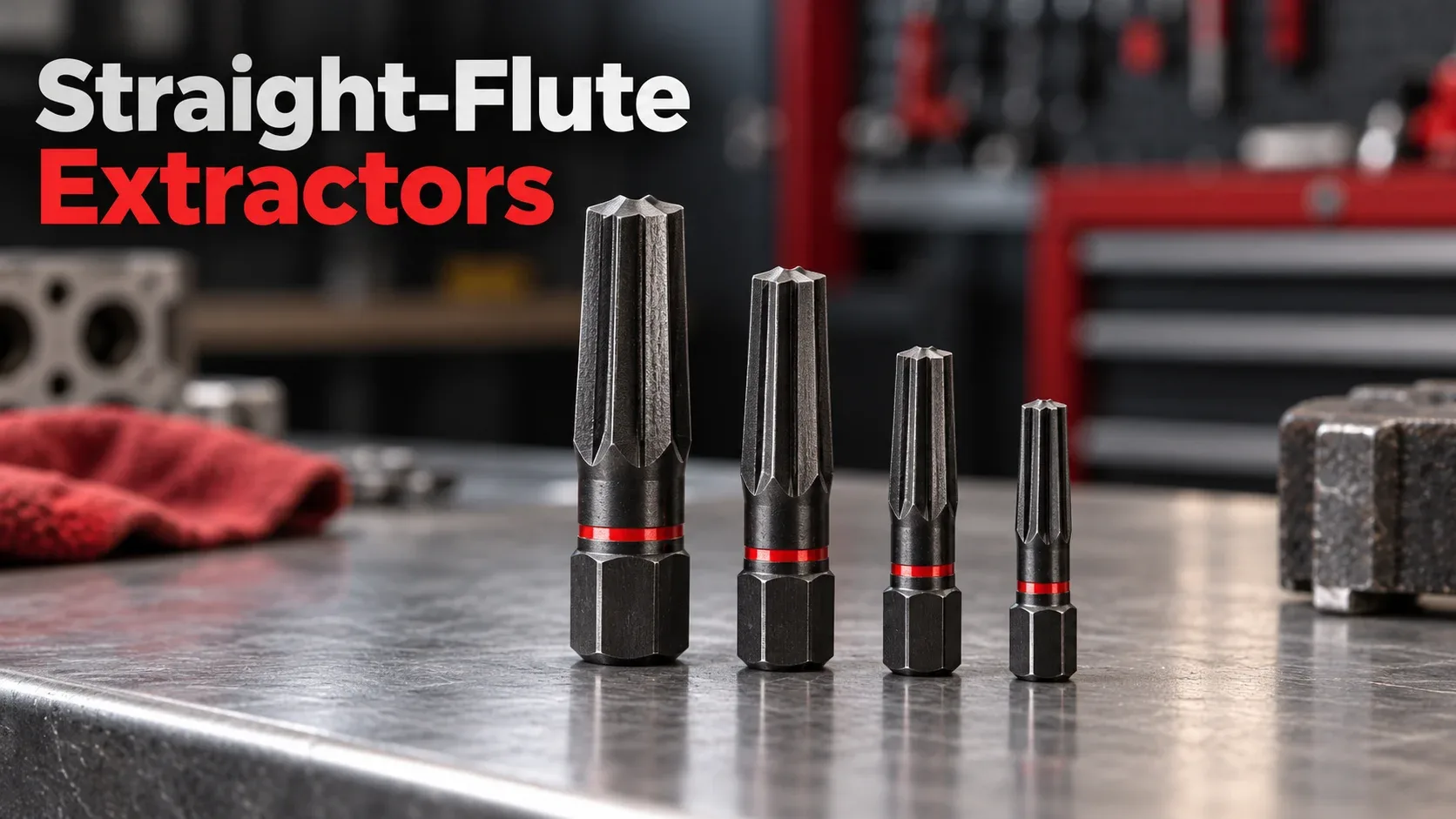
Some straight-flute designs may produce less wedging force than tapered spiral extractors. They can be useful for selected broken-fastener repairs when the correct pilot-hole size is used.
Stud Extractors
Stud extractors help remove threaded studs that extend above the surrounding surface.
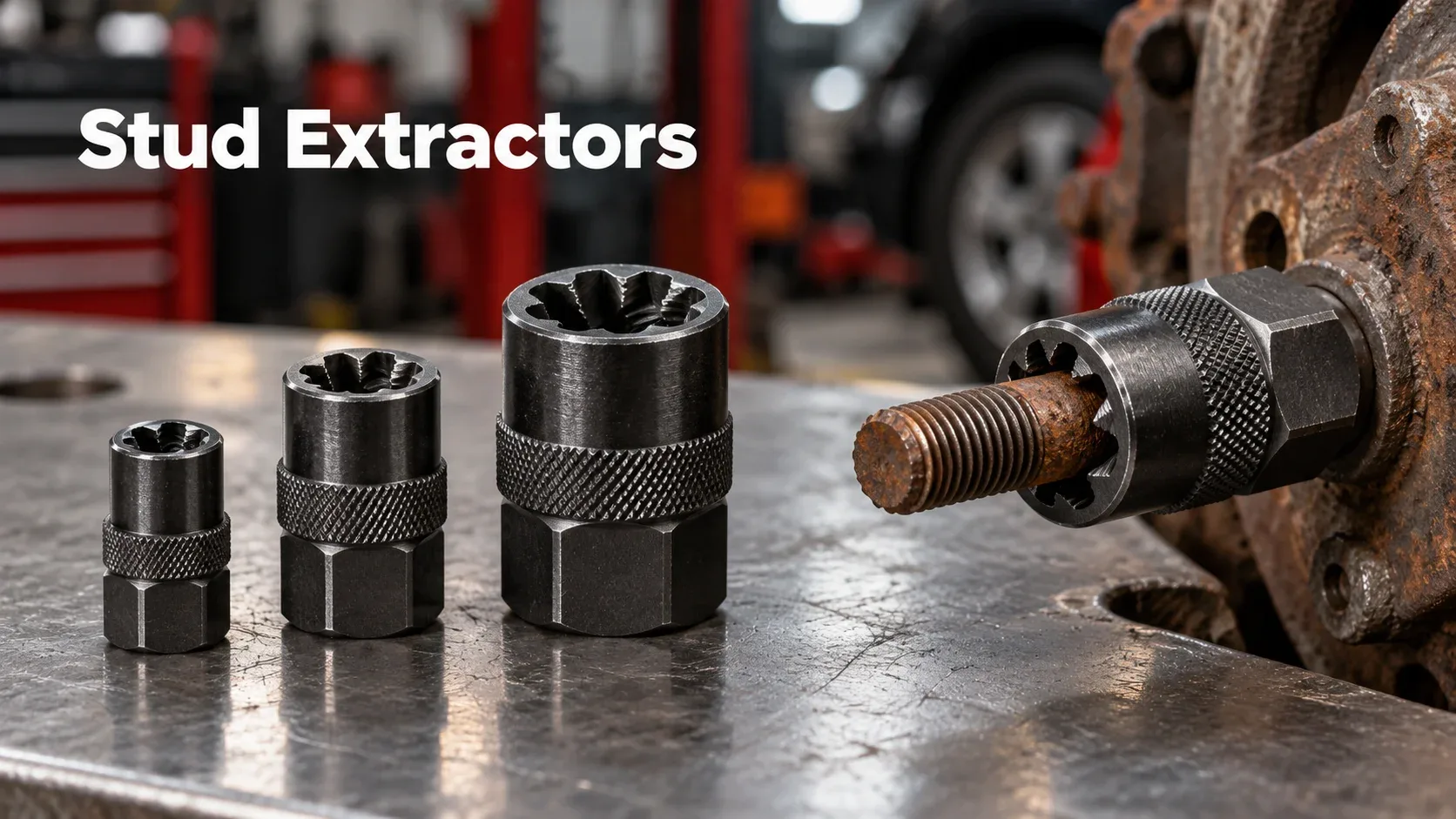
These tools grip the exposed stud and allow it to be turned. They are particularly useful when the original bolt head is missing but sufficient threaded material remains accessible.
Bolt Extractor Types Compared
| Extractor Type | Best Application | Limitation |
|---|---|---|
| Spiral-flute socket | Rounded bolt heads | Requires accessible head |
| Spiral screw extractor | Broken bolts | May wedge or break |
| Straight-flute extractor | Selected drilled fasteners | Requires accurate sizing |
| Stud extractor | Exposed threaded studs | Needs exposed material |
How to Identify Different Types of Bolt Damage
Before choosing an extractor, carefully inspect the fastener. The type of damage determines which removal method is most suitable.
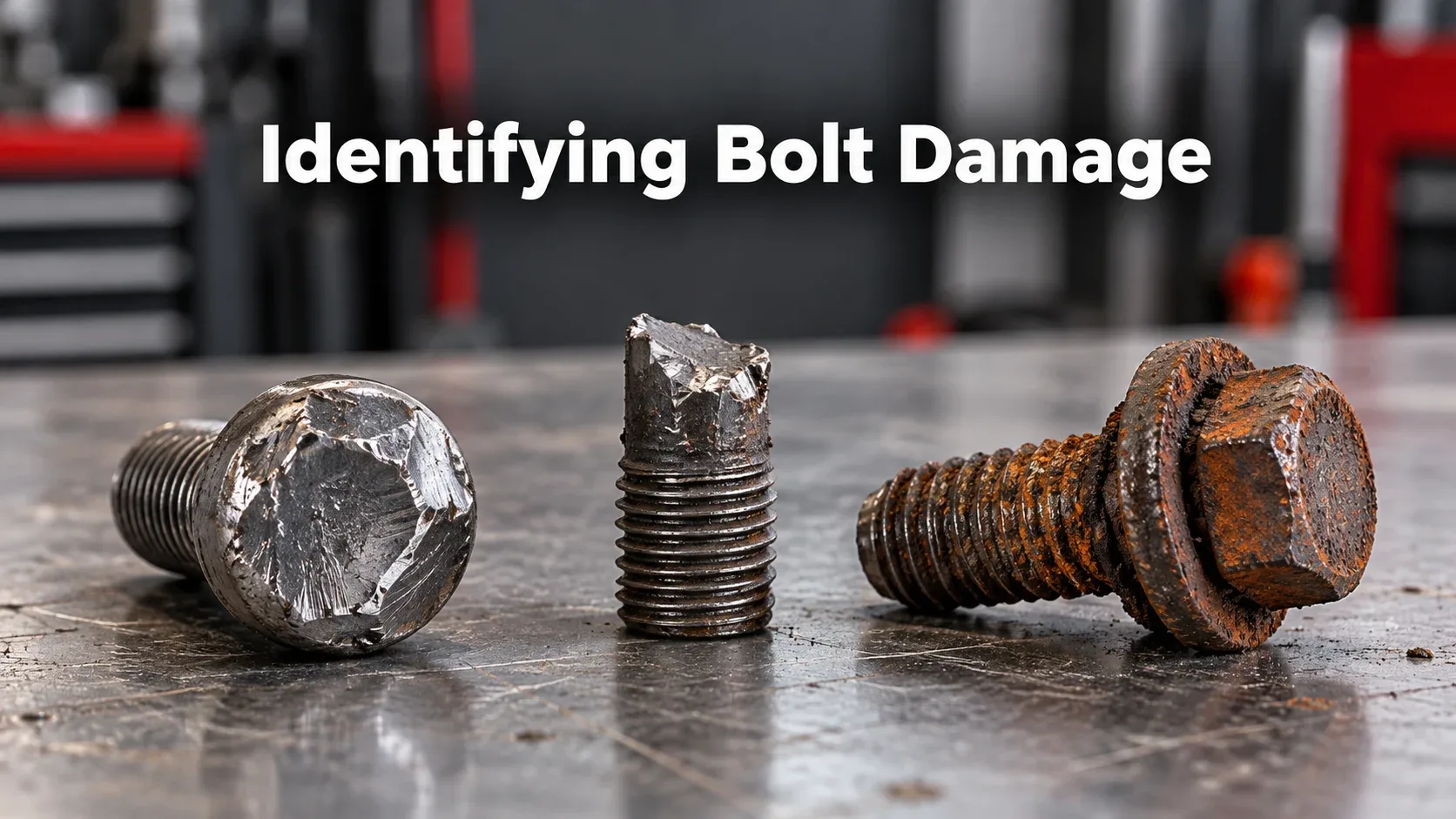
The most common types of bolt damage include:
- Rounded head: Worn external corners cause normal sockets to slip.
- Broken bolt: Part of the fastener has snapped off.
- Seized bolt: Corrosion or damaged threads prevent normal movement.
- Stripped drive: The internal hex or other drive recess is damaged.
If the bolt is recessed or surrounded by sensitive components, the available working space also affects which extraction method can be used safely.
How Does a Bolt Extractor Work?
A bolt extractor works by creating a secure grip on a damaged fastener. Instead of relying on intact bolt corners, it uses specially shaped gripping edges or flutes.
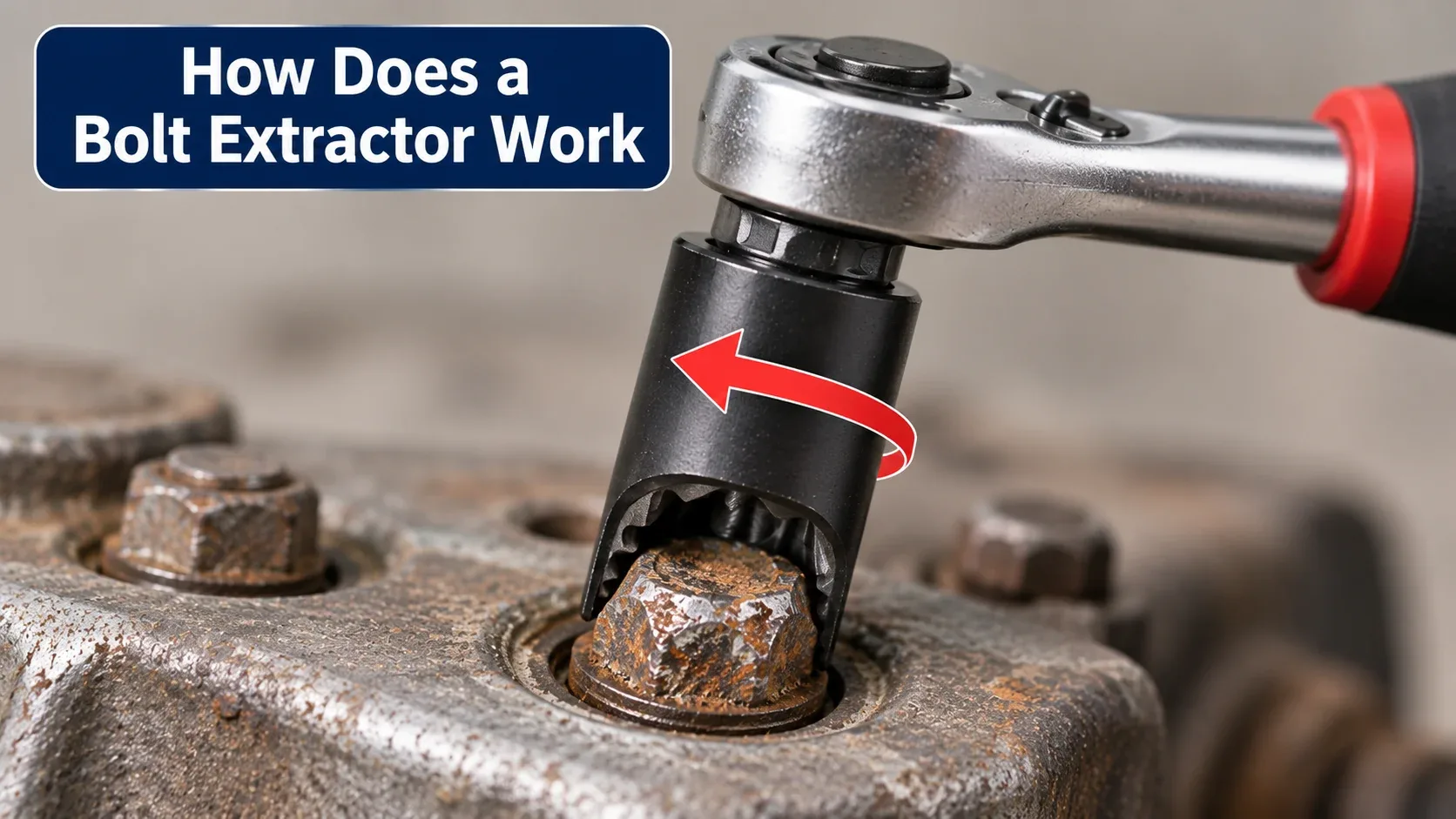
External extractors grip the outside of a bolt head, while internal extractors engage a prepared hole inside the fastener.
When controlled turning force is applied in the correct direction, the extractor attempts to rotate the bolt out of its threaded hole.
Extractor performance depends on grip, alignment, tool strength, and the force needed to loosen the fastener. Excessive torque may cause tool failure.
Tools and Safety Precautions Before Extraction
Good preparation helps prevent broken extractors and damage to surrounding components.
Basic Tools
- Suitable bolt extractor set
- Compatible ratchet or hand wrench
- Safety glasses
- Wire brush
- Penetrating oil where appropriate
- Drill and suitable drill bits for internal extraction
- Center punch
- Secure workpiece support
Safety Tips
- Secure the workpiece or vehicle.
- Wear eye protection.
- Inspect the extractor before use.
- Confirm the correct thread direction.
- Keep the extractor aligned.
- Avoid sudden or excessive force.
- Stop if the tool slips or starts to fail.
For safety-critical mechanical assemblies, follow the manufacturer’s service instructions or consult a qualified technician.
How to Remove a Rounded Bolt With an Extractor
Rounded bolt heads are among the most common situations where external extractor sockets can be useful.
The process starts by cleaning the damaged head and selecting an extractor that fits securely.
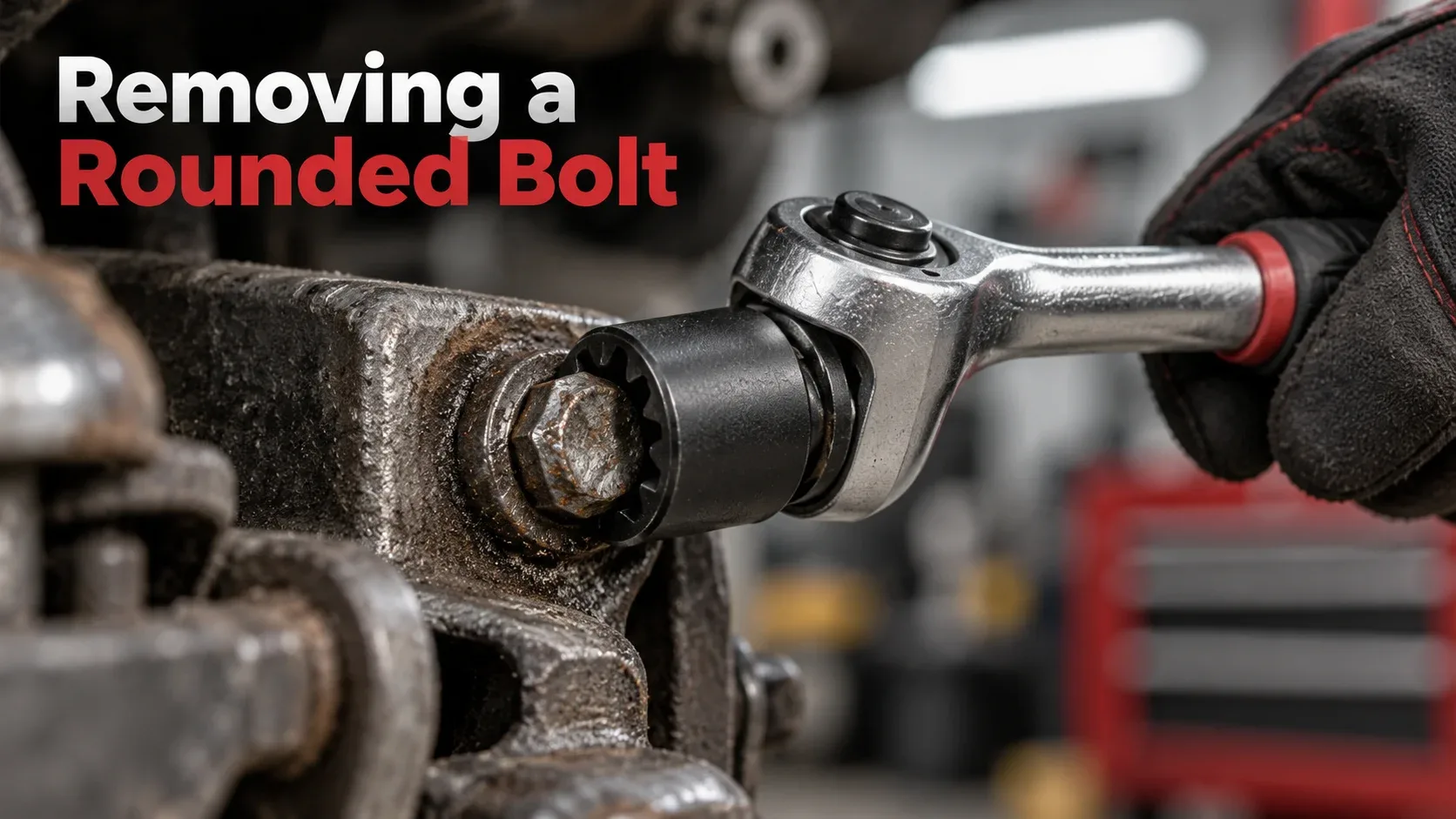
Step 1: Inspect the Bolt
Remove loose dirt or corrosion and check the available working space.
Step 2: Select the Correct Extractor
Choose an extractor socket according to the manufacturer’s recommendations.
Step 3: Seat the Extractor
Position it squarely over the bolt. Some designs require careful tapping to achieve secure engagement.
Step 4: Apply Controlled Torque
Attach a suitable drive tool and gradually turn in the confirmed loosening direction.
Step 5: Remove the Bolt
Once the fastener begins moving, continue carefully and inspect the threads after removal.
How to Remove a Broken Bolt With an Extractor
When a bolt snaps and leaves no usable head, an internal extractor may be appropriate. This method generally requires drilling a centered pilot hole.
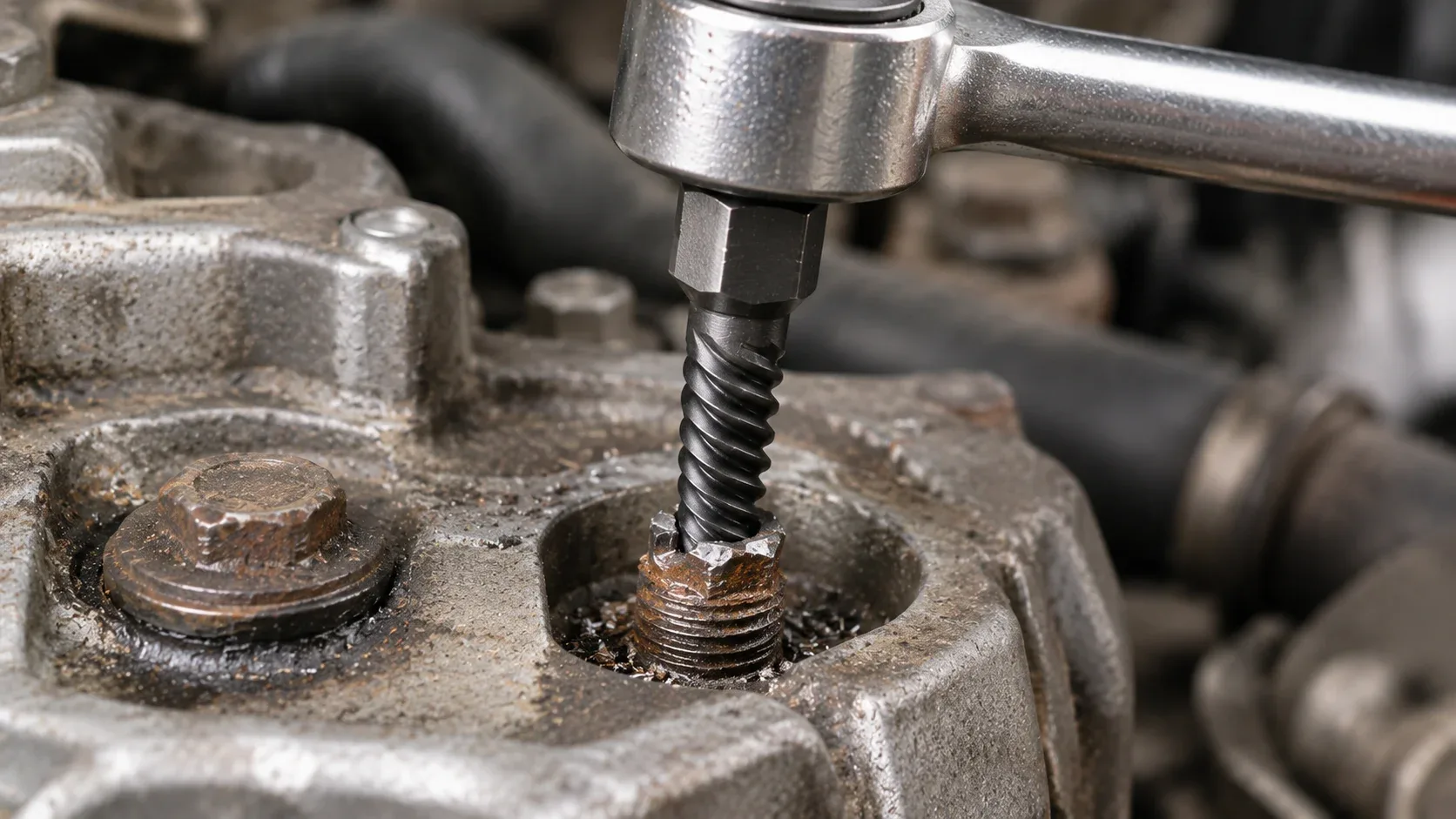
- Assess the break: Check how much of the fastener remains accessible.
- Prepare the area: Clean the fastener and inspect nearby components.
- Mark the center: Use an appropriate center punch or guide.
- Drill the hole: Follow the manufacturer’s recommended diameter and depth.
- Insert the extractor: Engage it using the specified method.
- Turn carefully: Apply controlled manual torque.
- Inspect the threads: Check for damage after removal.
Accurate drilling is important because an off-center hole can damage the threaded material around the bolt. If the extractor begins twisting excessively or the bolt refuses to move, stop.
Bolt Extractor Sizes: Choosing the Right Fit
Bolt extractor sets come in different metric and SAE sizes. Using the correct size improves engagement and reduces the risk of further damage.
External extractor sockets are generally selected according to the remaining bolt-head dimensions. Internal extractors require manufacturer-recommended pilot-hole sizes.
| Factor | What to Check |
|---|---|
| Bolt head | Remaining external dimensions |
| Bolt diameter | Internal extractor compatibility |
| Working space | Available clearance |
| Drive type | Tool compatibility |
Tip: Extractor sizes are not universal. Always check the sizing chart supplied with your set.
Common Bolt Extractor Problems and Solutions
Even a good extractor may not work when the fastener is badly seized or the tool does not fit correctly.
| Problem | Possible Cause | Action |
|---|---|---|
| Extractor slips | Incorrect size | Check fit |
| Bolt does not turn | Seized threads | Stop and reassess |
| Extractor fractures | Overloading | Consider specialist removal |
| Threads damaged | Incorrect drilling | Assess thread repair |
A broken hardened extractor can be particularly difficult to remove. Professional machining may be necessary.
Alternatives When a Bolt Extractor Does Not Work
Not every damaged fastener can be removed with a standard bolt extractor. Sometimes the bolt is too badly damaged, heavily corroded, or difficult to access.
In these situations, other removal methods may be more suitable depending on the condition of the fastener and surrounding components.
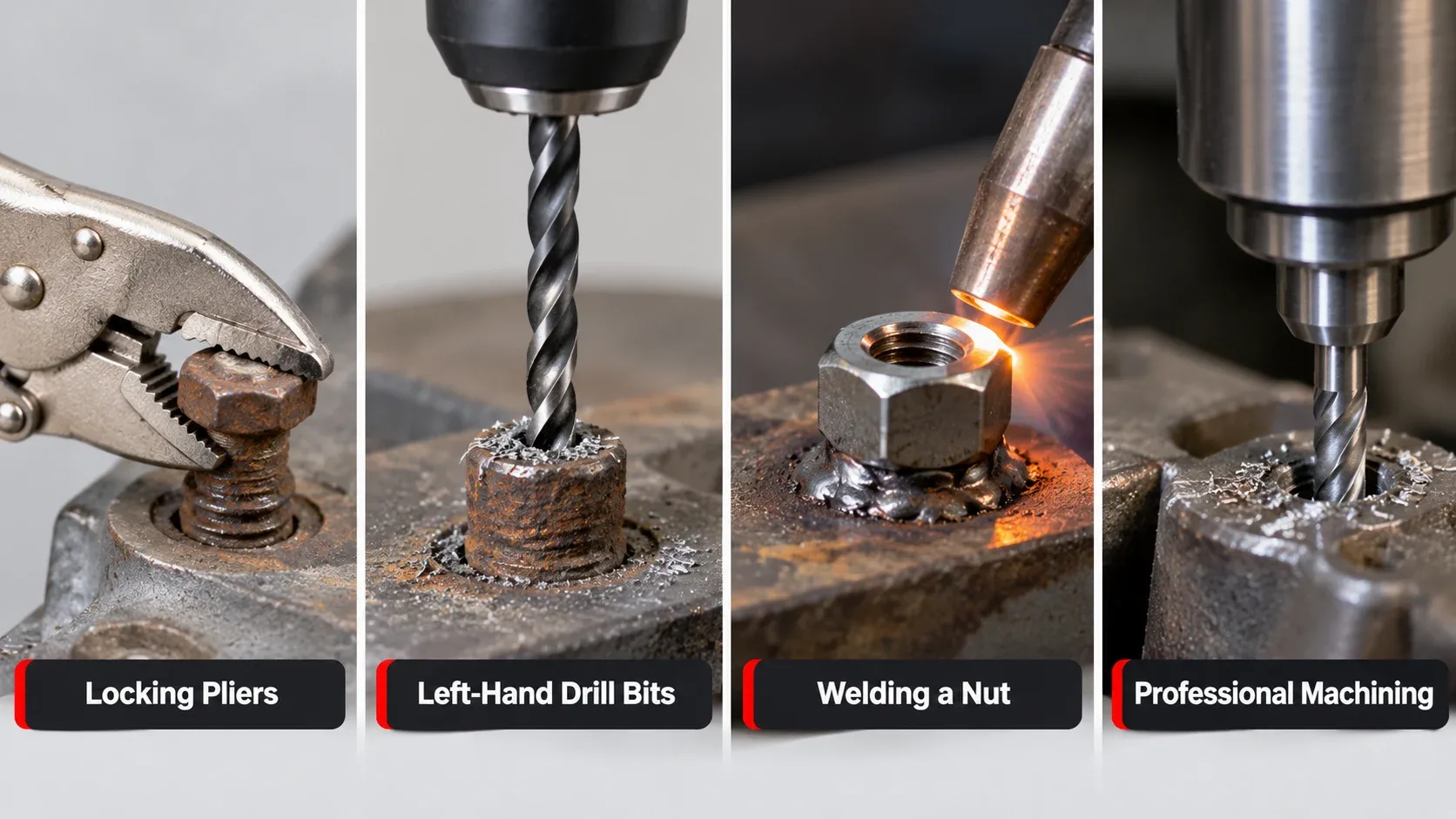
Below are some common alternatives used in automotive repairs, mechanical workshops, and equipment maintenance.
Locking Pliers
Locking pliers may help remove a damaged bolt or stud when enough material remains exposed for a secure grip.
Left-Hand Drill Bits
Left-hand drill bits rotate counterclockwise and may loosen some conventional right-hand threaded fasteners while drilling.
Welding a Nut
An experienced technician may weld a nut onto an exposed broken fastener to create a new surface for turning. This method requires appropriate equipment and safety precautions.
Professional Machining
Severely damaged bolts may require precision drilling, specialized extraction equipment, or professional machining to remove them without damaging surrounding components.
How to Choose the Best Bolt Extractor Set
The best extractor set depends on the kinds of fastener problems you regularly encounter. A larger kit is not necessarily better.
Features to Consider
- Extractor type: External or internal.
- Size coverage: Metric and SAE compatibility.
- Construction: Suitable material strength.
- Drive connection: Compatible with your tools.
- Accessories: Drill bits and storage case.
- Instructions: Clear sizing and use guidance.
| User | Suitable Set | Priority |
|---|---|---|
| DIY user | Basic extractor set | Ease of use |
| Automotive mechanic | Comprehensive kit | Size coverage |
| Industrial technician | Specialized tools | Precision and durability |
Bolt Extractor Applications in Mechanical Engineering
Bolt extractors are used in various repair and maintenance environments where threaded fasteners secure mechanical components.
Automotive Maintenance
Common applications include damaged bolts on engine brackets, exhaust components, and vehicle accessories.
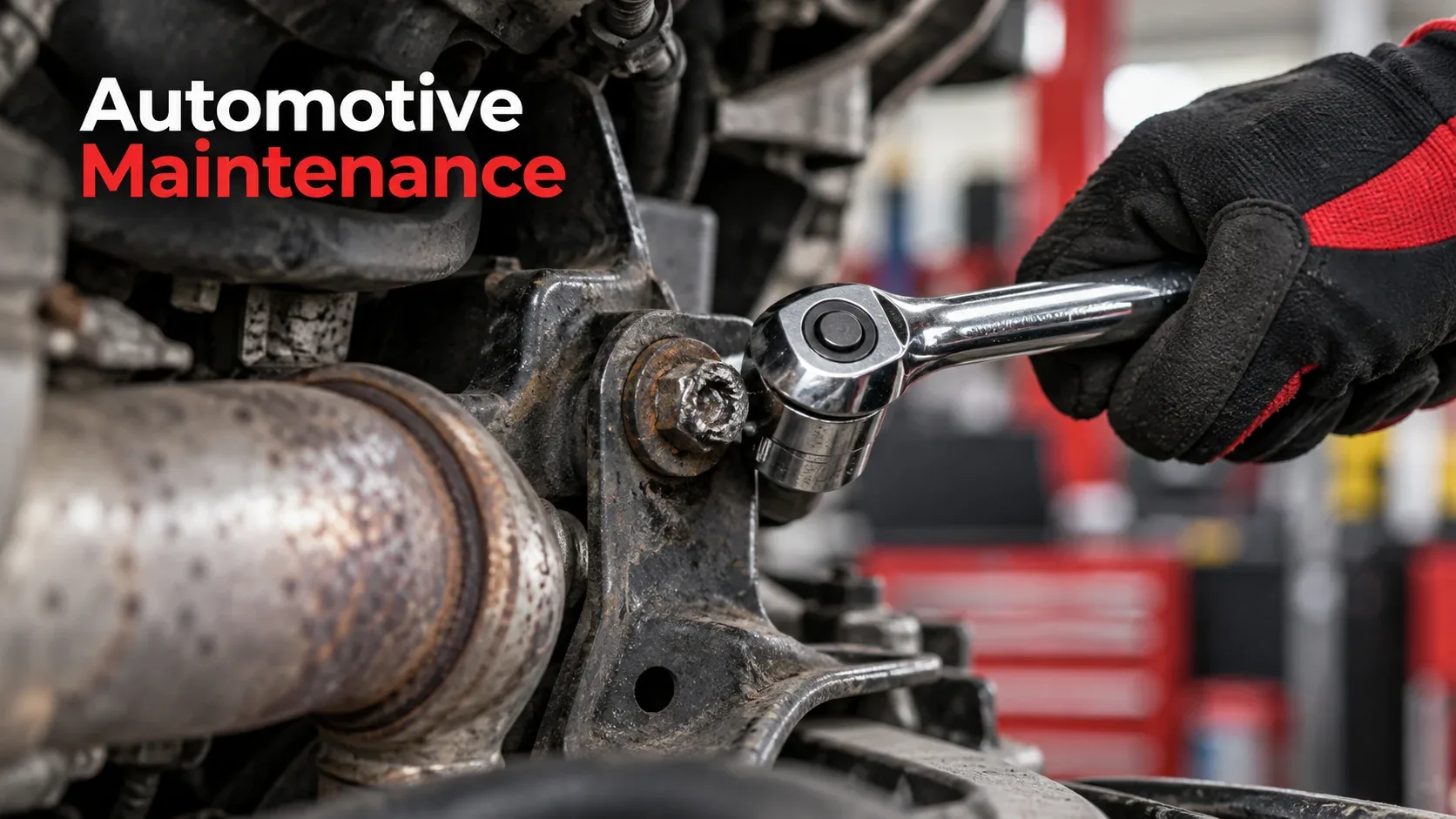
Because many automotive components have limited working space, careful tool positioning is important. Safety-critical parts require approved repair procedures.
Industrial Equipment
Industrial maintenance teams may use bolt extractors when replacing worn machine parts or removing damaged mounting fasteners.
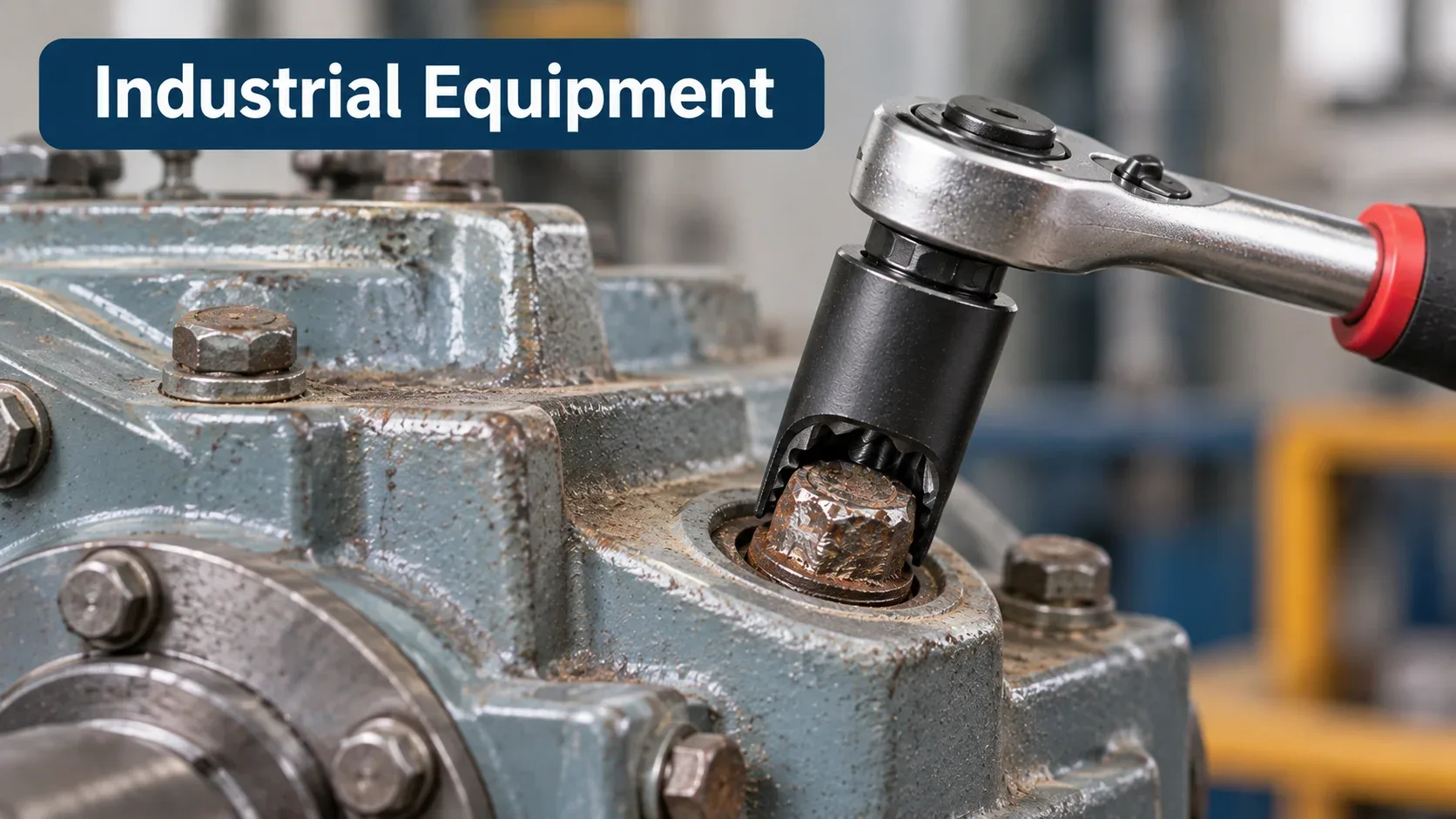
The correct extraction method depends on the machine housing, fastener condition, and working clearance. Equipment should be safely isolated before maintenance begins.
Construction and Agricultural Machinery
Heavy equipment frequently operates in environments where moisture, dust, and vibration can contribute to fastener problems.
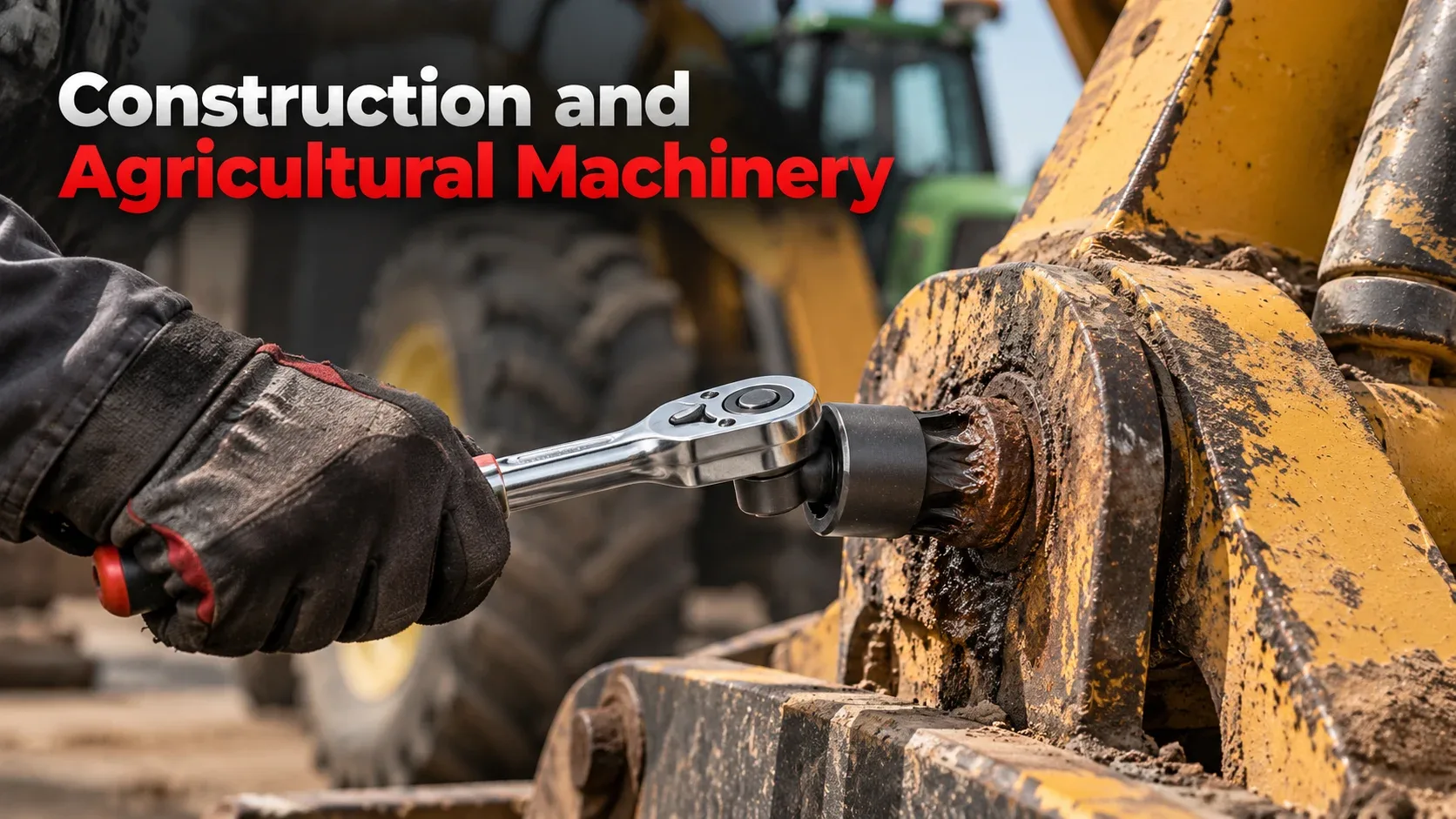
Extractor tools may help with damaged mounting bolts and repair fasteners. Heavily corroded or structural components should be inspected before attempting removal.
Home and Workshop Repairs
Smaller extractor sets are useful for certain home maintenance and workshop projects.
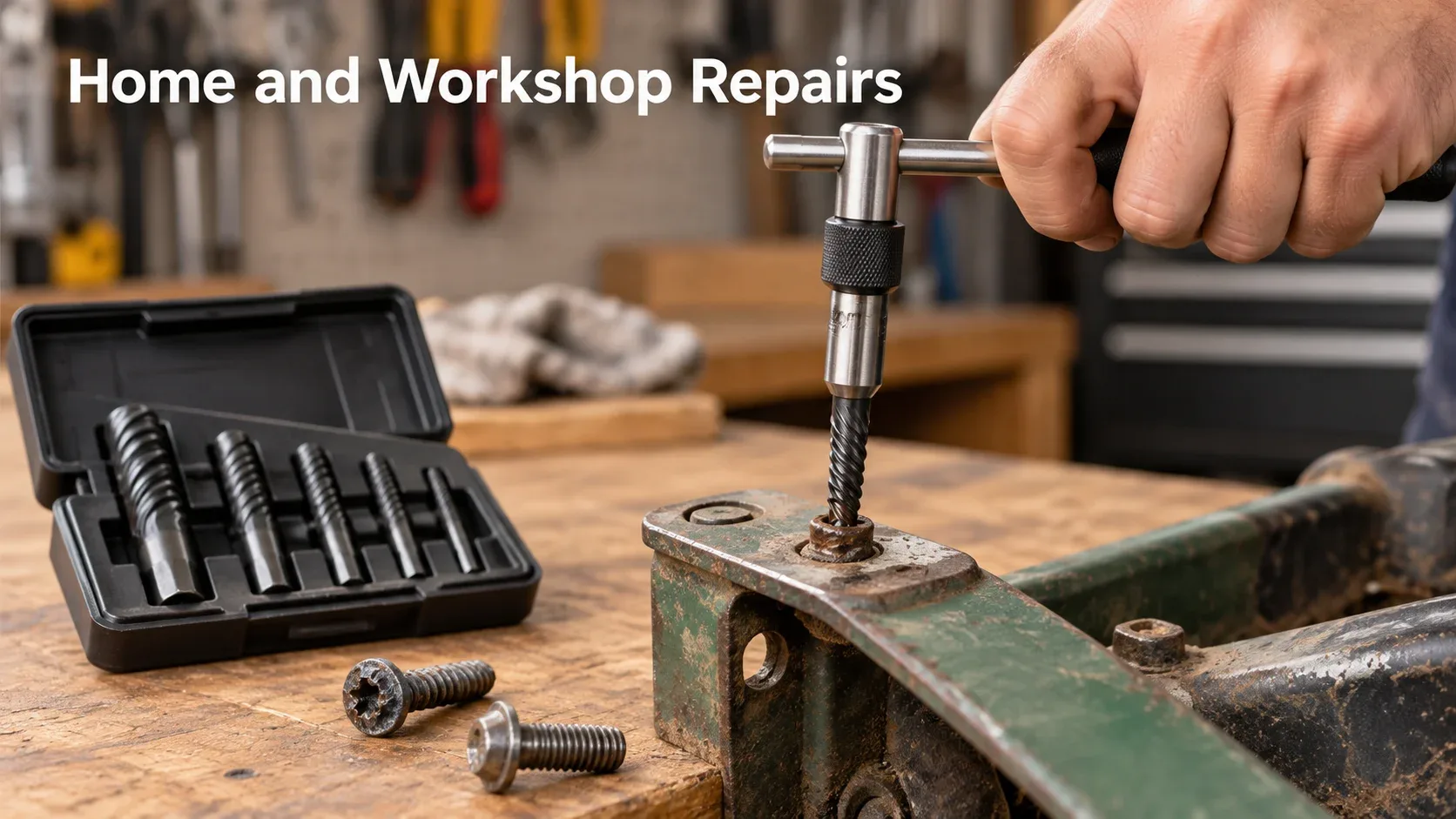
Common applications include damaged fasteners on furniture hardware, outdoor equipment, and small mechanical assemblies.
How to Prevent Rounded and Broken Bolts
Good maintenance practices can reduce the need for extraction tools and help prevent damage to mechanical assemblies.
- Use correctly sized sockets and wrenches.
- Keep tools fully engaged with the bolt head.
- Follow manufacturer torque specifications.
- Inspect worn and corroded fasteners.
- Use approved lubrication where specified.
- Avoid excessive force on seized bolts.
- Replace damaged fasteners when necessary.
Lubrication can change the relationship between torque and bolt clamping force, so always follow the relevant manufacturer recommendations.
Frequently Asked Questions About Bolt Extractor Sets
Here are answers to some common questions about bolt extractor tools and their safe use.
Final Bolt Extractor Safety Checklist
- Identify the type of fastener damage.
- Select the appropriate extractor design.
- Check the manufacturer’s sizing recommendations.
- Wear appropriate safety equipment.
- Secure the workpiece.
- Confirm the thread direction.
- Apply controlled turning force.
- Stop if the extractor slips or begins to fail.
- Inspect the threads after removal.
- Use a suitable replacement fastener.
Final Thoughts
A bolt extractor set is a valuable addition to a home garage or professional workshop. It can help remove many rounded and broken fasteners when ordinary tools no longer work.
The key to successful extraction is choosing the correct tool, preparing the fastener properly, and applying controlled force. If the bolt is severely seized or removal risks damaging an important component, professional assistance may be the safer option.