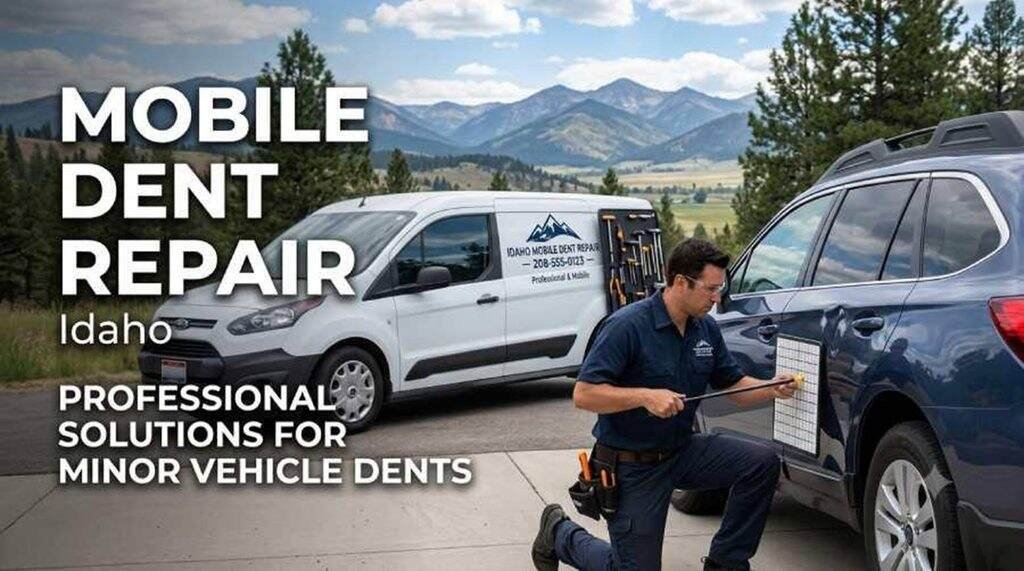
Dents and dings can happen in parking lots, hailstorms, shopping cart mishaps, or minor collisions. Even small imperfections may affect a vehicle’s appearance and value. Traditional body repairs can require sanding, filling, repainting, and leaving the car at a shop for several days. Mobile dent repair offers Idaho drivers a more convenient option, with technicians coming to a home, workplace, or another suitable location.
Using specialized tools and modern techniques, they can remove many minor dents while preserving the original paint. This approach can save time, reduce repair expenses, and help maintain the factory finish. Knowing how mobile dent repair works—and when to seek professional help—can help drivers make informed decisions about caring for their vehicles.
What Is Mobile Dent Repair?
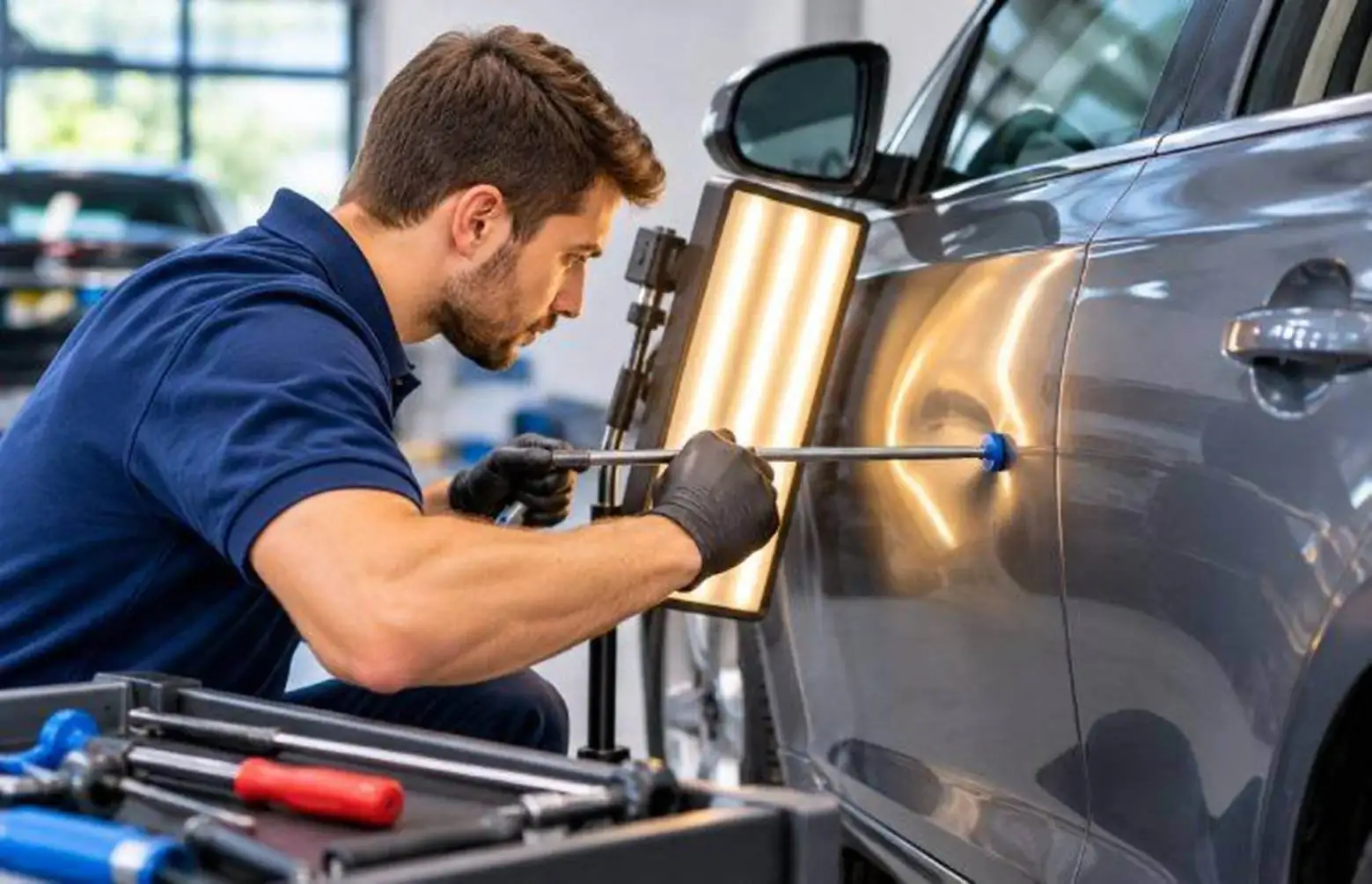
Mobile dent repair brings professional dent removal to your home, office, or another suitable location, so you don’t need to visit a traditional body shop. Many technicians specialize in Paintless Dent Repair (PDR), which is designed to remove minor dents without damaging the original paint. Using specialized rods, pulling tabs, lighting systems, and other tools, technicians carefully reshape the metal—accessing the dent from behind the panel or using controlled pulling techniques—to restore the surface to its original shape.
Mobile dent repair is particularly useful for:
- Small parking lot dents and door dings.
- Minor hail damage.
- Shallow dents caused by falling objects.
- Small body panel indentations.
- Minor creases that have not damaged the paint.
However, not every dent can be repaired using PDR. Deep creases, stretched metal, damaged paint, and severe collision damage may require conventional auto body repair.
How Does Mobile Dent Repair Work?
Professional mobile dent repair follows a systematic process to achieve accurate and consistent results. Although the exact approach depends on the dent’s location, size, and severity, most repairs involve several important steps.
1. Initial Vehicle Inspection
The technician first inspects the damage to determine whether paintless dent removal is suitable, considering the dent’s depth, shape, location, and accessibility. They also check the paint’s condition; cracks, chips, or significant damage may require additional repair methods.
2. Identifying the Damage
Technicians use specialized lighting to reveal a dent’s edges, contours, and deepest points, making even subtle surface distortions easier to spot. A precise assessment helps them choose the tools and repair techniques best suited to the damage.
3. Accessing the Damaged Panel
Depending on the dent’s location, a technician may reach it from behind the panel by carefully removing interior trim, door panels, or other components. If the area isn’t accessible from behind, the technician may use specialized adhesive pulling tools on the exterior surface.
4. Carefully Reshaping the Metal
The technician uses controlled pressure to gradually massage the damaged metal back into its original position. With patience, experience, and precise tool control, professionals make small adjustments and continually check the surface rather than forcing the panel into shape.
5. Final Inspection
After removing the dent, the technician examines the repaired area under specialized lighting to spot any remaining imperfections and check that it looks consistent with the surrounding surfaces. The goal is to restore the vehicle’s original appearance while preserving its factory paint whenever possible.
Benefits of Choosing Mobile Dent Repair in Idaho
Mobile dent repair offers several advantages for vehicle owners who want convenient and professional solutions for minor vehicle damage.
1. Convenient On-Site Service
Mobile dent repair brings the service to you. There’s no need to drive to an auto body shop, arrange transportation, or spend time waiting for an appointment. Technicians come to your preferred location, making it easier to fit vehicle maintenance around work and personal responsibilities.
2. Saves Time
Traditional body repair may involve sanding, filling, priming, painting, and drying, and can take several days depending on the damage. When the damage is suitable, paintless dent repair skips many of these steps, so many minor dents can be repaired in just a few hours.
3. Cost-Effective Repair Solutions
Mobile dent repair may cost less than traditional bodywork because it typically uses fewer materials and requires less labor. If repainting or replacement parts aren’t needed, vehicle owners may avoid those added expenses. The final cost depends on the dent’s size, depth, location, accessibility, and the number of damaged areas.
4. Preserves Original Factory Paint
Paintless dent repair is designed to preserve your vehicle’s existing paint. Because it typically avoids sanding and repainting, it helps maintain the original factory coating—a benefit when preparing the vehicle for resale.
5. Environmentally Friendly Approach
Traditional body repairs can involve paints, primers, solvents, and other chemical products. Paintless dent repair generally uses fewer chemical materials, reshaping the existing metal instead of covering the damage with new paint. It can be a practical option for minor dents when the original paint is intact.
Common Vehicle Dents That Mobile Dent Repair Can Fix
Idaho drivers experience different types of vehicle damage throughout the year. Fortunately, many minor dents can be addressed through professional mobile repair services.
- Parking Lot Door Dings: Parking lot door dings are common minor vehicle damage, typically caused when another car’s door accidentally hits a parked vehicle. These dents are often small and shallow, making them good candidates for paintless dent repair when the paint is undamaged.
- Hail Damage: Hail can leave multiple small dents on a vehicle’s hood, roof, trunk, and doors. Idaho vehicle owners may encounter this damage during severe weather. A mobile dent repair technician can assess the dents and determine whether paintless dent repair (PDR) is suitable. For extensive damage, a professional assessment is important because the dents’ number, size, and location can affect the repair process.
- Minor Collision Dents: Low-speed impacts can dent doors, bumpers, fenders, and other body panels. Some minor dents may be suitable for paintless dent removal, but sharp creases, chipped or broken paint, and damage to structural components generally require additional repairs.
- Shopping Cart Dents: Shopping carts can hit vehicles in parking lots and leave visible dents. If the dent is small and the metal and paint are in suitable condition, it may be repairable without repainting.
- Dents From Falling Objects: Falling branches, small objects, and other debris can dent a parked vehicle. The right repair method depends on the impact’s force and the damaged panel. A professional inspection can help determine whether mobile dent repair is suitable.
Why Professional Dent Repair Matters
Minor dents can look like easy DIY fixes, but removing them takes specialized knowledge and equipment. Too much pressure, improper pulling, or unsuitable heat can stretch the metal, damage the paint, or leave new imperfections. Professional technicians know how different panels respond and how to work around reinforced areas, edges, and other structural limitations.
Choosing professional mobile dent repair helps ensure:
- Proper assessment of the damaged area.
- Appropriate repair techniques and tools.
- Reduced risk of additional paint or panel damage.
- Consistent results across the repaired surface.
- Convenient service at a preferred location.
For valuable vehicles, newer models, and cars with specialized paint finishes, professional evaluation is particularly important.
How to Choose a Reliable Mobile Dent Repair Service in Idaho
Selecting an experienced technician is important for achieving quality results. Before scheduling an appointment, vehicle owners should consider several factors.
1. Check Experience and Training
Look for technicians experienced in paintless dent removal and a range of vehicle damage. Skilled professionals know how to work with different panel materials and vehicle designs.
2. Review Customer Feedback
Online reviews can offer insight into service quality, professionalism, punctuality, and customer satisfaction. Look for consistent patterns in the feedback instead of relying on one positive review.
3. Ask About Repair Methods
A reliable technician explains the proposed repair method, whether the dent is a good fit for PDR, and any limitations. They should inspect the damage before promising a result.
4. Request a Clear Estimate
Before approving the repair, ask for an estimate detailing the expected cost and scope of work. Pricing may vary based on dent size, depth, location, accessibility, and the total number of dents.
5. Confirm Mobile Service Availability
Not every repair is possible in every location or weather condition. Check whether the technician can service your area and whether you’ll need a garage or covered workspace.

Tips to Prevent Vehicle Dents in Idaho
Preventing dents can help Idaho vehicle owners reduce maintenance costs and protect their cars’ appearance.
Consider these practical precautions:
- Choose parking spaces carefully: Avoid parking too close to other vehicles or areas with heavy pedestrian traffic.
- Use covered parking: Garages and covered parking areas can help protect vehicles from hail and falling debris.
- Maintain a safe distance: Leave enough space between vehicles when driving and parking.
- Avoid crowded parking areas: Whenever possible, choose less congested parking spaces.
- Use protective accessories: Suitable car covers can provide additional protection when vehicles are parked outdoors.
- Inspect your vehicle regularly: Identifying small dents early can help prevent minor cosmetic issues from being overlooked.
These simple habits can help minimize accidental damage and maintain a vehicle’s exterior condition. Read here for more such details on GemstatePDR.