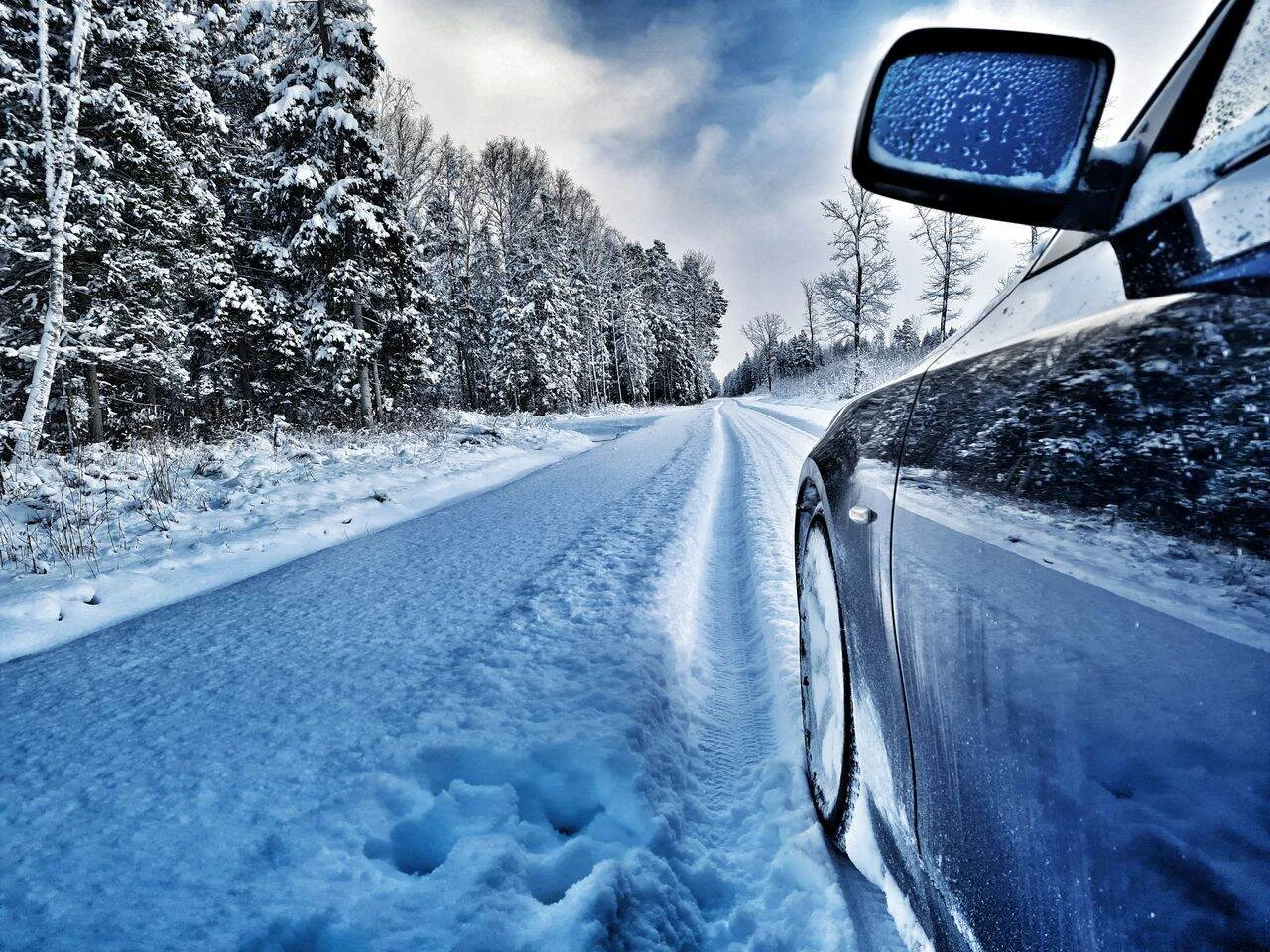
Nobody wakes up to find their brakes dead. The wear builds slowly over a year or two, and the first cold snap is what exposes it. On dry pavement a tired pad still gets the job done. Put it on slush and black ice and suddenly you’re standing on the pedal and still sliding past the stop line.
A pre-winter brake inspection takes about an hour. Do it in October and you pick the day, the shop and the budget. Wait until January and the car picks all three for you, usually while you’re running late for work.
What follows is a plain walk through six trouble spots. Nothing exotic here. Most of them warn you first with a noise, a strange pedal or a pull to one side, and once you’ve felt those signs you’ll know whether it’s worth a phone call to the shop.
1. Worn Brake Pads That Struggle to Stop Your Car
Pads are meant to wear out. Each stop shaves off a sliver of friction material, and after a few years of commuting the sliver adds up to most of what was there. Thin pads need more road to stop you. On a slippery surface they also stop braking smoothly, which is what keeps the car pointing straight ahead.
The early hint is a squeal that doesn’t go away after a few days. Many cars carry a wear sensor wired to a dash light as well. Grinding is the loud version. It normally means the pad is finished and metal is biting into metal, so don’t plan on driving that car for another month.
Noise by itself can mislead you, though. Some pads squeak for their whole life and are fine. A technician with a gauge settles it in a minute, and they’ll check the clips and slides while the wheel is off. Swap the pads when the number says swap, and February stops will feel like July stops.
2. Brake Rotors Showing Rust, Grooves or Uneven Wear
Rotors sit out in the weather as bare cast iron. Road salt, slush and damp air all land on them. Leave the car alone over a long weekend and you’ll see an orange coat on the discs. Harmless. A few stops and it’s gone.
Deep rust looks different, and so do grooves, pitting and cracks. These brake rotor problems show up as a shaking steering wheel or a pulsing pedal when you slow from highway speed. Uneven wear feels the same from the driver’s seat.
Looks don’t decide anything here. Thickness does. Every rotor has a minimum figure stamped by the manufacturer, and the shop measures it with a micrometer. Some rotors can be resurfaced and some can’t. Putting it off lets the damage reach the pads and the rest of the system, and a modest repair turns into a pricey one.
3. A Soft Brake Pedal That Feels Different
After a few months you know your pedal by feel, and it shouldn’t change from one week to the next. A spongy pedal, one that travels too far before anything happens, or one that creeps toward the floor under steady pressure means the hydraulic side has a fault. Drivers love blaming the cold for this. It’s rarely the cold.
Most brake problems in winter didn’t start in winter. They sat there, small and unnoticed, until cold roads made them obvious. Air in the lines, a slow leak and water-logged fluid all reduce the pressure that reaches the wheels. Fluid soaks up moisture as it gets older, so carmakers put a replacement date on it.
Pumping the pedal to get it firm only buys a few seconds. The problem stays exactly where it was. You need that pedal solid when the car in front stops short, and pumping won’t give you that.
If the pedal drops fast, sinks toward the floor or fades while you’re stopping, get the car off the road safely and call for help. Same-day repair, no exceptions.
4. Uneven Braking That Pulls Your Car Sideways
Brake in a straight line and the car should hold that line. If the nose wanders left or right, one side is doing more work than the other.
Mechanics tend to start with the usual suspects. A caliper sticking on its slide pins is one. Pads worn harder on one side is another. Then there’s the brake hose that has collapsed inside and is starving a single wheel of fluid, and rusty hardware can make any of them worse. Brakes aren’t always at fault either, since uneven tyre pressure, worn suspension parts and poor alignment will drag a car sideways just the same. A proper diagnosis beats a hunch.
Make a few notes before you take the car in. Record whether the pull shows up at low or high speed, whether it starts only after the car has warmed up, and whether there’s a burning smell or a strange noise. A technician can find the fault much faster with those details.
A pull on every stop means the inspection should happen before any more winter driving. On a slippery road, a strong pull can take the steering away from you quickly.
5. Grinding Sounds, Squealing or Brake Pedal Vibration
Not every brake noise is a warning. The rotors pick up a light film of moisture overnight, so the first stop or two in the morning can sound rough. By the third stop it’s usually gone. The sounds that deserve attention hang around, get louder, or come with the car stopping differently.
A squeal that won’t quit tends to mean worn pads or tired clips and shims. Grinding is metal on metal, plain and simple. A shake through the wheel or pedal usually comes from uneven rotor surfaces, although other faults can mimic it.
Ice has its own quirk. A hard stop on a slick road makes the anti-lock system pulse the pedal, and that buzzing is how it’s supposed to work. Vibration during ordinary, gentle braking is a different matter.
Once a noise starts repeating, book the check. Week one is a cheap fix, and week ten is a bill.
6. Sticking Calipers and a Parking Brake That Will Not Release
Think of the caliper as a clamp. It grips the pads against the rotor when you brake and opens again when you let off. Rust or a seized slide pin can leave it half-closed, so the pads keep rubbing even when your foot is off the pedal. That drag brings uneven wear, a lot of extra heat and thirstier fuel use.
Cold weather tends to bring the signs out. A burning smell, a car that feels heavy pulling away, a rolling resistance that doesn’t feel right, or one wheel much hotter than the others after a drive. Keep your hand off the wheel to test it. Brake parts get hot enough to burn.
The parking brake picks up its own winter trouble. Damp gets into the cables and linkages, freezes overnight and locks everything solid. Forcing it or driving off hard usually ends with something broken.
If the brake stays on, a wheel feels locked, or smoke or a burning smell shows up, pull over somewhere safe and call a professional. The longer you drive on a dragging brake, the worse the damage gets.
What to Include in Your Winter Brake Maintenance Plan
Real car brake maintenance goes well beyond new pads. A full pre-winter check covers pad thickness, rotor condition, caliper movement, hoses, fluid condition and any warning lights on the dash.
Use the pre-winter brake inspection to pull out the service history and compare it with the manufacturer’s schedule. Catching brake rotor problems and other slow faults early generally costs far less than repairing them once they’ve spread.
Inspections also find brake problems in winter that a short test drive would never reveal. No check prevents every failure, but regular ones catch wear and damage while it’s still manageable.
Get Your Brakes Ready Before Winter Arrives
Getting ahead of brake trouble makes winter a lot less stressful. Lingering noises, vibration, pulling and a pedal that feels different are all worth a proper look before the first bad drive.
When you go looking for brake service Toronto, pick a technician who talks you through what they found and bases the work on actual measurements. At any auto repair shop Toronto, the good signs are plain explanations, a thorough inspection and advice that matches the manufacturer’s specs.
That holds for a first-time brake service Toronto booking and for a shop you’ve used for years. An auto repair shop Toronto that handles your seasonal work well is worth keeping. Car brake maintenance starts with noticing the warning signs early. If the brakes feel unsafe, leave the car parked until they’ve been checked and fixed.