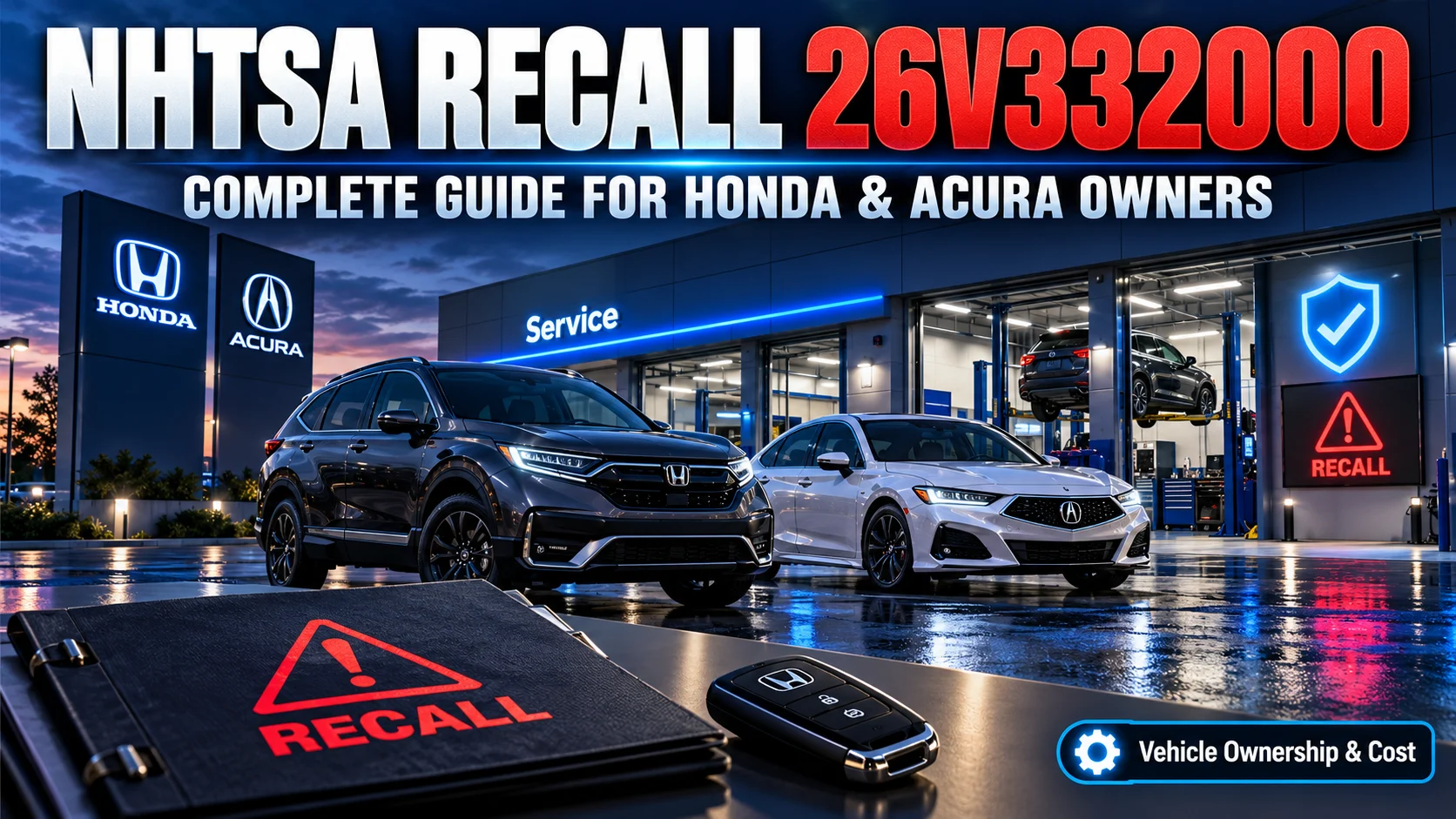
A recall notice can be unsettling, especially when it concerns an airbag. NHTSA recall 26V332000 covers certain Honda and Acura vehicles with a front passenger seat weight sensor that may crack and short circuit. The defect can lead to unintended airbag deployment during a crash, increasing the risk of injury.
Honda reported the recall on May 21, 2026. It includes 98,892 potentially affected vehicles. If you own one of the listed models, the next step is to check your individual vehicle identification number (VIN), not assume that every car from the same year is affected.
Recall 26V332000 at a Glance
Affected component: front passenger occupant classification seat weight sensor. The 98,892 figure represents a potentially affected population, not 98,892 confirmed sensor failures.
What Is NHTSA Recall 26V332000?
This is a federal vehicle safety recall reported by American Honda Motor Co. concerning front passenger occupant classification sensors installed in certain Honda and Acura vehicles. NHTSA assigned the campaign number 26V332, commonly written as 26V332000 in recall databases.
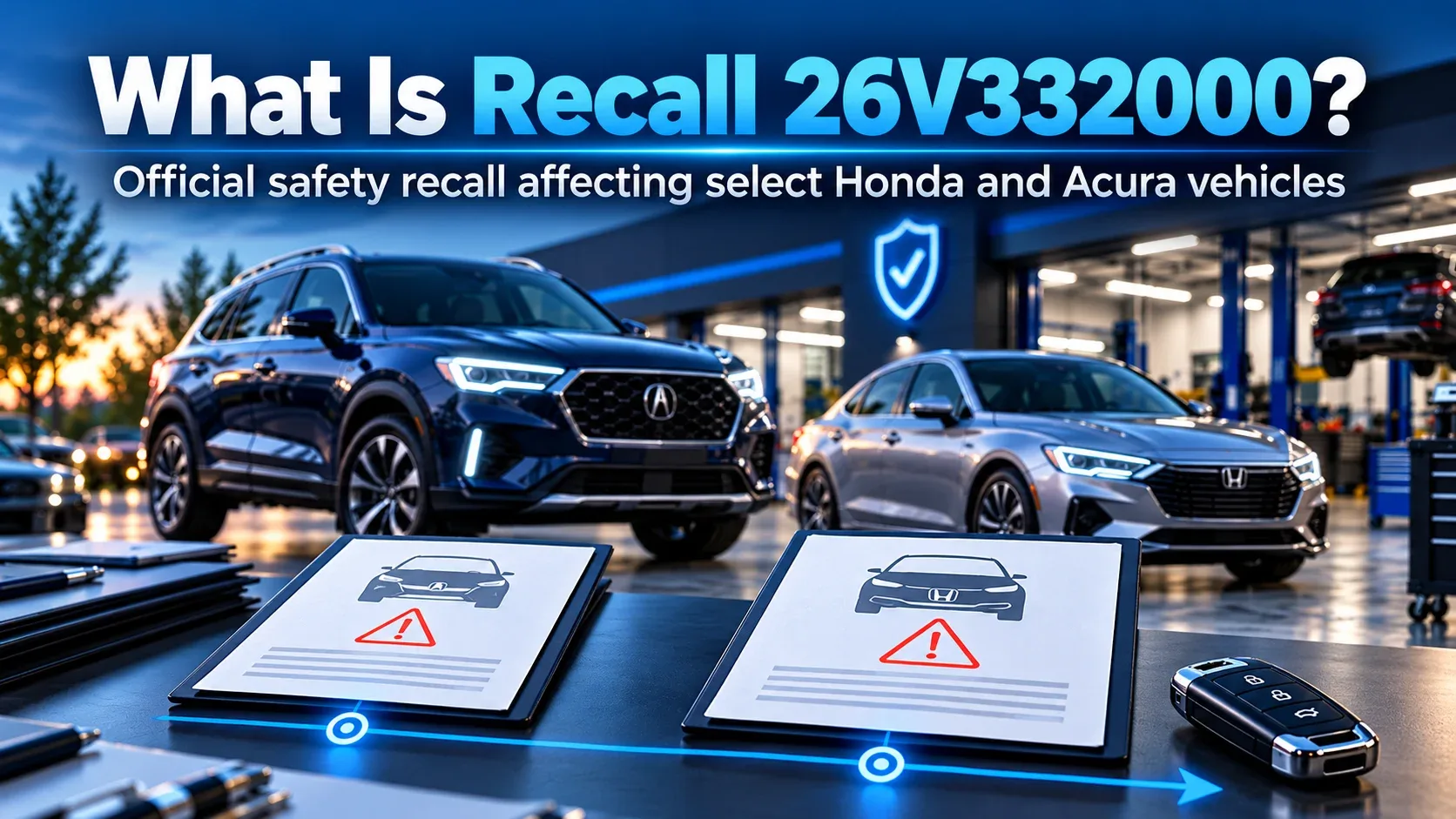
The seat weight sensor helps the vehicle’s airbag system determine how to respond to a front passenger. According to Honda’s recall filing, the sensor’s printed circuit board may develop a crack and an electrical short. That condition can interfere with intended passenger airbag operation.
Which Honda and Acura Vehicles Are Affected?
Honda’s recall covers selected vehicles across the model years below. Some entries have gaps in the listed years, so do not assume that every year between two dates is included. Even when a model and year appear, only a VIN lookup can confirm an individual vehicle’s open recall status.

Honda models and years
| Model | Model years listed |
|---|---|
| Accord | 2016–2022 |
| Accord Hybrid | 2017–2022 |
| Civic | 2016–2022 |
| Civic Coupe | 2016–2020 |
| Civic Hatchback | 2017–2021 |
| Civic Type R | 2017–2018, 2021 |
| CR-V | 2017–2022 |
| CR-V Hybrid | 2020–2022 |
| Fit | 2018–2020 |
| HR-V | 2019–2021 |
| Insight | 2019–2022 |
| Odyssey | 2018–2026 |
| Passport | 2019–2021 |
| Pilot | 2017–2022 |
| Ridgeline | 2017–2021, 2023, 2025 |
Acura models and years
| Model | Model years listed |
|---|---|
| MDX | 2017–2020, 2022–2026 |
| RDX | 2019–2024 |
| TLX | 2018–2021, 2023 |
Sources: NHTSA recall acknowledgment dated May 28, 2026, and Honda’s official recall filing. Model-year listings identify potential populations, not every individual vehicle.
What Causes the Passenger Seat Weight Sensor Problem?
The passenger seat weight sensor is part of the vehicle’s occupant classification system. In normal operation, it supplies information used to manage the front passenger airbag. That matters because an empty seat, a child restraint, and an adult passenger can require different airbag responses.
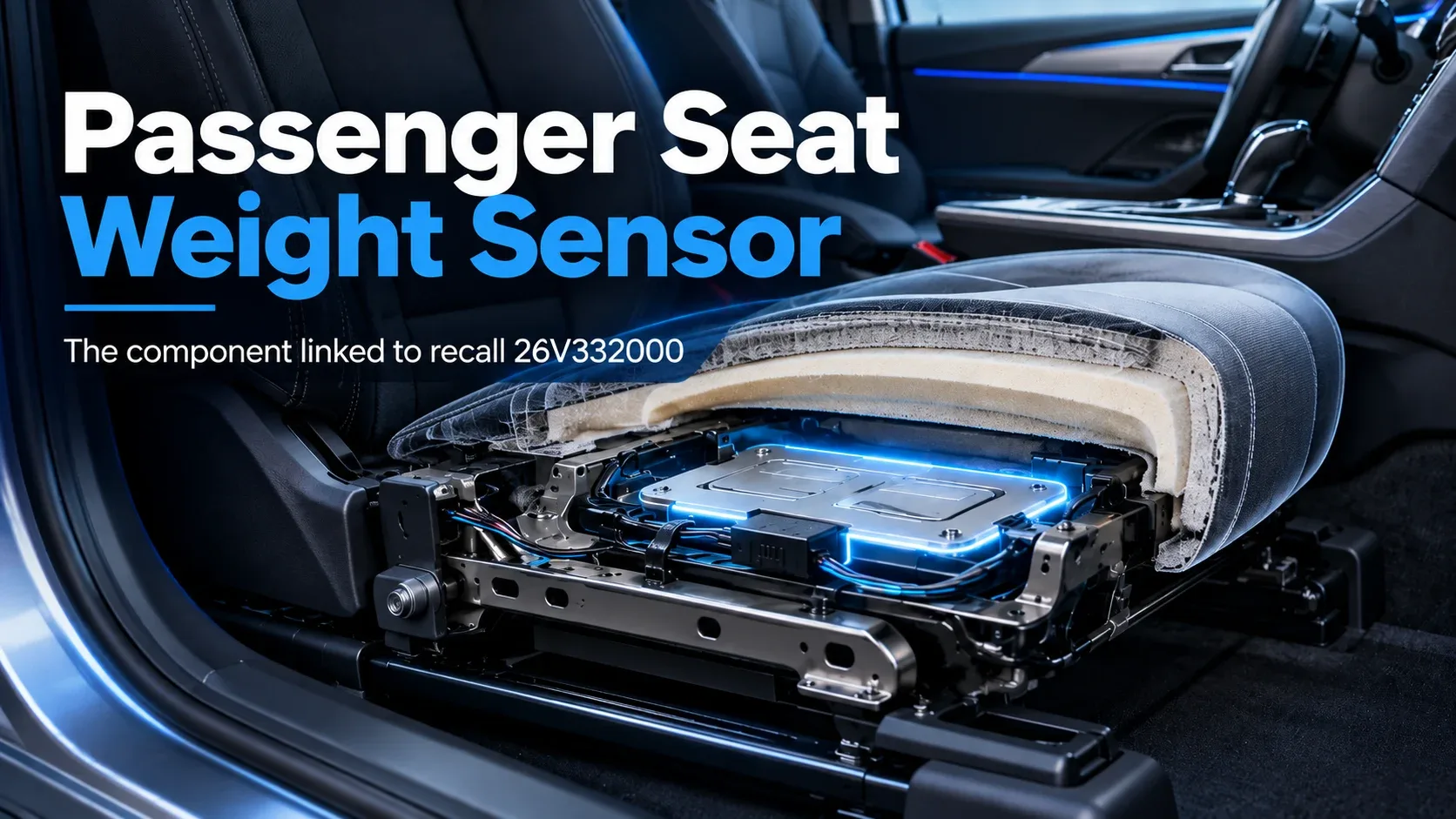
For this campaign, Honda identified a problem involving printed circuit board material inside certain sensors. A crack may develop, creating the possibility of a short circuit. The fault can prevent the system from responding as intended during a crash.
Certain printed circuit boards may be susceptible to cracking.
A crack can lead to an electrical short within the sensor.
An airbag may deploy unintentionally during a collision.
Honda’s recall report says replacement sensors use verified printed circuit board material. The supplier and Honda also improved production identification, validation, and traceability procedures.
How Serious Is Recall 26V332000?
Airbags are safety systems engineered to work under particular crash conditions. An airbag that deploys when it should not can injure an occupant. NHTSA identifies an increased injury risk from unintended deployment during a crash as the consequence of this recall.
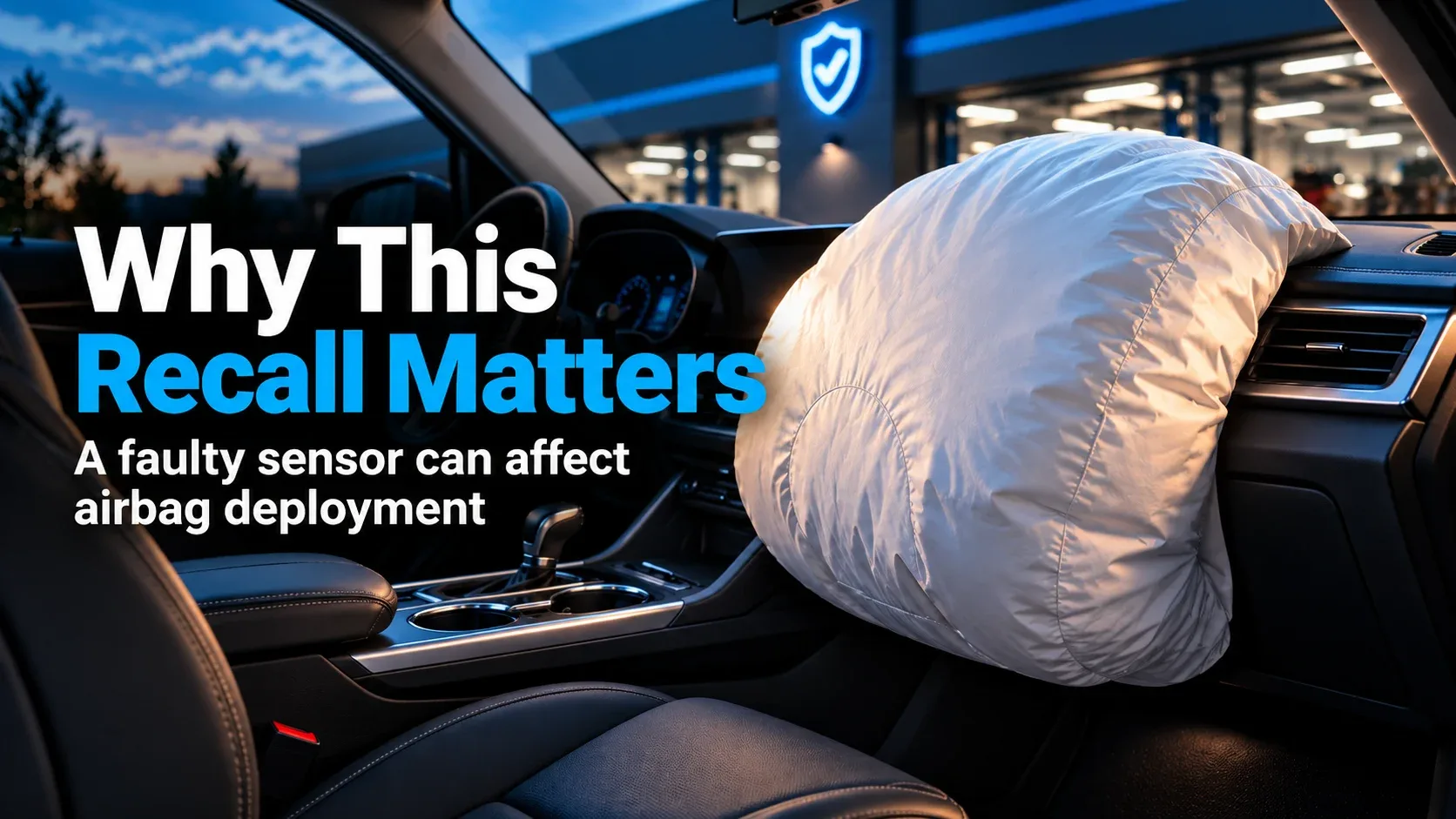
It is important to distinguish a potential defect from a confirmed failure in your own car. Honda’s May 2026 filing reported 228 warranty claims and no US reports of injuries or deaths related to this issue over the period it reviewed. That does not make the defect harmless or eliminate the need for the recall repair.
Get vehicle-specific guidance directly from Honda or an authorized dealer. Do not assume that the absence of an airbag warning light means a recalled vehicle is unaffected. Follow any precautions in your official recall notice. If your supplemental restraint system warning light is on, arrange professional diagnosis rather than attempting a DIY bypass.
How to Check Your VIN for NHTSA Recall 26V332000
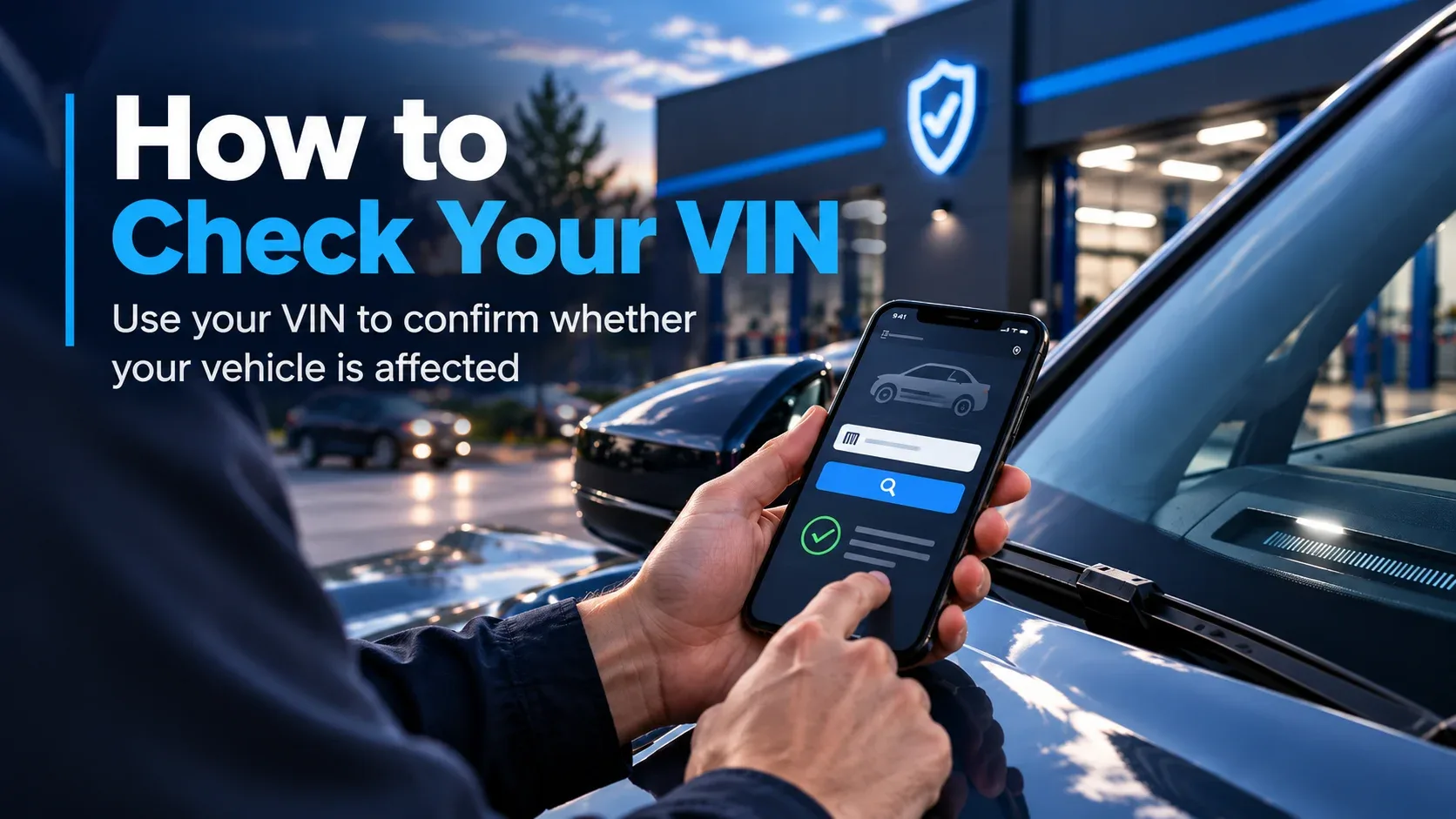
Your vehicle identification number (VIN) is the most useful way to determine whether the recall is open on your vehicle. A year-and-model search can provide an initial clue, but it is not a substitute for a VIN-specific result.
Four simple steps
- Find your VIN: Check the bottom of the driver’s-side windshield, driver’s door jamb, registration, or insurance card.
- Open the official recall search: Visit NHTSA.gov/recalls.
- Enter all 17 characters: Review the result for open safety recalls involving your car.
- Confirm the next step: If this campaign is open, contact a Honda or Acura dealership and arrange the free repair.
Check Your Vehicle’s Recall Status
Use the free government lookup before making a service appointment.
Check Your VIN at NHTSA ↗You can also use Honda’s recall lookup or the Acura recall lookup. If the result is missing or unclear, call the manufacturer with your VIN rather than guessing.
How to Get the Free Honda or Acura Recall Repair
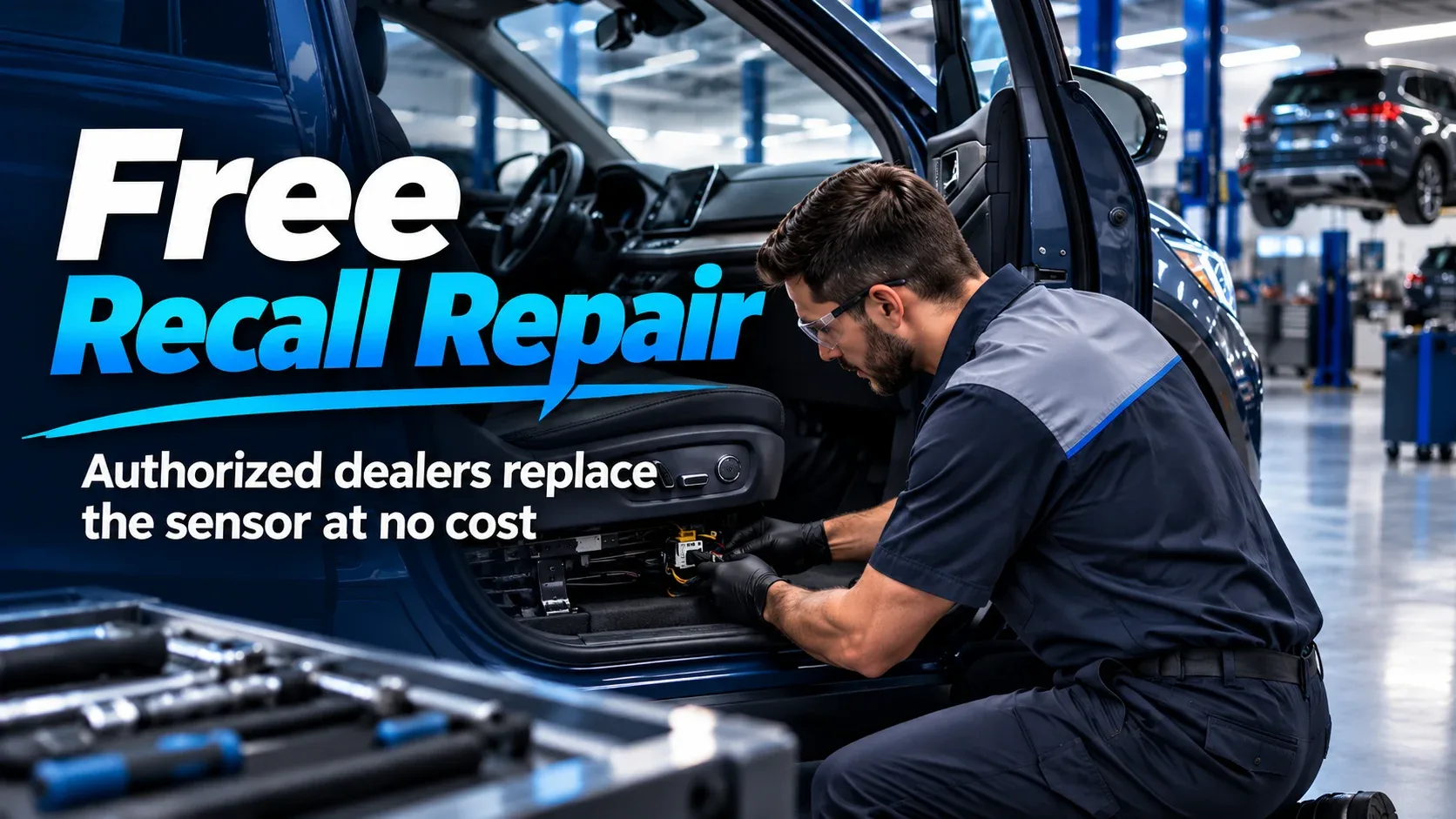
The official remedy is replacement of the affected seat weight sensor with a non-defective component. An authorized Honda or Acura dealership performs the covered recall work at no charge.
What to do next
- Check your VIN and confirm the recall is open.
- Call an authorized Honda or Acura service department.
- Mention NHTSA recall 26V332000 and provide your VIN.
- Confirm that the required replacement part is available and ask about appointment duration.
- Save the completed repair order as part of your vehicle history.
Honda originally scheduled owner notifications beginning in July 2026. You do not need to wait for a letter if your VIN confirms an open safety recall. Ask the dealer about part availability and scheduling.
Honda recall customer service: 1-888-234-2138.
Will Recall 26V332000 Cost You Anything?
For an eligible vehicle, the manufacturer-covered sensor replacement is free, including the necessary parts and labor at an authorized dealer. This is true even when an affected car is no longer covered by its original new-vehicle warranty.
| Item | What the owner should expect |
|---|---|
| Covered sensor replacement | Free |
| Covered recall labor | Free |
| Unrelated maintenance or repairs | May cost extra; request approval first |
| Previously paid sensor repair | Ask Honda about reimbursement eligibility |
| Travel or alternate transportation | Ask dealer about available options; not automatically included |
Does the recall affect resale value?
An unrepaired safety recall may raise questions for a buyer, but it does not establish a specific dollar reduction in the car’s value. Keeping your completed recall paperwork can make your maintenance history easier to explain when selling or trading the vehicle.
How Does Recall 26V332000 Relate to Recall 24V064?
Honda’s filing identifies 26V332000 as an expansion of earlier NHTSA recall 24V064. Both concern the front passenger seat weight sensor issue. The later campaign accounts for an additional population identified through Honda’s investigation and review of affected components.
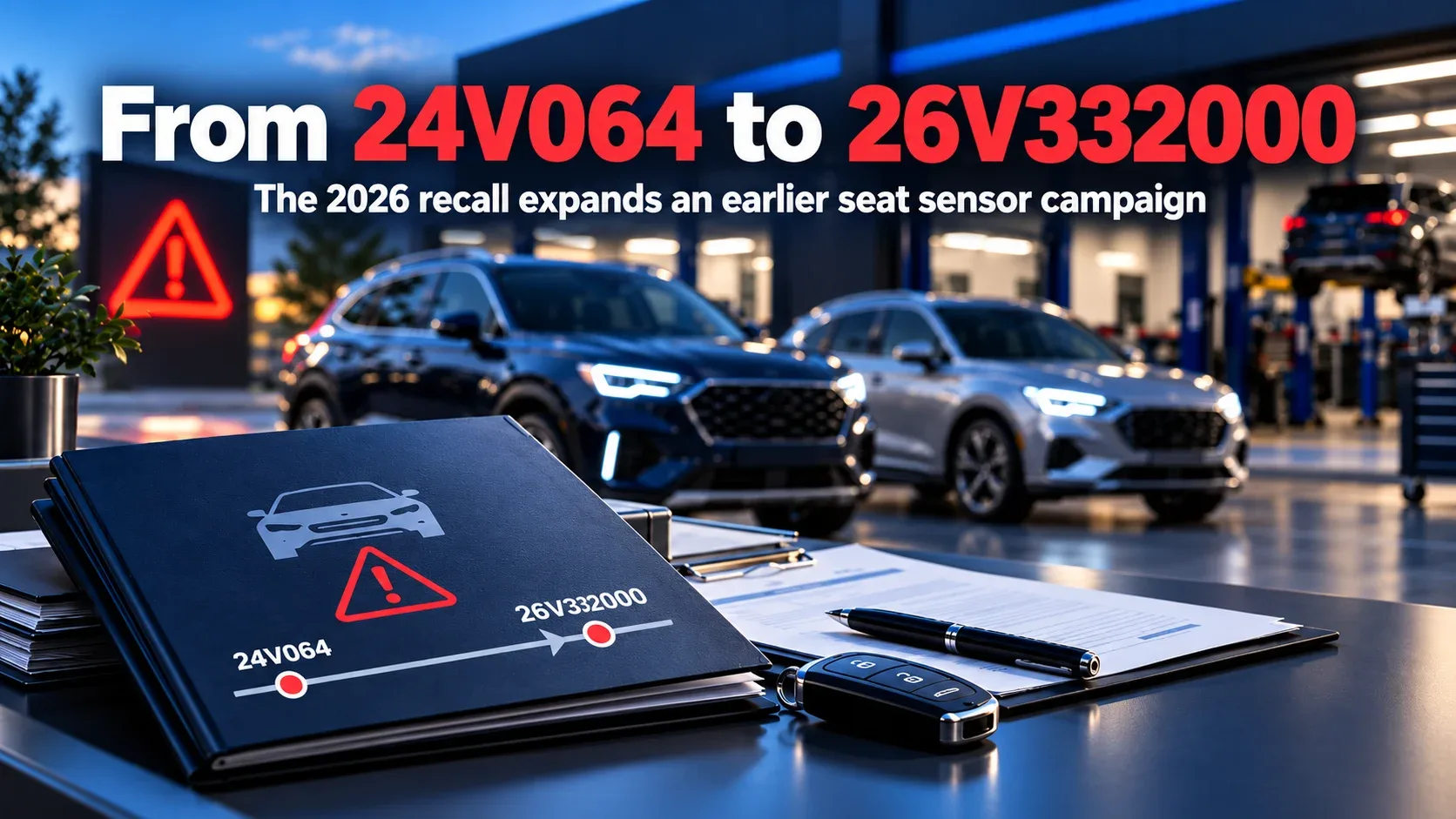
Earlier seat weight sensor recall 24V064 announced.
Honda reviews additional vehicle and service-part exposure.
New campaign 26V332000 reported to NHTSA.
If your vehicle was repaired under the earlier campaign, do not assume the work must be repeated—or that the new campaign cannot apply. Ask the dealer to review the specific VIN, campaign status, and previous repair records.
What Used-Car Buyers Should Know
A vehicle can have an open recall even when it runs well and passes a visual inspection. If you are buying a used Honda or Acura from the affected model-year ranges, include a VIN recall search in your pre-purchase checklist.
- Request the full 17-character VIN before making a purchase decision.
- Check for outstanding safety recalls on NHTSA’s website.
- Ask the seller or dealership for evidence of any completed recall work.
- If the recall is open, ask the seller and an authorized dealer about scheduling the free remedy.
- Keep a copy of the recall status and service record.
Safety recall repairs generally follow the affected vehicle, not only its original owner. A used-car buyer can therefore request the applicable free repair through an authorized dealership.
Frequently Asked Questions About Recall 26V332000
What is NHTSA recall 26V332000?
It is Honda’s May 2026 safety recall for potentially defective front passenger seat weight sensors in selected Honda and Acura vehicles.
Does every Honda or Acura from the listed years need repair?
No. Only specific vehicles are affected. Check the full VIN using NHTSA or the manufacturer recall database.
Is this recall related to the passenger airbag?
Yes. The defect involves the front passenger occupant classification seat weight sensor and can cause unintended airbag deployment during a crash.
Can I drive while waiting for an appointment?
Ask Honda or an authorized dealer for instructions specific to your vehicle and follow the manufacturer’s recall notice. Do not rely on the absence of warning lights as proof that the defect cannot occur.
How much is the recall repair?
The covered replacement sensor and labor are free at an authorized Honda or Acura dealership for an eligible vehicle.
What if my seat sensor was previously replaced?
Ask the dealer to check whether the earlier repair closes this particular recall for your VIN. If you paid for related work, ask Honda whether reimbursement is available under its plan.
Does the recall cover a used vehicle?
Yes, if that particular VIN has an applicable open safety recall. Covered recall work is not limited to the original purchaser.
Final Thoughts: Check Your VIN and Arrange the Repair
NHTSA recall 26V332000 addresses a genuine safety concern involving the front passenger seat weight sensor in certain Honda and Acura vehicles. The remedy is free, but eligibility depends on the individual VIN. Check your recall status, contact an authorized dealer if the campaign is open, and keep the repair documentation for your records.
Verify your vehicle at NHTSA.gov →Sources and Editorial Notes
Recall details are based on official Honda and U.S. government documents. The affected population and recall status may be updated; use the VIN-specific databases for current vehicle information.
- NHTSA acknowledgment for campaign 26V332
- Honda Part 573 Safety Recall Report
- NHTSA recall VIN search
Information reviewed October 19, 2026. This article is an informational guide, not a substitute for manufacturer-specific safety instructions.