Save $300–$500 in body shop fees. A step-by-step guide for beginners who want a professional result with under $50 in products.
First: The Fingernail Test (Is Your Scratch Fixable?)
Before you buy a single product, run your fingernail perpendicular across the scratch. This 5-second test tells you everything you need to know.
✅ Fingernail glides over smoothly → Clear coat scratch only. You can fix this at home with compound and polish. Keep reading.
❌ Fingernail catches or dips into the scratch → The damage has penetrated the base coat or primer. This requires touch-up paint or professional repair. Stop here and consult a body shop.
Understanding Your Car’s Paint Layers
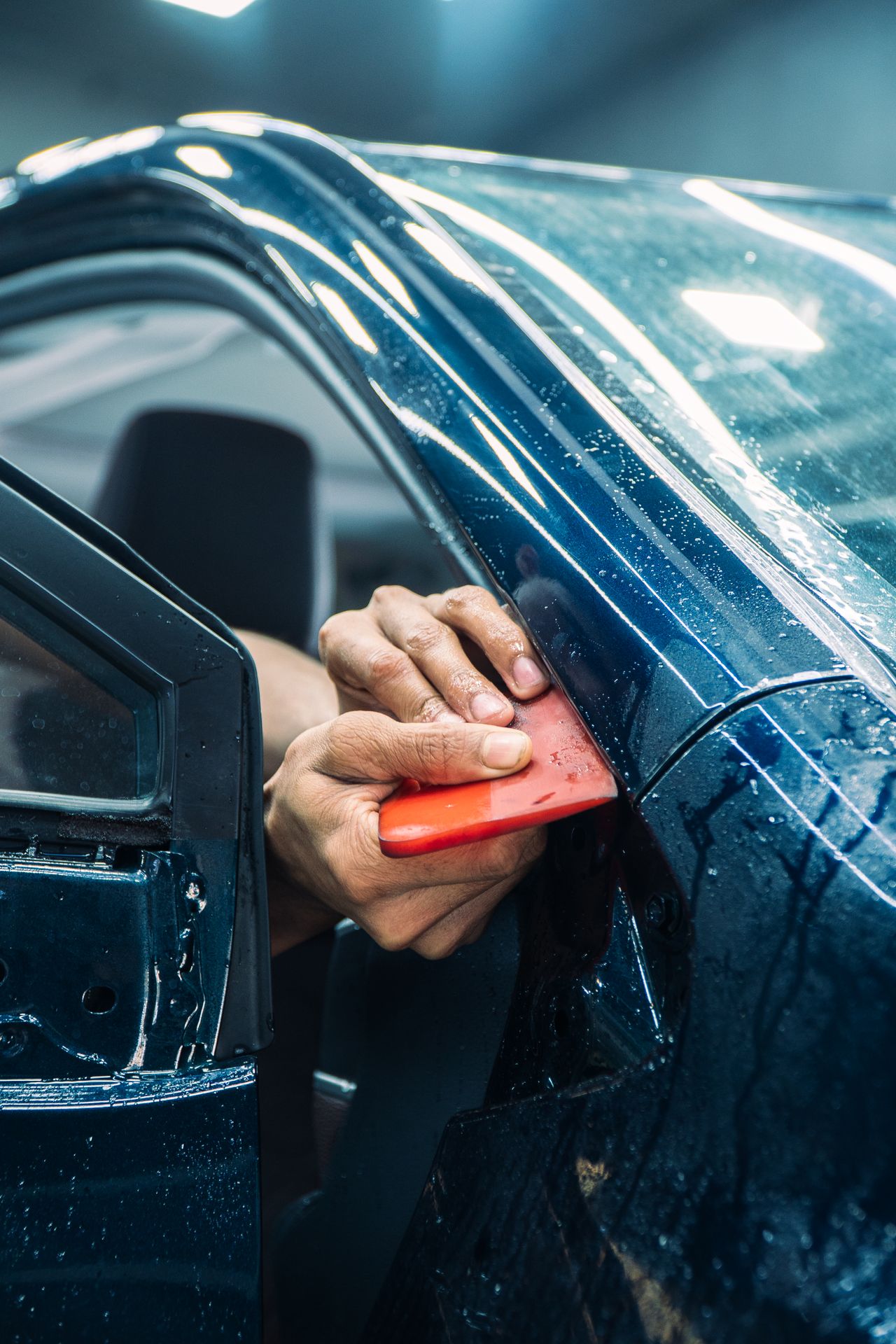
Your car’s paint has 4 layers: bare metal, primer, base coat (color), and clear coat (protection). Most parking lot scratches only affect the top clear coat layer — which is exactly what compound and polish are designed to fix. Think of it like buffing a scuff out of a hardwood floor’s polyurethane finish.
Step 1: Wash the Scratched Area Thoroughly
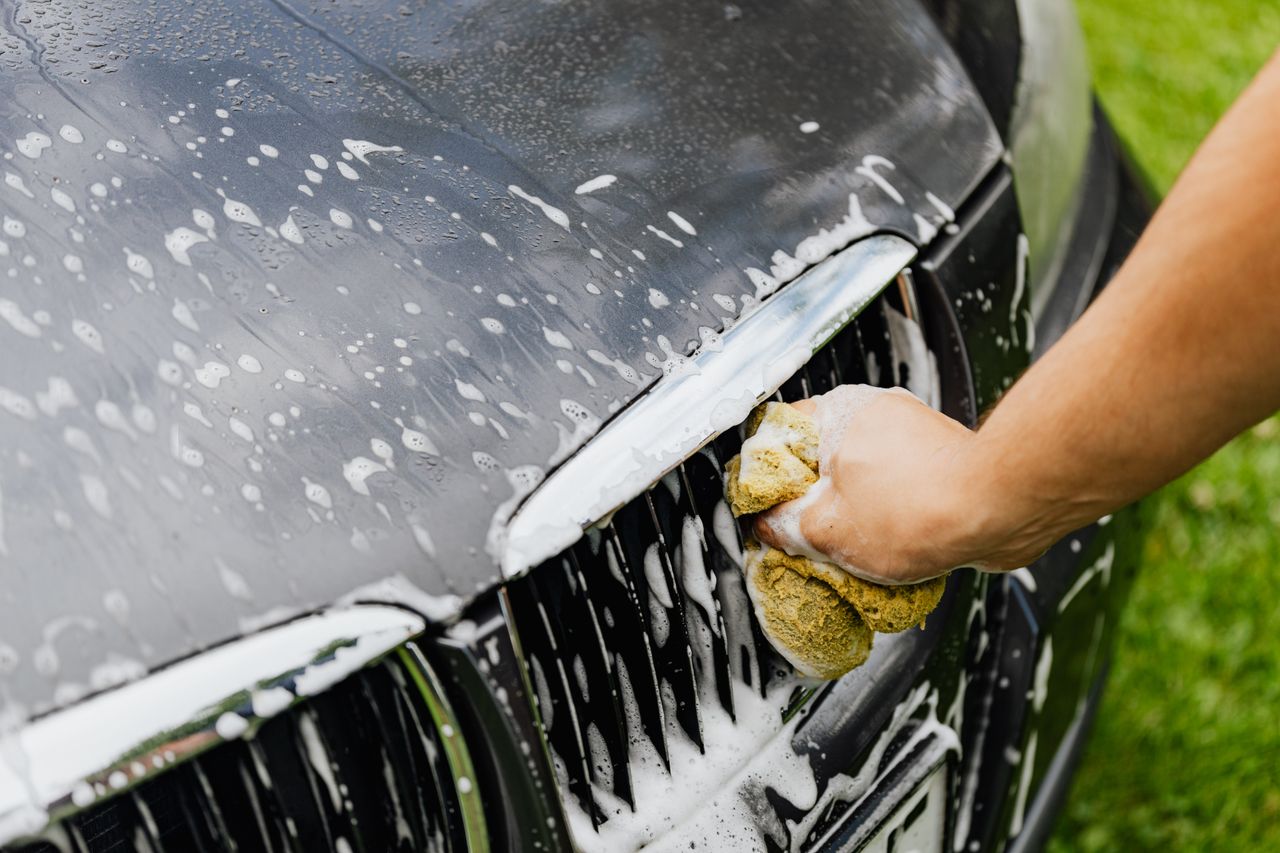
Use car wash soap (not dish soap — it strips wax) and a clean mitt to wash the area around the scratch. You need to remove all dirt, grit, and debris. Even a tiny grain of sand trapped under your compound pad will create new scratches.
Dry completely with a clean microfiber towel. Work in the shade — direct sunlight causes products to dry too fast and leave residue.
Step 2: Mask Off the Area with Tape
Apply painter’s tape around the scratch, leaving about 2 inches of exposed paint on each side. This serves two purposes: it protects surrounding paint from accidental compound contact, and it gives you a visual ‘before and after’ comparison when you peel it off.
Pro tip: Tape off any adjacent trim, rubber seals, or textured plastic. Compound is very difficult to remove from textured surfaces.
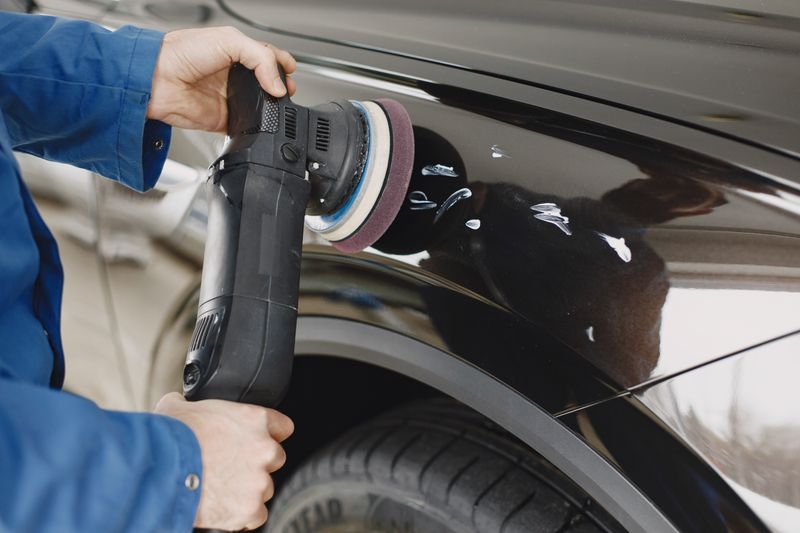
Step 3: Apply Rubbing Compound (The Heavy Lifting)
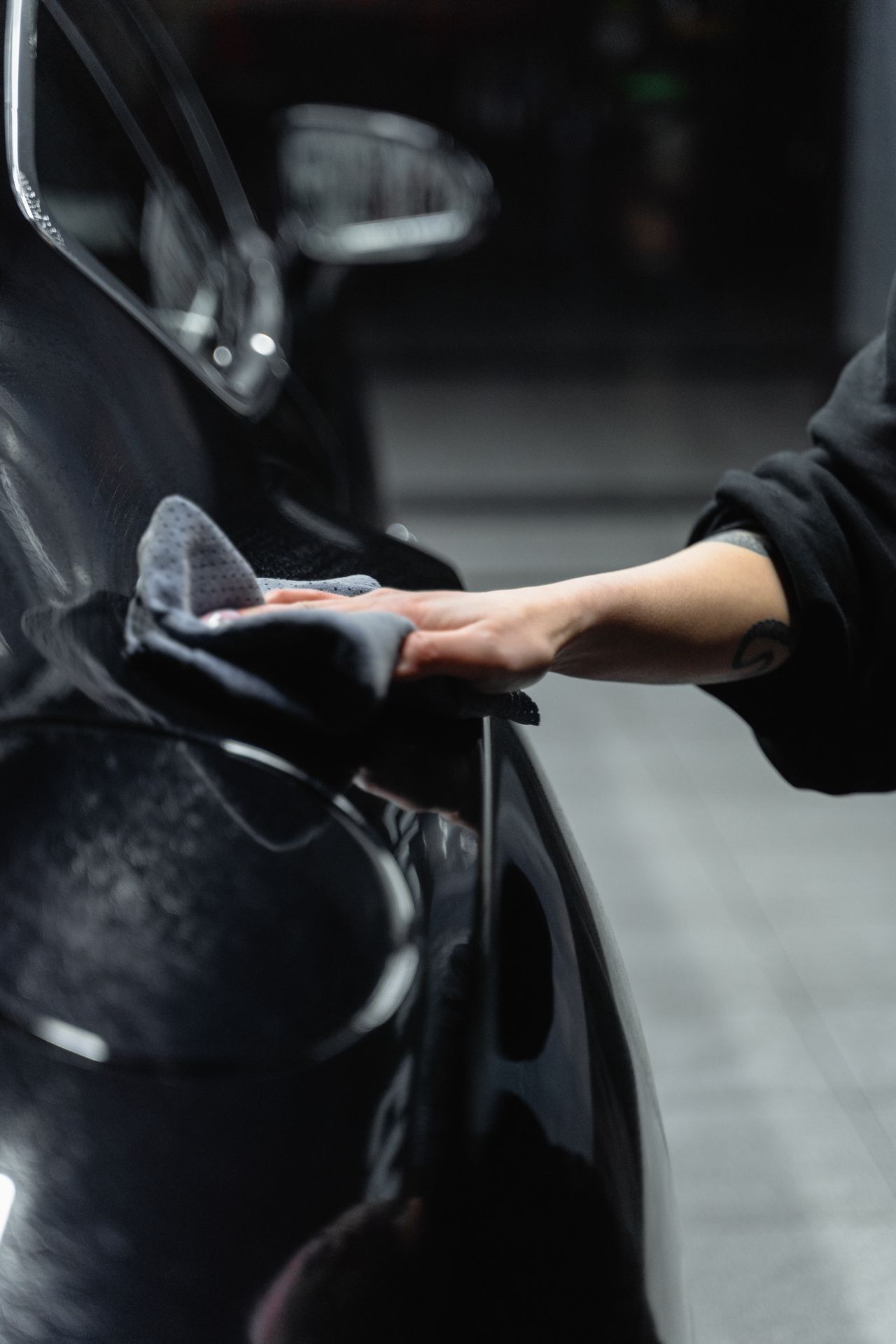
Apply a small dab of rubbing compound (about the size of a pea) onto a clean microfiber cloth or foam applicator pad. Less is more — you can always add more.
Rub in firm, circular motions over the scratch for 30–60 seconds. You’ll feel slight resistance at first — that’s the compound doing its job, shaving off a microscopic layer of clear coat to level out the scratch.
Wipe clean with a fresh microfiber towel and inspect. If the scratch is still visible, repeat. Most clear coat scratches disappear after 2–3 passes. If after 5 passes it’s still there, stop — it may be deeper than the clear coat.
⚠️ Don’t overdo it! Rubbing compound is abrasive — think of it like very fine sandpaper. Too many passes in one spot can burn through the clear coat entirely. 3–5 passes max per area.
Step 4: Polish (Restore the Shine)
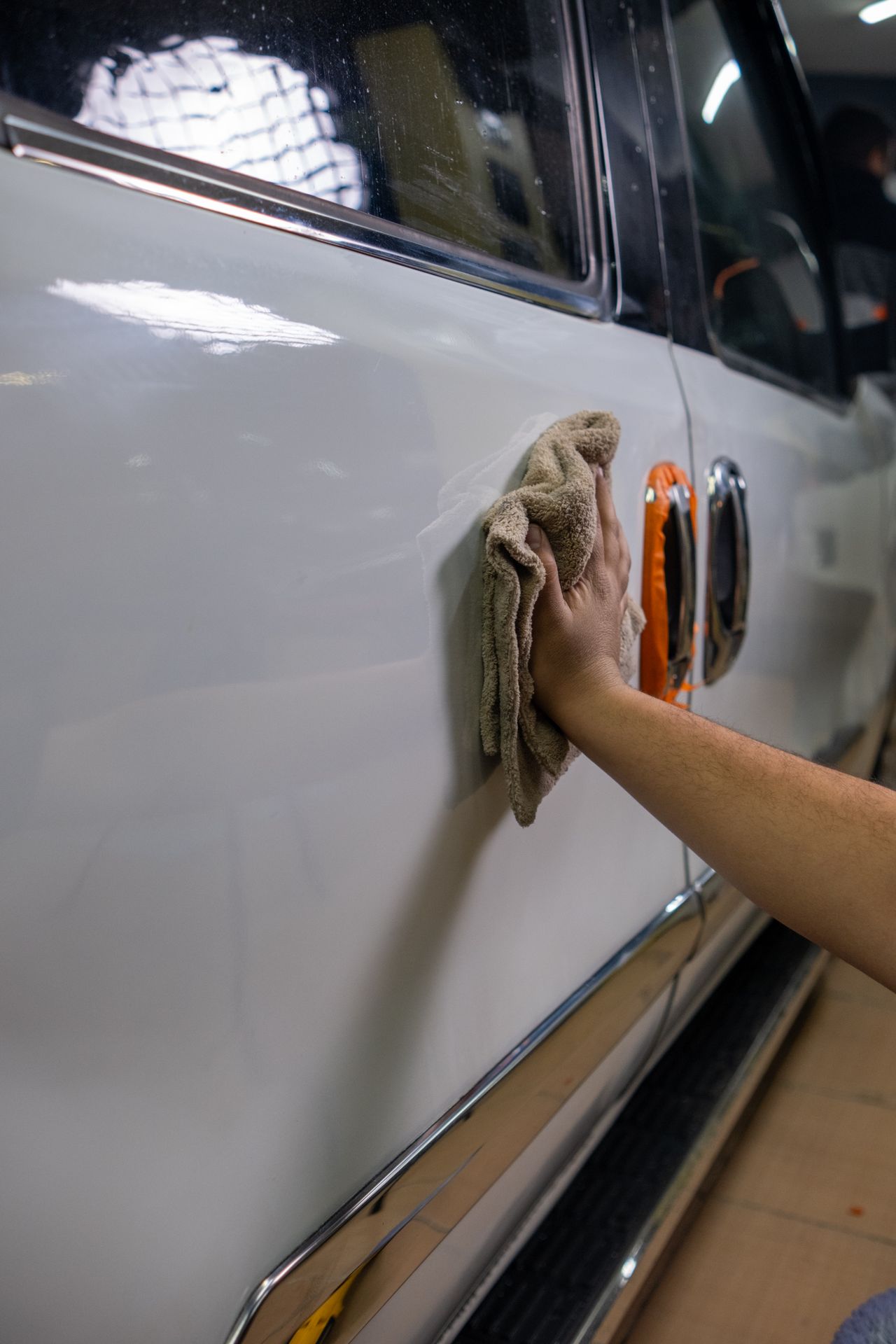
Compound removes the scratch but leaves the surface slightly hazy. Polish is a much finer abrasive that restores clarity and gloss. Apply a small amount to a fresh microfiber towel and work it in with light, circular motions for 30 seconds.
Buff off the residue with a clean side of your towel. The area should now look glossy and match the surrounding paint. This is the ‘wow’ moment.
Step 5: Wax & Protect (Lock It In)
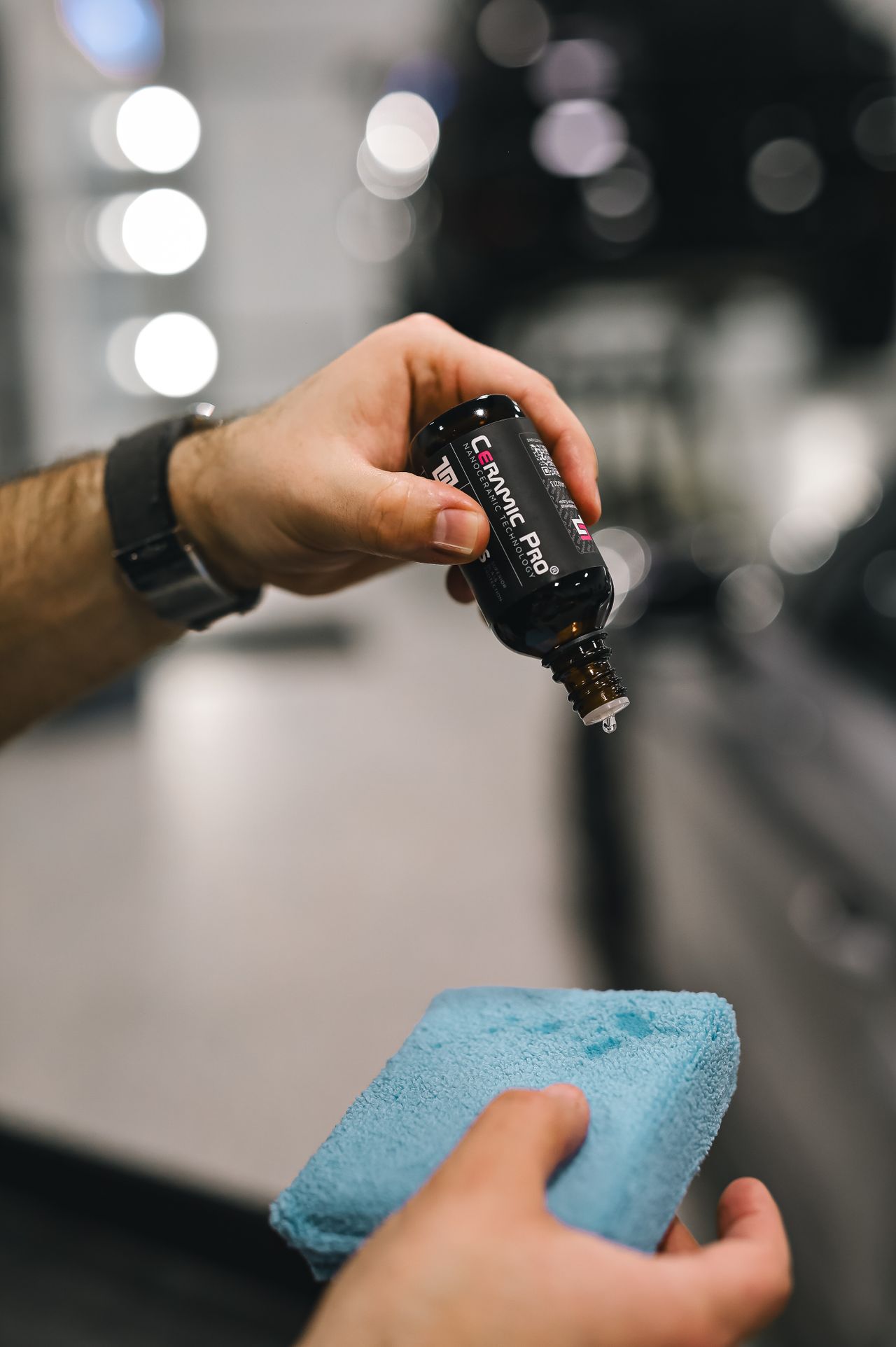
The clear coat you just leveled is now thinner in that spot. Apply a layer of carnauba wax or synthetic sealant to protect it from UV rays, bird droppings, and future minor scuffs.
Apply wax in thin, even strokes. Let it haze for 5–10 minutes (check the label), then buff off with a clean microfiber towel. Remove your painter’s tape and admire the difference. You just saved yourself $300+.
Frequently Asked Questions
Can I buff out a scratch by hand without a machine polisher?
Absolutely. For light clear coat scratches, hand application works perfectly. A dual-action polisher just saves time and effort on large areas. For a single scratch, a microfiber cloth and some elbow grease is all you need.
What’s the difference between rubbing compound and polish?
Rubbing compound is more abrasive — it cuts into the clear coat to level out scratches. Polish is a finer abrasive that smooths out the micro-scratches left by the compound and restores gloss. Think of it like sanding wood with 800-grit, then finishing with 2000-grit.
Will toothpaste really remove car scratches?
Whitening toothpaste contains mild abrasives and can reduce very faint scuffs, but it’s far less effective than proper rubbing compound. For anything beyond the lightest surface mark, invest the $10 in actual compound — you’ll get dramatically better results.
How do I know if I’ve gone through the clear coat?
If you see a color change or the area looks matte and won’t shine up with polish, you may have burned through. Stop immediately. The area will need professional touch-up paint. This is why we recommend no more than 3–5 compound